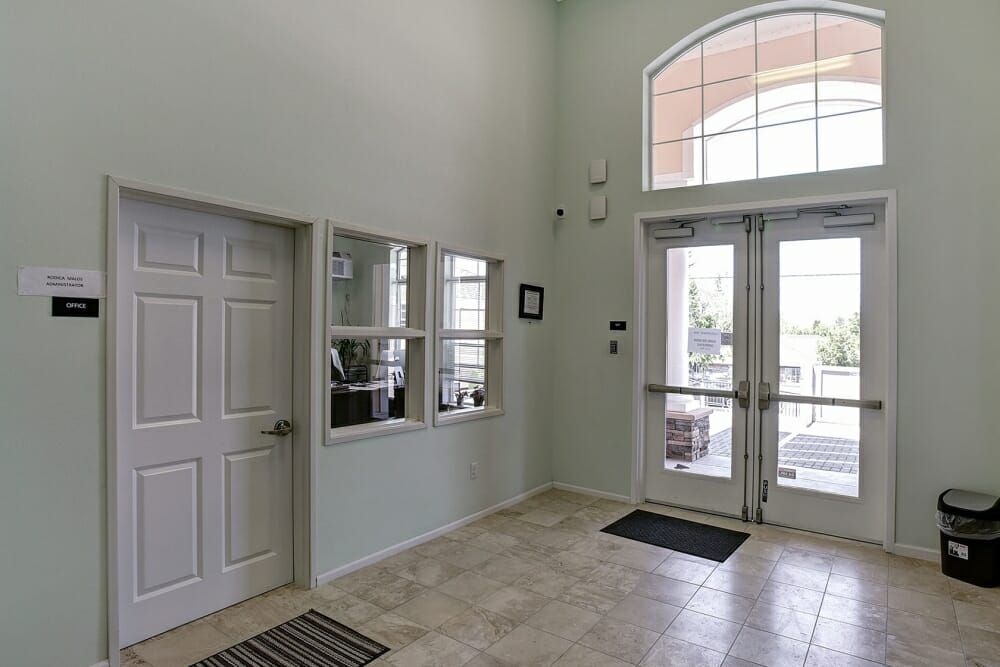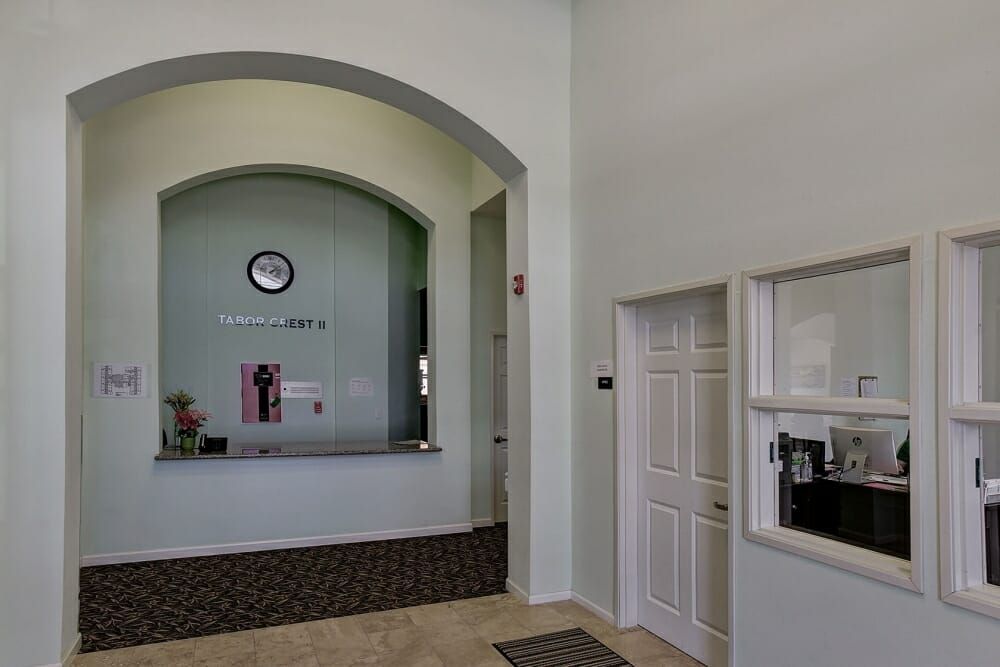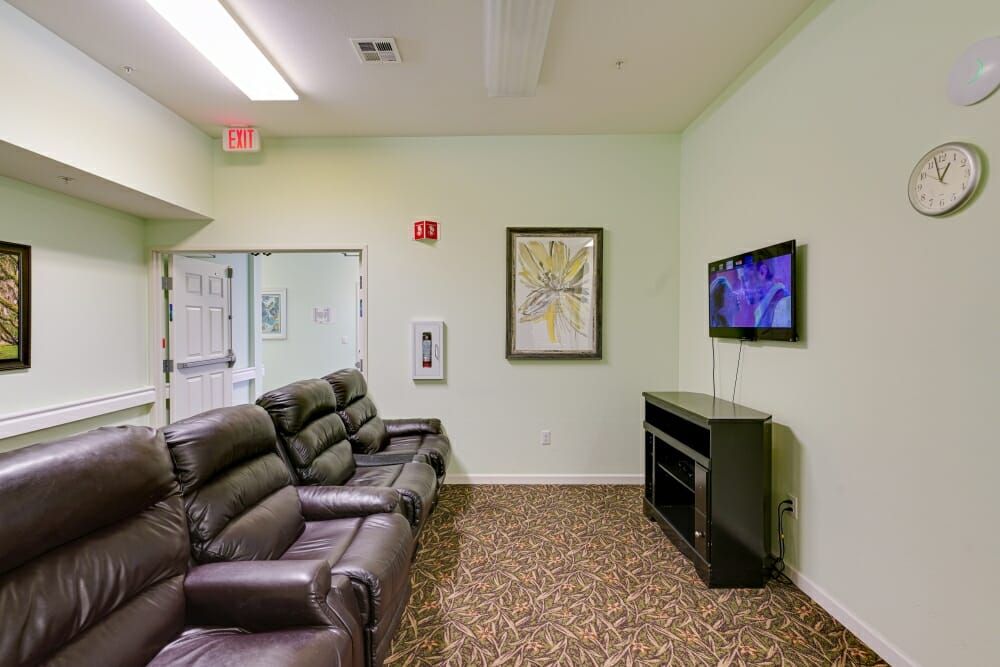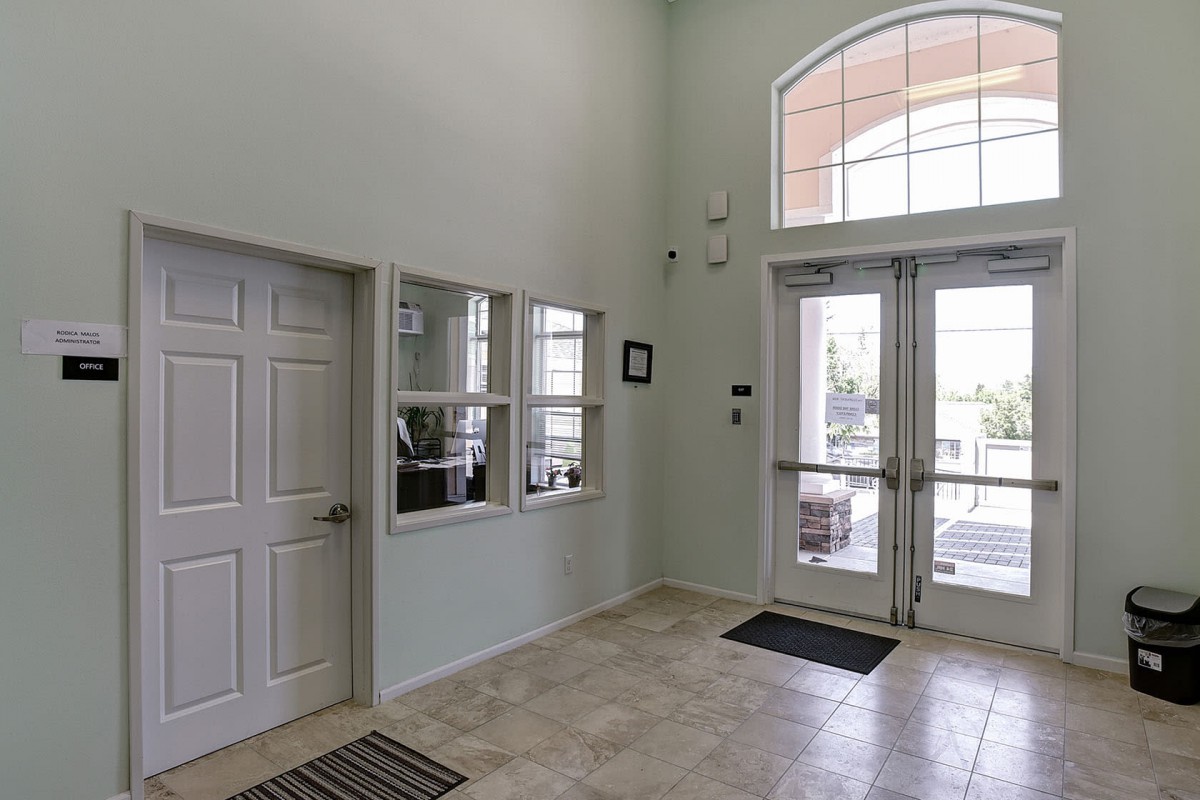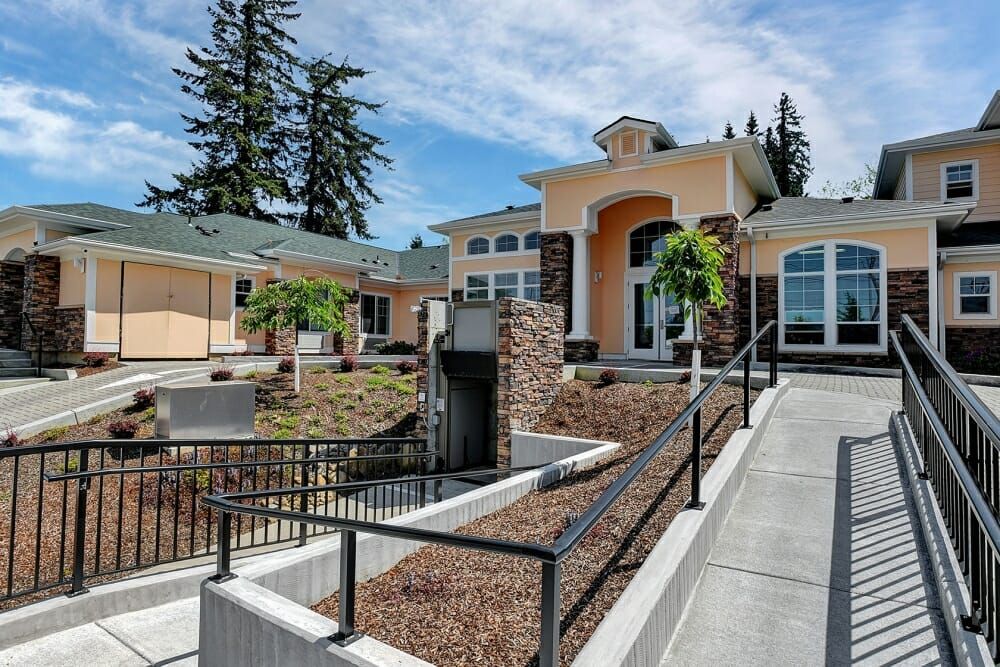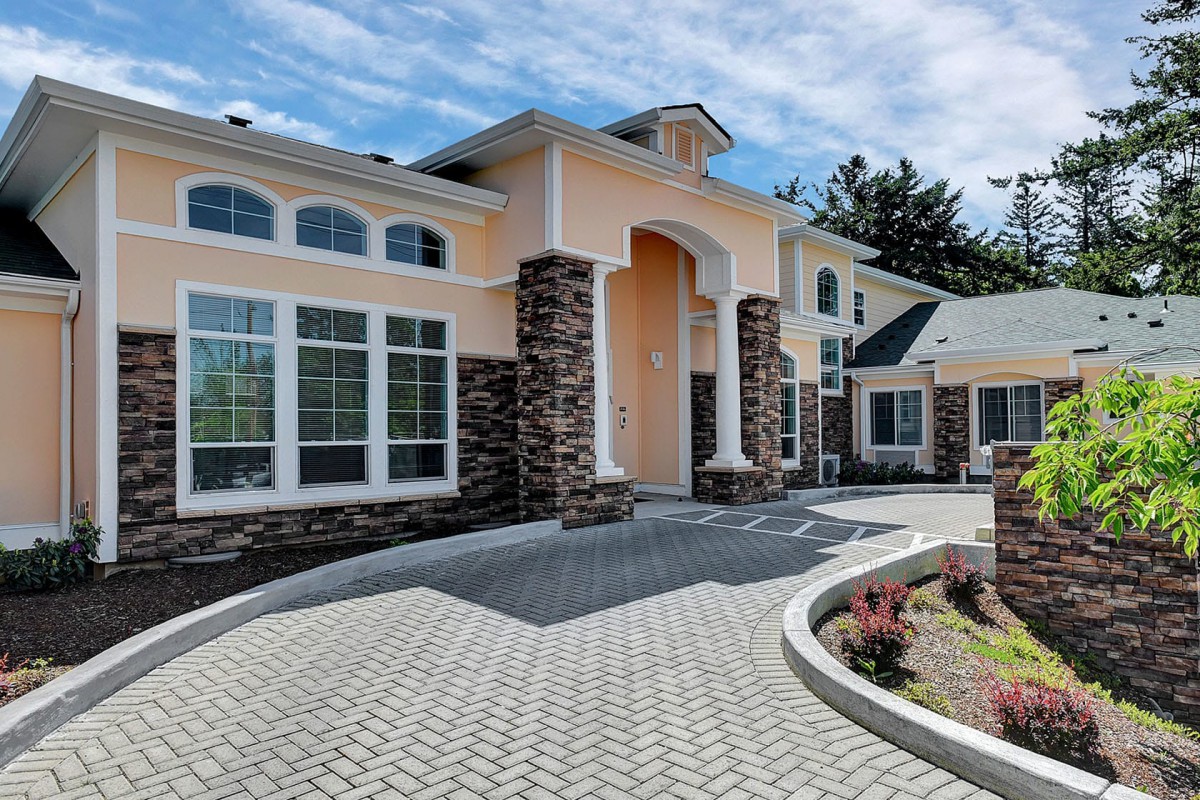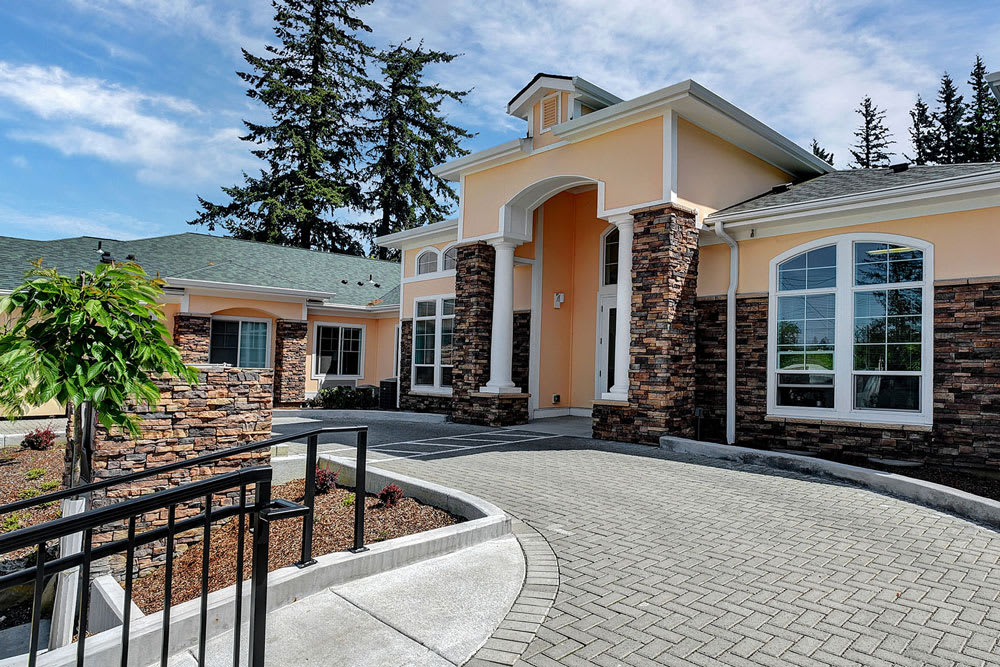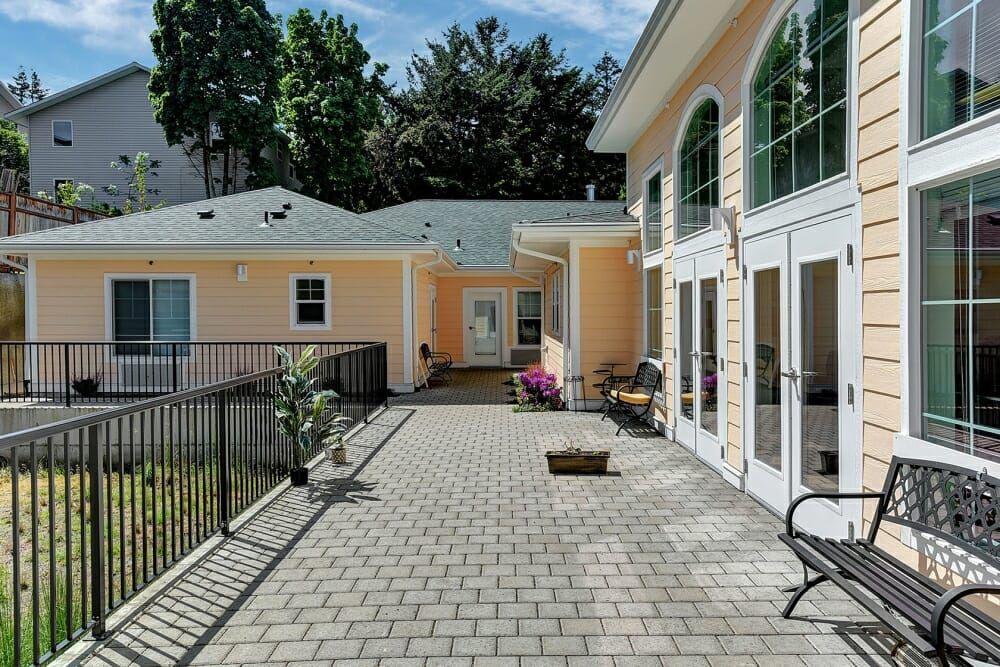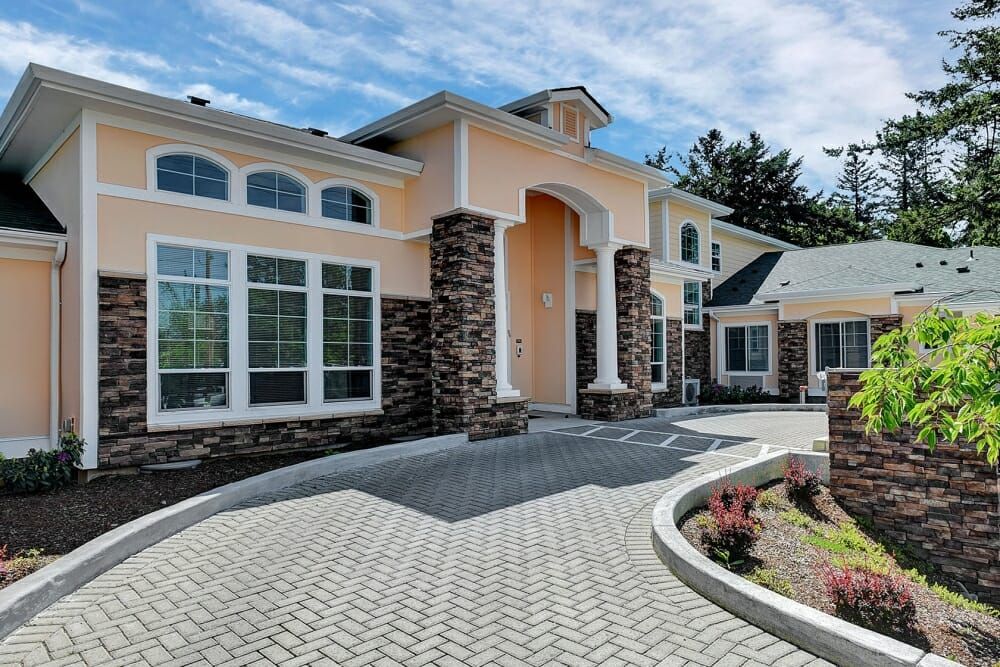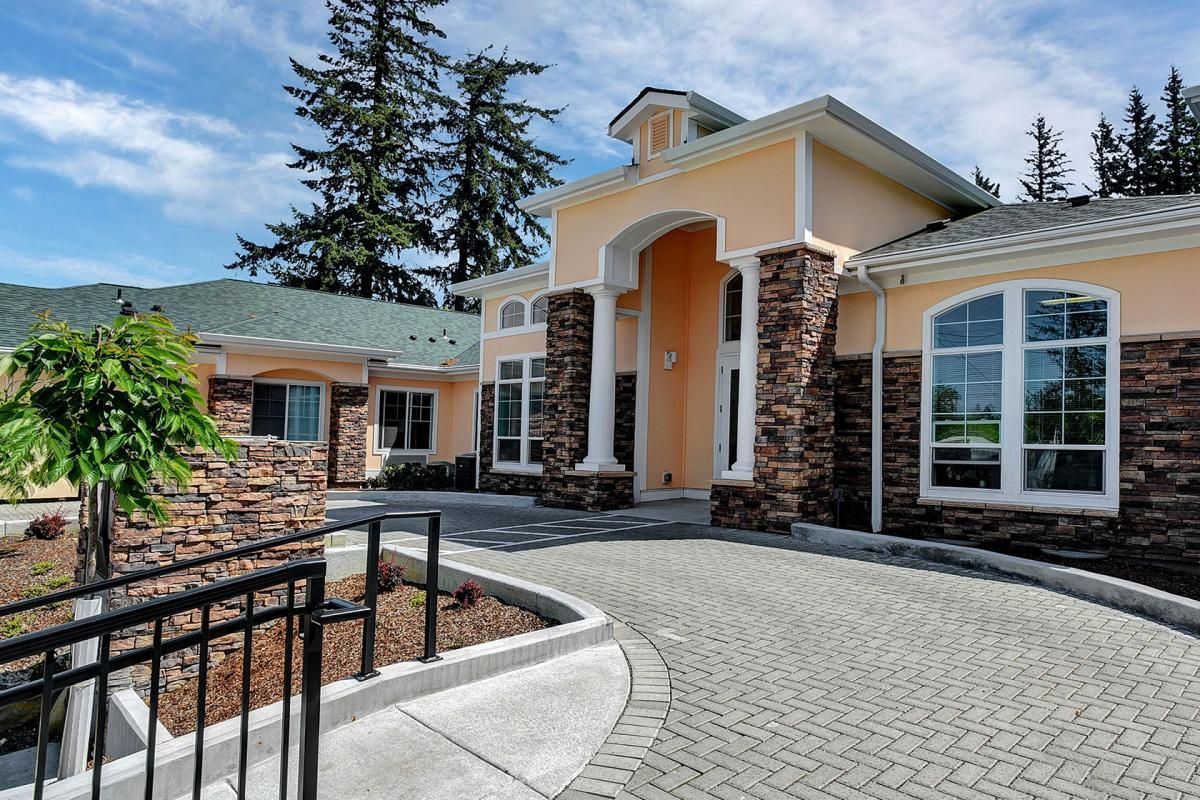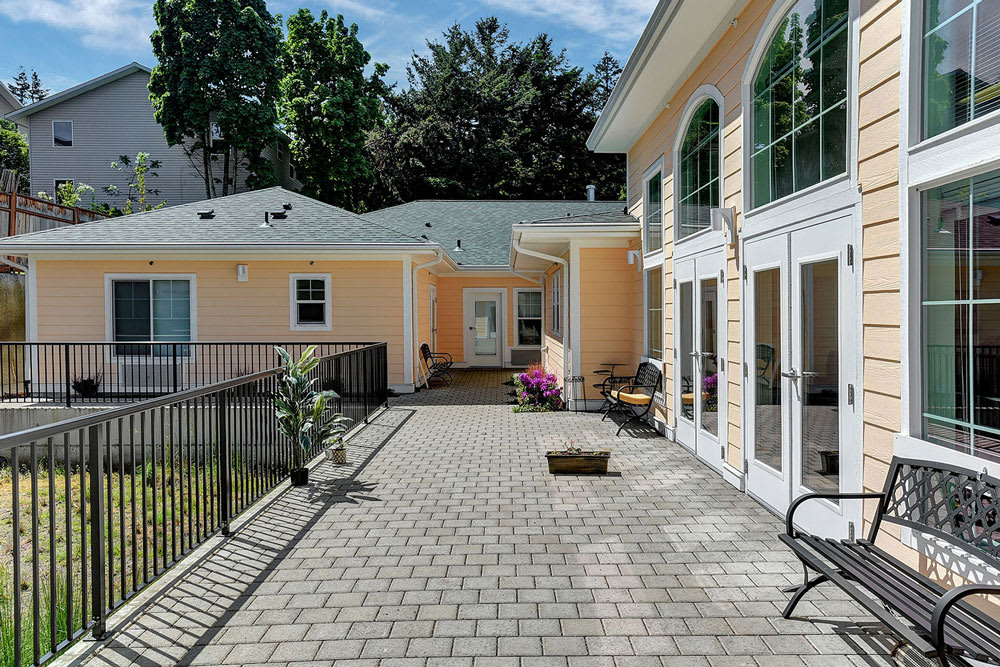


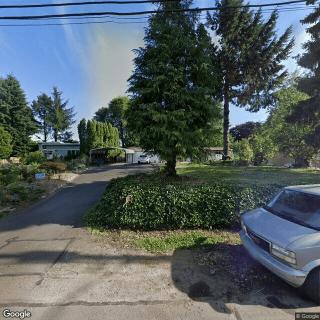
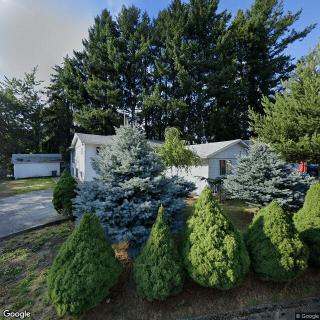
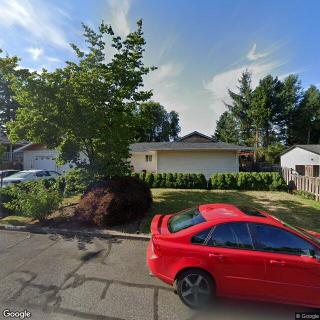
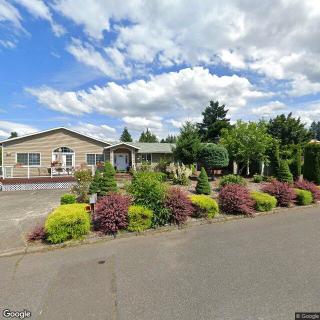
16050 NE Halsey Street, Portland, OR 97230
For more information about senior living options: (866) 208-4318
Overall Review of Tabor Crest II Memory Care Community
Pros
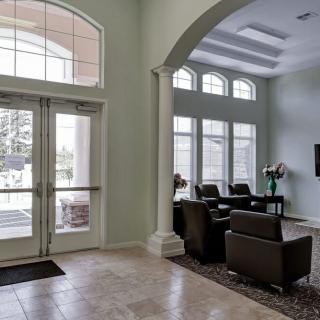
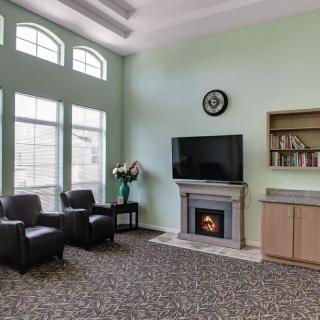
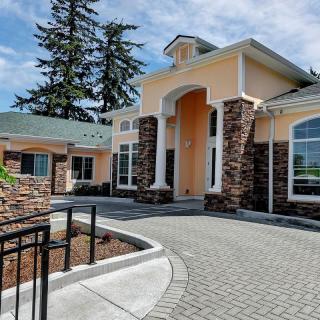
 Tabor Crest is described as one of the most loving, clean, well-managed, and thoughtful places they've seen.
- The ED is helpful and goes above and beyond to assist in tough spots after hospitalization.
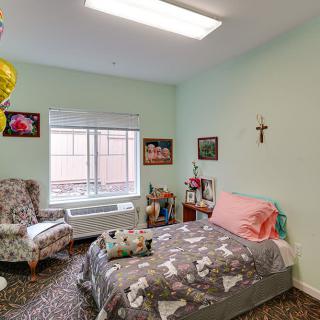
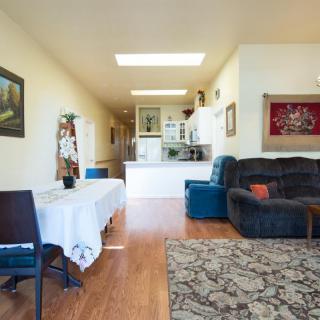
- The staff is empathetic, plentiful, and actively engaged with residents, and the facility and rooms are top-level clean.
- They would have a loved one live there with confidence, knowing what an exemplary place it is.
- The sister and the reviewer love Tabor Crest II; their mom is very well cared for and treated wonderfully.
- Tabor Crest II is clean and well-staffed, with caregivers and administrators who are highly regarded.
- They researched hard to find it and are grateful they found it.
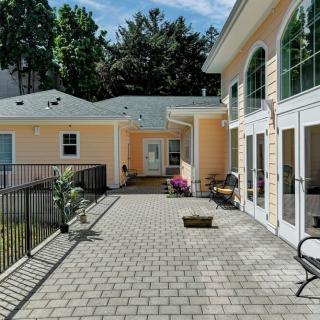
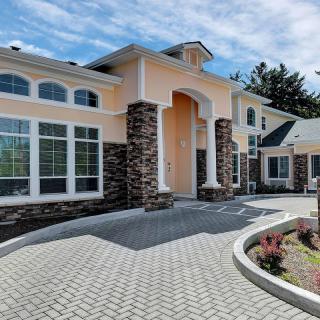
- The facility is beautiful with amazing staff.
Cons
 Finding a place for an aging parent who has cognitive issues is so daunting.
- So much is paid for advertising and it’s hard to swim through the reviews and really know what is real.
Review
Tabor Crest II Memory Care Community in Portland is best suited for families confronting cognitive impairment in a loved one who needs steady oversight, compassionate interaction, and a consistently clean, orderly environment. This community shines when a safe, nurturing atmosphere matters as much as specialized memory care. The setting inspires confidence because staff are visibly engaged, moving through hallways, checking in with residents, and coordinating care in a way that creates predictable routines and reduces confusion for people living with memory challenges. Leadership is portrayed as thoughtful and responsive, with administrators and caregivers aligned in a common goal: quality of life and reliable support during difficult days.
Those who may want to consider alternatives include families working with tighter budgets or seeking a higher level of on-site medical oversight or more clinical programming. While the ED is praised for assistance during crises, there is no explicit claim of around-the-clock medical authority or hospital-grade services within the provided notes. Families needing more aggressive medical management or rapid access to physicians may prefer communities with on-site clinicians or formal partnerships with medical facilities. Additionally, households seeking a less structured or more independent-feeling environment might find a memory care unit like this too regimented for long-term comfort.
The strongest pros cluster around emotional and practical stability. Descriptions of the community as loving, clean, well-managed, and thoughtfully operated carry real weight for decision-makers who worry about safety, dignity, and consistent care. The staff is characterized as empathetic and plentiful, with evidence that caregiving teams are present and actively engaged across shifts. Cleanliness is more than cosmetic; the facility and rooms are consistently described as well-maintained and fresh-smelling. The ED’s readiness to go above and beyond during a difficult hospitalization situation highlights a level of proactive problem-solving that matters deeply when families face medical transitions.
These strengths offset common drawbacks by building a robust care ecosystem. A high level of staff presence and broad engagement reduces the risk that residents feel neglected and supports timely, transparent updates to families. Clean, well-kept spaces lessen infection risk and reinforce daily routines wrapped in dignity. An engaged administration translates into responsive communication, clear care planning, and continuity of relationships between residents and staff, critical in memory care where familiarity matters. When crises arise, the demonstrated willingness of leadership and frontline teams to collaborate with families can turn a stressful moment into a manageable, well-communicated process.
Nevertheless, some caveats deserve careful consideration. The reviews do not detail programming depth, activities, cognitive stimulation, family involvement policies, or the pace of decision-making. There is no explicit information about medical acuity beyond memory care, such as on-site nurse availability or access to specialized clinicians for complex comorbidities. Prospective residents should verify staff-to-resident ratios after hours and on weekends, and whether care plans are sufficiently individualized to accommodate fluctuating cognitive status. For families prioritizing deeper clinical capabilities or more varied, physician-led oversight, other communities may present a better fit.
In the end, Tabor Crest II Memory Care Community stands out for Portland families seeking a warm, well-staffed, and clean memory care option where residents are treated with dignity and care teams remain consistently engaged. The decision should hinge on alignment with the facility’s core strengths: staffing reliability, leadership responsiveness, and a proven culture of compassionate care. When these criteria match the family’s expectations, the community offers a compelling environment that can sustain a high quality of life for a loved one with memory challenges. If those criteria do not align, whether due to the desire for deeper clinical support, a different programming mix, or financial constraints, careful comparison with alternatives will help locate a setting that better fits the unique needs and values of the family.
 30 resident community capacity
 Assisted Living
 Memory Care
 Activities on-site
 Beauty salon
 Cable or satellite TV
 Devotional services off-site
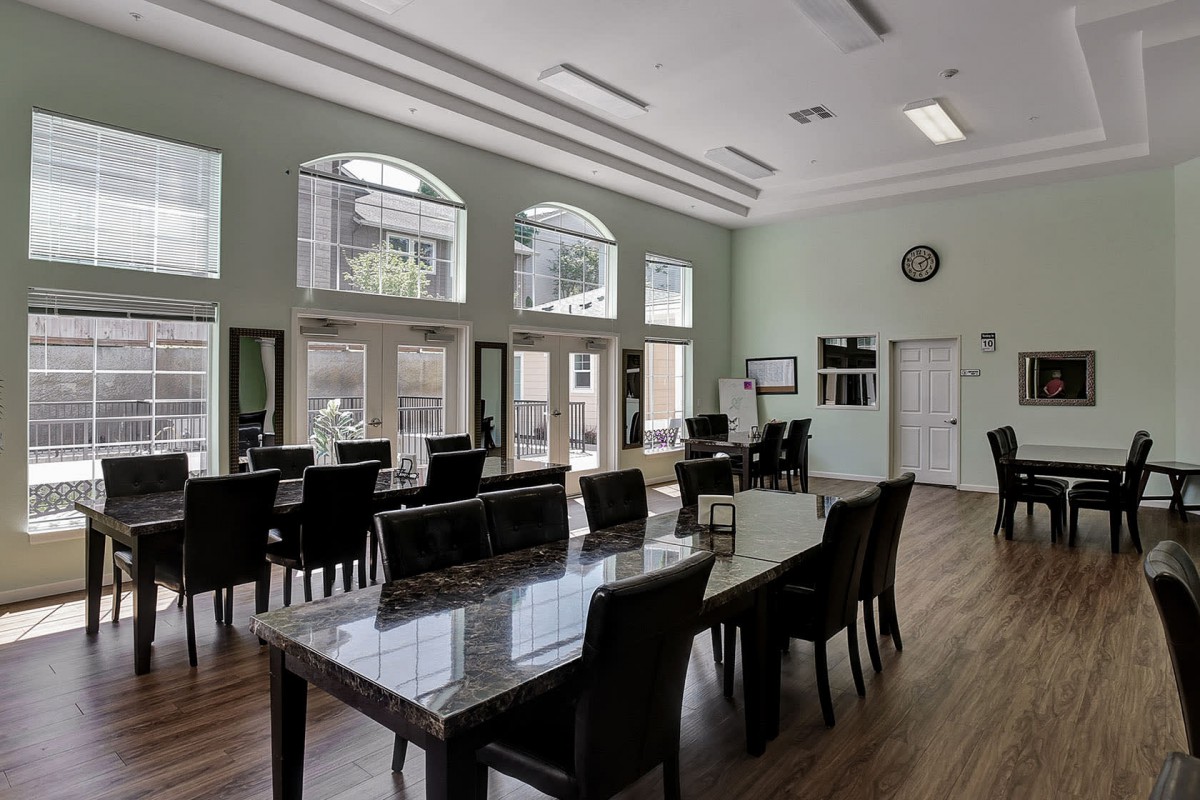
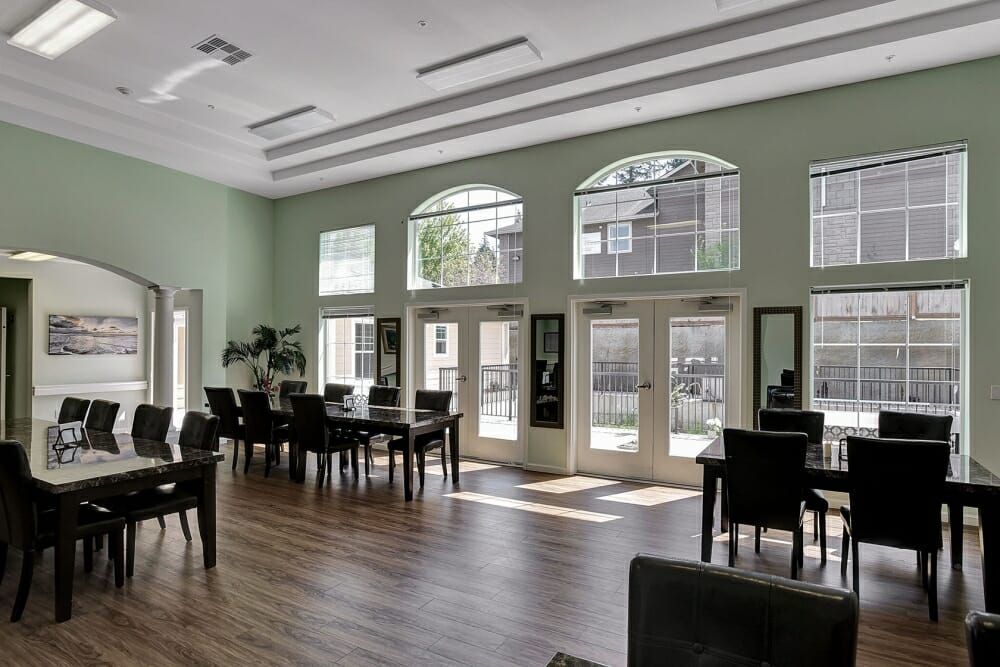
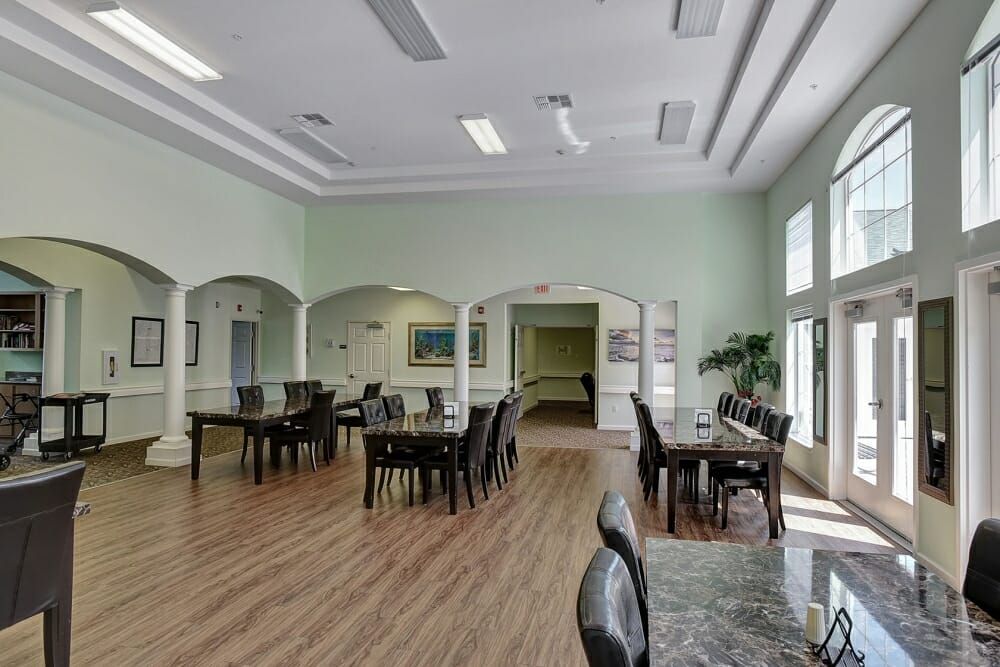
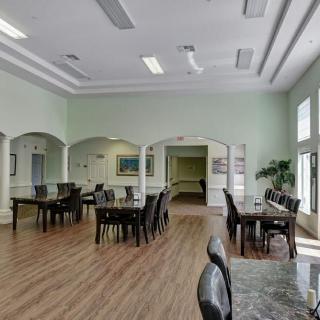
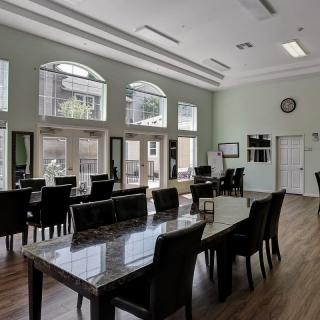
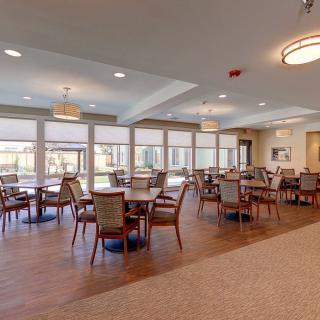
 Dining room
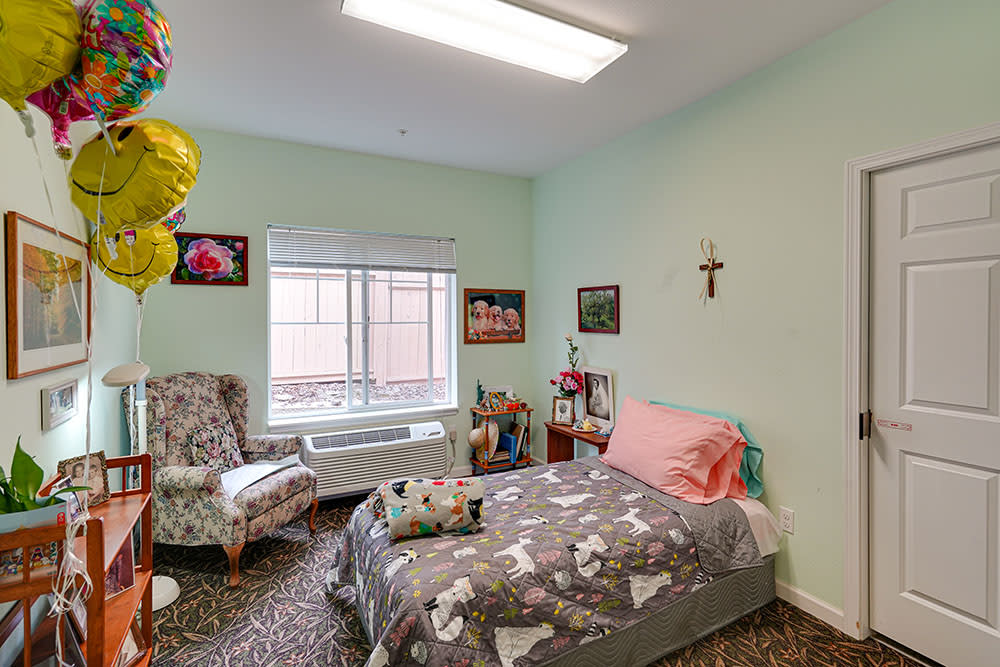
 Fully furnished
 Garden
 Housekeeping services
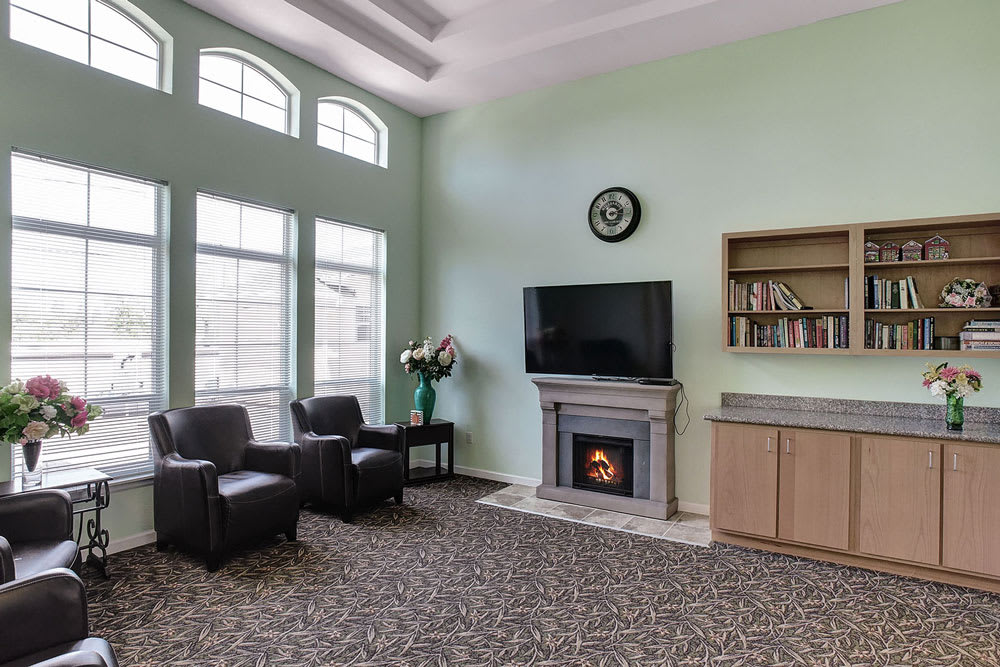
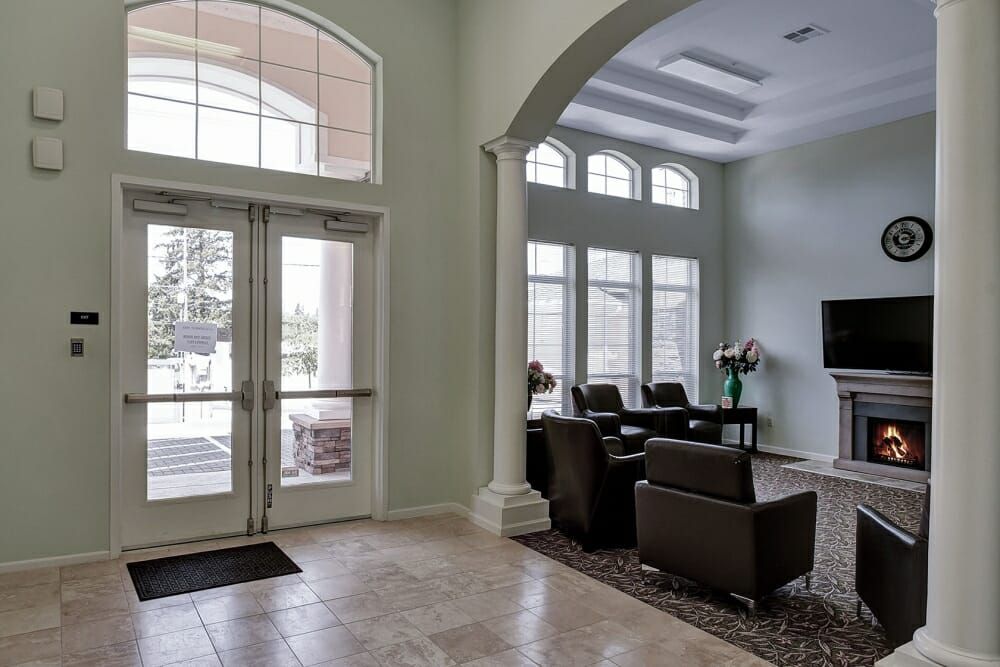
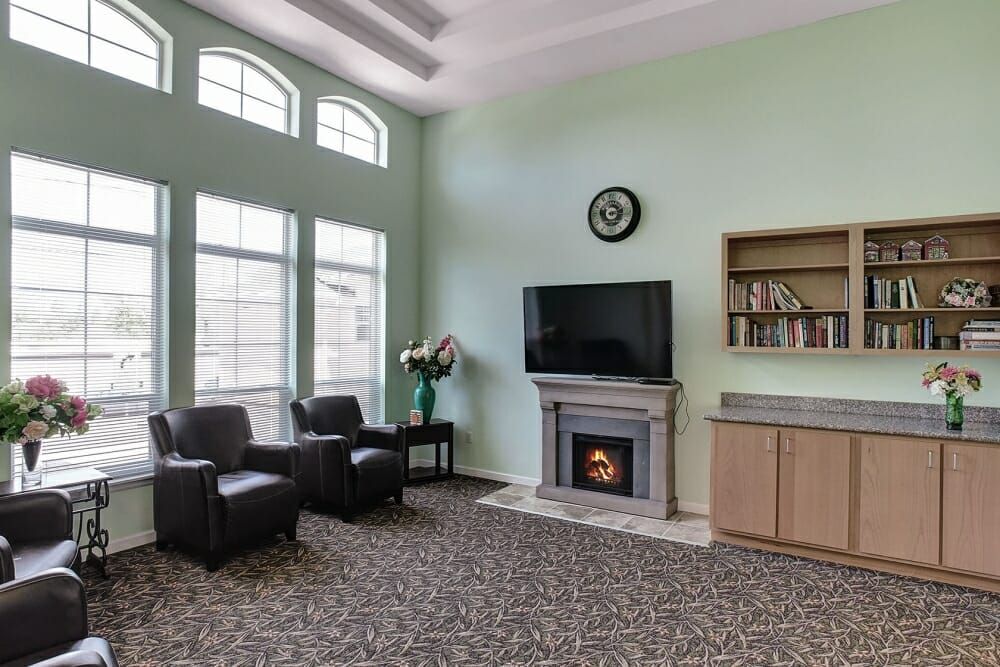
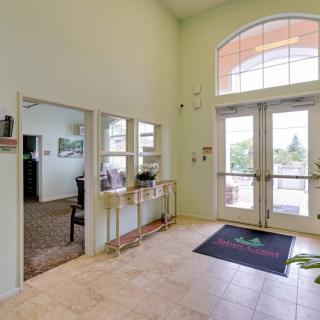
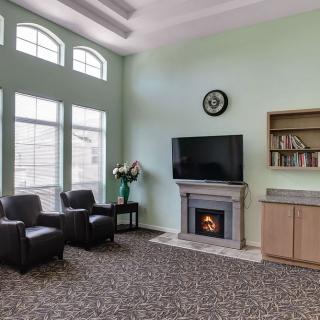
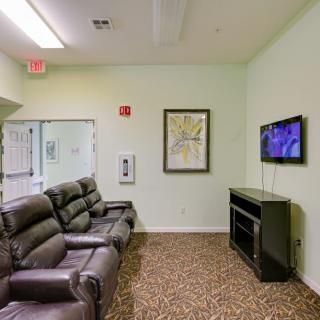
 Indoor common areas
 Kitchenette
 Move-in coordination
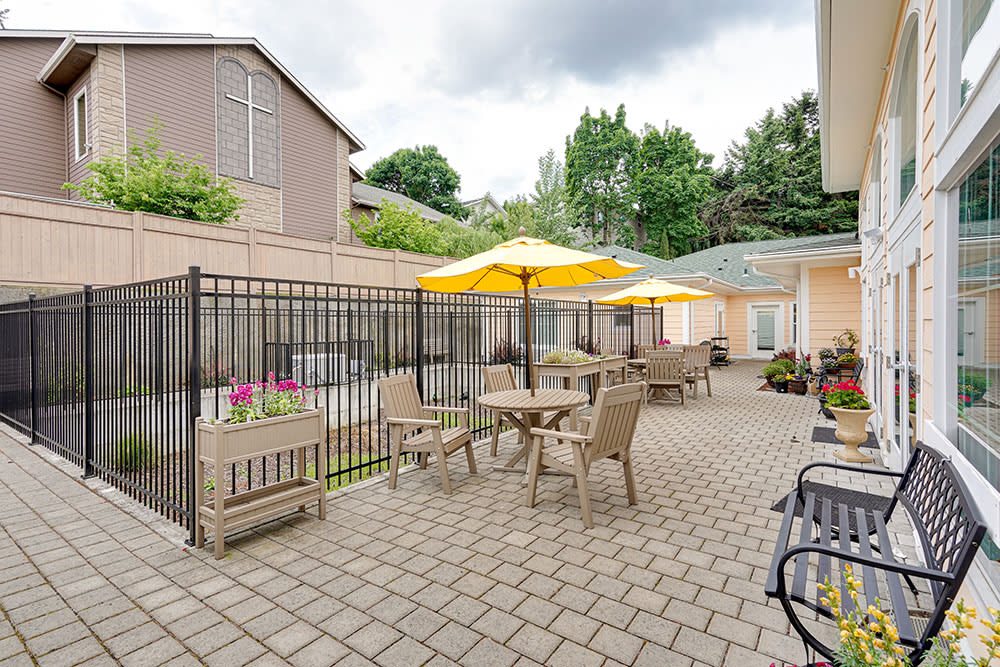
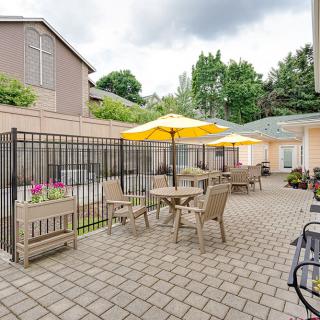
 Outdoor space
 Restaurant-style dining
 Small library
 Telephone
 Wi-Fi/high-speed internet available
 Portland International (6 miles away)
 24-hour call system
 Ambulatory care
 Assistance with bathing
 Assistance with dressing
 Assistance with transfers
 Diabetes diet
 Diabetic care
 Medication management
 Mental wellness program
 Special dietary restrictions
 An In-Depth Look at Reminiscence Therapy in Dementia Care
 Dementia-Related Hallucinations: Causes, Experiences, and Practical Approaches
 Illuminating Insights About Alzheimer's Disease: Ten Crucial Realities