
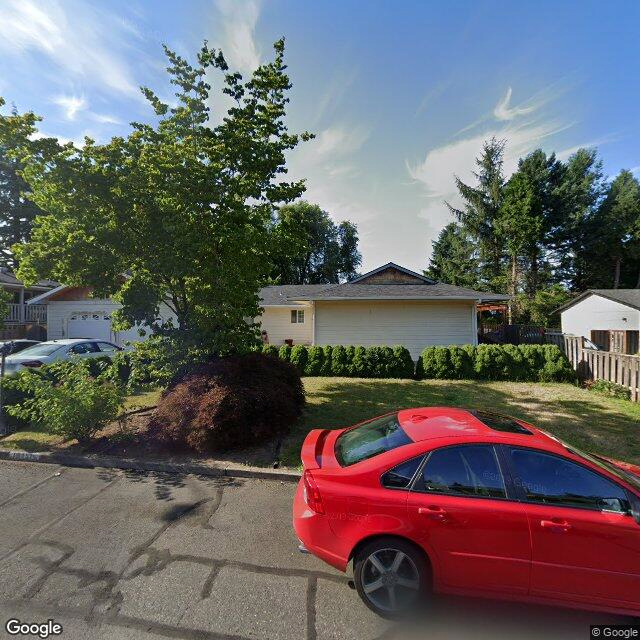
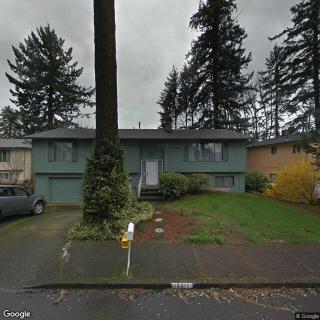
16351 NE Holladay St., Portland, OR 97230
To contact a resident: (503) 254-2725
For more information about senior living options: (866) 208-4318
Rodica's Adult Care Home Costs & Pricing
Rodica's Adult Care Home offers private rooms at a monthly cost of $5,000, which is significantly higher than the average rates in Multnomah County and the state of Oregon. In comparison, the typical cost for private accommodations in Multnomah County stands at $3,227, while the statewide average is around $3,424. This substantial difference reflects Rodica's commitment to providing exceptional care and personalized services that may not be available in more standard facilities. While the price point may seem elevated relative to local and state averages, it underscores a dedication to quality care tailored to individual resident needs in a nurturing environment.
| Floor plans | Rodica's Adult Care Home | Multnomah County | Oregon |
|---|---|---|---|
| Private | $5,000 | $3,227 | $3,424 |
Senior living communities with a similar price nearby
-
from -$500 / mo
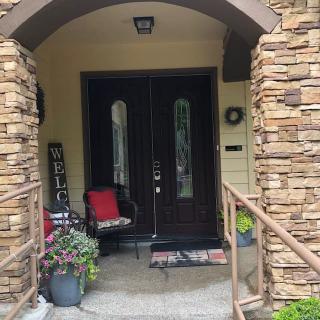
Casa Shattuck Senior Care
$4,500 / month11.8 miles away -
from +$500 / mo
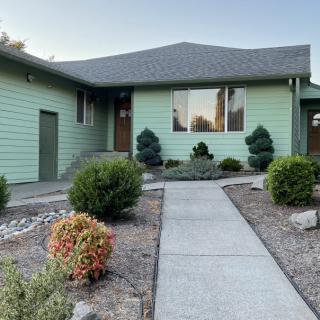
Evergreen Quality Home
$5,500 / month14.3 miles away -
from -$500 / mo
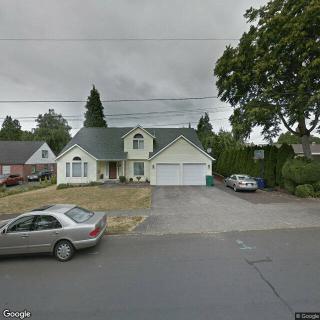
Genuine Senior Living
$4,500 / month9.0 miles away -
from -$500 / mo
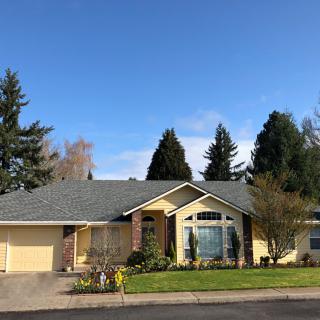
Best Care Adult Family Home
$4,500 / month12.9 miles away -
from -$200 / mo
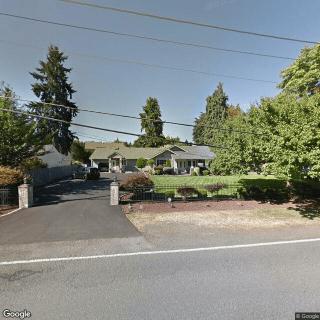
Park Ridge ACH
$4,800 / month15.3 miles away
Overall Review of Rodica's Adult Care Home
Pros
 They are always friendly and take very good care of their residents.
- This place is highly recommended for anyone seeking a homey place for their parents.
Review
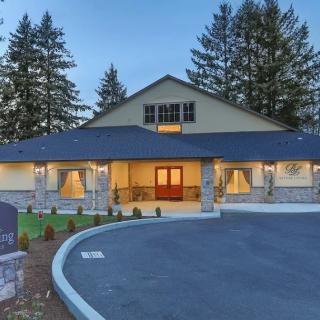
Rodica's Adult Care Home in Portland is best suited for families seeking a small, home-style environment where residents are treated with warmth and individualized attention. The setting emphasizes a homelike daily rhythm, with familiar faces and staff who know residents by name. This makes it ideal for seniors who prize comfort, consistency, and a sense of belonging over the amenities and formality of larger facilities. It suits parents who want privacy preserved, less institutional feel, and closer caregiver relationships. In short, it is a strong choice for those prioritizing personal touch and peace of mind in a nurturing, intimate setting.
Those with higher medical needs should consider alternatives. If round-the-clock nursing oversight, complex medical care, or highly structured memory-care programming is essential, larger communities with formal medical staffing may be more appropriate. Similarly, families prioritizing extensive transportation coordination, broad activity calendars, or a breadth of on-site services might find a bigger operation offers more options. Rodica’s likely excels on warmth and daily attentiveness, but the trade-off is in scale and the types of services that a true medical or memory-care-focused environment typically provides.
The core strengths emerge clearly in the reviews: consistently friendly staff and very good care, delivered in a homey atmosphere. This combination translates into practical advantages for daily life, caregivers who remember preferences, quick responsiveness, and routines that feel predictable and comforting for residents. The home-like environment supports gentle social interactions, private moments, and a pace that can reduce the stress often found in more institutional settings. For families seeking a place where staff treat residents as individuals and where care feels personalized, these advantages can be decisive.
Conversely, the reviews do not flag significant downsides, which signals a high level of satisfaction within the scope of those experiences. Yet the absence of stated drawbacks does not erase practical considerations. The smaller, intimate model may come with trade-offs, such as fewer on-site medical services or a more limited calendar of structured activities relative to larger communities. For families balancing daily living quality with the need for clinical oversight, these questions matter: what medical supervision is available on-site, how medications are managed, and how access to physicians or nurse practitioners is arranged?
The way the strengths offset potential limits hinges on priorities. For residents where comfort, familiar routines, and a steady, affectionate caregiving tone trump expansive programming, Rodica’s offers compelling value. The trusted, homey feel can reduce agitation for memory-impaired or frail individuals and support continuity of care through strong caregiver-resident relationships. Where these elements align, the benefits can far exceed the missing bells and whistles of a bigger operation. The decisive factor is whether the household-scale charm and direct caregiver attention satisfy the full spectrum of daily needs.
For families weighing a visit, a practical decision framework is straightforward. Prioritize a clear sense of daily life, meals, routines, and social opportunities, and verify the level of clinical support available on-site. Inquire about staff-to-resident ratios, how medical needs are coordinated, and the process for physician or nurse visits. Ask about medications, safety protocols, dining options, and the kinds of activities residents actually participate in. If warmth, consistency, and a homey environment rank highest, Rodica’s presents a compelling case. If the list above reveals a need for more robust medical services or a broader activity slate, alternatives may deserve serious consideration.
 Board and Care Home
 Activities off-site
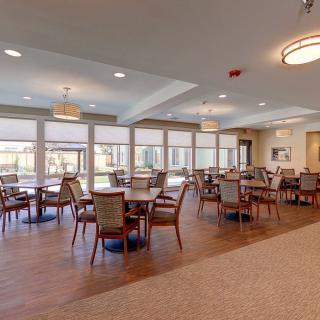
 Indoor common areas
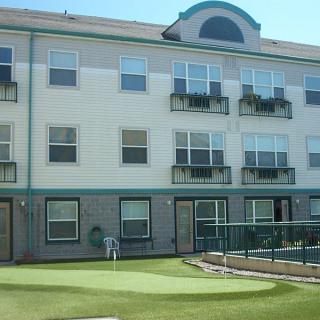
 Outdoor common areas
 Private
 Portland International (6 miles away)
 Ambulatory care
 Diabetic care
 High acuity care
 Incontinence care
 Medication management
 Meals provided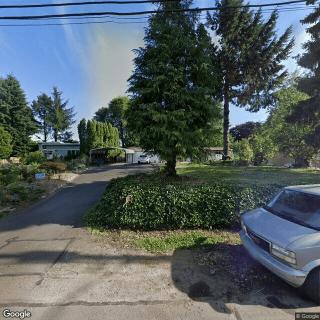


 Comprehensive Insights into Palliative Home Care: What It Is and What to Expect
 Skilled Nursing Facilities vs. Nursing Homes: Making Sense of the Differences
 A Detailed Examination of Nursing Home Costs Across the U.S.