

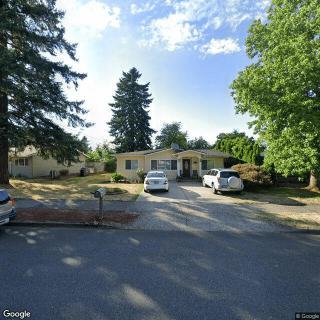
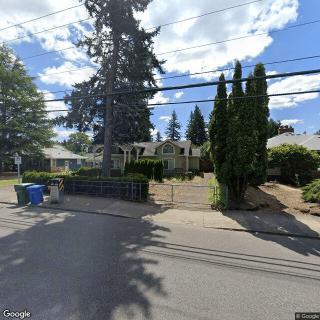
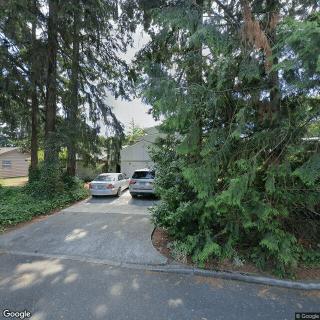
13007 NE Glisan St, Portland, OR 97230
To contact a resident: (503) 215-2220
For more information about senior living options: (866) 208-4318
Overall Review of Providence Glisan Street Center
Pros
 The ElderPlace program has been like a team of angels taking care of the resident's father.
- The facility and the people there are wonderful.
- ElderPlace handles everything—medical, primary care, dental, vision, and care itself—and even arranges transportation for services outside the facility.
- It is part of the Providence Health Care System, described as a very good system.
- Caring aides and excellent social services are highlighted as strengths.
Cons
 They cannot recommend the program unless someone is in very bad shape.
 - They will not have a choice of doctors or nurses.
- They will have little choice in daily meals, aside from shifting the food around.
- They have to pay about $175 per month in rent plus PACE/DHS payments by check or automatic arrangements.
- They feel that actual engagement with clinical staff is not happening and complaints are mostly ignored.
- The call system is erratic and needs replacement, causing long waits for aides.
- Appointments at the on-site clinic were made without resident input.
- The food is fattening and starchy with little fresh fruit or vegetables.
Review
Providence Glisan Street Center, anchored by the ElderPlace program, is best suited for seniors who need dense, coordinated medical and support services under a single umbrella and for families that want a one-stop care partner. This community excels when a resident requires primary care, dental, vision, and social services integrated with transportation and ongoing care management. It is a solid fit for those who value the backing of a respected health system and appreciate that most aspects of daily care are handled within the facility. It is not the right pick for individuals who prize complete freedom in choosing doctors, nurses, and care plans, or for households seeking a lighter-touch, more independent living experience.
The strongest appeal is the ElderPlace program itself. Descriptions from residents and families depict a team-based environment where caregivers, clinicians, and social workers coordinate closely to cover medical, dental, vision, and routine care, with transportation arranged when outside services are needed. The sense of reliability and continuity is reinforced by the Providence Health Care System affiliation, which lends visibility and accountability to the care model. A number of reviewers praise caring aides and robust social services, highlighting that the facility genuinely strives to address social and practical needs as part of the care continuum.
Yet several substantial drawbacks temper that strength. The most consistently echoed concern is limited autonomy in medical choosing, residents may encounter a system where one does not freely select doctors or nurses, which can be disconcerting for families accustomed to more clinical flexibility. Financial arrangements also draw scrutiny: the notes describe paying most costs in a two-part process with monthly rent and a separate pay-in, a structure that can feel opaque and burdensome for those managing limited resources. Complaints about administrative responsiveness appear as well, with some experiences noting that clinical concerns are not always addressed promptly and that complaints can be sidelined.
Operational irritants compound the financing and autonomy issues. A dated call system is cited as prone to erratic performance and long waits, which undermines confidence in timely assistance when needs arise. Appointment times at the on-site clinic are described as being set without meaningful input from residents, suggesting a rigidity that clashes with individual rhythms and preferences. On the daily living side, comfort concerns surface: inconsistent air conditioning in the summer and a kitchen menu described as heavy on fattening, starchy dishes with limited fresh fruit or vegetables. Taken together, these factors create a profile of a high-care environment where quality of life depends as much on proactive management of details as on the core medical model.
When weighing the pros against the cons, the integrated care and devoted staff can offset many health-related anxieties for residents who require steady medical oversight and convenient, inside-the-building services. For those who prize seamless coordination and the reassurance of a large health system backing every step, ElderPlace delivers a compelling value. However, the drawbacks, restricted clinician choice, opaque costs, slower problem resolution, and less-than-ideal meal and comfort standards, will be decisive for families seeking more autonomy, financial clarity, and daily living flexibility. In other words, the center is a strong match for complex medical needs and structured support, but less suitable for residents who want broad clinician freedom, dynamic dietary options, or highly responsive day-to-day service.
Prospective families should approach with a clear checklist: verify current monthly cost breakdowns and what is included or excluded, confirm how much control residents have over physician and caregiver assignments, and ask for up-to-date commitments on call response times and clinic appointment processes. Inquire about meal customization and access to fresher options, and explore whether the air and comfort systems have been upgraded since earlier reports. Most critically, tour the campus with a specific focus on meeting current residents and frontline staff to gauge whether the care culture matches the promised integrated approach. For those who need comprehensive, system-backed care and accept some rigidity in participation and dining, Providence Glisan Street Center offers a robust, capable option that can deliver substantial peace of mind. For others, alternatives that emphasize autonomy, cost transparency, and more flexible daily living may be the wiser route.
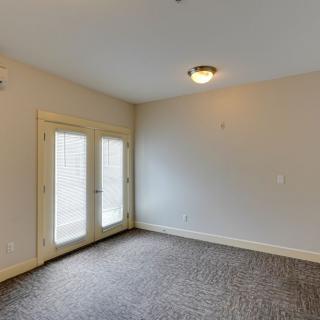
 Studio apartments
 Assisted Living
 Memory Care
 Activities on-site
 Devotional services off-site
 Garden
 Indoor common areas
 Kitchenette
 Respite or short term stays offered
 Portland International (5 miles away)
 Transportation & parking
 Ambulatory care
 Meals provided
 English




 Choosing the Right Senior Care: A Detailed Exploration of Assisted Living and Nursing Homes
 Safeguarding Your Memory Through the Golden Years: Eight Ways to Preserve Cognitive Health
 Comprehensive Insights into Activities of Daily Living (ADLs) and Their Assessment