
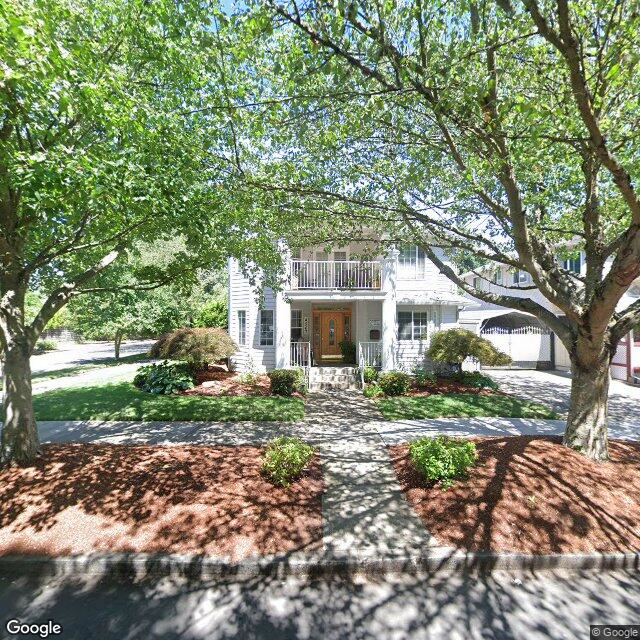
4507 SE Ramona, Portland, OR 97206
To contact a resident: (503) 774-8254
For more information about senior living options: (866) 208-4318
Lasting Impressions Care Home, Inc Costs & Pricing
Lasting Impressions Care Home, Inc offers competitive pricing for its room types when compared to the surrounding market. For a semi-private room, residents can expect to pay $4,000 per month, which is slightly lower than the average costs in Multnomah County at $4,011 and significantly more affordable than the state average of $4,457. However, for private rooms, Lasting Impressions charges $4,500, which exceeds both Multnomah County's average of $3,227 and the statewide figure of $3,424. This juxtaposition highlights that while Lasting Impressions provides a value-oriented option for semi-private accommodations, their pricing strategy for private rooms may position them at a premium within the local landscape.
| Floor plans | Lasting Impressions Care Home, Inc | Multnomah County | Oregon |
|---|---|---|---|
| Semi-Private | $4,000 | $4,011 | $4,457 |
| Private | $4,500 | $3,227 | $3,424 |
Senior living communities with a similar price nearby
-
from -$200 / mo

The Inn at University Village
$3,800 to $7,500 / month16.4 miles away -
About the same
Oaktree Adult Care Home
$4,000 / month10.2 miles away -
from +$500 / mo
Casa Shattuck Senior Care
$4,500 / month5.5 miles away -
from -$500 / mo
Fulga's ACH
$3,500 / month11.3 miles away -
from -$500 / mo
Family and Company NW
$3,500 to $3,800 / month22.9 miles away
Overall Review of Lasting Impressions Care Home, Inc
Pros
 The owner is a registered nurse.
- The home was very quiet and comfortable.
- It seemed like it would be the best fit for their loved one.
- They are very pleased with them.
Cons
 They were never able to get a callback or anyone to answer the phone for a simple question.
Review
Lasting Impressions Care Home, Inc. in Portland is best suited for families seeking a small, home-like setting with direct clinical oversight. The community appears especially appealing to residents who value a quiet, comfortable environment and a hands-on, nurse-led approach to care. The owner’s registered-nurse background signals a level of medical familiarity that can be reassuring when health needs emerge, and for families prioritizing personalized attention over institutional scale. When the fit is right, this setting can feel like a calm, dignified alternative to larger facilities, where privacy and routine can be preserved more easily.
That said, there are clear reasons to consider alternatives. The most persistent concern in the available feedback is communication reliability. Reports of never getting a return call or someone answering the phone for basic questions suggest a fragility in responsiveness that could leave family members feeling uncertain about daily updates, care changes, or urgent questions. For families that place a premium on rapid communication, robust programming, or highly visible staff oversight, this facility may fall short. Additionally, the small, home-style model often means fewer organizational resources and less structured activity calendars, which matters for residents who thrive on consistent social engagement and scheduled programming.
On the positive side, the owner’s status as a registered nurse stands as the strongest pro. That clinical background can translate into stronger medication management, timely recognition of subtle health changes, and easier coordination with outside providers. The quiet, comfortable atmosphere is another key advantage: a low-stimulation setting often reduces agitation and supports restful sleep, which is particularly valuable for seniors who prefer a serene daily rhythm. The sentiment from families who felt it would be the best fit for their loved one carries weight, signaling that when the resident’s temperament aligns with a small-house approach, the experience can be deeply satisfying and personable.
The most significant cons revolve around communication and consistency. If phones aren’t answered promptly, families may feel out of the loop about care plans, appointments, or changes in condition. A small facility can struggle to offer the same level of event programming, formal activities, or 24/7 staffing security that larger communities provide. In essence, the pros can offset some drawbacks only when the resident’s needs align with a quiet, nurse-led, highly individualized model and when families are comfortable accepting a more intimate scale of operation. When the need is for bustling social calendars, frequent clinician-led rounds, or rapid, system-wide communications, these gaps become more consequential.
To make this work, leverage the strengths while actively managing the weaknesses. The RN ownership is a compelling reason to consider this home for residents who require careful medical oversight in a non-institutional setting. Use clear, upfront conversations to set expectations about communication channels, preferred times for updates, and what constitutes an urgent issue. Ask for a written care plan, specify who handles routine questions, and confirm the process for medical coordination and family notifications. If possible, arrange firsthand visits during times when staff interactions are visible and ask to speak with the owner or nurse directly about daily routines, emergency procedures, and how overnight coverage works.
In the end, Lasting Impressions Care Home can be a strong choice for families prioritizing a calm, personalized, nurse-informed environment where the resident’s comfort and dignity are central. It is less ideal for those who require high-frequency updates, expansive activity programming, or a large, highly staffed operation. The decision should hinge on whether the resident’s needs align with a small-scale, clinical-minded setting and whether the family can navigate occasional communication gaps with a clear plan. For families evaluating options, a focused visit, explicit communication expectations, and a review of current staffing practices will reveal how well this community can meet the specific care goals and lifestyle preferences of their loved one.
 Board and Care Home
 Activities on-site
 Devotional services off-site
 Indoor common areas
 Outdoor common areas
 Private
 Respite or short term stays offered
 Wheelchair accessible showers
 Portland International (8 miles away)
 Ambulatory care
 Diabetic care
 High acuity care
 Incontinence care
 Meals provided
 Christian services
 Supportive Employee Benefits That Help Caregivers Attain Better Work-Life Harmony
 Top Cars for Senior Drivers and Essential Safety Innovations
 A Closer Look at Private Pay Home Care