Kellyville Rcf

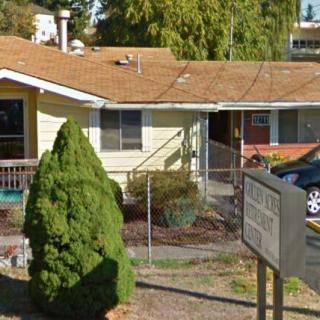
12221 South East Kelly Street, Portland, OR 97236

For more information about senior living options: (844) 490-3973

3.6 from 14 reviews
5 stars
7
4 stars
3
3 stars
0
2 stars
0
1 stars
4

Assisted Living

What level of care are you interested in?

Assisted Living

Memory Care

Independent Living

Skilled Nursing Facility

Continuing Care Retirement Community (CCRC)CCRC

Other


Request a tour at Kellyville Rcf

    Overall Review of Kellyville Rcf

    Pros

    • pro The facility offers a good variety of food thanks to the kitchen staff.
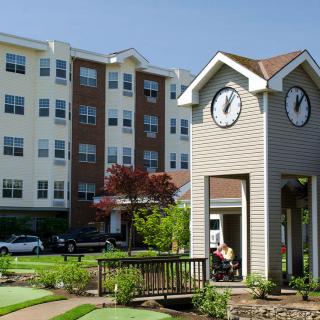
    • pro The staff are friendly, and the common areas are attractive.
    • pro Rooms and bathrooms are well maintained.
    • pro The staff host wonderful events for residents to enjoy.
    • pro Marisol is appreciated for her help.
    • pro The place does not abuse its residents.
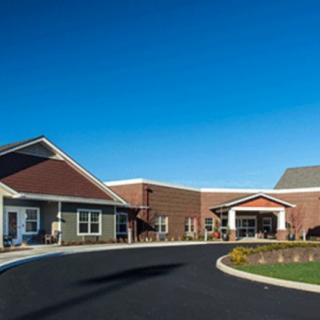
    • pro The facility provides excellent assisted senior care in a new building.

    Cons

    • pro The mother has sustained bruises on her legs.
    • pro Staff reportedly refused to help her to the commode, described as unkind and inhumane.
    • pro Kellyville is criticized for having bad, unprofessional, and unhappy employees.
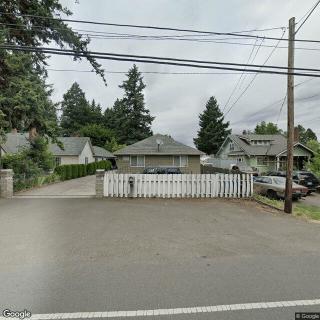
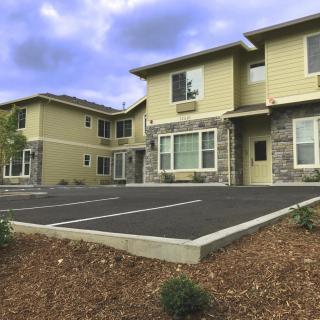
    • pro The parking lot is described as the worst ever, non-accessible, and in need of rebuilding for easy access.
    • pro The facility is accused of abusing its patients.
    • pro The food quality is said to have declined, with the mac and cheese described as terrible.
    • pro The reviewer warns others not to send their family members there.

    Review

    This area has a wide spectrum of experiences, with different residents and visitors sharing strongly contrasting impressions. On one hand, there are voices that praise what they see as a supportive environment, a good time for residents, and a generally favorable view of the facility's atmosphere. A reviewer who has spent time with their mother there describes it as a better place than others they have visited, highlighting a "good variety of food" that seems to come from attentive kitchen staff. Another positive note comes from someone who knows a resident there, saying the staff are friendly, common areas are attractive, and rooms and bathrooms are well maintained. In that frame, the facility feels like a welcoming, well-kept space with opportunities for social engagement and good daily living for many residents.

    Yet the tone shifts quickly as other reviewers express serious concerns that cannot be ignored. Food, for some, used to taste better and evokes nostalgia for earlier menus; one reviewer explicitly says that "taste on everything needs to go back to the past," pointing to mac and cheese as an example of decline. This tension between past and present dining experiences is a recurring theme: while some praise the kitchen staff and variety, others lament that the flavors and quality have diminished over time, suggesting that meals are an area of ongoing contention and potential disappointment.

    Care and safety are described in mixed terms as well. A sensitive and distressing concern is raised about health issues in a resident with dementia. One reviewer reports that their mother has had bruises on her legs, and questions how they could appear "for the he(I)l of it," implying possible harm or neglect, and notes that there have been occasions when help to the commode was requested but denied, described as "un-human" by the writer. These assertions create a climate of worry about how help is delivered, responsiveness of staff, and overall safety for residents who are vulnerable or require assistance with basic activities of daily living. In contrast, another reviewer insists that "this place doesn't abuse patients," recounting a personal five-year tenancy with no observed abuse, while still acknowledging there is room for improvement in certain areas. A third reviewer directly contends that the facility does abuse patients, signaling a stark division in firsthand experiences and underscoring the need for careful, case-by-case assessment by prospective families.

    The portrayal of staff and professional conduct is equally polarized. There is a pointed call for change directed at leadership, with one commenter thanking a staff member named Marisol and urging Kellyville to "get rid of the bad, unprofessional & unhappy employees," a plea that conveys frustration with perceived inconsistency in staff behavior and competence. On the other hand, several entries portray staff in a positive light: the same resident who praised the staff for their friendliness and the well-maintained spaces also notes the value of engaging activities and events that residents enjoy. This divergence suggests that perceptions of staff quality may vary by shift, department, or individual interactions, as well as by resident needs and expectations.

    Accessibility and infrastructure emerge as a standout concern in multiple voices. The parking lot is singled out as a persistent problem, described in emphatic terms as the "Worst parking lot setting EVER!" and urged to be rebuilt for better access. The complaint extends to emergency scenarios, with a strong worry about how an ambulance would navigate the area quickly if needed. The core issue centers on practical access and egress, which directly affects safety and the ability of emergency responders to reach residents in distress. These accessibility concerns are not isolated anecdotes but appear as a clear, recurring theme that influences perceptions of the facility's overall suitability for families seeking dependable, safe care.

    Beyond these core areas, reviewers touch on the broader environment and the patient experience in various ways. Some statements celebrate the facility's social calendar and the sense of community created by organized events, suggesting a lively and engaging atmosphere for residents. Others describe a cautionary stance toward the same place, with warnings not to send family members there and headlines that call the setting into question. One reviewer describes a "new facility" with excellent aspects of assisted senior care, indicating that a modern building and updated amenities can coexist with concerns about care practices and staff consistency. Taken together, these divergent remarks sketch a landscape where comfort, aesthetics, and programming can exist alongside serious questions about safety, consistency, and empathy in daily care.

    In summary, the narrative around this facility is a mosaic of high praise and significant concern. For some, it represents a place where loved ones are well cared for, well fed, and socially engaged, with responsive staff and clean, pleasant surroundings. For others, it raises red flags about safety, potential abuse, and uneven staff performance, particularly in moments when residents require help or when logistical challenges - such as parking and access - impinge on rapid, reliable care. The conflicting experiences emphasize the importance of firsthand visits, direct conversations with caregivers and administrators, and careful evaluation of individual needs when considering this kind of setting. Prospective families should weigh positive indicators like vibrant activities, friendly staff, and clean spaces against the serious concerns raised about safety, treatment, and accessibility to form a clear, informed decision.

    Features

    Housing

    • 50 resident community capacity 50 resident community capacity

    Types of Care

    • Assisted Living Assisted LivingAssisted living facilities provide crucial support and care for seniors who may need help with daily tasks such as medication management, bathing, and meal preparation. These communities offer a safe and comfortable environment where seniors can maintain their independence while receiving the assistance they need to thrive in their golden years.

    Amenities

    • Beauty salon Beauty salonBeauty salons are important for seniors because they provide a space for them to feel pampered, socialize, and maintain their personal grooming and hygiene. Regular visits to a beauty salon can help boost seniors' self-esteem and overall well-being.
    • Cable or satellite TV Cable or satellite TVCable or satellite TV is important for seniors because it provides entertainment, news, and companionship, helping to combat loneliness and boredom. It also offers a wide range of programming options tailored to different interests and preferences.
    • Dining room Dining roomDining rooms are important for seniors as they provide a space for socialization, connection, and nutritious meals. They offer opportunities for residents to bond over shared meals, foster a sense of community, and promote healthy eating habits. Dining rooms also ensure that seniors have access to well-balanced meals tailored to their dietary needs and preferences.
    • Fully furnished Fully furnishedFully furnished senior living communities are important for seniors because they provide convenience, comfort, and a hassle-free moving experience. Seniors can easily settle into their new living space without the stress of having to buy and move furniture. This allows them to focus on enjoying their new home and community.
    • Garden GardenGardens are important for seniors as they provide a peaceful and therapeutic environment for relaxation, physical activity, and socialization. Being in nature has been shown to reduce stress, improve mood, and promote overall well-being. Gardens also offer opportunities for seniors to engage in gardening activities, which can improve mobility, flexibility, and cognitive function. Additionally, gardens create a sense of community and connection with others who share a passion for plants and outdoor spaces.
    • Housekeeping services Housekeeping servicesHousekeeping services are important for seniors because they help maintain a clean and safe living environment, promote independence, and reduce the risk of accidents or illnesses. Additionally, having assistance with household chores can alleviate physical strain and allow seniors to focus on other aspects of their well-being.
    • Kitchenette KitchenetteKitchenettes are important for seniors living in senior living communities because they provide the convenience and independence of being able to prepare simple meals and snacks in the comfort of their own living space. This can help promote a sense of autonomy and well-being for seniors, allowing them to maintain some level of control over their dietary choices and daily routines.
    • Move-in coordination Move-in coordinationMove-in coordination is important for seniors because it helps ease the transition into their new living environment. It ensures that all logistics, such as packing, organizing movers, and setting up utilities are taken care of, allowing seniors to focus on settling in and adjusting to their new home. Having a smooth move-in process can alleviate stress and anxiety, making the transition smoother and more enjoyable for seniors.
    • Outdoor space Outdoor spaceOutdoor spaces are important for seniors as they provide opportunities for physical activity, social interaction, exposure to natural light and fresh air, and a sense of connection to nature. Having access to outdoor spaces can improve overall well-being and quality of life for older adults living in senior communities.
    • Telephone TelephoneTelephones are important for seniors as they provide a lifeline for communication with loved ones, emergency services, and healthcare providers. They offer a sense of security and independence, enabling seniors to stay connected and access assistance when needed.
    • Wi-Fi/high-speed internet available Wi-Fi/high-speed internet availableWi-Fi/high-speed internet is important for seniors to stay connected with loved ones, access online resources, and participate in virtual activities to combat feelings of loneliness and isolation. It also allows them to easily manage healthcare needs, access entertainment, and engage in lifelong learning opportunities.

    Transportation

    • Portland International (7 miles away) Portland International (7 miles away)

    Care Services

    • 24-hour call system 24-hour call system24-hour call systems are important for seniors because they provide peace of mind and immediate assistance in case of emergencies. This technology ensures that help is always available, promoting safety and security for elderly individuals living alone or in assisted living facilities.
    • 24-hour supervision 24-hour supervision24-hour supervision is important for seniors to ensure their safety, well-being, and access to immediate assistance in case of emergencies or health issues. This constant support provides peace of mind for both seniors and their loved ones, allowing them to age in place with dignity and security.
    • Activities of daily living assistance Activities of daily living assistanceActivities of daily living assistance are important for seniors because they provide essential support with tasks such as eating, bathing, dressing, and mobility. This assistance helps seniors maintain their independence, dignity, and overall quality of life as they age.
    • Assistance with bathing Assistance with bathingAssistance with bathing is crucial for seniors as it helps maintain personal hygiene, prevents infections, and ensures their overall well-being and comfort. It also provides a sense of dignity and independence for seniors who may struggle with this task on their own.
    • Assistance with dressing Assistance with dressingAssistance with dressing is important for seniors because it helps maintain their independence, promotes personal hygiene, prevents accidents and injuries, and improves overall quality of life. This service ensures that seniors can continue to dress comfortably and confidently, despite any physical limitations they may have.
    • Assistance with transfers Assistance with transfersAssistance with transfers is crucial for seniors as it helps prevent falls and injuries, maintains their independence, and ensures they can safely navigate their living environment. It also provides peace of mind for both seniors and their loved ones.
    • Coordination with health care providers Coordination with health care providersCoordination with health care providers is crucial for seniors to ensure proper medical care, medication management, and overall well-being. This collaboration helps prevent overlapping treatments, track progress more effectively, and provide comprehensive support tailored to individual needs.
    • Diabetes diet Diabetes dietA diabetes diet is crucial for seniors as it helps manage blood sugar levels, reduce risks of complications, and improve overall health and well-being. By following a balanced and nutritious diet tailored to their specific needs, seniors can better control their diabetes and enhance their quality of life.
    • Meal preparation and service Meal preparation and serviceMeal preparation and service are crucial for seniors as they may have limited mobility or energy to cook nutritious meals. Having access to healthy and convenient food options can ensure they are getting the proper nutrition needed to maintain their overall health and well-being.
    • Medication management Medication managementMedication management is crucial for seniors to ensure they are taking the right medications at the correct dosages and times. This helps prevent adverse drug interactions, reduces the risk of medication errors, and promotes overall health and well-being. Proactive management also allows for adjustments as needed based on changing health conditions or new prescriptions.
    • Mental wellness program Mental wellness programMental wellness programs are essential for seniors as they promote cognitive stimulation, emotional support, and social engagement. These programs help prevent isolation, depression, and cognitive decline, ultimately enhancing the overall quality of life for older adults.
    • Special dietary restrictions Special dietary restrictionsSpecial dietary restrictions are important for seniors because age-related changes in metabolism and health conditions can make it difficult for their bodies to process certain foods. By following a diet tailored to their specific needs, seniors can maintain their overall health and well-being, manage chronic conditions, and reduce the risk of complications such as malnutrition or food interactions with medications.
    • Transportation arrangement (medical) Transportation arrangement (medical)Transportation arrangements for medical purposes are essential for seniors as they may have difficulty driving themselves to appointments or accessing public transportation. Having reliable and safe transportation options ensures that seniors can receive timely medical care and maintain their health and well-being.
    • Transportation to doctors appointments Transportation to doctors appointmentsTransportation to doctors' appointments is crucial for seniors as it ensures they have access to necessary medical care and support for their health needs. Without reliable transportation, seniors may struggle to attend important appointments, leading to potential delays in treatment and health complications. Providing transportation services helps seniors maintain their overall well-being and quality of life.
    Dining

    • Diabetes diet Diabetes dietA diabetes diet is crucial for seniors as it helps manage blood sugar levels, reduce risks of complications, and improve overall health and well-being. By following a balanced and nutritious diet tailored to their specific needs, seniors can better control their diabetes and enhance their quality of life.
    • Special dietary restrictions Special dietary restrictionsSpecial dietary restrictions are important for seniors because age-related changes in metabolism and health conditions can make it difficult for their bodies to process certain foods. By following a diet tailored to their specific needs, seniors can maintain their overall health and well-being, manage chronic conditions, and reduce the risk of complications such as malnutrition or food interactions with medications.

    Activities

    • Community-sponsored activities Community-sponsored activitiesCommunity-sponsored activities are important for seniors as they provide opportunities for social interaction, mental stimulation, and physical activity. These activities can help improve overall well-being, combat loneliness and isolation, and promote a sense of belonging and purpose among older adults.
    • Scheduled daily activities Scheduled daily activitiesScheduled daily activities are important for seniors because they provide structure, socialization, mental stimulation, and physical activity. Engaging in regular activities can improve overall well-being and quality of life for seniors living in a community setting.

    Description

    Kellyville RCF is a fully furnished assisted living community located in the beautiful city of Portland, OR. Our residents enjoy a comfortable and homelike environment, with amenities designed to enhance their quality of life.

    Each unit is equipped with cable or satellite TV, ensuring that residents have access to their favorite shows and entertainment. The dining room provides a welcoming space for residents to enjoy their meals, which can be customized to accommodate special dietary restrictions.

    Our dedicated housekeeping services ensure that residents' living spaces are always clean and tidy. For those who like spending time outdoors, we offer a lovely garden area where they can relax and enjoy nature. Residents also have access to Wi-Fi/high-speed internet throughout the community.

    At Kellyville RCF, our highly trained staff provides 24-hour supervision and assistance with activities of daily living. This includes help with bathing, dressing, and transfers. We work closely with health care providers to coordinate care for our residents and ensure they receive the medical attention they need.

    Managing medications is made easy through our medication management program. We also prioritize mental wellness by offering a specialized program focused on promoting positive emotional health.

    Transportation arrangements, both for medical appointments and regular outings, can be easily made for our residents. Additionally, we are conveniently located near several cafes, parks, pharmacies, physicians' offices, restaurants, places of worship, theaters, and hospitals.

    Overall, Kellyville RCF offers a warm and inclusive community where seniors can receive personalized care while enjoying a range of amenities and nearby attractions.

    Nearby Places of Interest

    Pharmacies

    • Rite Aid (0.3 miles)
    • Herbalist Farmer (1.6 miles)
    • Walgreens (1.9 miles)
    • Rite Aid (2.1 miles)
    • Walgreens (2.2 miles)
    • Walgreens (2.6 miles)
    • Walgreens (3 miles)

    Hospitals

    • Adventist Medical Center (1.4 miles)
    • Kaiser Sunnyside Medical Center (4.8 miles)
    • Providence Milwaukie Hospital (5.6 miles)

    Physicians

    • Adventist Medical Pavilion (1.5 miles)
    • Eye Health Northwest (1.6 miles)
    • The Oregon Clinic (2.5 miles)
    • Metropolitan Pediatrics (3.4 miles)
    • Rockwood Medical Offices (3.8 miles)
    • Richmond Family Health Center (4.2 miles)
    • Dr. Steven Clark & Associates (4.7 miles)

    Cafes

    • Starbucks (1.7 miles)
    • Common Grounds Coffee House (4 miles)
    • Keeper Coffee Co. (4.1 miles)
    • Panera Bread (4.9 miles)
    • Portland Cà Phê (4.9 miles)
    • Dutch Bros Coffee (5 miles)
    • Dutch Bros Coffee (5 miles)

    Parks

    • Lents Park (1.8 miles)
    • Mt. Tabor Park - Off Leash Area (2.7 miles)
    • Happy Valley Park (3.3 miles)
    • Mt. Tabor Park (3.4 miles)
    • Normandale Park (4.1 miles)
    • Laurelhurst Park (4.4 miles)
    • Southern Lites Park (4.4 miles)

    Theaters

    • Century 16 Eastport Plaza (1.9 miles)
    • Hollywood Theatre (4.8 miles)

    Restaurants

    • H.K. Cafe (2.1 miles)
    • Roscoe's (2.5 miles)
    • Bipartisan Cafe (2.6 miles)
    • Bodega PDX (3.1 miles)
    • Thunderbird (3.4 miles)
    • Super Deluxe (3.6 miles)
    • Element Lounge (3.6 miles)

    Places of Worship

    • St Rose Catholic Church (4.6 miles)
    • St Henry Catholic Church (4.9 miles)
    • East Hill Kid City (5.1 miles)

    Transportation

    • TriMet Hollywood/NE 42nd Ave Transit Center (4.7 miles)

    Frequently Asked Questions

    Where is Kellyville Rcf?

    Nearby Communities

    Related Resources

    • assisted living vs memory careUnderstanding the Distinctions: Assisted Living and Memory Care Explained

      The article differentiates between assisted living and memory care, explaining that assisted living supports seniors with daily activities while promoting independence, whereas memory care provides specialized services for individuals with dementia, focusing on secure environments and cognitive support. It also addresses staff training, safety considerations, costs, family involvement, and transition strategies for families navigating these care options.

    • elderly parent refuses assisted livingGuiding Elderly Parents Who Refuse Assisted Living: 6 Practical Steps

      Family caregivers face emotional, legal, and practical challenges when elderly parents refuse assisted living, often due to fears of losing autonomy. Open conversations and professional assessments can help address these concerns while exploring alternatives and ensuring safety, potentially leading to legal guardianship if necessary.

    • luxury assisted livingYour Comprehensive Guide to Luxury Assisted Living: Elevated Facilities, Amenities, and Costs

      Luxury assisted living offers high-quality senior care in a resort-like environment that combines essential medical support, gourmet dining, and personalized services to enhance residents' independence and well-being. These upscale facilities emphasize holistic health and community-building through customized care plans and social activities, catering to the growing demand for enriched senior living experiences despite higher costs.


    Get Pricing Ask A Question Schedule A Tour Contact Senior Advisor