
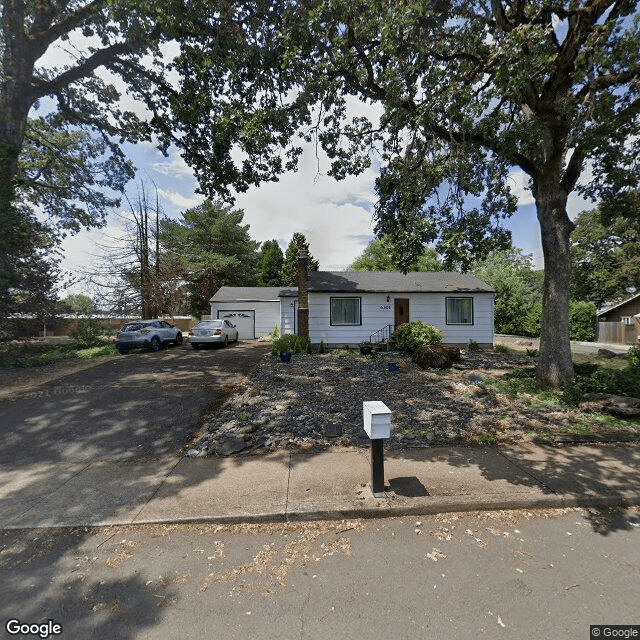
6307 SE Hull Ave, Milwaukie, OR 97267
To contact a resident: (503) 659-1754
For more information about senior living options: (866) 208-4318
Golden Heart ACH Costs & Pricing
Golden Heart Assisted Care Housing (ACH) offers a compelling value with its private room rates set at $2,000 per month, significantly lower than both Clackamas County and the broader state of Oregon, where private rooms average $3,373 and $3,424 respectively. This pricing not only makes Golden Heart ACH an attractive option for individuals seeking quality care in a comfortable environment but also reflects a commitment to affordability in senior living. By providing personalized care at such competitive rates, Golden Heart ACH ensures that residents receive essential support without placing undue financial strain on their families.
| Floor plans | Golden Heart ACH | Clackamas County | Oregon |
|---|---|---|---|
| Private | $2,000 | $3,373 | $3,424 |
Senior living communities with a similar price nearby
-
from +$200 / mo
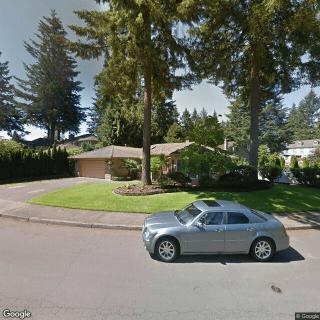
The Peace and Joy Garden
$2,200 / month17.7 miles away -
About the same

Alliance Home Health
$2,000 / month4.6 miles away -
from -$200 / mo

Love and Care ACH II
$1,800 / month4.8 miles away -
from +$219 / mo

Aegis Senior Case Management
$2,219 / month9.8 miles away -
from -$350 / mo
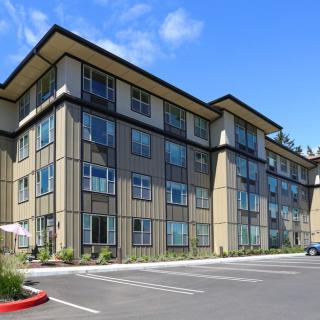
The Lofts by Cogir
$1,650 to $2,440 / month18.5 miles away
Overall Review of Golden Heart ACH
Pros
 Al Fernandez is vigilant and attentive to his mom’s health needs.
- He communicates well, coordinates with all care providers efficiently, and stays on top of all her medications.
- He replies promptly to needs or questions and lets the family know when he cannot respond immediately.
- He is truly phenomenal.
- His caregivers are loving and hardworking, and they treat residents like family.
- The home is warm and friendly.
- The nourishing meals and attentive care helped his father, with his diabetes nearly disappearing.
- It is a family-style home with live guitar music that residents enjoy.
Cons
 They had a terrible time with a different facility.
- The facility he was at fed him out of a can.
- The facility always gave him sweets for dessert, even though it was killing him.
Review
Golden Heart ACH in Milwaukie is best suited for families seeking a warm, family-style assisted living option where a loved one receives highly attentive, personalized care in a small-home setting. The community earns praise for vigilant, hands-on oversight of health needs, meticulous medication management, and a communications pipeline that keeps families in the loop. The owners’ presence on-site translates into a sense of continuity and reliability: care feels personal, proactive, and consistently responsive. For households prioritizing a home atmosphere over a clinic-like environment, this option stands out as a practical, reassuring choice.
That clarity, however, comes with important caveats. Families whose loved ones require intensive medical oversight, highly structured daily programs, or memory-care specific protocols may want to consider alternatives. Large senior living campuses with formal dementia units, robust clinical staffing, and a broader slate of on-site activities can offer more extensive medical resources and a wider breadth of dedicated services. If the priority is a highly structured, program-rich environment with readily available hospital-style services, evaluation should extend beyond this intimate setting to ensure those needs are met.
The strongest positives, the on-site owners with direct oversight, vigilant caregivers, and a commitment to clear, timely communication, effectively offset the main trade-offs of a small home. The intimate scale means staff can customize routines, adjust diets, and coordinate with external providers with speed and nuance that can be hard to sustain in larger facilities. Family members repeatedly note that care plans are well coordinated, questions are answered promptly, and medications are watched closely. In practice, that combination reduces the risk of miscommunication and caregiver gaps, creating a dependable safety net for daily living and medical milestones alike.
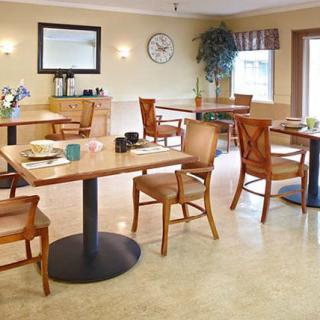
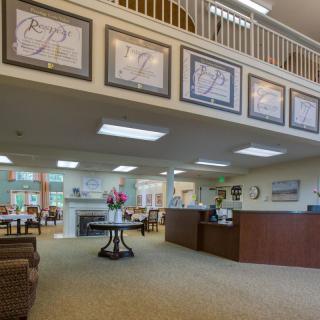
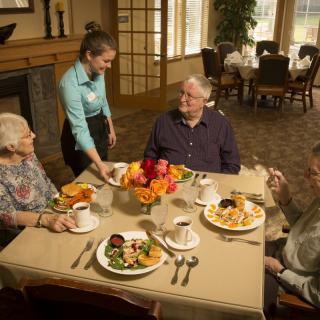
Equally important are the qualitative benefits that fill daily life with meaning. The homes tend to feel welcoming and “normal,” not institutional, with residents treated like family. The environment supports emotional well-being through familiar rhythms, comforting routines, and social touches such as regular music or guest performances, which contribute to sustained mood and engagement. Nutrition is a clear emphasis, highlighted by anecdotes of meals that both please residents and support health, including stories of better diabetes management following meals crafted with attention to dietary needs. These elements of atmosphere and daily satisfaction don’t replace clinical care, but they meaningfully offset the lack of a larger, more formal activity calendar by fostering belonging and a sense of routine.
Nonetheless, the compact, home-based model carries inherent limits. Staffing depth can fluctuate with the size of the home, and while turnover is not highlighted as a problem in the reviews, smaller teams typically require active engagement from families to ensure continuity across shifts and vacations. The most conspicuous gap approaching many families’ decision points is the absence of a dedicated memory-care wing or on-site advanced clinical resources. For loved ones with complex dementia, aggressive behavioral needs, or chronic conditions that demand continuous, hospital-level monitoring, a larger facility with specialized units will often be a better fit. Prospective residents should verify what happens after hours, how emergencies are managed when the primary caregiver is unavailable, and what kind of medical partners are readily accessible through the network.
In making a decision, families should frame questions around care continuity, staffing, and daily structure. Ask about staff-to-resident ratios across shifts, the process for updating care plans with external physicians, and how emergencies are escalated. Inquire about meal plans, dietary accommodations, and opportunities for social engagement that align with personal interests, including music, visits from loved ones, and routine activities. If comfort, personalized attention, and a home-like ambiance are the deciding factors, Golden Heart ACH offers a compelling, practical option in Milwaukie. If the priority is extensive clinical programming, dementia specialization, or a broader activity slate, alternatives with larger footprints should be explored to ensure all medical and social needs are comfortably met.
 Board and Care Home
 Private
 Private bathrooms
 Portland International (14 miles away)
 Diabetic care
 High acuity care



 Skilled Nursing Facilities vs. Nursing Homes: Making Sense of the Differences
 A Detailed Examination of Nursing Home Costs Across the U.S.
 Exploring Nonmedical Home Care: Understanding Services, Costs, and Financial Approaches