

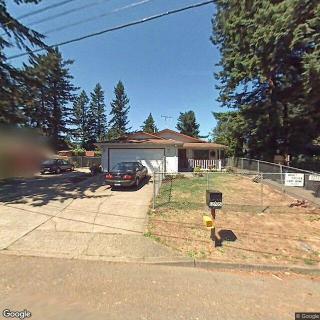
12704 SE Market St, Portland, OR 97233
To contact a resident: (503) 253-3015
For more information about senior living options: (866) 208-4318
Golden Age AFH Costs & Pricing
At Golden Age AFH, the monthly cost for a private room is set at $2,900, which presents a competitive option when compared to the broader landscape of care facilities. In Multnomah County, the average cost for similar accommodations is approximately $3,227, while the state of Oregon reflects an even higher average of $3,424. This positioning not only highlights Golden Age AFH as a more affordable choice relative to both county and statewide averages, but it also underscores our commitment to providing quality care without compromising on comfort or service.
| Floor plans | Golden Age AFH | Multnomah County | Oregon |
|---|---|---|---|
| Private | $2,900 | $3,227 | $3,424 |
Senior living communities with a similar price nearby
-
from +$100 / mo
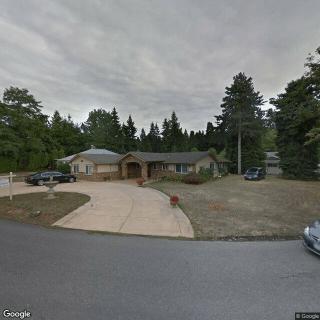
A Piece of Heaven
$3,000 / month6.8 miles away -
from -$400 / mo
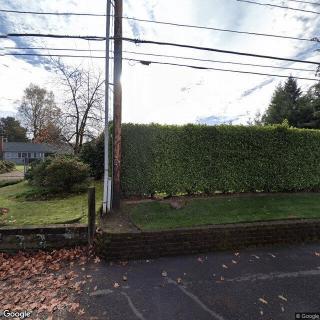
Mapleview Manor, LLC
$2,500 / month6.7 miles away -
from +$100 / mo
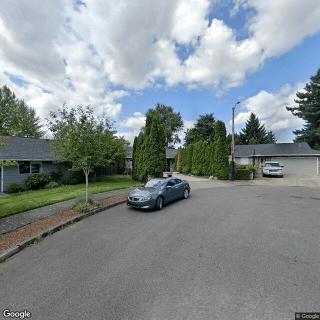
Yamhill Senior Care Home
$3,000 / month1.4 miles away -
from +$100 / mo
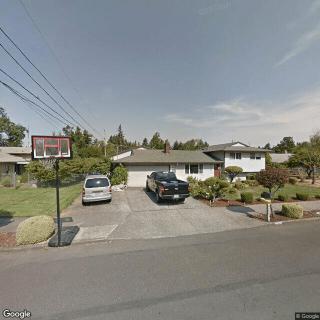
Peaceful Lighthouse Adult Care Home
$3,000 / month3.9 miles away -
from -$400 / mo
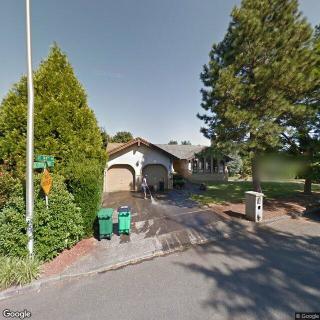
A Gentle Care Home
$2,500 / month3.4 miles away
Overall Review of Golden Age AFH
Pros
 Golden Age Living is a gift to families, with moms being well cared for in a lovely, home-like setting.
- The moms enjoy the meals, and the aroma of home cooking provides comfort during visits.
- In moms’ final days, Golden Age Living and hospice provide kind and compassionate care.
- The staff are patient, dedicated, and knowledgeable, caring for elders as if they were their own family.
- The facility feels welcoming, with warm greetings and attentive, respectful care.
- Golden Age Living offers secure supervision to prevent wandering, giving families peace of mind.
Review
Golden Age Living in Portland, Oregon is best suited for families pursuing a small, home-like assisted living environment where personal attention from long-tenured staff and a comforting atmosphere take priority. This community shines for elders who benefit from a nurturing, non-institutional setting, where meals matter and daily care feels like care given by family. It is particularly well matched to residents who need steady supervision and secure dementia-friendly features, along with hospice-supportive care in the final chapters of life. For families prioritizing warmth, predictability, and a gentler pace, Golden Age Living offers a calm, reassuring option that consistently delivers kindness and familiarity.
There are clear reasons to consider alternatives. For residents who require higher-acuity medical oversight on a day-to-day basis, or those needing a broader range of on-site clinical services and a more structured activity calendar, a larger facility may be a more fitting fit. Similarly, if the decision hinges on a highly robust social program, extensive outings, or a campus-level array of amenities, the intimate scale of Golden Age Living might feel limiting. In short, this is not the choice for someone who demands extensive 24/7 nursing coverage or a campus with dozens of staff and departments; it is the choice for residents who thrive on personal connection and a steady, homey rhythm.
The strongest pros, home-like ambiance, comforting meals, and a compassionate, patient staff, are central to the value proposition here. The reviews repeatedly highlight a setting that smells of home cooking and feels welcoming from the moment of entry, a factor that reduces anxiety for residents and peace of mind for families. The care team’s long tenure matters: consistent, knowledgeable staff who know residents well translate into attentive, anticipatory care, with staff who can recognize subtle needs and respond with genuine empathy. Hospice and end-of-life support are described as kind, compassionate, and integrated, underscoring a continuity of care that respects dignity and fosters a peaceful transition when the time comes. In this mix, the assurance of secure memory care, where wandering is addressed, adds a practical layer of safety that families seeking supervision understand and value.
Where the setup can feel limiting, metrics of care still tilt in favor of the resident’s experience because the human factors carry weight far beyond what a larger campus might offer. The intimate, low-turnover environment reduces the start-and-stop churn that can unsettle elders and families alike; this continuity reinforces trust, minimizes upheaval, and makes daily routines feel predictable and comforting. The downside risk, fewer on-site medical resources, less breadth of programming, and a quieter pace, pales compared to the enormous emotional payoff of knowing that a loved one is in a setting where staff treat her as family. For families prioritizing emotional well-being, comfort, and dignified end-of-life care, these advantages approximately offset the potential gaps in clinical depth and activity variety.
In practical terms, Golden Age Living is a strong recommendation for families oriented toward a gentle, relationship-driven model of care. Prospective residents should assess how important it is to have a secure, homey environment where meals are part of the daily joy, where staff remember a name as well as a story, and where hospice-style support feels woven into the fabric of the community. Those who must see rapid access to a wide spectrum of medical services, or who want a robust calendar of social outings and diversified therapies every week, may want to explore other options or confirm that Golden Age can partner with external providers to meet those needs. The core decision rests on whether warmth, continuity, and intimate supervision outweigh the allure of a larger clinical footprint.
Bottom line: Golden Age Living delivers a compelling, endearing value for families seeking a small, compassionate, home-like setting with dedicated staff and meaningful end-of-life support. It excels where personal connection, culinary comfort, and stable caregiving staff matter most. If those priorities align with a loved one’s needs, this community stands out as a thoughtful, capable choice. If the priority list includes high-acuity medical services, expansive on-site programming, or a bustling campus atmosphere, alternatives should be compared carefully to ensure all clinical and social needs are met.
 Board and Care Home
 Activities on-site
 Private
 Respite or short term stays offered
 Wheelchair accessible showers
 Portland International (6 miles away)
 High acuity care
 Incontinence care
 Understanding the Full Cost of 24/7 In-Home Care: A Detailed Overview
 Exploring the World of Home Health Nurses: Qualifications, Roles, and Hiring Tips
 Navigating Medicare Coverage for In-Home Care Services