
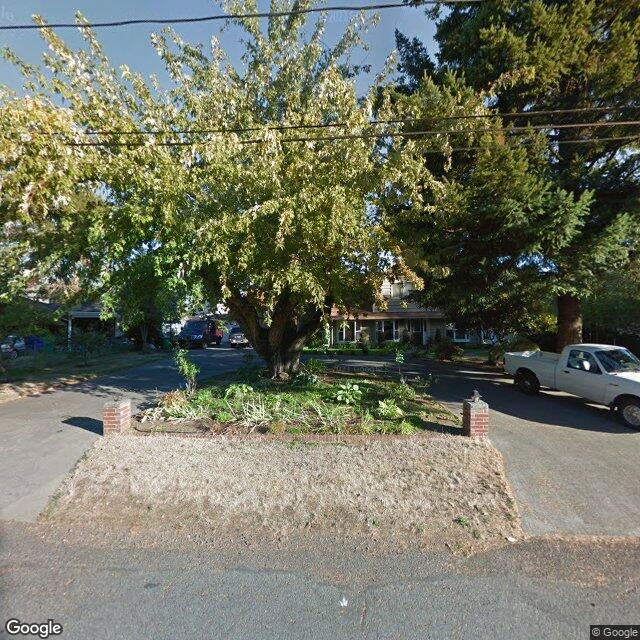
14725 SE Rhone, Portland, OR 97236
To contact a resident: (503) 760-1966
For more information about senior living options: (866) 208-4318
Emilia and Cornel Adult Foster Care Costs & Pricing
Emilia and Cornel Adult Foster Care offers a competitive monthly rate of $1,800 for private rooms, significantly lower than the average costs in both Multnomah County and the broader state of Oregon. In Multnomah County, the average cost for similar accommodations rises to approximately $3,227, while state-wide averages reach about $3,424. This pricing structure not only underscores Emilia and Cornel's commitment to affordability but also highlights the value they provide in comparison to regional standards. Families seeking quality care for their loved ones may find this option particularly appealing given the substantial savings without compromising on service quality.
| Floor plans | Emilia and Cornel Adult Foster Care | Multnomah County | Oregon |
|---|---|---|---|
| Private | $1,800 | $3,227 | $3,424 |
Senior living communities with a similar price nearby
-
from +$200 / mo

Alliance Home Health
$2,000 / month3.9 miles away -
About the same
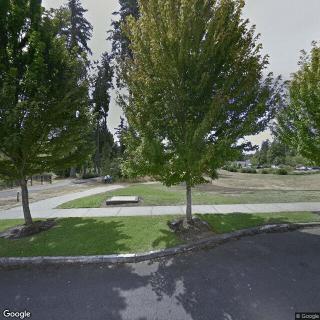
Love and Care ACH II
$1,800 / month5.2 miles away -
from -$150 / mo

The Lofts by Cogir
$1,650 to $2,440 / month11.9 miles away -
from +$349 / mo
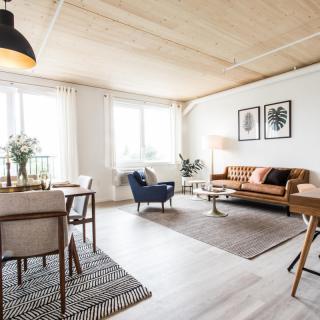
The Canyons PDX
$2,149 to $2,800 / month8.6 miles away -
About the same

Northwest Healthcare Inc
$1,770 to $2,305 / month11.5 miles away
Overall Review of Emilia and Cornel Adult Foster Care
Pros
 The staff provides attentive, patient care for seniors.
- The house is very clean and well maintained, regarded as the best on the block.
- The owners are kind and polite.
- It is a breath of fresh air in its dealings with people.
- The caregivers showed love and provided compassionate care for the mother until the end.
- The place comes highly recommended for its care and staff.
Cons
 They were not impressed with the interaction and did not pursue it.
Review
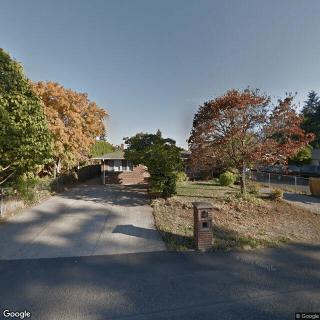
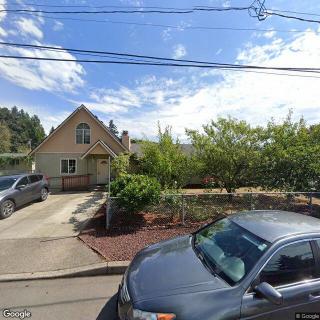
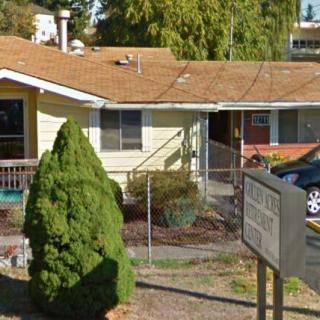
Emilia and Cornel Adult Foster Care in Portland is best suited for families seeking a small, home-like setting where a loved one can receive patient, individualized attention. The reviews portray a residence that feels intimate and well cared for, with a focus on warmth and courtesy from the caregivers and the owners. This environment suits grandparents or parents who thrive on steady, personal interactions rather than the pace of a large facility. The combination of a clean, well-maintained house and a culture of respect makes it a compelling option for anyone facing dementia challenges or end-of-life considerations where familiarity and consistent companionship matter most.
That said, certain circumstances point toward alternatives. Those who require robust medical oversight, extensive 24/7 nursing coverage, or highly structured, facility-style programming may find the home setting too small to meet evolving needs. The one quip about an unsatisfactory initial contact also suggests that inquiry experience can be uneven; for families whose first impression hinges on responsiveness, this may be a red flag. In such cases, a larger memory-care community or a professional hospice-equipped facility could deliver the predictability and formal processes that some families prioritize.
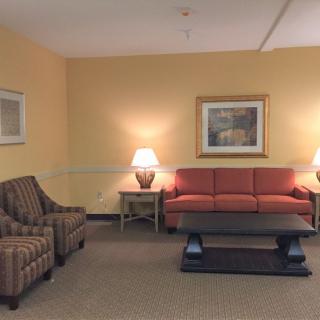
Yet the strongest positives cut directly to care quality. Staff are described as patient and attentive, with consistent kindness from caretakers who enter rooms with a reassuring presence. Cleanliness and upkeep are repeatedly highlighted, reinforcing trust in daily routines and safety. The owners come across as courteous and approachable, a dynamic that translates into steadier communication and a more collaborative caregiving plan. In a setting where the resident’s dignity is central, these advantages, personalized attention, a homelike atmosphere, and careful maintenance, tend to offset the lack of generic amenities found in larger facilities.
Several anecdotes hinge on dementia and end-of-life experiences that illustrate why this option resonates for some families. A mother with dementia and multiple strokes received compassionate care over months, with caregivers noted for the affection that showed in her eyes when they entered the room. Such warmth matters when trust and comfort are paramount, reducing agitation and preserving a sense of security. The home dynamic, shorter hallways, familiar routines, and a consistent caregiving team, appears to deliver continuity that can be hard to sustain in bigger operations. For families seeking hospice-compatible placement where love and patience are seen in daily interactions, this setting stands out.
Still, potential residents should weigh the limits against the benefits. The intimate scale can mean fewer on-site specialists and fewer formal programs, which may matter for someone who needs aggressive medical management, planned rehab, or a wide array of social activities. Prospective families should verify details during tours: staffing ratios, caregiver training in dementia care, and the system for communicating changes in health status. The initial contact caveat underscores the importance of a thorough intake process and a clear, transparent agreement before moving forward.
Overall, Emilia and Cornel Adult Foster Care offers a prudent choice for households prioritizing warmth, continuity, and compassionate dementia- or hospice-oriented care in a small, home-like setting. It excels where relationships, respect, and a nurturing environment take root, and it can be the right fit for families willing to trade breadth of services for depth of personal attention. For those seeking a larger, more medically integrated community or a program with expansive activities, alternatives should be explored. A direct visit should be used to gauge whether the home’s cadence, philosophy, and staff demeanor align with the senior’s needs and the family’s expectations.
 Board and Care Home
 Private
 Portland International (8 miles away)


 Comprehensive Guide to Blood Pressure Charts for Older Adults: Understanding Normal and High Readings by Age
 Financing Long-Term Nursing Home Care Through Social Security: A Thorough Exploration
 Essential Knowledge on Pneumonia in Older Adults