
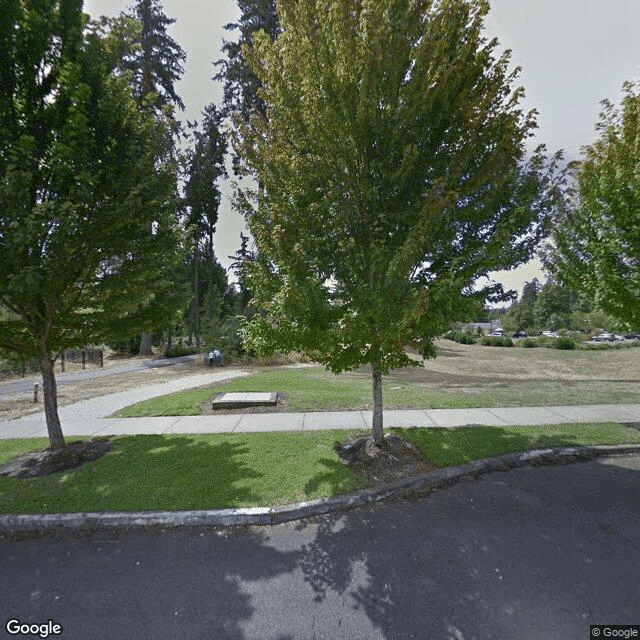
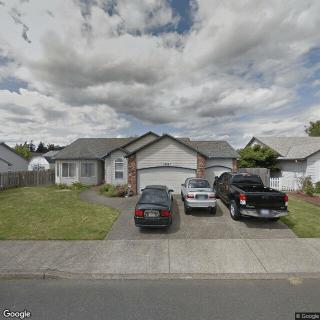
13932 SE Hines Rd., Clackamas, OR 97015
To contact a resident: (503) 558-8156
For more information about senior living options: (866) 208-4318
Love and Care ACH II Costs & Pricing
At Love and Care ACH II, the monthly cost for a private room is set at $1,800, which is significantly lower than the averages observed in Clackamas County and across Oregon. In comparison, Clackamas County's average price for a similar accommodation stands at approximately $3,373, while the statewide average reaches about $3,424. This positions Love and Care ACH II as an economically appealing option for individuals seeking quality care without compromising on comfort and privacy. The facility not only offers competitive pricing but also aligns with the needs of families looking for affordable yet compassionate assisted living solutions in the region.
| Floor plans | Love and Care ACH II | Clackamas County | Oregon |
|---|---|---|---|
| Private | $1,800 | $3,373 | $3,424 |
Senior living communities with a similar price nearby
-
from +$200 / mo

Alliance Home Health
$2,000 / month3.6 miles away -
from -$150 / mo
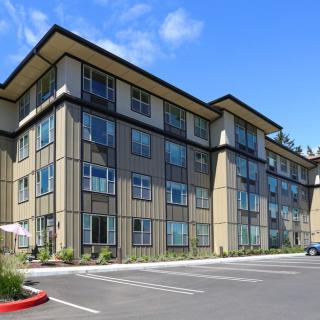
The Lofts by Cogir
$1,650 to $2,440 / month16.9 miles away -
from +$349 / mo
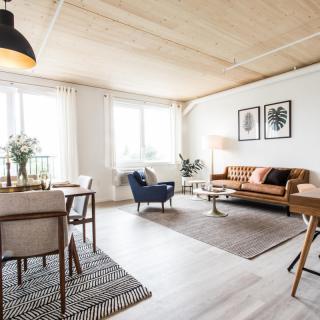
The Canyons PDX
$2,149 to $2,800 / month11.7 miles away -
About the same
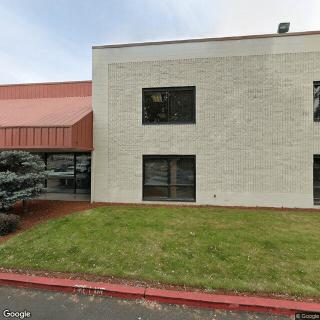
Northwest Healthcare Inc
$1,770 to $2,305 / month16.5 miles away -
from +$235 / mo
Young at Heart AFH
$2,035 to $3,995 / month17.4 miles away
Overall Review of Love and Care ACH II
Pros
 The staff provide the best care for residents and clearly love their work.
- Residents feel well cared for, and the meals are very good.
- The residents are calm and happy when visited.
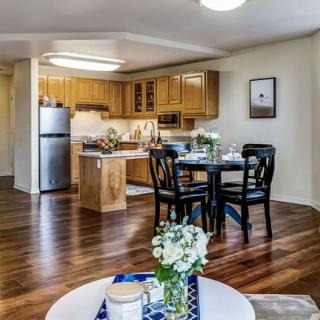
- The facility is designed with care to reflect residents' needs, with en suite bathrooms in each room.
- Meals are freshly prepared and dietary needs are addressed.
- Kristina is well informed medically and on top of all medical needs, arranging visits, medications, and related services.
- The staff treat each resident as family and communicate openly with families.
- The owners, Kristina and Adrian, make residents feel like family and are sincerely kind and compassionate.
- The home lives up to its name Love & Care and is a wonderful place for loved ones.
Review
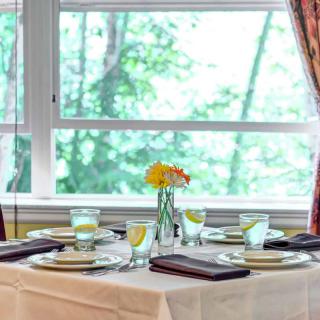
Love and Care ACH II in Clackamas, OR is best suited for families seeking a truly intimate, home-based living arrangement where residents are treated like family and caregivers operate as an extended household. The setting prioritizes comfort over corridors, with each resident enjoying an en suite room and a meticulously clean, calm environment. Food is homemade and carefully tailored to dietary needs, signaling a daily life that feels both nourishing and personal. The leadership team, Kristina and Adrien, takes a hands-on approach, coordinating primary care visits, managing medications, arranging ancillary services, and guiding families through difficult transitions, including hospice when appropriate. This is not a medical campus; it is a small, people-first home where consistent, meaningful relationships drive everyday life and peace of mind for families.
That format serves seniors who no longer want or need a hospital-like atmosphere but still require reliable medical coordination and daily supervision. Families who value privacy, quiet social moments, and transparent communication will find it well aligned with needs. However, large, multi-wing facilities with formal clinical staffing, on-site specialists, sprawling activity calendars, or highly structured memory-care programming may feel discordant here. The care model relies on Kristina’s medical knowledge and a small team rather than a full cadre of in-house clinicians, so those with high-acuity medical conditions or a requirement for constant, on-site nursing may want alternatives with a more robust clinical infrastructure.
Pros land where it matters most: residents are treated as family, and that ethos translates into calmer days, higher engagement, and dignified daily routines. Medical oversight is proactive, appointments are arranged, medications are administered, and routine needs such as podiatry and grooming are tended to without burdening families with logistics. The home’s cleanliness and the warmth of home-cooked meals, along with readily addressed dietary accommodations, contribute to a sense of well-being and safety. Communication with families is steady and sincere, reducing anxiety during illness or progression. While there is no on-site hospital-style staff, this intimate model yields rapid responsiveness and deeply personalized care that many families value above all else.
Memory care needs are handled gracefully within this smaller, social environment. Several families highlight successful experiences with dementia and Alzheimer’s care, noting that the home setting reduces disorientation and fosters meaningful interaction. The owners’ willingness to intervene personally, to counsel families, and to advocate for the resident creates a strong sense of trust and continuity. The ability to extend care from routine support to end-of-life considerations without moving the resident to a different facility is a substantial advantage, providing comfort during difficult transitions. The social atmosphere, visitors welcomed, residents engaged, translates into authentic moments and memories rather than mere, routine oversight.
Still, the tight scale imposes limits. The absence of a formal clinical team means adjustments depend on external providers and may not satisfy families seeking round-the-clock nursing coverage. The daily schedule and activities tend to be more flexible than those offered by larger communities, which can either be a benefit or a drawback depending on a resident’s need for structure. For those pursuing specialized memory-care programming or comprehensive medical oversight, alternatives may be preferable. Yet the overwhelming positives, the love, the clean, homelike environment, the homemade meals, and the sense of belonging, consistently counterbalance these potential gaps in clinical infrastructure.
Bottom line: Love and Care ACH II stands out as one of the most heartfelt, tightly run homes in Clackamas for seniors who thrive on personal attention and a genuine family atmosphere. It is ideally suited for residents who benefit from frequent caregiver contact, straightforward medical coordination, and a socially engaging, home-like setting. Those who require heavy-duty medical management, specialized memory-care programs, or the scale of a large facility should consider other options. Prospective families should schedule a visit to observe daily interactions, review how medications are handled, discuss care planning and hospice options, and confirm alignment with the resident’s values and routines. When emotional well-being and daily quality of life are the priorities, this community delivers with remarkable consistency.
 Board and Care Home
 Private
 Portland International (12 miles away)
 Diabetic care
 Urinary Tract Infections in Older Adults: Comprehensive Insights on Symptoms, Treatment, and Prevention
 California's Form 602A: An In-Depth Examination of Senior Care Assessment
 Comprehensive Look at Senior Blood Pressure Charts: Normal and Elevated Levels by Age