
13996 SE Sieben Parkway, Clackamas, OR 97015
To contact a resident: (503) 658-4313
For more information about senior living options: (866) 208-4318
Judy's Sunnyside Loving Hands Costs & Pricing
At Judy's Sunnyside Loving Hands, the monthly cost for a private room is set at $3,000, presenting a more economical option compared to the averages of both Clackamas County and the state of Oregon. In Clackamas County, the average monthly rate for a similar private accommodation stands at approximately $3,373, while the broader state average is slightly higher at around $3,424. This competitive pricing reflects Judy's commitment to providing quality care while maintaining affordability, making it an appealing choice for families seeking supportive living arrangements.
| Floor plans | Judy's Sunnyside Loving Hands | Clackamas County | Oregon |
|---|---|---|---|
| Private | $3,000 | $3,373 | $3,424 |
Senior living communities with a similar price nearby
-
About the same
A Piece of Heaven
$3,000 / month4.4 miles away -
from -$500 / mo
Mapleview Manor, LLC
$2,500 / month3.8 miles away -
About the same
Yamhill Senior Care Home
$3,000 / month6.5 miles away -
About the same
Peaceful Lighthouse Adult Care Home
$3,000 / month8.1 miles away -
from +$500 / mo
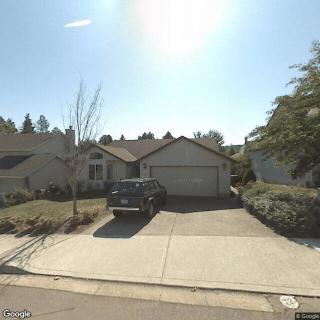
Fulga's ACH
$3,500 / month16.5 miles away
Overall Review of Judy's Sunnyside Loving Hands
Pros
 The parking lot is decent.
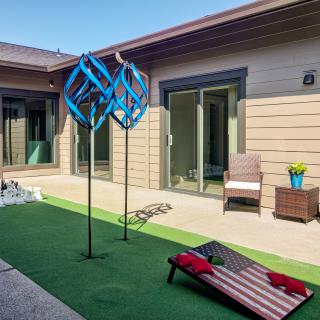
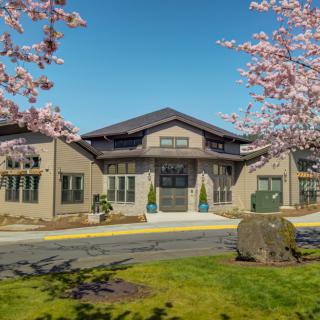
- The building is nice both inside and out.
- The site is easy to find.
- People donate blood to the Red Cross.
- It is a great place for family and friends.
- The holiday craft fair has a down-home feel.
- Visitors can purchase fresh salsa and handwoven lined gloves.
- The Grange is a family-oriented community service organization.
- It promotes patriotism, community involvement, and family values.
- There is a West Coast Swing dance held once a month.
Review
Judy's Sunnyside Loving Hands in Clackamas, OR is best suited for seniors who want a warm, community-driven setting where social life and volunteer involvement take center stage. The space reads as approachable and homey, with a parking lot that works for guests and easy-to-find signage that makes drop-ins feel welcome. It’s the kind of venue families choose when they want a low-key, neighborly atmosphere, regular events, and a place where friends and relatives can gather without the formality of a traditional care facility.
Those who should consider alternatives are families evaluating full-service senior living. If the goal is ongoing medical oversight, daily living assistance, medication management, memory care, or a licensed environment with meals, housekeeping, and transportation provided, this community is unlikely to meet those needs on its own. It isn’t described as a licensed care setting, and there’s no explicit information about on-site staff to supervise or support residents through the day. For anyone requiring structured routines and professional care around the clock, other options will likely deliver more comprehensive coverage.
The primary strengths lie in social vitality and community connection. The venue boasts a steady cadence of activities: monthly dances like West Coast Swing, craft fairs, and opportunities to purchase or enjoy handmade goods; a sense of family orientation; and a willingness to support broader community causes, as evidenced by donations to the Red Cross and other charitable events. These elements translate into meaningful engagement, reduced isolation, and a sense of purpose for residents who thrive on regular interaction, events, and the chance to contribute to a larger community. In practical terms, those needs for companionship and cultural stimulation are reliably met here.
Where the reviews reveal potential gaps, the offsetting positives are more nuanced. The most notable limitation is the absence of a clearly defined care program. Without documented meal service, housekeeping, transportation arrangements, or on-site medical oversight, this space functions best as a daytime hub or social enclave rather than a full-time residence. For seniors already independent but desiring social structure and occasional support, the offset is substantial: you gain vibrancy, belonging, and accessible activities. For anyone facing mobility challenges or requiring regular supervision, the cons begin to weigh more heavily unless supplementary care arrangements are arranged off-site.
Decision-making becomes clearer with practical steps. Families should audit personal needs against the community’s offerings: is there a reliable schedule of events that matches an elder’s interests? How accessible is the building for walkers or wheelchairs, and are there safety features like clearly marked exits and adequate lighting? It is essential to verify costs and what is included (and what is not) in any kind of day use or membership arrangement. Touring during a typical event time can illuminate how staff interact with participants, how guests are accommodated, and whether the environment feels consistently safe and welcoming. Asking current attendees or volunteers about daily routines will also clarify what life here looks like beyond the social calendar.
In summary, Judy's Sunnyside Loving Hands serves as a practical, well-regarded option for seniors seeking social immersion, family-friendly activities, and a community-centric ambiance in Clackamas. Its strengths in accessibility, warmth, and a vibrant events calendar make it a compelling daytime hub or informal gathering spot that can greatly reduce isolation. However, for families prioritizing licensed, ongoing care with daily living support, it should be viewed as a supplement or alternative rather than a stand-alone senior residence. The right decision hinges on balancing the value of social engagement and community belonging against the necessity for professional care and daily living services.
 Board and Care Home
 Activities off-site
 Bath tubs
 Beautician on-site
 Devotional services off-site
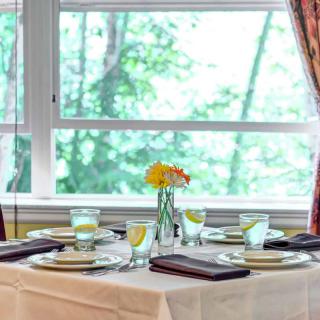
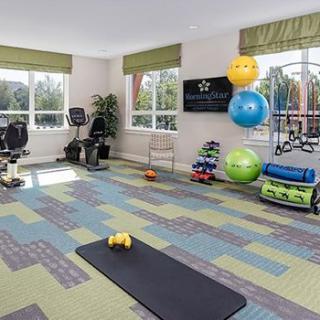
 Indoor common areas
 Outdoor common areas
 Private
 Private bathrooms
 Respite or short term stays offered
 Wheelchair accessible showers
 Portland International (12 miles away)
 Diabetic care
 High acuity care
 Incontinence care
 Kosher
 Adventist services
 Buddhist services
 Islamic services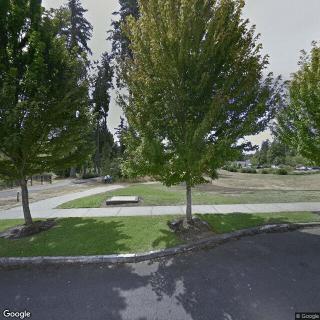
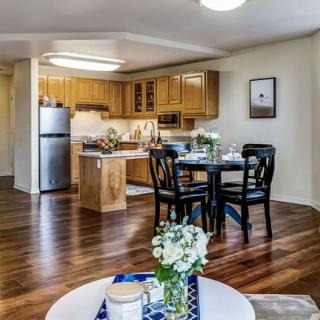
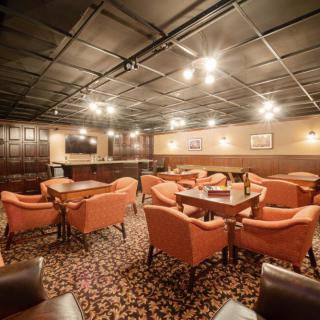
 Engaging Brain Games and Innovative Apps to Keep Senior Minds Active
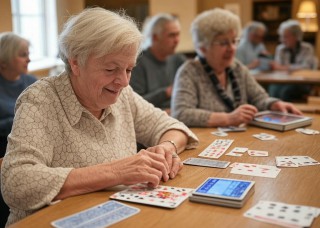 Effective Strategies for Keeping Seniors' Minds Active: A Deep Dive into Brain Games and Apps
 In-Depth Look at the VA Aid and Attendance Program