
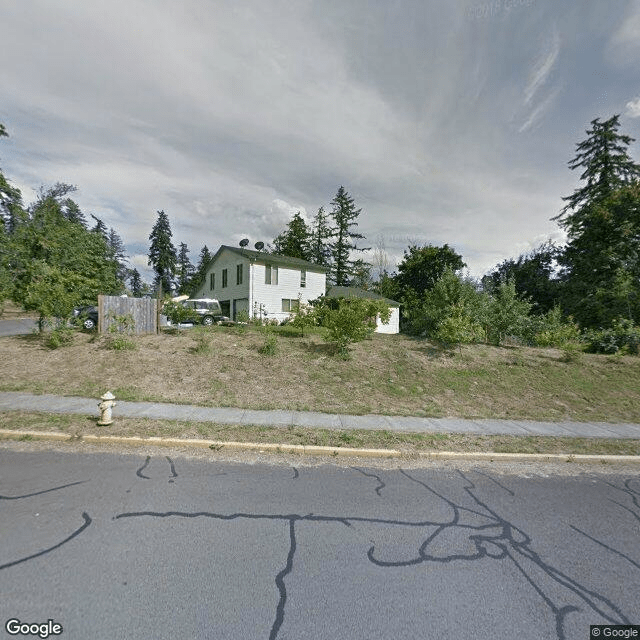
13982 SE Sieben Parkway, Clackamas, OR 97015
To contact a resident: (503) 855-3542
For more information about senior living options: (866) 208-4318
R & R Adult Care Home Costs & Pricing
At R & R Adult Care Home, the pricing structure for room types reflects a competitive edge when compared to broader market trends in Clackamas County and throughout Oregon. The cost for a semi-private room is set at $3,500 per month, which is notably more affordable than the county average of $4,848 and the state average of $4,457. Conversely, while the private room rate at R & R Adult Care Home is priced at $4,000 monthly, it exceeds both the county's average of $3,373 and the state's average of $3,424. This nuanced pricing demonstrates R & R Adult Care Home's commitment to delivering value in shared accommodations while positioning itself uniquely in the private room segment within a competitive landscape.
| Floor plans | R & R Adult Care Home | Clackamas County | Oregon |
|---|---|---|---|
| Semi-Private | $3,500 | $4,848 | $4,457 |
| Private | $4,000 | $3,373 | $3,424 |
Senior living communities with a similar price nearby
-
from +$300 / mo

The Inn at University Village
$3,800 to $7,500 / month21.4 miles away -
from -$500 / mo
A Piece of Heaven
$3,000 / month4.3 miles away -
from +$500 / mo
Oaktree Adult Care Home
$4,000 / month8.3 miles away -
from -$500 / mo
Yamhill Senior Care Home
$3,000 / month6.5 miles away -
from -$500 / mo
Peaceful Lighthouse Adult Care Home
$3,000 / month8.1 miles away
Overall Review of R & R Adult Care Home
Pros
 The caregivers at R & R are caring and compassionate.
- They treat the mom as if she were part of their own family.
- The family trusts that their mom is loved and well cared for.
- The staff demonstrates genuine dedication to the mom’s daily needs and well-being.
Cons
 It was very difficult for the reviewer to place their mother in a foster home because they do not trust people easily.
- The mother requires assistance with many daily tasks and has communication difficulties.
Review
R & R Adult Care Home in Clackamas, Oregon is best suited for families seeking a long-standing, home-like setting where daily caregiving is delivered with genuine warmth and deep personal investment. The model here is intimate and familial: owners who also serve as primary caregivers have cared for residents for years, producing a continuity of relationships that makes a loved one feel truly at home. The most compelling signal is trust built over a decade plus of close daily interaction, with a sense that the resident is treated as family rather than as a task or a checklist item. For families confronting the emotional weight of placement, this environment can offer a rare combination of stability, familiarity, and emotional reassurance.
Those who should consider alternatives are families whose loved one requires more formal medical oversight, specialized memory-care programming, or a larger, more resource-rich campus. If 24/7 nurse staffing, high-level clinical supervision, or structured activity schedules are non-negotiable, a bigger assisted living community or a dedicated memory-care facility may deliver clearer systems, more extensive on-site services, and a wider array of therapeutic programs. In short, R & R excels as a tight-knit, relationship-driven option, but it may not meet every resident’s needs when the bar for clinical credentials or social programming is very high.
The strongest pros center on the human dynamic. Caregivers who run the home are described as consistently caring and compassionate, with staff who treat residents as members of a family. The long tenure of the caregivers translates into predictable routines, personalized attention, and the ability to respond quickly to changing needs. For families wary of impersonal care settings, this is a decisive advantage: the resident’s daily life is shaped by known faces who know the resident’s preferences, communication style, and history. In a situation where trust is fragile, such relational depth is not a luxury but a foundational requirement.
These strengths offset potential tradeoffs by creating a level of peace of mind that more impersonal settings often cannot offer. The intimate scale means less bureaucracy, more flexible responses to day-to-day needs, and a caregiving culture that prioritizes relational bonds over procedural conformity. When a loved one has communication challenges or requires hands-on assistance with daily tasks, the ability to count on the same small team day after day can translate into fewer misunderstandings and quicker, more attuned care. The emotional safety net this environment provides can itself be the decisive factor for families choosing placement.
Because the available public details are centered on relationships rather than formalized program catalogs, it is reasonable to inquire about specific practicalities before committing. Prospective families should verify how medication management is handled, what medical oversight exists on a daily basis, and how emergencies are managed in the middle of the night. Observing a visit to meet the owners, watching how staff interact with residents, and asking to see a typical daily schedule can illuminate whether the home’s strengths align with the resident’s needs. These checks help ensure that the warmth and trust documented in testimonials translate into reliable, safe daily care.
Ultimately, the fit comes down to expectations about environment versus services. R & R Adult Care Home offers a rare, genuinely home-like atmosphere backed by long-tenured, caring ownership, making it an excellent choice for residents who thrive on personal connection and a family-style approach. For families prioritizing clinical intensity, formal activity programming, or a larger care ecosystem, alternatives should be explored to avoid gaps between expectations and reality. In the end, the right choice aligns the resident’s care needs with the setting that will treat them like family, every day.
 Board and Care Home
 Private
 Private bathrooms
 Wheelchair accessible showers
 Portland International (12 miles away)
 Ambulatory care
 High acuity care
 Incontinence care
 Medication management


 A Closer Look at Private Pay Home Care
 Comprehensive Approaches for Arthritis: A Detailed Guide to Symptoms, Causes, and Care
 Comprehensive Insights and Practical Strategies to Help Older Adults Avoid Falls