
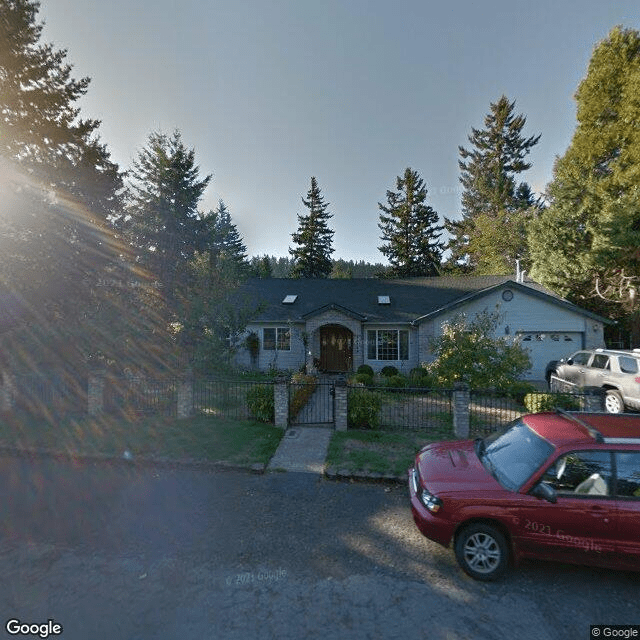
14724 SE Rhone Street, Portland, OR 97236
To contact a resident: (503) 762-3187
For more information about senior living options: (866) 208-4318
Iano's Care Home Costs & Pricing
Iano's Care Home offers competitive pricing for its private rooms, with a monthly cost of $2,600. This rate is significantly lower than the average costs in Multnomah County, which stands at $3,227, and the overall average for the state of Oregon, which is approximately $3,424. By providing a more affordable option without compromising on quality care, Iano's Care Home positions itself as an attractive alternative for families seeking personalized support in a comfortable environment. This value not only reflects the home's commitment to accessible care but also highlights its strategic alignment within the regional market dynamics.
| Floor plans | Iano's Care Home | Multnomah County | Oregon |
|---|---|---|---|
| Private | $2,600 | $3,227 | $3,424 |
Senior living communities with a similar price nearby
-
from +$400 / mo
A Piece of Heaven
$3,000 / month6.6 miles away -
from -$100 / mo

Mapleview Manor, LLC
$2,500 / month6.4 miles away -
from -$400 / mo
The Peace and Joy Garden
$2,200 / month10.0 miles away -
from +$400 / mo
Yamhill Senior Care Home
$3,000 / month1.4 miles away -
from +$400 / mo
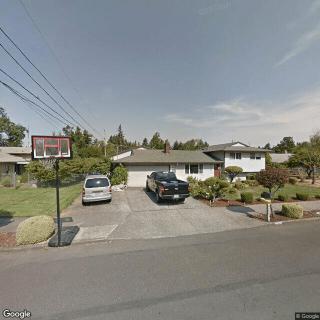
Peaceful Lighthouse Adult Care Home
$3,000 / month3.6 miles away
Overall Review of Iano's Care Home
Pros
 Her mother has received compassionate and kind care for almost three years.
- The caregivers are excellent.
Review
This community in Portland, Iano’s Care Home, is best suited for older adults who value a small, home-like setting where care-giving is personal, compassionate, and consistently attentive. The standout message from residents’ families is the warmth and kindness of the caregivers, reflected in almost three years of uninterrupted service to a single family member in one case. With a high overall rating of 4.7 from a small but positive pool of reviews, this option appeals to families seeking stability, steady caregiver relationships, and a sense that their loved one is known and listened to on a daily basis.
At the same time, potential residents and their families should explicitly consider alternatives when the care needs trend toward highly medicalized oversight or specialized programming. Larger assisted living campuses, facilities with on-site medical clinics, or dedicated memory-care environments can offer more structured treatment teams, regular on-site physicians, and a broader slate of organized activities. If the goal is frequent professional clinical intervention, more comprehensive nursing coverage, or a facility with extensive memory-care protocols, those options may deliver a level of service that a small home setting cannot guarantee.
The strongest pros here are the caregivers themselves: compassionate, kind, and excellent in their daily work. That level of person-centered attention translates into reliable routines, responsive support, and a sense of security for families who want their loved one to thrive in a familiar, respectful environment. The three-year arc of care in particular signals low staff turnover and a cultivated trust between caregivers and families. When consistency matters, meal planning, bedtime routines, and monitoring of daily needs, these attributes become a meaningful value proposition that can offset the absence of a larger clinical footprint.
Another key advantage is the intimate, home-like atmosphere that accompanies such care. Residents often benefit from quieter days, fewer transitions, and more individualized attention than is typical in bigger communities. The combination of warmth, steady staffing, and a proven track record within the same home environment can translate into meaningful peace of mind for relatives who cannot be present every moment but want to feel confident in the daily care their loved one receives. In practical terms, this means more predictable interactions, familiarity with routines, and a sense of belonging that can reduce stress for both residents and families.
Despite the strong positives, there are legitimate caveats to weigh. The most visible potential drawbacks relate to the scale and scope of services: limited information about on-site medical staffing, limited public data on program breadth, and an absence of explicit details about specialized memory-support options. The small sample of reviews also means the true breadth of experiences remains imperfectly known. Cost transparency, care-plan customization, and the availability of on-call professionals are practical questions that deserve direct answers during tours and in formal conversations with the administrator.
In the end, Iano’s Care Home should be a top consideration for families prioritizing warmth, consistency, and a caregiver-led approach in a small, home-like setting. It is a particularly strong fit for residents who do not require intensive, round-the-clock clinical oversight and who thrive on predictable routines and deep, personal relationships with caregivers. Those with complex medical needs, a demand for robust on-site medical services, or specialized memory-care programming should plan to compare this option against larger facilities. Thoughtful due-diligence, site visits, explicit questions about staffing ratios, care-planning processes, and the availability of medical support, will determine whether this community aligns with the resident’s needs and the family’s expectations.
 Board and Care Home
 Activities off-site
 Beautician on-site
 Devotional services off-site
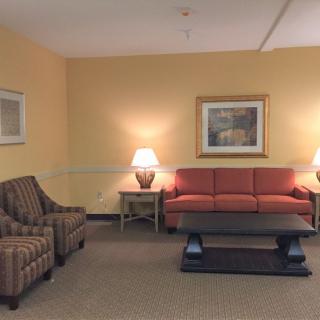
 Indoor common areas
 Outdoor common areas
 Private
 Private bathrooms
 Wheelchair accessible showers
 Portland International (8 miles away)
 Ambulatory care
 Diabetic care
 High acuity care
 Incontinence care
 Kosher
 Adventist services
 Buddhist services
 Islamic services




 Understanding the Nuances of Palliative Care and Hospice: A Comprehensive Exploration
 Is In-Home Healthcare Tax Deductible? Your Comprehensive Guide
 Nurturing Well-Being Through Gardening: A Detailed Guide for Senior Enthusiasts