
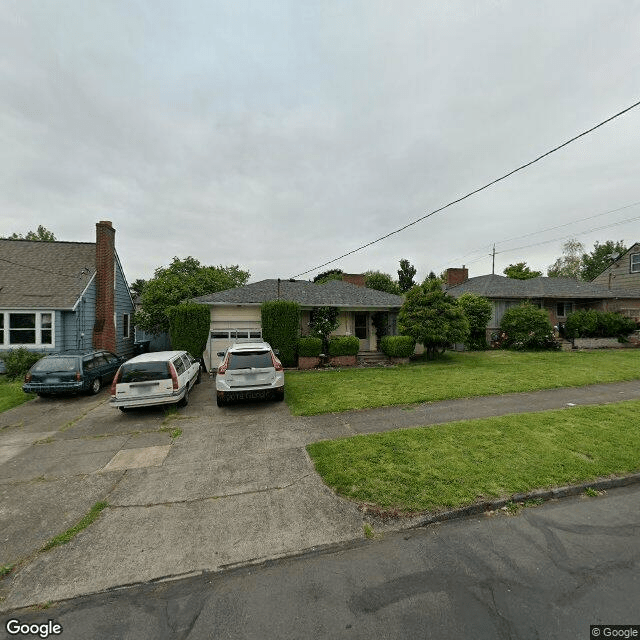
35 SE 86th Ave, Portland, OR 97216
To contact a resident: (503) 257-3486
For more information about senior living options: (866) 208-4318
Overall Review of Chis AFH Care
Pros
 Heritage House is warm and welcoming.
- Jenilee and Mark are professional, caring, and authentic.
- The staff makes residents feel they are in good hands and receive appropriate care for this life stage.
- The dog and cat provide additional comfort to residents.
- The room is sunny with a glass door to the outdoors, feeling open rather than stuffy.
- The reviewer would definitely recommend Heritage House.
Review
This community is best suited for families seeking a small, home-like environment in Portland where care feels intensely personal, hands-on, and warmly attentive. The reviewer describes a space that lands with a sense of warmth and welcome from the first contact, a setting that feels more like a family member’s home than a facility. Key signals are a strong focus on authentic, professional caregiving, staff who are proactive and caring, and an environment that leans into comfort and familiarity rather than formality. The presence of a pet-friendly atmosphere, a dog and cat providing emotional reassurance, along with bright, sunny rooms and easy outdoor access, all point to daily living that emphasizes mood, companionship, and human connection as core elements of quality care.
Yet, the community may not be the best fit for every family. Those needing robust, round-the-clock medical oversight in a larger, more resource-rich campus should consider alternatives. The small-operation vibe, while a strength for intimacy and responsiveness, can translate to fewer on-site resources and fewer programmatic options that some residents expect. Families who require highly structured schedules, extensive on-site medical services, or broad activity calendars common to bigger campuses may find the fit tighter than desired. Additionally, the visiting hours are set with flexibility in mind, which is a positive for many, but it requires proactive planning to align with care needs and family routines.
The strongest pros in this narrative center on the quality of caregiving and the emotional climate. Caregivers are described as professional, caring, and authentic, with staff members taking a highly attentive approach and offering thoughtful suggestions to support the resident’s well-being. The assertion of delivering “the highest level of care” carries weight for families prioritizing responsiveness and personalized attention. This level of engagement often translates into quicker problem-solving, smoother daily routines, and a sense that the resident is truly known and valued. In a setting that prioritizes warmth, such caregiver dynamics can be the difference between daily comfort and ongoing stress for both resident and family.
Equally compelling is the home-like, pet-friendly ambiance that surfaces as a meaningful differentiator. The presence of a dog and cat reduces loneliness and contributes to emotional stability, while the sunny room with outdoor access keeps the resident connected to the outer world without feeling confined. The staff’s habit of guiding residents outside onto the porch on pleasant days reinforces a rhythm of outdoor time that supports mood, appetite, and engagement. These features matter, because for many seniors, the texture of daily life, who is with them, what smells and sounds they encounter, and whether there is companionship, can outweigh more formal programming in terms of overall satisfaction and wellbeing.
Ultimately, the decision hinges on balancing the intimate strength of the caregiving environment against the practical realities of scale. The pros, genuine attentiveness, high-level care, a warm, pet-friendly home atmosphere, and frequent outdoor time, tend to offset the main tradeoffs when a family’s priority is a close-knit, low-stress living experience. When the resident thrives on routine that feels like family support, and when companionship and ease of access matter more than a full slate of campus amenities, this setting delivers. For residents whose needs escalate beyond what a small home-like operation typically sustains, though, prepared families will want to compare with larger homes that offer broader medical services and more extensive activity programming.
For families evaluating CHIS AFH Care, the practical next steps are clear. Inquire about caregiver assignments and coverage patterns to ensure consistency, confirm the exact visiting-hour policies and any exceptions, and explore how pet policies align with the resident’s preferences and medical needs. Ask about the availability of on-site medical support, medication management, and coordination with external healthcare providers. Investigate the daily routine, including meal service, activity options, and opportunities for outdoor time, to gauge whether the environment will sustain engagement long-term. If warmth, intimate attention, and a home-like atmosphere top the list, this option stands out as a compelling, trustworthy choice; if broader medical stamina and a richer activity slate are non-negotiable, it warrants comparing against larger communities.
 Board and Care Home
 Portland International (5 miles away)




 6 Crucial Ways an Elder Law Attorney Assists Families
 Navigating the Tax Landscape of Caregiving: Credits, Deductions, and Beyond
 Highly Beneficial Low-Impact Exercises for Senior Living Residents