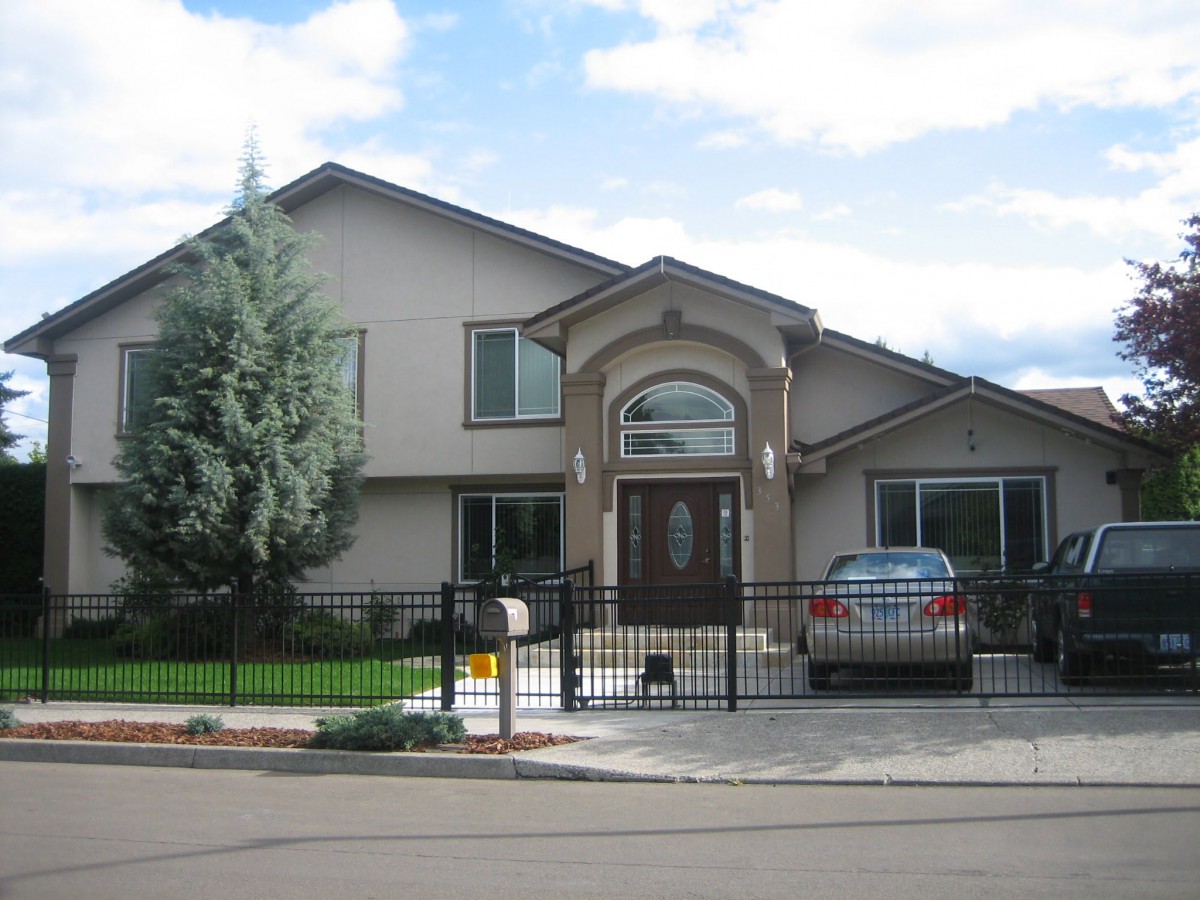
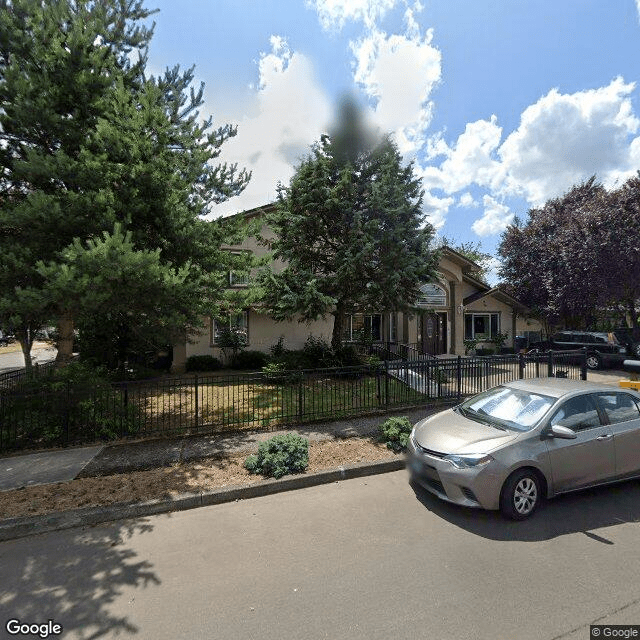
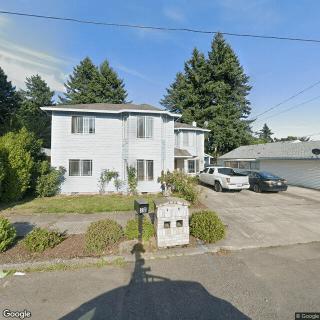
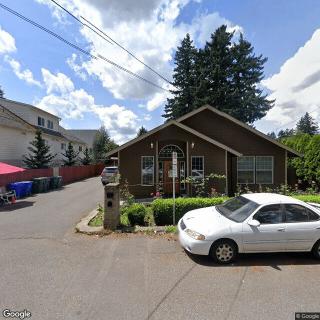
353 Southeast Ankeny Circle, Portland, OR 97233
To contact a resident: (503) 760-1812
For more information about senior living options: (866) 208-4318
Ankeny Care Home Costs & Pricing
Ankeny Care Home offers private room accommodations at a monthly cost of $3,500. This price is slightly higher than the average for Multnomah County, which stands at $3,227, and also exceeds the statewide average of $3,424 in Oregon. While Ankeny Care Home may be positioned at a premium compared to its local and state competitors, it's essential to consider the quality of care and unique amenities that might justify this investment. Residents can expect personalized services and a nurturing environment tailored to their needs, potentially making it a worthwhile option for those seeking enhanced care experiences.
| Floor plans | Ankeny Care Home | Multnomah County | Oregon |
|---|---|---|---|
| Private | $3,500 | $3,227 | $3,424 |
Senior living communities with a similar price nearby
-
from +$300 / mo
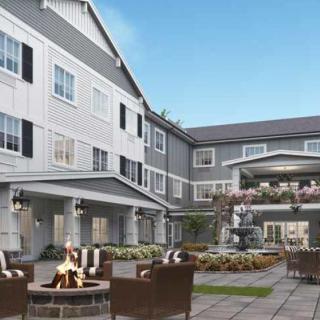
The Inn at University Village
$3,800 to $7,500 / month15.3 miles away -
from -$500 / mo
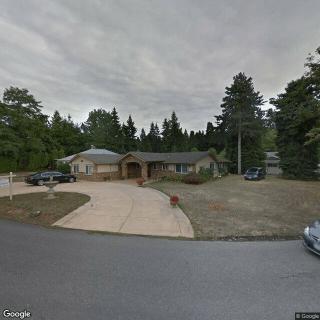
A Piece of Heaven
$3,000 / month8.1 miles away -
from +$500 / mo
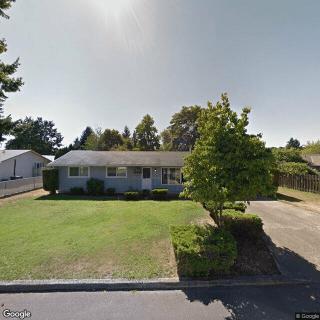
Oaktree Adult Care Home
$4,000 / month14.3 miles away -
from -$500 / mo
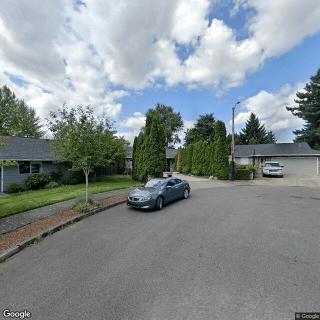
Yamhill Senior Care Home
$3,000 / month0.3 miles away -
from -$500 / mo
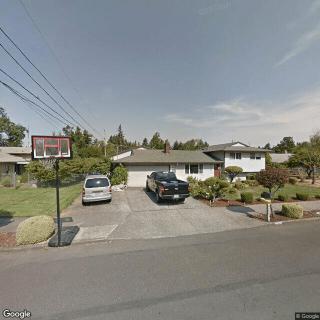
Peaceful Lighthouse Adult Care Home
$3,000 / month2.3 miles away
Overall Review of Ankeny Care Home
Pros
 Ankeny Care Home is described as a great place.
- The facility is very clean.
- The staff communicates very well.
- It feels like a foster care home where mom is well cared for.
- Everything is going great with mom at Ankeny Care Home.
Cons
 It is like a foster care home.
- She is unable to participate in any of the activities.
Review
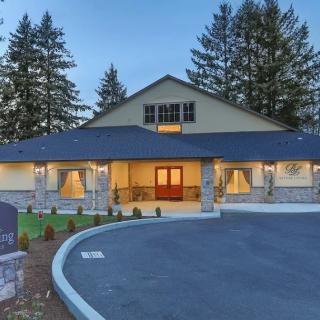
Ankeny Care Home in Portland is best suited for families seeking a small, home-like setting where a loved one can receive steady, hands-on care with a strong emphasis on daily oversight and a clean, orderly environment. This community operates more like a foster-care-style arrangement than a traditional large-assisted-living campus, which translates into intimate, attentive staffing and a level of personal connection that can be deeply reassuring for seniors who require consistent supervision. It is especially well-matched for residents with advanced memory loss whose families prioritize trustworthy caregiving, clear communication, and a setting that feels less institutional and more like a caregiver-supported home.
Those who may want to consider alternatives include families looking for robust, program-rich social engagement or extensive clinical services on-site. If a resident craves a wide array of daily activities, structured cognitive or recreational programming, or on-site rehabilitation therapies, this smaller setting may feel limited. Similarly, if medical complexity requires frequent, highly specialized oversight, affiliations with multiple on-site healthcare professionals, therapy teams, or rapid responses to acute needs, the absence of a larger clinical footprint could be a drawback. For families seeking a large campus with abundant amenities, more formalized care tiers, or expansive mobility support, other options will likely fit better.
The strongest pros here, remarkable cleanliness, dependable communication, and a genuine, caring staff, play directly against the primary concern of a smaller operation: activity variety. The environment’s home-like, foster-care vibe supports day-to-day safety and peace of mind, which matters most for a loved one in the late stages of dementia or Alzheimer’s. When staff are consistently attentive and transparent with family updates, the ongoing reassurance can offset a comparatively modest activity calendar. In practice, the priority is ensuring comfort, safety, and predictable routines; in that light, the clean, well-managed setting and steady caregiver engagement become compelling compensations for limited programming.
A practical evaluation lens centers on daily realities rather than aspirational facilities. Visitors should probe whether staffing levels align with resident needs, how care plans are crafted and updated, and the specific routines that govern memory-care support. Key questions include: what is the staff-to-resident ratio across day and evening shifts; how are wandering, medication, and safety concerns managed; and what are the processes for family communication and care planning updates. Additionally, understanding the scope of activities offered, and how those activities are adapted for residents with limited participation, helps determine whether the environment will stay engaging without compromising safety. These specifics will reveal whether the pros truly fit the resident’s care trajectory.
In the end, Ankeny Care Home stands out for families prioritizing a warm, transparent, and clean setting where caregivers form meaningful, dependable relationships with residents. It is a strong choice for late-stage dementia care when the goal is constant supervision, personalized attention, and a non-institutional atmosphere that feels like home. Those who want a broader spectrum of social programming, more on-site medical resources, or a larger, more amenity-rich campus should deliberately compare alternatives. A focused visit, direct conversations with care staff, and conversations with current families will provide a clear read on whether this setting will meet the specific needs and expectations of the loved one.
 Board and Care Home
 Activities off-site
 Beautician on-site
 Devotional services off-site
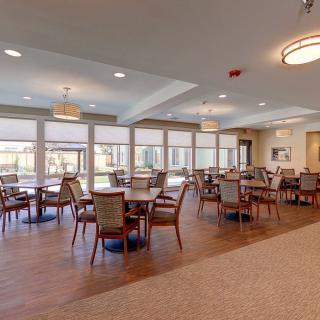
 Indoor common areas
 Outdoor common areas
 Private
 Private bathrooms
 Respite or short term stays offered
 Wheelchair accessible showers
 Portland International (7 miles away)
 Diabetic care
 High acuity care
 Incontinence care
 Medication management
 Kosher
 Christian services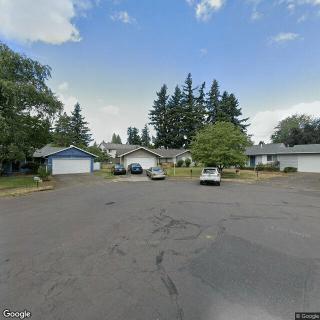

 California's Form 602A: An In-Depth Examination of Senior Care Assessment
 Comprehensive Look at Senior Blood Pressure Charts: Normal and Elevated Levels by Age
 Top Canine Companions for Older Adults