
842 SE 1st Avenue, Ontario, OR 97914
To contact a resident: (541) 889-5336
For more information about senior living options: (866) 208-4318
Overall Review of Addus Home Care of Ontario, OR
Pros
 They had great services and would always send in another caregiver to fill in when one wasn’t available.
- They are truly an amazing company.
- They have the best caregivers, and the care for the mother with dementia was taken care of so well.
- Addus was always willing to work with clients’ schedules.
Cons
 The caregiver Addus sent had multiple personalities and an evil side.
- There was a four-day wait for a replacement caregiver.
- The reviewer found their own caregiver via Carina instead of using Addus.
- The new caregiver had her own provider number and did not have to go through Addus.
- The reviewer concluded that Addus is gone.
- The reviewer gave Addus a poor rating (2/5) when it should have been a 1.
- The reviewer describes Addus as an awful in-home health care agency with rude, condescending, and substandard staff.
- The reviewer accuses Addus of discrimination and a "my way or the highway" attitude toward clients.
- The reviewer regards Kay as among the worst and says she is in charge of all their clients.
- The reviewer says Kay did not inform them that they needed to call.
Review
Addus Home Care of Ontario, OR is best suited for families seeking in-home support with a flexible caregiver pool and a willingness to actively manage scheduling. It suits households that can tolerate some turnover and are prepared to oversee care coordination to keep a routine intact, especially when dementia-capable caregivers are available and responsive. For clients who insist on a single, consistently assigned caregiver every day and demand an unbroken, alarm-free schedule, alternatives should be considered. The agency can deliver solid caregiving when staffing is stable, but the realities of substitute coverage and administrative hiccups mean this is not a fit for those who won’t or can’t supervise the process closely.
Customer experiences span a wide arc. On the positive side, several families report strong, skilled caregivers and a genuine willingness to accommodate scheduling needs, with replacements provided when a regular caregiver is unavailable. The responsiveness of the agency to fill in gaps is repeatedly cited as a practical strength, and for clients with dementia, caregivers who are both capable and compatible have made meaningful differences. Yet the flip side is real and persistent: some reviewers describe rude or substandard interactions, and others allege difficulties in caregiver matching and communication. A few accounts even raise concerns about management style and accountability, underscoring that the experience hinges on who is assigned to the case and how concerns are addressed.
Those dynamics matter because the main pros, capable caregivers when available, and a problem-solving approach to coverage, can offset the downsides only to a point. The ability to field substitutes quickly can prevent lapses in care, which is essential when a loved one depends on consistent attention. However, when substitutes are untrained, when a caregiver’s approach feels condescending, or when lines of communication break down, the overall experience suffers. In short, the strengths can be meaningful in day-to-day care, but the weaknesses have a way of amplifying if turnover spikes or if expectations around reliability and respect aren’t met consistently.
Families evaluating Addus should come prepared with a concrete plan to safeguard continuity. Inquire about how many backups are truly available, the time it takes to deploy a substitute, and whether substitutes are vetted to match a family’s care needs, especially for dementia. Seek a clear point of contact who will stay engaged, and request a written service plan that outlines backup coverage, escalation steps, and performance benchmarks. Ask whether caregivers are employees of the agency or independent contractors, and verify the billing and scheduling process to avoid miscommunications. Consider a short trial period with a defined review points to assess fit, communication quality, and whether coverage meets the household’s routine demands.
The rating mix, three five-star, one three-star, one two-star, one one-star, reflects a field of highly variable experiences. Half of the reviews praise strong caregivers and flexible scheduling, while the rest flag inconsistencies in staffing, perceived judgmental behavior, and gaps in communication. This divergence is not cosmetic; it signals real risk for families who must count on reliable, respectful care day after day. Ontario households should interpret these signals as a cue to conduct rigorous vetting and to demand a robust written plan before commitment, rather than assuming a baseline level of service.
In the end, Addus can be a pragmatic choice for families in Ontario who value adaptability and are willing to drive the coordination curve. For those who prize steadiness, predictable daily care, and a uniformly positive interpersonal tone from every caregiver and administrator, alternatives may offer a safer bet. A disciplined procurement approach, clear expectations, a strong backup policy, and concrete performance milestones, will determine whether Addus delivers consistent value or becomes a source of ongoing frustration. The decision hinges on tolerance for scheduling maneuvering, the importance placed on ongoing caregiver compatibility, and the confidence that administration will respond decisively when issues arise.









 Exploring Nonmedical Home Care: Understanding Services, Costs, and Financial Approaches
 Engaging Brain Games and Innovative Apps to Keep Senior Minds Active
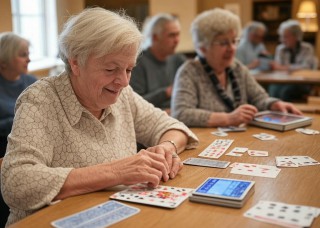 Effective Strategies for Keeping Seniors' Minds Active: A Deep Dive into Brain Games and Apps