

281 Sunset Drive, Ontario, OR 97914
For more information about senior living options: (866) 208-4318
Overall Review of Sunset Estates
Pros
 Sunset Estates is described as a blessing, offering compassionate, patient memory care and supportive guidance for families.
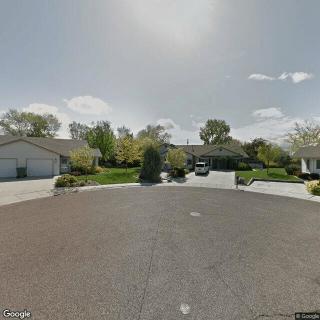
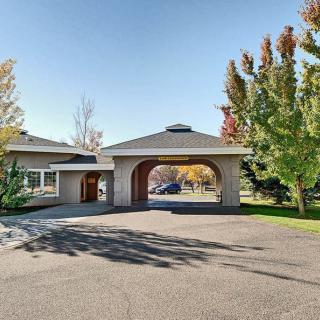
- The facility is not large and provides a clean, homey atmosphere that helps residents feel at ease.
- The staff are consistently kind, attentive, and professional, making loved ones feel safe and cared for.
- Residents are treated with warmth and respect, with staff often referring to them by name, which feels personal.
- Rooms can be personalized with familiar furnishings and photos, creating a true home-like setting.
- Communication is excellent, with families kept updated on changes and care plans.
- The activities program is engaging and inclusive, inviting family participation and enjoyable events.
- Overall, the care improves quality of life for residents with dementia and brings comfort to families.
Cons
 The review claims severe neglect and physical/psychological abuse of residents, with administration not following safety regulations.
- It asserts there is no accountability for employees and that the facility doesn’t seem to know what it’s doing.
- It alleges the Activities Director improperly booked entertainment, led to invoicing disputes, solicited donations, and that management threatened legal action.
- It states that some positive reviews were left by fake accounts.
Review
Sunset Estates in Ontario, Oregon is best suited for families seeking a memory-care environment that feels like a small, intimate home rather than a hospital-like campus. It excels for loved ones with dementia who respond to patient, individualized attention, where staff know residents by name, and where caregivers value transparent, ongoing communication. This community shines when families want a setting with a warm culture, easy access to staff, and meaningful engagement that includes residents in activities and social events. It is especially well-matched for those who prioritize a connected, family-like atmosphere over expansive programming or clinical intensity. For families craving a place that can blend compassionate daily care with genuine personal warmth, Sunset Estates is a compelling choice.
There are clear reasons to consider alternatives. Those whose loved ones require intensive medical supervision around the clock, highly specialized behavioral management beyond what a small staff can safely provide, or a more hospital-grade environment with robust security and medical oversight may fare better elsewhere. A vocal subset of reviewers raises serious red flags about neglect and safety concerns, suggesting that prospective residents with complex risk profiles or those who demand rigorous regulatory assurances should verify current practices in person. In short, Sunset Estates is not the default pick for every memory-care challenge, and families should be prepared to explore other options if a higher level of medical infrastructure or stringent safety governance is nonnegotiable.
The strongest pros, cleanliness, a homey atmosphere, and staff who feel like family, often offset the most common drawbacks. Families repeatedly describe a setting that is not oversized, where residents are treated with respect, and where caregivers cultivate authentic connections. The environment supports personalization of living spaces, enabling comfort through familiar furnishings and photos, which in turn enhances mood and sense of belonging. Regular communication with families stands out as a core strength, reducing anxiety about changes in care and allowing relatives to participate in decisions as needed. The combination of attentive staff, a calm, resident-centered routine, and opportunities for family-inclusive activities creates a durable buffer against the very challenges memory care presents.
Yet the reality is not uniformly pristine. While the positive consensus is strong, a small subset of reviews voices serious concerns about neglect and potential safety violations, casting doubt on the reliability of care in the most demanding moments. That tension matters in decision-making: it signals the need for thorough, firsthand Due Diligence. Prospective families should press hard on questions about staff-to-resident ratios, supervision of aides, incident reporting, and how safety and infection-control practices translate into daily care. Visiting in person, requesting recent care plans, and speaking with multiple frontline caregivers can reveal how consistently the home-like charm translates into steady, dependable care on any given day.
For families moving through a decision framework, Sunset Estates offers a clear path. Begin by touring and observing whether the cadence of the day , meals, activities, rest periods, and quiet times , preserves dignity while stimulating engagement. Inquire about how staff handle agitation or frustration, what specific memory-care programs exist, and how progress or changes in condition are communicated to families. Seek concrete details on room options, personalization allowances, and the degree to which family participation is encouraged and facilitated. Also, verify references with current families and ex-residents regarding responsiveness, respect, and how well the facility maintains safety without sacrificing warmth. The facility’s emphasis on a home-forward culture and family inclusion should be validated against practical daily operations.
Ultimately, Sunset Estates earns a strong endorsement for families prioritizing a warm, engaged, and communicative memory-care home. It is a compelling choice for those who value staff consistency, a manageable size that preserves a sense of community, and a culture that treats residents like individuals rather than numbers. The best-fit scenarios involve dementia care needs met with patience, clear communication, and an atmosphere where family involvement is welcomed and facilitated. For caregivers who must balance ongoing oversight with a preference for a less clinical vibe, Sunset Estates delivers proven strengths that can translate into real peace of mind. However, vigilance remains essential: ensure current practices align with expectations, and confirm that safety and medical needs can be met at the level required before committing.
 16 resident community capacity
 Assisted Living
 Board and Care Home
 Memory Care
 Cable or satellite TV
 Dining room
 Fully furnished
 Garden
 Housekeeping services
 Move-in coordination
 Outdoor space
 Telephone
 Wi-Fi/high-speed internet available
 24-hour supervision
 Activities of daily living assistance
 Assistance with bathing
 Assistance with dressing
 Assistance with transfers
 Diabetes diet
 Hospice waiver
 Meal preparation and service
 Medication management
 Mental wellness program
 Special dietary restrictions
 Transportation arrangement (medical)
 Transportation to doctors appointments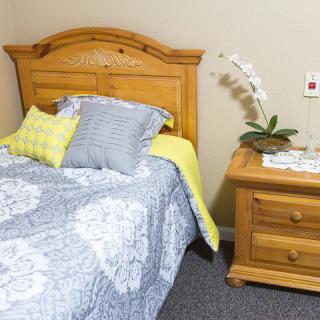





 Understanding the Distinctions: Assisted Living and Memory Care Explained
 How to Communicate with a Loved One Living with Dementia: 10 Supportive Strategies
 Comprehensive Guide to VA Nursing Homes: A Crucial Long-Term Care Resource for Veterans