
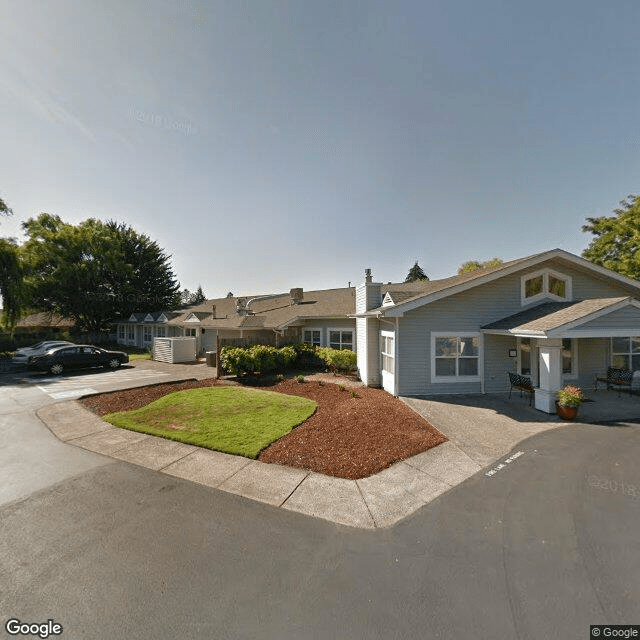
1307 North College, Newberg, OR 97132
For more information about senior living options: (866) 208-4318
Willow Place Costs & Pricing
Willow Place offers competitive pricing for its accommodations when compared to the broader market in Yamhill County and the state of Oregon. For a studio, residents can expect to pay between $2,950 and $7,500 per month, which is notably lower than the county average of $4,837 and the state average of $3,815. This suggests that Willow Place provides flexible pricing options that may cater to a range of budgets. Likewise, the one-bedroom apartments are priced at $3,350, which is slightly below both the county's average of $4,069 and Oregon's average of $3,904. Overall, Willow Place presents an attractive option for prospective residents seeking quality housing within their financial means.
| Floor plans | Willow Place | Yamhill County | Oregon |
|---|---|---|---|
| Studio | $2,950 to $7,500 | $4,837 | $3,815 |
| 1 Bedroom | $3,350 | $4,069 | $3,904 |
Memory care communities with a similar price nearby
-
from -$450 / mo
A Gentle Care Home
$2,500 / month24.7 miles away -
from +$550 / mo

Northwest Home Health
$3,500 to $3,700 / month21.2 miles away -
About the same

Rivercrest Adult Care
$3,000 to $3,700 / month18.5 miles away -
from +$550 / mo
Blue Sky Adult Care Home
$3,500 / month14.5 miles away -
from +$150 / mo

Golden Gate Home Care
$3,100 / month12.1 miles away
Overall Review of Willow Place
Pros
 Willow Place has been a wonderful experience for her mother.
- The staff at Willow Place are very caring.
- Becky, the director, is always available to address concerns.
- Since moving to Willow Place, she is thriving.
- The aunt of a resident at Willow Place has never been happier and has received better care.
- Becky is the manager and is always available to answer questions.
Cons
 The mother was not doing well emotionally after rehab.
- The workplace is described as bad, with NOC shift med techs and caregivers required to do heavy cleaning in addition to their regular duties.
- The director refuses to deal with issues.
- There is no differential pay for NOC shifts despite the extra cleaning duties.
- There is a lack of privacy; staff look into other staff's drawers and paystub envelopes were ripped open.
Review
Willow Place in Newberg, OR is best suited for seniors who want a warm, family-like community where caregivers are genuinely attentive and leadership is accessible. The accounts of residents moving in and thriving point to a setting that emphasizes daily social engagement and emotional well-being. A mother who recovered emotionally after rehab found herself dining with staff and neighbors, participating in conversations, and simply feeling more connected. In practical terms, this is a place where the day-to-day atmosphere matters: staff who know residents, a dining room that doubles as a social hub, and a vibe of care that seems to translate into real improvements in mood and participation. For families seeking visible warmth and dependable, person-centered attention, Willow Place delivers on those expectations.
That said, Willow Place may not be the right fit for everyone. Families who prioritize ironclad privacy, transparent HR practices, and clearly defined staff roles will want to scrutinize the operational realities. One recurring concern from staff perspectives involves heavy non-care tasks being shouldered by NOC shift med techs and caregivers, housekeeping, cleaning, and other duties that go beyond traditional caregiving. If the culture of accountability around pay, privacy, and issue resolution matters, this community will require careful vetting. The mixed signals about management responsiveness, some residents praising Becky, others noting a director who reportedly declines to engage on issues, make it essential to see how concerns are handled in real time before choosing Willow Place.
From a resident-family viewpoint, the strongest, most tangible pro is the quality of daily care and the personal touch. Multiple messages underline staff who are described as caring, attentive, and available through the director. The accessibility of Becky, the manager, is repeatedly cited as a facilitator for question-asking and problem-solving, which can translate into quicker adjustments to routines or schedules. For families, that translates into trust that the care plan will be monitored and modified as needed, rather than filed away. And for residents, the shift from rehab gloom to social participation, mealtimes, conversations, and opportunities to engage with peers, embodies the practical value of Willow Place: a setting where connection drives emotional and situational improvement.
However, the downside cannot be ignored. The same threads that point to compassionate care also flag potential operational fragility: heavy cleaning and non-care tasks placed on NOC staff compounds the usual workload, hinting at possible burnout and uneven task distribution. The perception that the director may be reluctant to address issues raises questions about long-term stability and responsiveness. Privacy lapses, staff rummaging through drawers and sealed paystub envelopes being ripped, are not small details in a care setting and deserve serious attention. Pay fairness concerns, no differential compensation for night shifts or extra duties, signal a broader HR pattern that could cast a shadow over staff morale and retention. These factors threaten consistency, which families must weigh alongside warmth and engagement.
Still, the favorable aspects do not vanish. The emotional lift and social vibrancy that residents experience can offset some risks if staffing remains steady and leadership stays engaged. The up-front accessibility of management can translate into continuous improvement, provided issues are acknowledged and actioned promptly. Willow Place appears to offer a culture of genuine care that, in practice, pays dividends in daily living: residents who participate in dining, conversations, and relationship-building tend to maintain better mood and engagement. Families should assess whether the community can sustain this atmosphere even as occasional staffing gaps arise and whether management will sustain a consistent response to concerns. This balance, heartfelt care paired with vigilance over operations, will determine whether Willow Place remains a stable home as needs evolve.
In practical decision terms, Willow Place is a strong option for seniors who value a warm, people-centered environment and visible manager involvement. It suits families who can tolerate some operational ambiguities in exchange for consistent warmth and resident engagement. Those whose top priorities include strict privacy, predictable staffing patterns, and transparent HR practices should explore alternatives with sharper oversight and clearer governance. Prospective residents are advised to spend time with current residents and family members, observe how staff interact, and pose direct questions about staffing levels, task assignments, and the process for raising concerns. If the answers align with expectations, hopeful engagement, reliable care, and a plan to address issues, Willow Place can be a fulfilling home, not just a place to live.
 30 resident community capacity
 1-bedroom apartments
 Assisted Living
 Memory Care
 Activities on-site
 Beautician on-site
 Cable or satellite TV
 Computer center
 Devotional services off-site
 Dining room
 Fully furnished
 Garden
 Hiking trails
 Housekeeping services
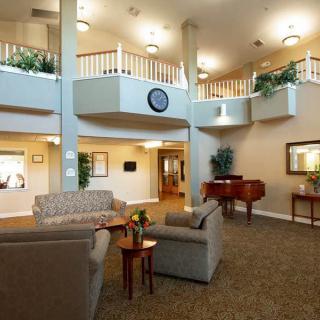
 Indoor common areas
 Kitchenette
 Laundry
 Move-in coordination
 Outdoor space
 Resident parking
 Respite or short term stays offered
 Restaurant-style dining
 Security gate
 Small library
 Spa
Spa Telephone
 VA Benefits Consultation
 Wi-Fi/high-speed internet available
 Transportation & parking
 24-hour call system
 Ambulatory care
 Assistance with bathing
 Assistance with dressing
 Assistance with transfers
 Diabetes diet
 Diabetic care
 Medication management
 Mental wellness program
 Special dietary restrictions
 Arts and crafts
 Educational speakers / life long learning
 Fitness programs
 Games
Games Live musical performances
 English






 Understanding Dementia Through Its Seven Stages: A Comprehensive Look at Progression and Expectations
 A Holistic Dementia Care Guide: Effective Strategies for Memory Support
 Comprehensive Insights into Activities of Daily Living (ADLs) and Their Assessment