
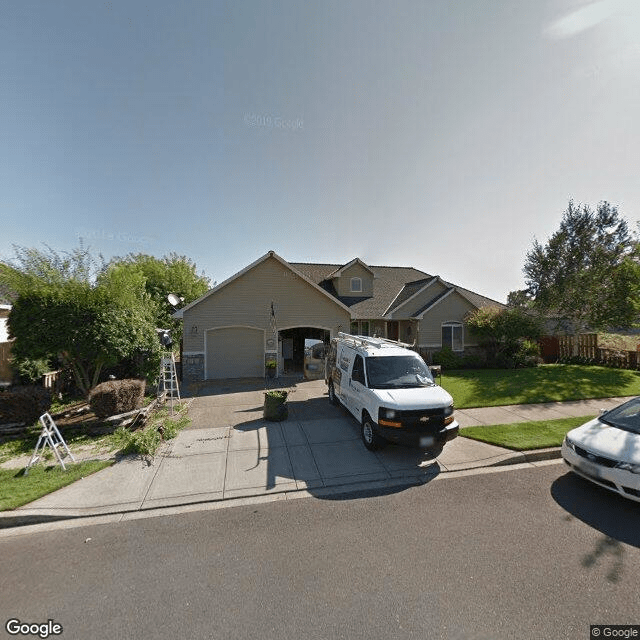
2718 NW Pinot Noir, McMinnville, OR 97128
To contact a resident: (503) 472-1148
For more information about senior living options: (866) 208-4318
Oriole Adult Foster Home, Inc. Costs & Pricing
Oriole Adult Foster Home, Inc. offers competitive pricing for its private room accommodations, setting the monthly cost at $3,500. This rate is slightly above the average for Yamhill County, which is $3,421, and also exceeds the broader state average of $3,424 for similar facilities in Oregon. Despite this higher cost, Oriole Adult Foster Home may provide unique benefits or specialized care that justifies the premium. Prospective residents and their families should consider not only the financial aspect but also the quality of service and amenities offered when evaluating their options in this region.
| Floor plans | Oriole Adult Foster Home, Inc. | Yamhill County | Oregon |
|---|---|---|---|
| Private | $3,500 | $3,421 | $3,424 |
Senior living communities with a similar price nearby
-
About the same
Fulga's ACH
$3,500 / month24.3 miles away -
from -$500 / mo
A-Z Adult Foster Home
$3,000 / month20.1 miles away -
from -$400 / mo
Golden Gate Home Care
$3,100 / month24.9 miles away -
from -$600 / mo
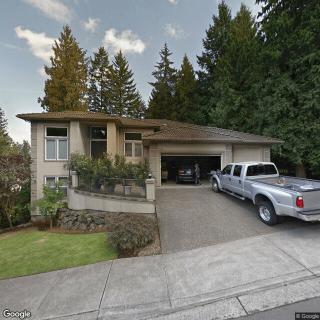
Beaverton Genesis
$2,900 / month23.5 miles away -
from -$615 / mo

The Springs at Sunnyview
$2,885 to $3,640 / month22.4 miles away
Overall Review of Oriole Adult Foster Home, Inc.
Pros
 The service is clean, pleasant, and professional.
- The service is clean, professional, and compassionate and caring.
Review
Oriole Adult Foster Home in McMinnville, OR is best suited for seniors who want a small, home-like setting where cleanliness, calm routines, and genuinely caring staff drive daily life. It works well for residents who value personal attention, direct relationships with caregivers, and a tidy, pleasant environment over the bells and whistles of larger facilities. This setting shines when the priority is dignity, warmth, and dependable day-to-day support rather than extensive medical supervision or memory-care programming. Families should consider alternatives if a resident requires heavy medical oversight, specialized dementia care, or a broad slate of on-site therapies and social activities.
The most notable strengths are the basics done exceptionally well: a clean, pleasant atmosphere paired with professional, compassionate care. Reviewers repeatedly describe a well-kept, orderly space and staff who are not only capable but truly caring. In a small home environment, this combination often translates into staff who know residents by name, anticipate needs, and respond with a calm, attentive touch. For families evaluating safety, reliability, and a dignified atmosphere, these positive touchstones align closely with what most elders and their loved ones say matters most.
Yet the data set is small, and the overall rating sits at 3.7 from just three reviews, including one notably low rating. This sparse feedback creates a lens of caution: there is less evidence about consistency over time, about how care evolves as needs change, or about program breadth beyond daily routines. The absence of explicit notes on medical oversight, memory-care capabilities, or extensive activities means that decision-makers should not assume a broad continuum of services simply because the environment feels well-kept and staff are courteous. For anyone seeking robust medical coordination or dementia-specific programming, alternatives with clearer offerings may be more reliable.
Those notable pros can offset many potential drawbacks when the resident prioritizes a respectful, intimate setting. The close-knit, cleaner environment and the personal attention inherent to an adult foster home often translate into heightened responsiveness, quicker adjustments to changing needs, and less impersonality than in larger properties. In situations where a resident benefits from steady routines, familiar faces, and a predictable daily rhythm, the offset of limited programming is meaningful. For short-term stays, transitional living, or families testing long-term placement, the strengths here can deliver value that larger communities may struggle to match in terms of individualized warmth.
Preparation for a visit should be practical and focused. Prospective families should inquire about staffing patterns, including who is on site during meals, evenings, and weekends, and whether a licensed nurse provides oversight or is available on-call. Clarify how medications are managed, how medical emergencies are handled, and what medical services (if any) are included in the rate. Ask about meal preparation, dietary accommodations, and daily activities to gauge whether the program aligns with interests and mobility levels. Request references from current or recent families, and seek concrete examples of how care plans were tailored as needs shifted. A tour should reveal not just cleanliness and courtesy, but the tangible realities of daily life and care.
The bottom-line takeaway is practical and decisive. Oriole Adult Foster Home is a strong match for seniors who prize a clean, respectful, and compassionate home environment with intimate caregiver relationships and predictable routines. It is less suitable for residents who require extensive medical supervision, dementia-specific programming, or a broad, ongoing slate of social activities within a larger community. With disciplined attention to cleanliness, professionalism, and a genuinely caring approach, this community can deliver a high-quality living experience for the right resident; families should approach with a targeted checklist, clear questions about medical support, and a plan for progressive needs to determine fit. Scheduling a tour and requesting current resident references will illuminate how well the positives translate into day-to-day reliability.
 Board and Care Home
 Cats allowed
 Dogs allowed
 Private
 Wheelchair accessible showers
 Ambulatory care
 Diabetic care
 High acuity care
 Christian services




 Urinary Tract Infections in Older Adults: Comprehensive Insights on Symptoms, Treatment, and Prevention
 California's Form 602A: An In-Depth Examination of Senior Care Assessment
 Comprehensive Look at Senior Blood Pressure Charts: Normal and Elevated Levels by Age