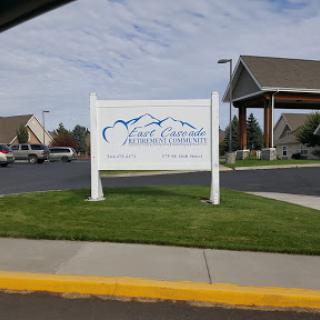
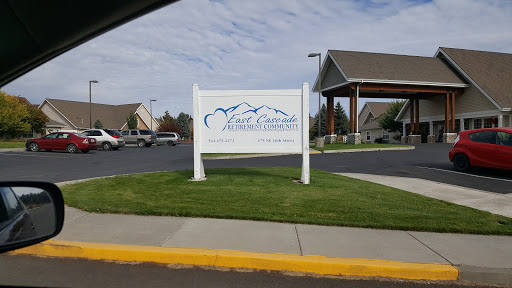
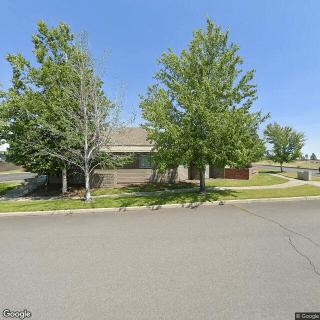
175 North East 16Th Street, Madras, OR 97741
For more information about senior living options: (866) 208-4318
Overall Review of East Cascade Retirement Community
Pros
 The facility is described as a great community with awesome staff.
- Recreation is available with crafts, exercise, socializing, and bingo.
- There are lots of nice people with interesting stories to share.
- It makes the transition from illness to assisted living easy.
- People would recommend it for their loved ones.
- The rooms are a good size.
Cons
 The caregivers didn’t change her briefs, leading to an infection.
 - An infection occurred due to unprofessional cleaning by the caregivers, and she was hospitalized for three weeks with a UTI as well.
- She had a stroke and heart disease on top of that and passed away during the stay.
- The facility was unprofessional and failed to take proper care of her.
- The promised activities never happened and she didn’t receive the care as promised.
- Her clothes were constantly dirty while in the facility.
- The floor needed shampooing, indicating poor cleanliness.
- The reviewers regret placing their mom there and warn others not to take their family to this care facility.
Review
East Cascade Retirement Community in Madras, Oregon is best suited for seniors who prize a warm, community-oriented atmosphere and social engagement over high-touch medical oversight. The campus offers recreational activities, crafts, exercise, socializing, and bingo, which can enrich days for relatively independent residents or those transitioning from living at home into a more supportive setting. For families, the appeal lies in belonging to a familiar, small-town environment with a sense of continuity. However, it is not an ideal match for residents who need reliable daily caregiving, consistent wound care, dementia-specific programming, or strict clinical supervision. In those cases, exploring alternatives with stronger clinical staffing and clearer accountability is a prudent move.
Consider alternatives for residents with substantial medical or memory-care needs, or when consistent daily personal care is required. Several reviews recount missed activities, clothing left dirty, and care promises that were not kept, along with infections tied to inadequate cleaning. Reports of insufficient physical therapy for stroke survivors and delays in essential care raise red flags about reliability and oversight. For families facing progressive health concerns, a facility with robust nursing support, active rehabilitation services, and transparent care management is typically a safer long-term plan. A nearby nursing home option is sometimes cited as a more straightforward bridge when illness or advancement of care needs occurs, underscoring that East Cascade can function best as a starting point rather than a guaranteed solution for sustained high-acuity needs.
The strongest positives cited are a longstanding community presence and staff that some families describe as friendly and supportive, coupled with accessible recreation and social programming. A good-sized room adds practical value for residents who wish to maintain a comfortable living space without frequent moves. These factors matter greatly for daily satisfaction and meaningful engagement. Yet they do not fully compensate for the most consequential shortcomings highlighted by families: inconsistent care delivery, hygiene lapses, and unfulfilled promises about activities and daily routines. When quality of care is uneven and basic maintenance lapses occur, the perceived value of the entire experience declines sharply, even for residents who otherwise enjoy companionship and programming.
To evaluate fit with discipline, pursue a rigorous on-site assessment and a concrete, testable care plan. During a tour, inspect cleanliness of rooms and common areas, verify housekeeping frequency, and ask to see laundry processes. Request a detailed weekly care schedule and how routine tasks, bathing, dressing, incontinence care, are logged and monitored. Speak with current caregivers and the on-site nurse about response times and escalation procedures. Confirm the availability and scheduling of physical therapy, and review infection-control practices and recent incident records. Review the activity calendar for actual resident participation and confirm transportation options for outings. If memory care is anticipated, seek explicit dementia-focused programming and a dedicated care team.
The rating landscape and mixed anecdotes suggest experiences vary dramatically by unit, staff shifts, and leadership. The presence of several one-star accounts alongside some favorable remarks indicates the potential for a positive, well-structured experience, but also signals meaningful risk. Prospective residents should not place undue weight on overall stars without corroborating firsthand observations and current staffing realities. Engage direct references, request recent inspection reports, and verify any formal deficiencies that may affect daily life. A clear, current pulse on who is on duty, and how issues are resolved, is essential before committing.
In the end, East Cascade can be a reasonable option for families prioritizing social belonging and a moderate level of independence, provided the resident’s needs align with the services available and active family oversight is maintained. For anyone with significant medical, wound-care, or dementia-management requirements, stronger alternatives should be pursued first, with East Cascade treated as a potential fallback only after thorough validation. If choosing East Cascade, insist on a detailed, written care plan, set explicit service benchmarks, require regular progress reviews, and establish immediate escalation pathways for hygiene or medical concerns. The facility holds meaningful promise for community and engagement, but the safety and reliability of care demand vigilant verification and readiness to adjust course if gaps persist.
 48 resident community capacity
 Assisted Living
 Continuing Care Retirement Community (CCRC)
 Skilled Nursing Facility
 Beauty salon
 Cable or satellite TV
 Dining room
 Fully furnished
 Garden
 Housekeeping services
 Kitchenette
 Move-in coordination
 Outdoor space
 Telephone
 Wi-Fi/high-speed internet available
 24-hour call system
 Activities of daily living assistance
 Assistance with bathing
 Assistance with dressing
 Assistance with transfers
 Diabetes diet
 Meal preparation and service
 Medication management
 Mental wellness program
 Special dietary restrictions
 Transportation arrangement (medical)
 Transportation to doctors appointments


 Funding and Affording Assisted Living: A Thorough Overview
 Assisted Living Expenses and Long-Term Care Insurance: A Comprehensive Exploration
 Securing Financial Support for Assisted Living: A Comprehensive Overview