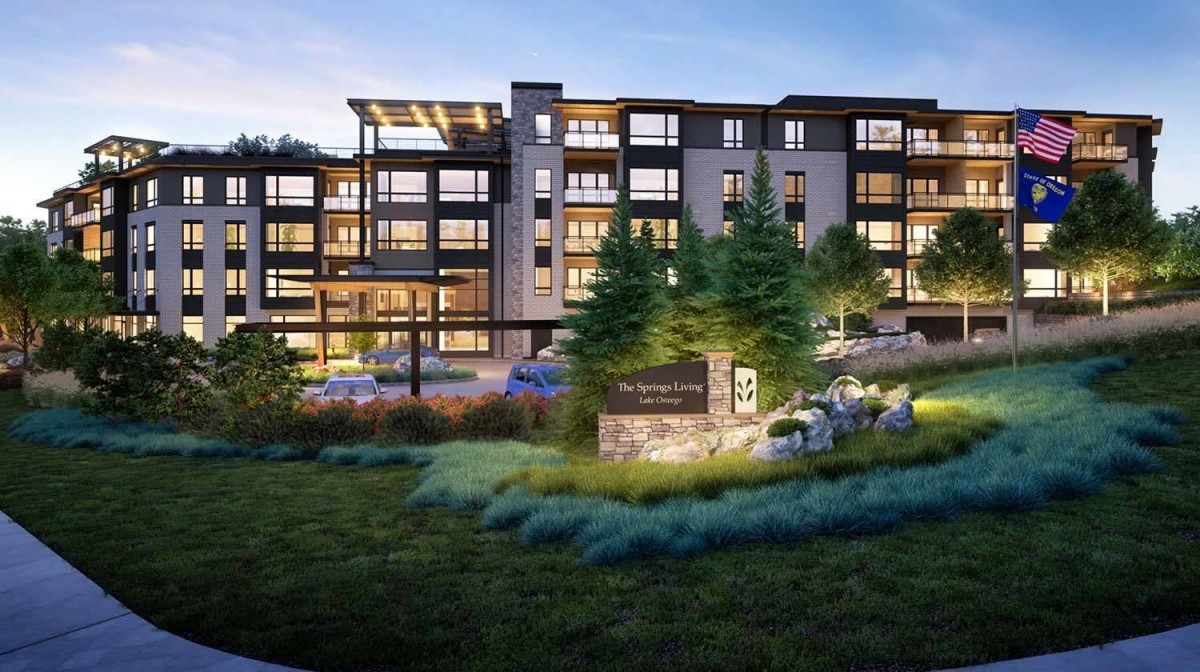



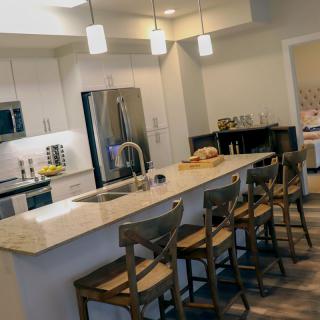

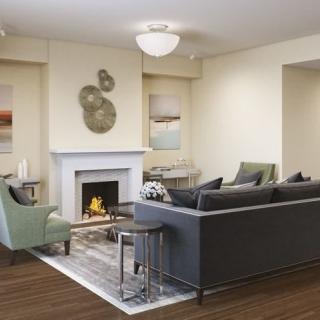

3900 Kruse Way Place, Lake Oswego, OR 97035
For more information about senior living options: (866) 208-4318
The Springs at Lake Oswego Costs & Pricing
At The Springs at Lake Oswego, the monthly costs for senior living reflect a premium experience in comparison to both Washington County and the broader state of Oregon. For instance, a studio apartment is priced at $4,600, significantly higher than the county average of $3,909 and the state average of $3,815. In the one-bedroom category, residents can expect to pay $5,300, which again surpasses the county's typical cost of $4,082 and the state's average of $3,904. The two-bedroom options reach $7,300 per month - a notable increase over Washington County's average of $4,801 and Oregon's average of $4,436. These figures suggest that while The Springs at Lake Oswego positions itself as a luxury option within the market, it also provides an enhanced living environment that may justify its elevated pricing for prospective residents seeking quality care and services.
| Floor plans | The Springs at Lake Oswego | Washington County | Oregon |
|---|---|---|---|
| Studio | $4,600 | $3,909 | $3,815 |
| 1 Bedroom | $5,300 | $4,082 | $3,904 |
| 2 Bedrooms | $7,300 | $4,801 | $4,436 |
Memory care communities with a similar price nearby
-
from +$900 / mo
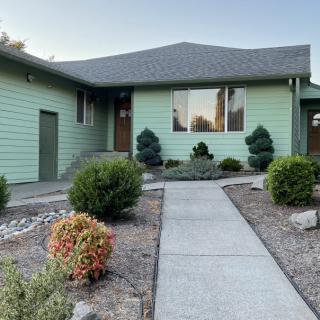
Evergreen Quality Home
$5,500 / month19.4 miles away -
from -$600 / mo
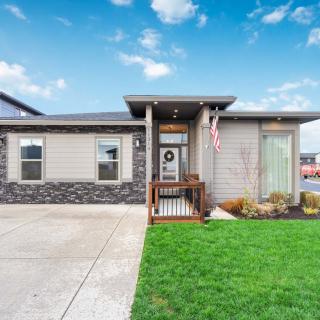
The Finest Care AFH, LLC
$4,000 to $5,500 / month18.4 miles away -
from +$400 / mo
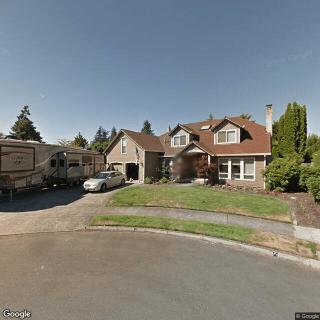
Windsor Gardens
$5,000 / month18.1 miles away -
About the same
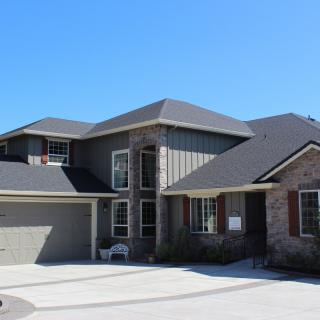
Camas Hills Care Home
$4,500 / month19.1 miles away -
from -$600 / mo
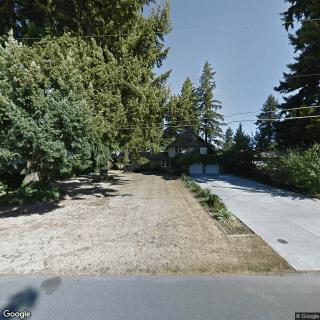
Garden View Care
$4,000 to $5,500 / month16.0 miles away
Overall Review of The Springs at Lake Oswego
Pros
 The Springs is a great facility with a nice pool, workout rooms, theater, great food, and courteous, kind staff.
- The place is described as beautiful with an awesome staff, and families feel reassured that their loved ones are cared for.
- The experience is very welcoming from start to finish, with wonderful customer service.
- It feels like living full-time on a cruise ship, with three excellent restaurants offering a constantly changing and superb menu.
- The rooftop area is amazing, featuring a barbecue area, putt-putt golf, bocce, and a large chess board.
- There are numerous activities available, ensuring residents are never bored.
- The staff consistently go above and beyond to make residents and families feel welcome and supported.
- A geriatrician praises the level of care and the quality of life at The Springs as unparalleled.
Cons
 The Springs' staff failed to recognize that a resident was missing and did not arrange timely assistance, putting her at risk.
 - Staff repeatedly promised help would arrive, but no one ever came to assist the missing resident.
- The Springs would not place the resident on a memory-care waitlist after hospitalization, leaving the family to find another facility.
- The Springs was described as quite expensive, making it hard to justify the cost for the reviewer.
- The Springs had not provided residents with the Covid booster months after shot #2, which was disappointing given prior vaccination leadership.
- A former employee claimed that working for the company was a terrible job, alleging payroll was withheld and they were fired after an injury.
Review
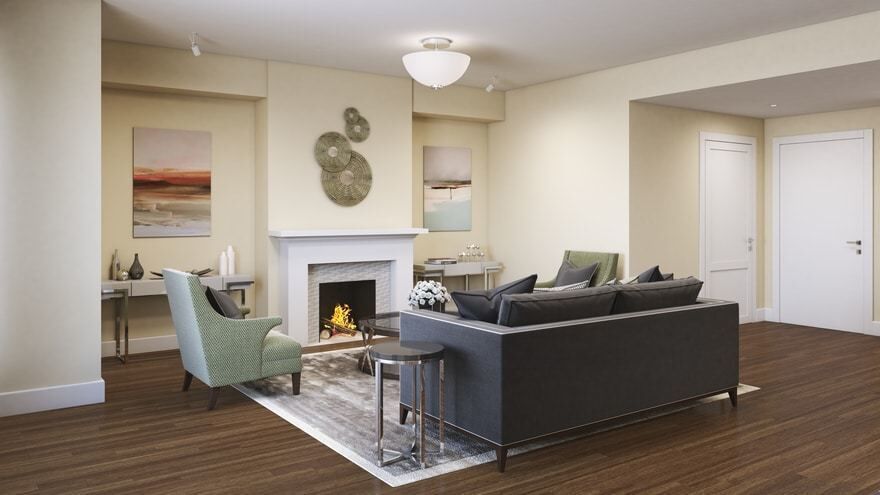
The Springs at Lake Oswego is best suited for active seniors who want a pulse-quickening, resort-style living environment with abundant amenities, frequent social engagement, and convenient access to family in the Lake Oswego area. This community shines for residents who value multiple dining options, on-site recreation, and a campus that supports a wide range of activities from fitness classes to theater outings. It is a strong fit for couples or individuals who want to stay involved in a thriving senior-life ecosystem, where staff are praised for courtesy, warmth, and a welcoming atmosphere that makes new residents feel at home quickly.
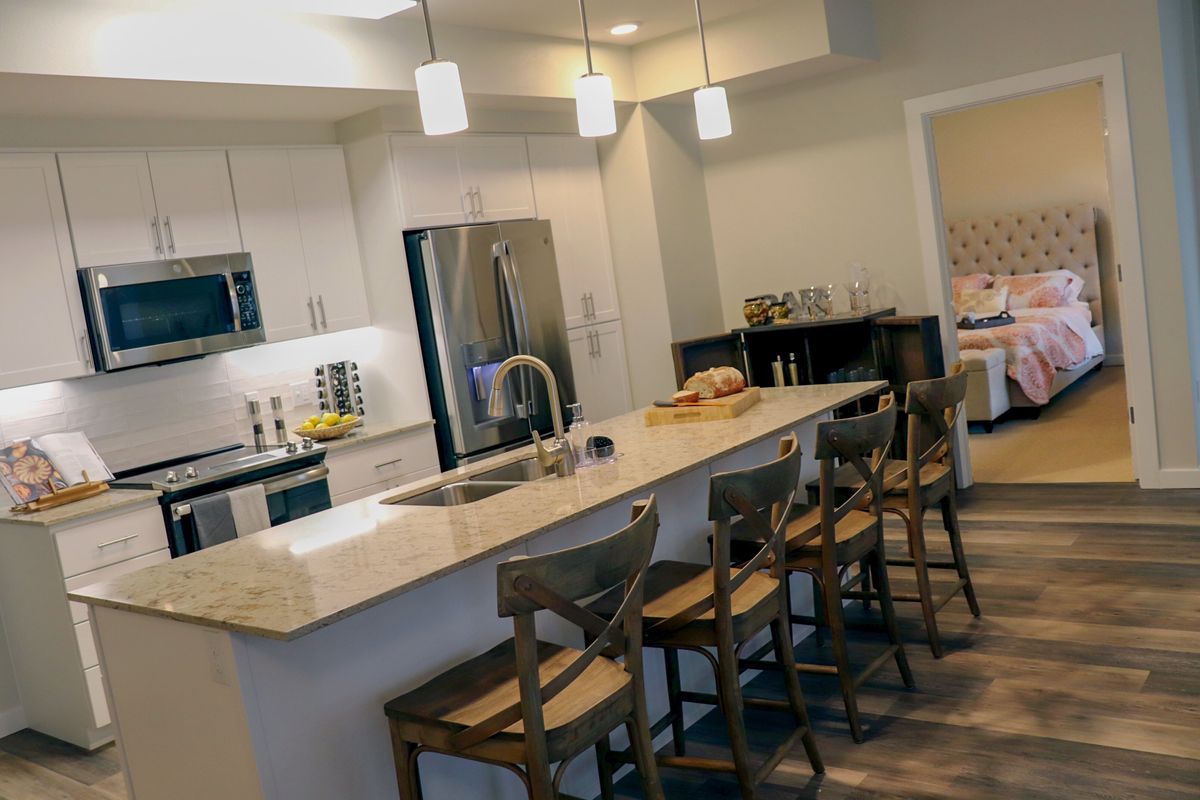
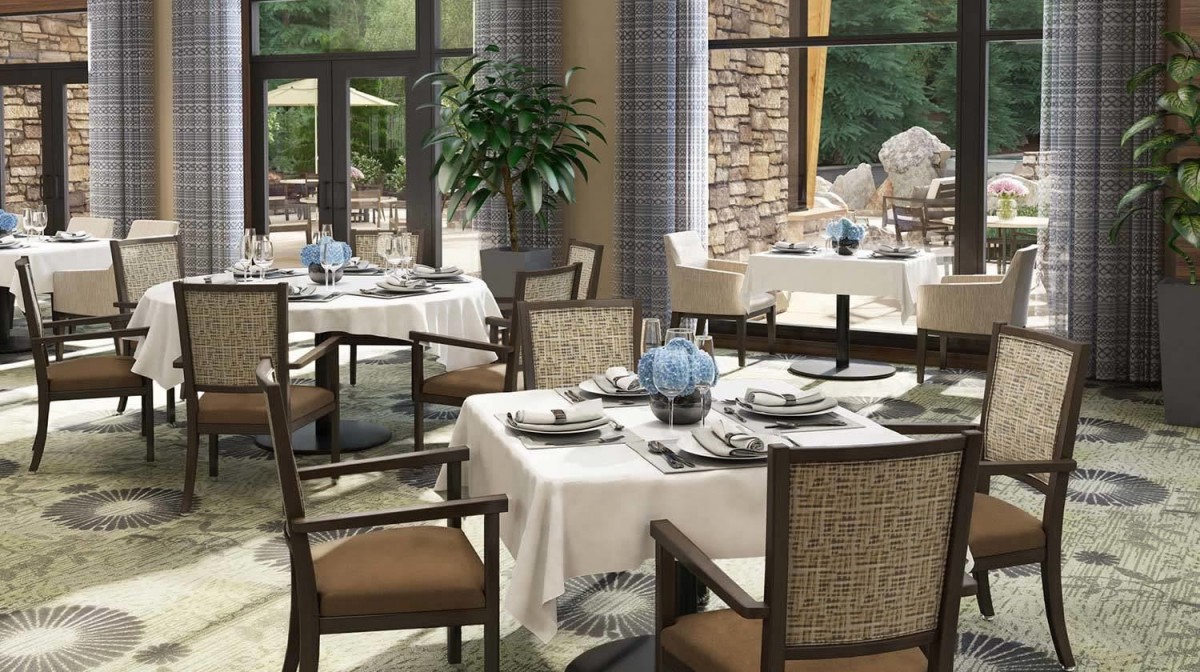
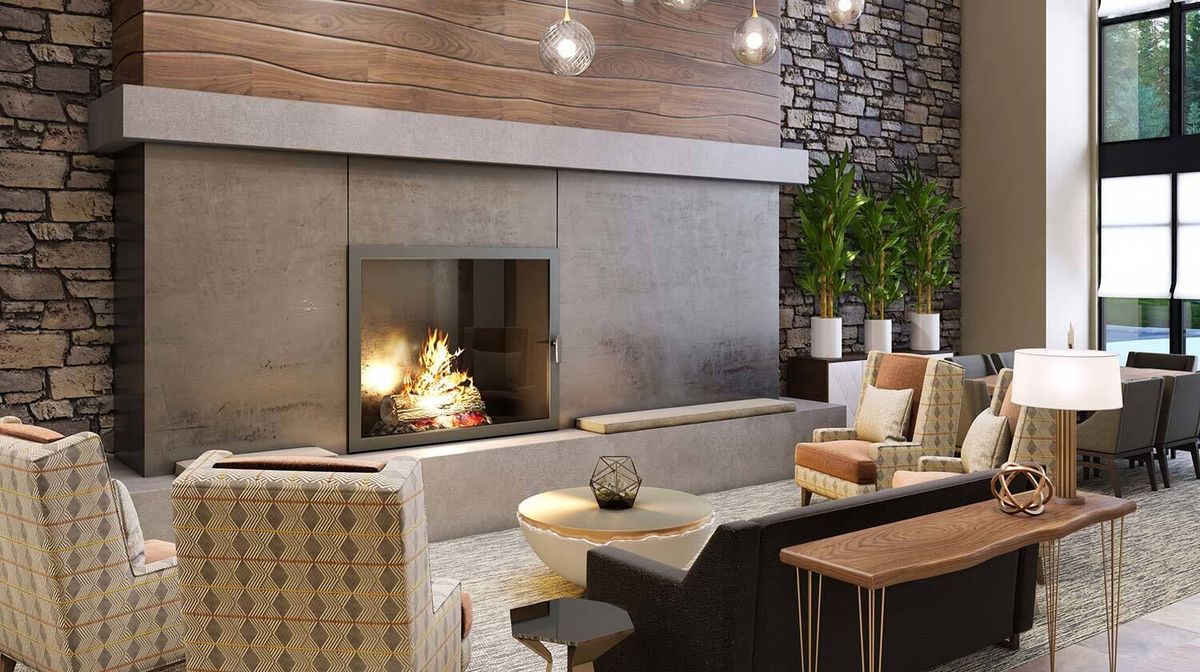
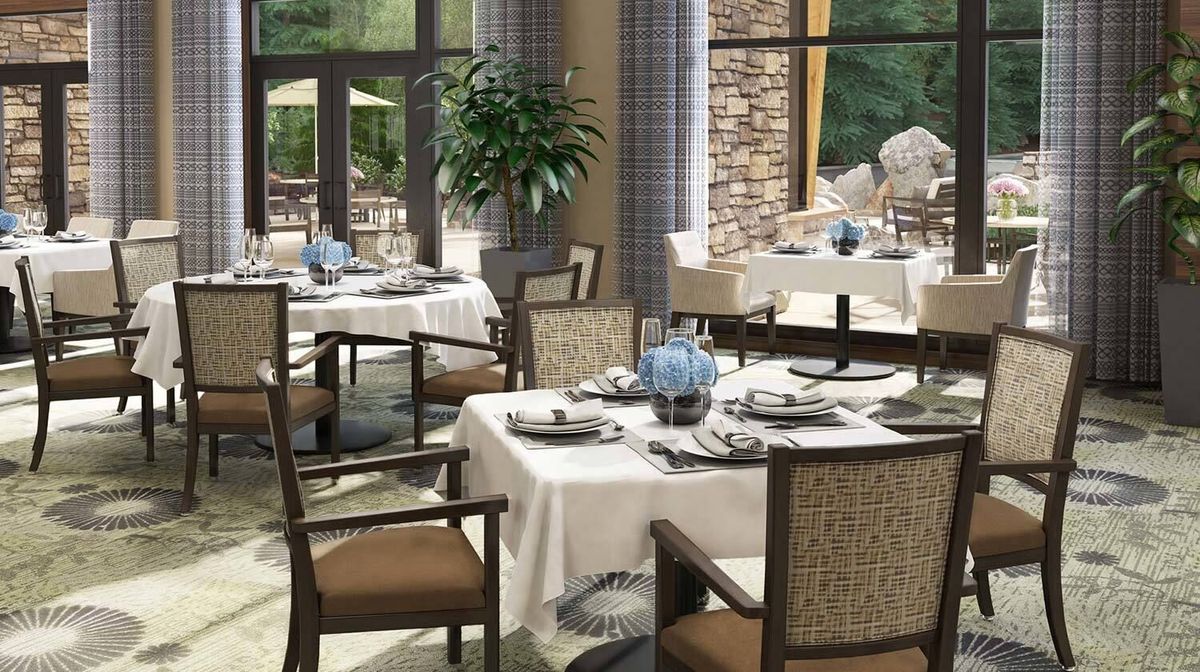
The positives are substantial and influence the overall experience. The Springs presents a real “cruise ship” vibe: three dining venues with varied menus, a pool, a theater, and on-site physical therapy, plus a rooftop area complete with barbecue spaces, putt-putt, bocce, and even a life-sized chess setup. The emphasis on movement and choice is clear, residents can be as active as they wish or select quieter pursuits like puzzles and crafts. The campus appears to deliver genuine social capital, with residents and families noting that staff go above and beyond, and that the dining program rivals what one might expect in a high-end independent living setting. In addition, independent living residents often cite proximity to family as a major plus, enabling regular visits and meaningful involvement in daily life.
Yet there are clear caveats that prospective families should weigh carefully. A troubling incident described by a neighborhood observer exposed gaps in responsive safety oversight when a resident wandered off-property; the initial delay in staff action and communication raised serious concerns about how missing residents are tracked and assisted. While administrators later acknowledged the issue and pledged attention to resident safety, the episode underscores a real risk that cannot be dismissed. Cost is another meaningful friction point: several reviewers note the community is expensive, which naturally narrows the pool of viable applicants and invites comparison against other local options. Finally, the memory-care and end-of-life care trajectory is not as seamless as advertised for all potential residents; a past family experience notes difficulty re-admitting a patient for higher levels of care, which can be a critical factor for families planning for future needs.
These positives do offset the cautions in meaningful ways. The robust amenity set, restaurants, fitness, therapy, and a lively rooftop environment, provides a high quality of life that can sustain long, fulfilling years for residents who enjoy staying engaged and social. Independent living residents repeatedly describe feeling well-cared-for by a staff that is courteous and respectful, with clinicians and geriatricians who speak highly of the care philosophy and life quality within the Springs. For families, the ability to visit multiple times per week, and to participate in the social fabric of the community, is a compelling counterpoint to the cost. When safety concerns arise, the positive leadership response, reaching back to families and investigating issues, also signals that resident welfare remains a central priority, even if implementation gaps require tightening.
For families weighing options, the Springs is a strong pick for those who prize a vibrant campus life and superior dining, with a willingness to invest in a premium environment. It serves well those who expect to begin in independent living with optional upgrades in services and who want a community where staff and residents form a welcoming, active network. However, families with memory-care requirements or those seeking assured, seamless care transitions across levels should look closely at how memory care and end-of-life services are actually managed, and should have explicit conversations about waitlists, admission criteria, and contingency plans. Alternatives may be worth exploring if immediate memory-care needs or strict budget constraints overshadow the appeal of the Springs’ lifestyle.
In sum, The Springs at Lake Oswego delivers a compelling, high-end senior living experience anchored by exceptional amenities, strong staff engagement, and a lively social calendar. It is not a one-size-fits-all solution: it works best for active seniors and their families who can absorb the price and acknowledge that memory-care certainty and instantaneous safety assurance require cautious, targeted inquiry. For those who fit the profile, the decision to join this community can translate into years of enriched living, easier family connections, and a daily rhythm that feels more like vacation than caregiving. For others, especially where memory support or cost constraints loom large, it calls for careful comparison and a clear plan for future care needs.
 21 resident community capacity
 Assisted Living
 Independent Living
 Memory Care
 Cats allowed
 Dogs allowed
 Activities off-site
 Air-conditioning
 Bath tubs
 Beautician on-site
 Cable or satellite TV
 Devotional services off-site
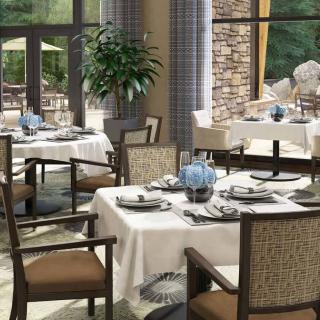
 Dining room
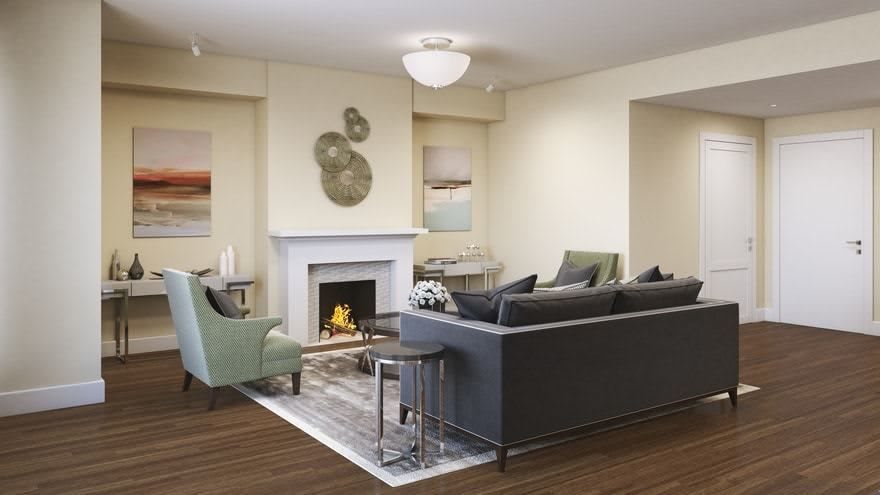
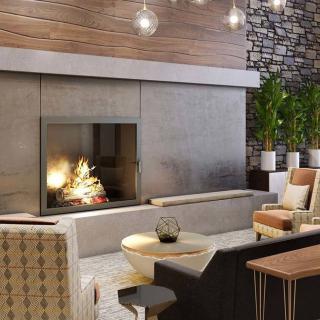
 Fireplaces
 Full kitchen
 Fully furnished
 Garden
 Housekeeping services
 Indoor common areas
 Move-in coordination
 Outdoor common areas
 Spa
Spa Swimming pool
 Telephone
 Wheelchair accessible showers
 Wi-Fi/high-speed internet available
 Portland International (13 miles away)
 24-hour call system
 Ambulatory care
 Assistance with bathing
 Assistance with dressing
 Assistance with transfers
 Diabetes diet
 Diabetic care
 Hospice waiver
 Incontinence care
 Meal preparation and service
 Medication management
 Mental wellness program
 Special dietary restrictions
 Transportation arrangement (medical)
 Transportation to doctors appointments
 Art classes
 BBQs or picnics
 Cooking classes
 Day trips and outings
 Educational speakers / life long learning
 Happy hour
 Live musical performances
 Wine tasting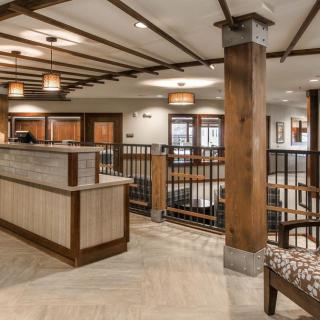



 Understanding Dementia Through Its Seven Stages: A Comprehensive Look at Progression and Expectations
 A Holistic Dementia Care Guide: Effective Strategies for Memory Support
 Memory Care Pathways: A Holistic Guide to Dementia Support