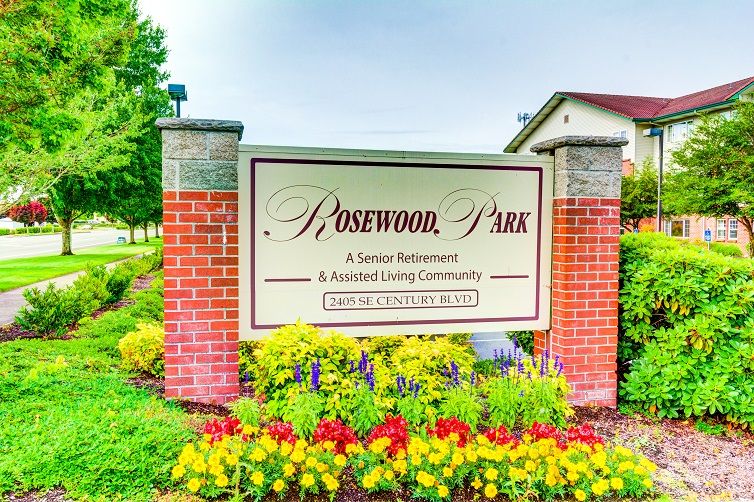
2405 South East Century Boulevard, Hillsboro, OR 97123
For more information about senior living options: (866) 208-4318
4.1 from 44 reviews
5 stars
17
4 stars
21
3 stars
1
2 stars
4
1 stars
1
Rosewood Park Costs & Pricing
Rosewood Park offers competitive pricing for its accommodations when compared to both Yamhill County and the broader state of Oregon. For a one-bedroom unit, Rosewood Park's monthly cost of $3,565 stands out as more affordable than the county average of $4,069 and the state average of $3,904. Similarly, its two-bedroom option at $4,220 is lower than Yamhill County's $4,662 and slightly higher than Oregon's average of $4,436. However, in contrast to the studio apartments where Rosewood Park charges $4,905 - exceeding both Yamhill County's rate of $4,837 and Oregon's average cost of $3,815 - it seems that the park's offerings provide a balanced value across different types of living arrangements. Overall, residents can find attractive pricing options that cater to various needs while enjoying the benefits associated with living in this community.
Floor plans
Rosewood Park
Yamhill County
Oregon
1 Bedroom
$3,565
$4,069
$3,904
2 Bedrooms
$4,220
$4,662
$4,436
Studio
$4,905
$4,837
$3,815
Memory care communities with a similar price nearby
Food quality and meal experience vary a lot from resident to resident.
Several residents describe meals going downhill over time, sometimes served cold and with limited choices. Others say the dining is good, improving with a newer chef, or that it offers enough variety for their preferences. A few comments also point to practical dining limitations like not having set meal times. Overall, dining is one of the more mixed day-to-day experiences in the reviews.
common11 reviews mention this
Activities help fill the days
Residents tend to enjoy the activity calendar and group events.
Reviews commonly mention regular programming like live entertainment, exercise classes, and group get-togethers. A number of families also describe residents staying engaged, with opportunities like bingo and reading sessions. Even in comments that are otherwise critical, residents or families often return to the theme of scheduled activities as a reason they looked at or recommended the community. The overall takeaway is that day-to-day social time is actively planned.
differentiator2 reviews mention this
Dementia support is specifically referenced
The community is described as having dementia-focused rooms and support.
Two reviews specifically mention rooms and activities for people with dementia and describe staff who know what residents need. Those same accounts also describe transportation by bus for outings and help getting to appointments. One of the reviews also notes in-house beauty services and a structured pattern of three meals per day. For families shopping for memory-related support, these comments are among the most direct.
caveat5 reviews mention this
Staffing and follow-through come up
Some residents and families report understaffing or inconsistent coverage.
A recurring concern in the reviews is limited help or a lack of urgency during medical situations, including claims about not getting timely assistance with simple requests. Other comments point to staff turnover, with new staff rolling in frequently and not lasting. There are also mentions of schedules getting missed and some tasks not being carried out as expected. While other reviews highlight friendly, caring interactions, staffing consistency is a clear sticking point for a portion of families.
common7 reviews mention this
Cleanliness is frequently noted
Most reviewers mention a clean, comfortable setting.
Many reviews describe the community as clean and well kept, with a generally inviting feel. Several also connect cleanliness with a positive impression of the atmosphere and the overall environment. A smaller number of comments note specific concerns, such as aged or discolored hallway carpet. Even with that caveat, cleanliness remains a commonly stated strength across reviews.
How we summarize
Counts show how many written reviews mention each theme; a review can touch several themes, and only frequently mentioned themes are displayed.
Features
Housing
95 resident community capacity
1-bedroom apartments
2-bedroom apartments
Studio apartments
Types of Care
Assisted Living
Independent Living
Memory Care
Respite Care
Pets
Cats allowed
Dogs allowed
Amenities
Activities off-site
Activities on-site
Air-conditioning
Bath tubs
Beautician on-site
Beauty salon
Cable or satellite TV
Computer center
Devotional services on-site
Dining room
Fitness room
Full kitchen
Fully furnished
Gaming room
Garden
Ground floor units
Handicap accessible
Hiking trails
Housekeeping services
Indoor common areas
Kitchenette
Laundry
Move-in coordination
Outdoor common areas
Outdoor space
Party space
Private bathrooms
Respite or short term stays offered
Restaurant-style dining
Small library
TV room
Telephone
Wellness center
Wheelchair accessible showers
Wi-Fi/high-speed internet available
Transportation
Portland International (17 miles away)
Community operated transportation
Transportation & parking
Transportation arrangement
Transportation arrangement (non-medical)
Transportation to doctors appointments
Care Services
12-16 hour nursing
24-hour call system
24-hour supervision
Activities of daily living assistance
Ambulatory care
Assistance with bathing
Assistance with dressing
Assistance with transfers
Diabetes diet
Diabetic care
Incontinence care
Meal preparation and service
Medication management
Mental wellness program
Special dietary restrictions
Dining
Diabetes diet
Guest meals
Low / no sodium
Meals provided
Professional chef
Room service
Special dietary restrictions
Vegetarian
Activities
Activities off-site
Art classes
Arts and crafts
Bible study group
Book club
Catholic services
Community-sponsored activities
Concierge services
Cooking classes
Day trips and outings
Devotional activities on-site
Educational speakers / life long learning
Fitness programs
Games
Live musical performances
Live well programs
Other religious services
Planned day trips
Protestant services
Religious services
Resident-run activities
Scheduled daily activities
Visiting chaplain or priest
Wii bowling
Wine tasting
Yoga / chair yoga
Languages Spoken
English
Nearby Places of Interest
This part of Hillsboro, Oregon offers a convenient and accessible location with a variety of amenities nearby. Residents can enjoy dining options such as family entertainment centers, cafes, and fast food restaurants within a short distance. There are also several parks for outdoor recreation and relaxation, as well as healthcare facilities including pharmacies and physicians' offices for medical needs. Transportation options are readily available with nearby MAX stations and car rental services. In case of emergencies, hospitals are located within a few miles. Additionally, entertainment options like theaters are easily accessible for leisure activities. Overall, this area provides a blend of convenience, accessibility, and entertainment options that may appeal to older individuals looking for senior living in Hillsboro.
Restaurants
Park Lanes Family Entertainment Center (0.4 miles)
Reedville Cafe (0.8 miles)
Wendy's (1.9 miles)
McDonald's (2 miles)
Taco Bell (2.1 miles)
McDonald's (2.4 miles)
Sonic Drive-In (2.6 miles)
Cafes
Dutch Bros Coffee (0.5 miles)
Starbucks (0.7 miles)
Starbucks (1.8 miles)
Starbucks (2.4 miles)
Black Rock Coffee Bar (3 miles)
Starbucks (3.9 miles)
Starbucks (6.4 miles)
Parks
Tamarack Park (0.9 miles)
Butternut Creek Park (1.7 miles)
Orenco Woods Nature Park (1.9 miles)
Butternut Park (2.5 miles)
Hondo Dog Park (3.5 miles)
Granada Park (3.6 miles)
Tualatin Hills Nature Park (3.8 miles)
Physicians
Hillsboro Vision Clinic (1.4 miles)
Songbird Healing Arts (2.5 miles)
Podiatric Physicians & Surgeons (3 miles)
Dr. Katherine A. Ruecker & Associates (3.1 miles)
Mustaquim Chowdhury MD (3.1 miles)
Hillsboro Hematology Oncology (3.1 miles)
Hillsboro Orthopedic Clinic (3.2 miles)
Pharmacies
Walgreens (1.8 miles)
Rite Aid (1.8 miles)
CVS Pharmacy (1.9 miles)
Walgreens (2.4 miles)
Walgreens (3 miles)
Walgreens (3.1 miles)
Hillsboro Pharmacy (3.1 miles)
Transportation
TriMet Quatama/NW 205th Ave MAX Station (2.1 miles)
Rosewood Park offers competitive pricing for its accommodations when compared to both Yamhill County and the broader state of Oregon. For a one-bedroom unit, Rosewood Park's monthly cost of $3,565 stands out as more affordable than the county average of $4,069 and the state average of $3,904. Similarly, its two-bedroom option at $4,220 is lower than Yamhill County's $4,662 and slightly higher than Oregon's average of $4,436. However, in contrast to the studio apartments where Rosewood Park charges $4,905 - exceeding both Yamhill County's rate of $4,837 and Oregon's average cost of $3,815 - it seems that the park's offerings provide a balanced value across different types of living arrangements. Overall, residents can find attractive pricing options that cater to various needs while enjoying the benefits associated with living in this community.
The 24-hour supervision at Rosewood Park ensures that residents receive constant support and monitoring, which is essential for their safety and well-being, particularly for those with advanced dementia or Alzheimer's. Activities of daily living assistance helps residents maintain a sense of independence while receiving the necessary help to manage daily tasks. Support with bathing, dressing, and transfers not only fosters dignity but also promotes physical comfort and hygiene, crucial elements for overall health. Incontinence care provides both respect and practical solutions to what can be a sensitive issue for many residents, ensuring their comfort throughout the day. Meal preparation and service are tailored to meet dietary needs while also encouraging social interaction during meal times, which can enhance emotional well-being. Medication management is vital in helping residents adhere to prescribed regimens safely and effectively, reducing the risk of complications related to forgetfulness or misunderstanding of instructions. Finally, the mental wellness program offers cognitive engagement through various activities designed to stimulate memory and foster social connections, thereby enhancing the quality of life for individuals dealing with memory-related challenges.
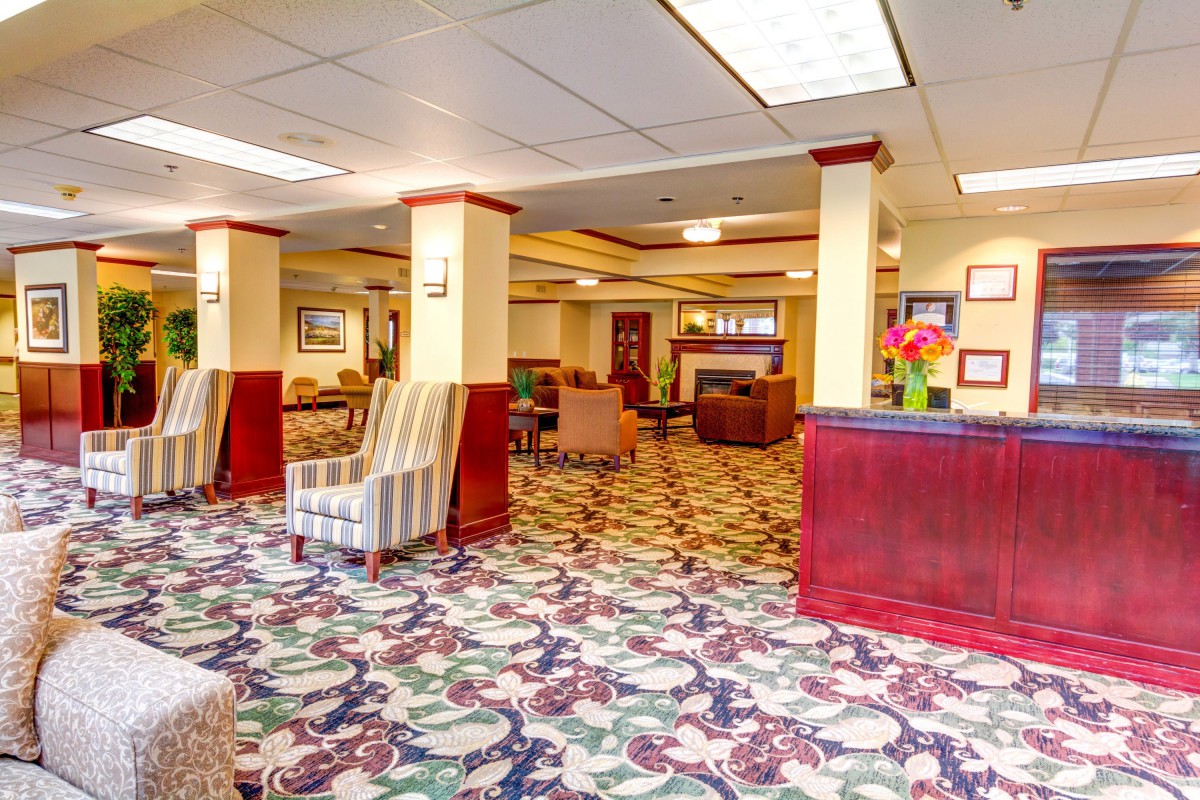
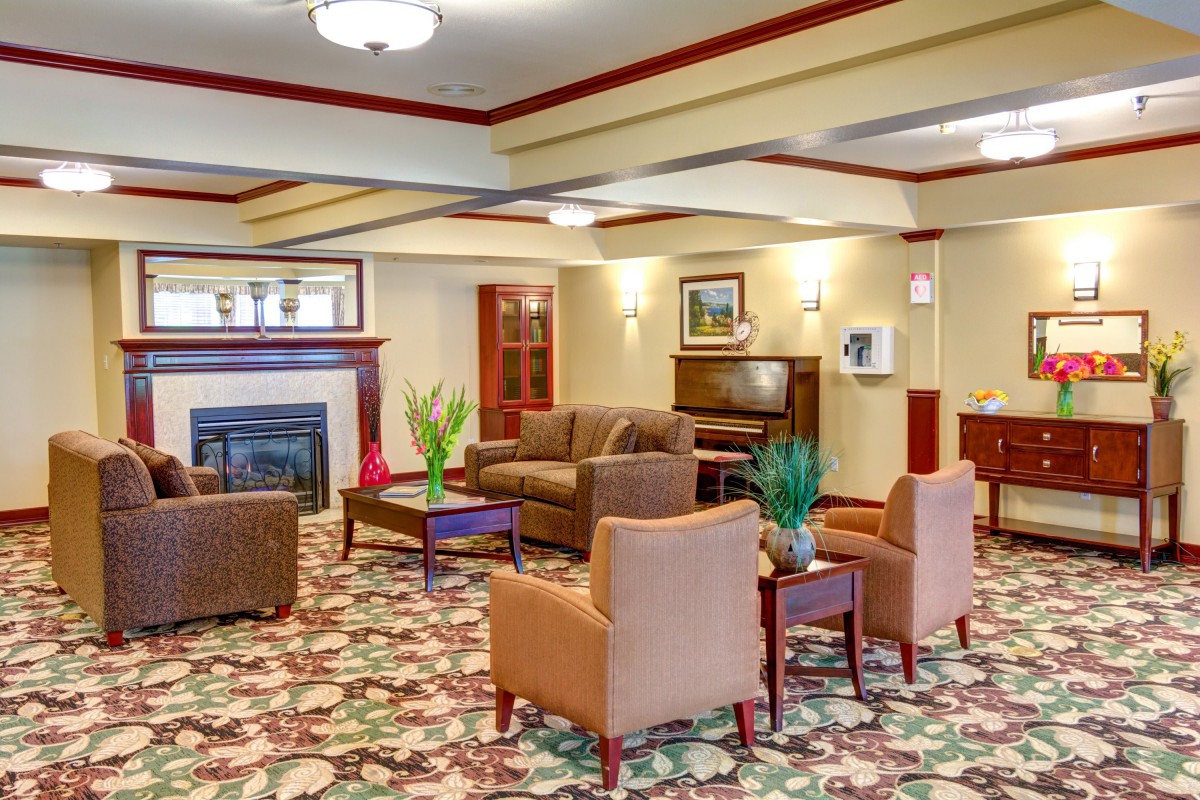
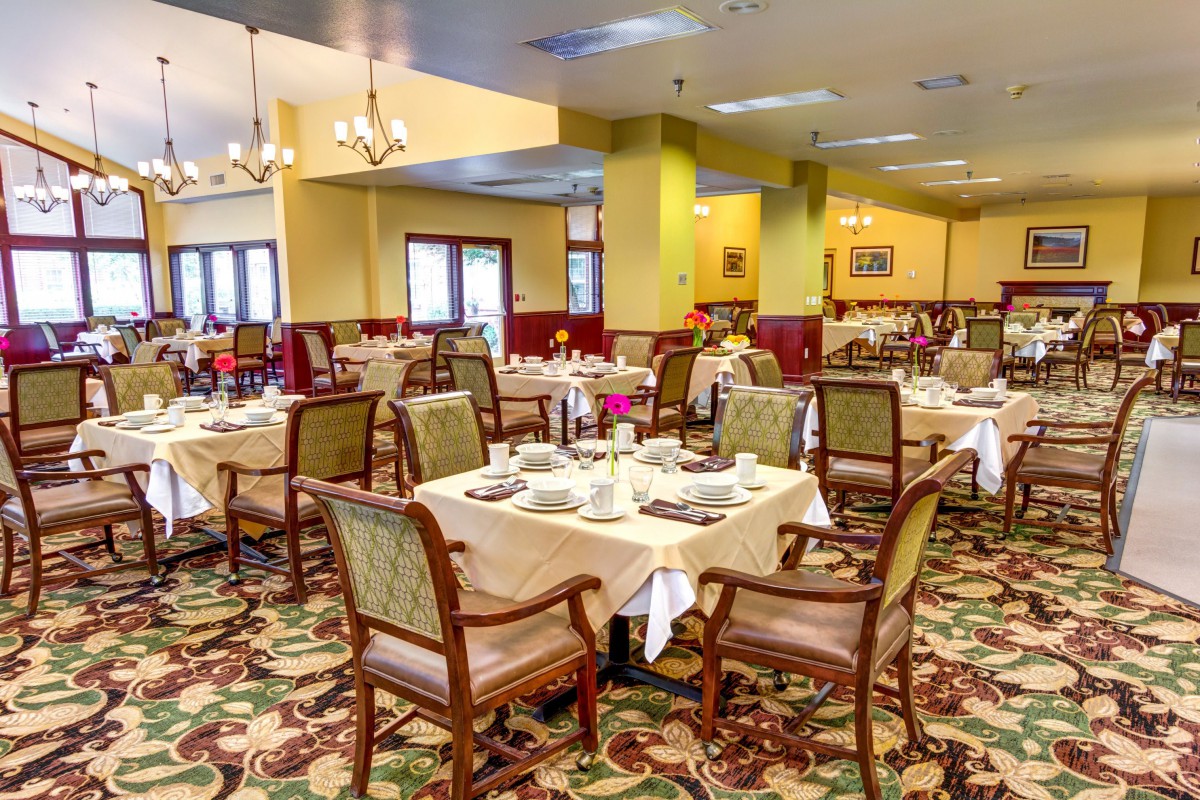
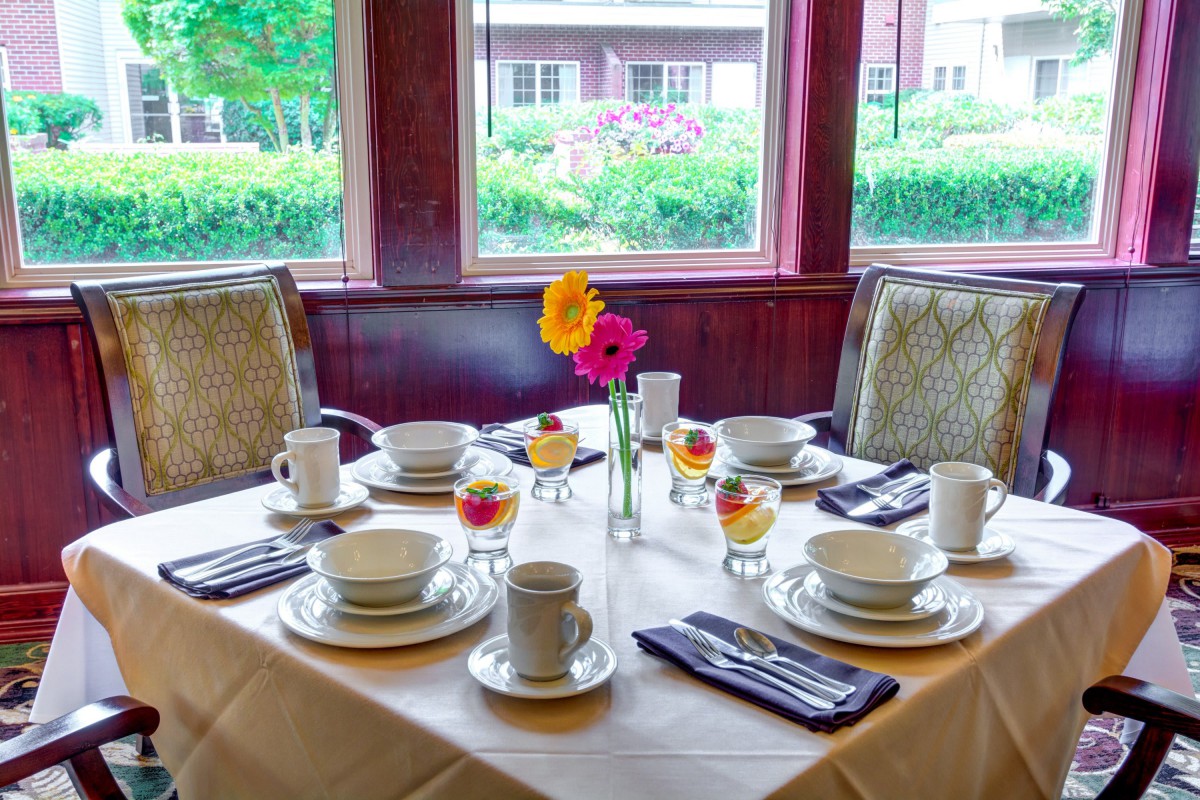
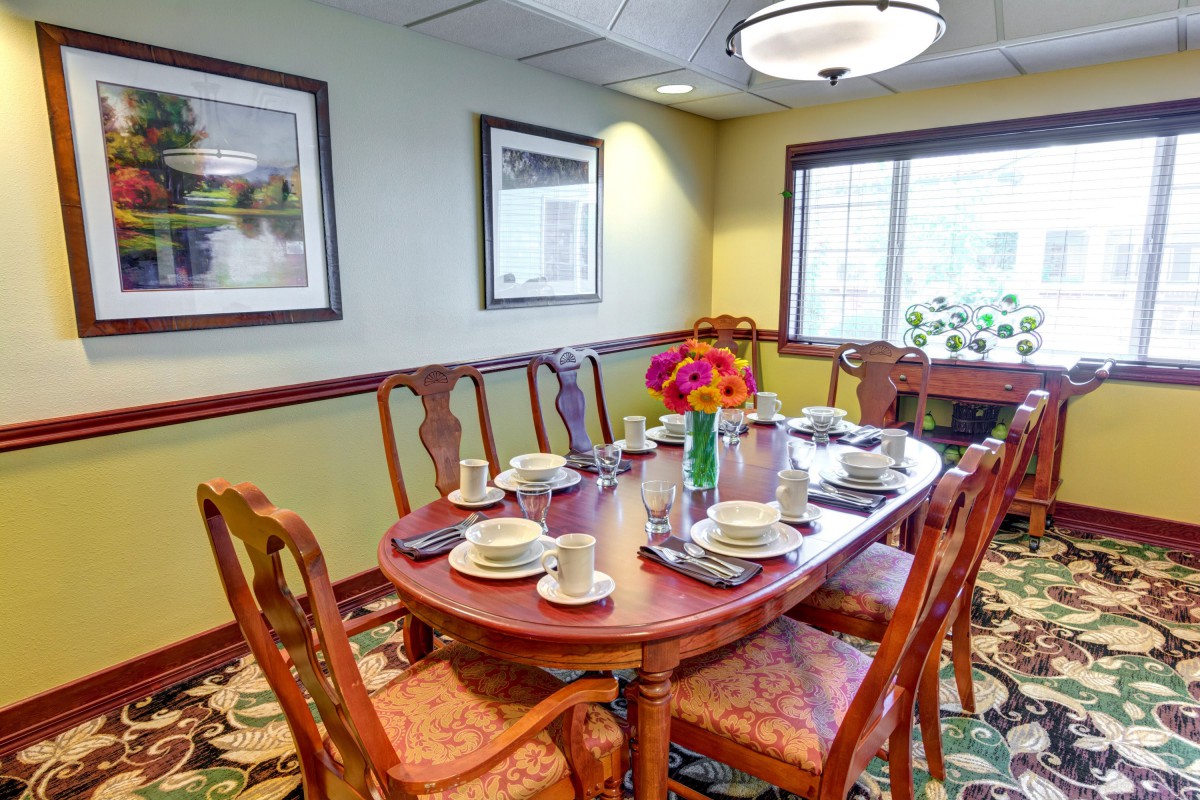
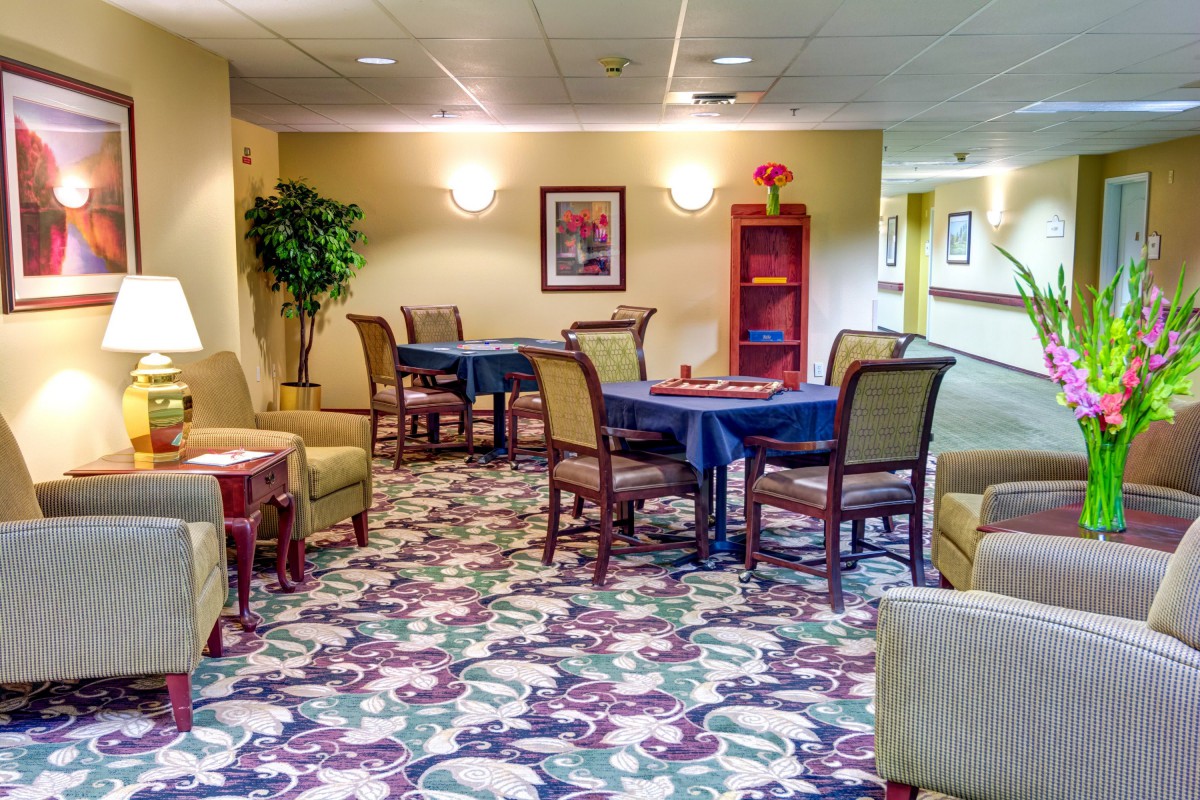
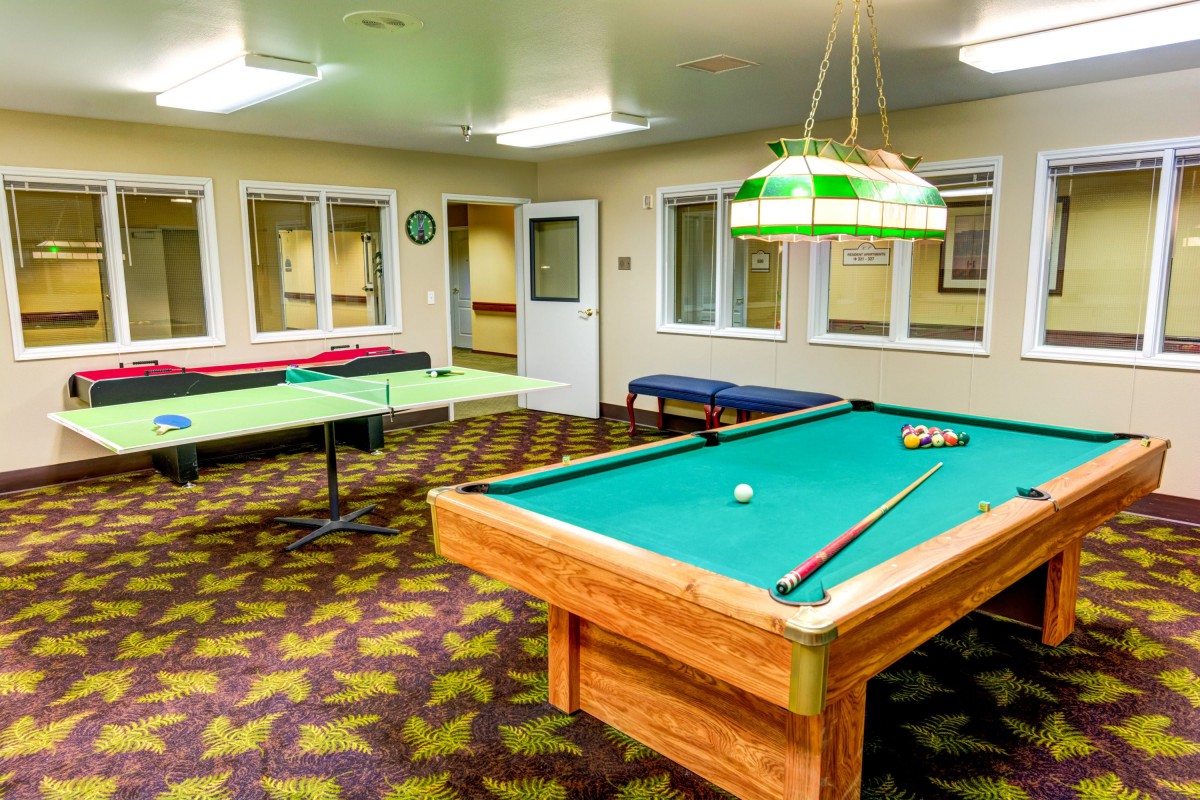
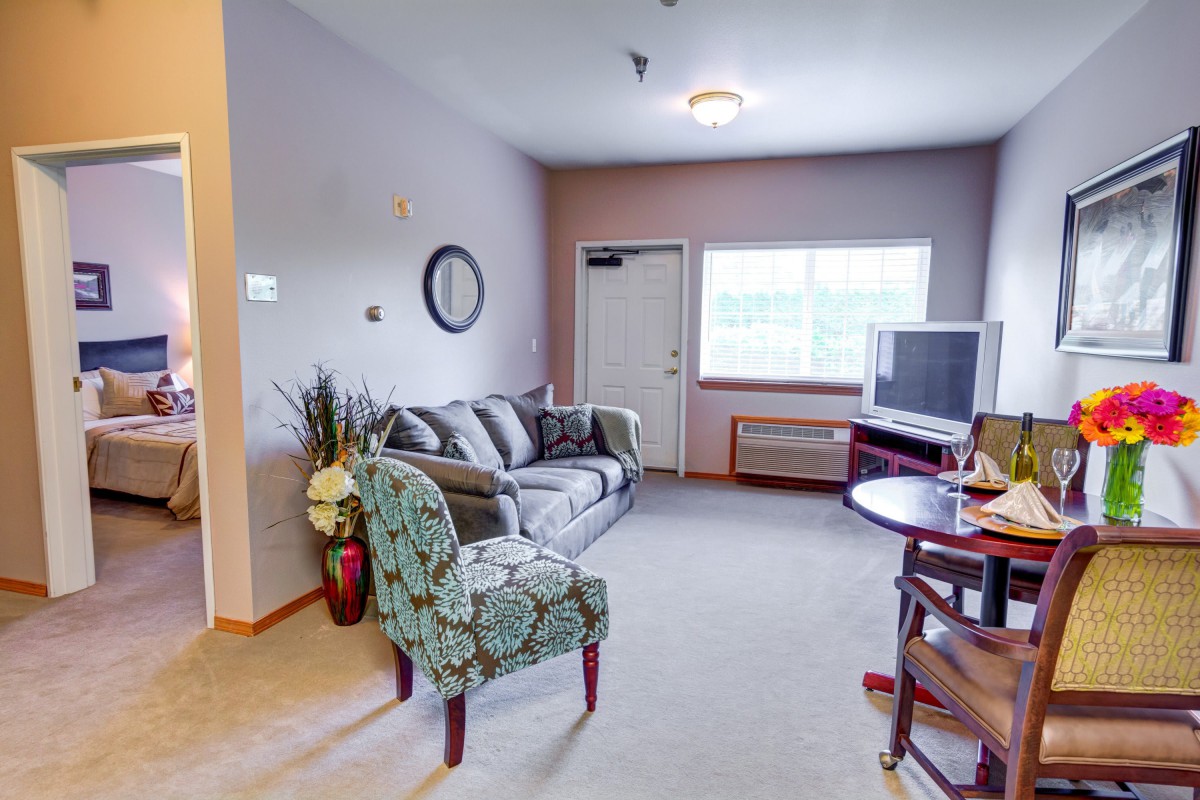
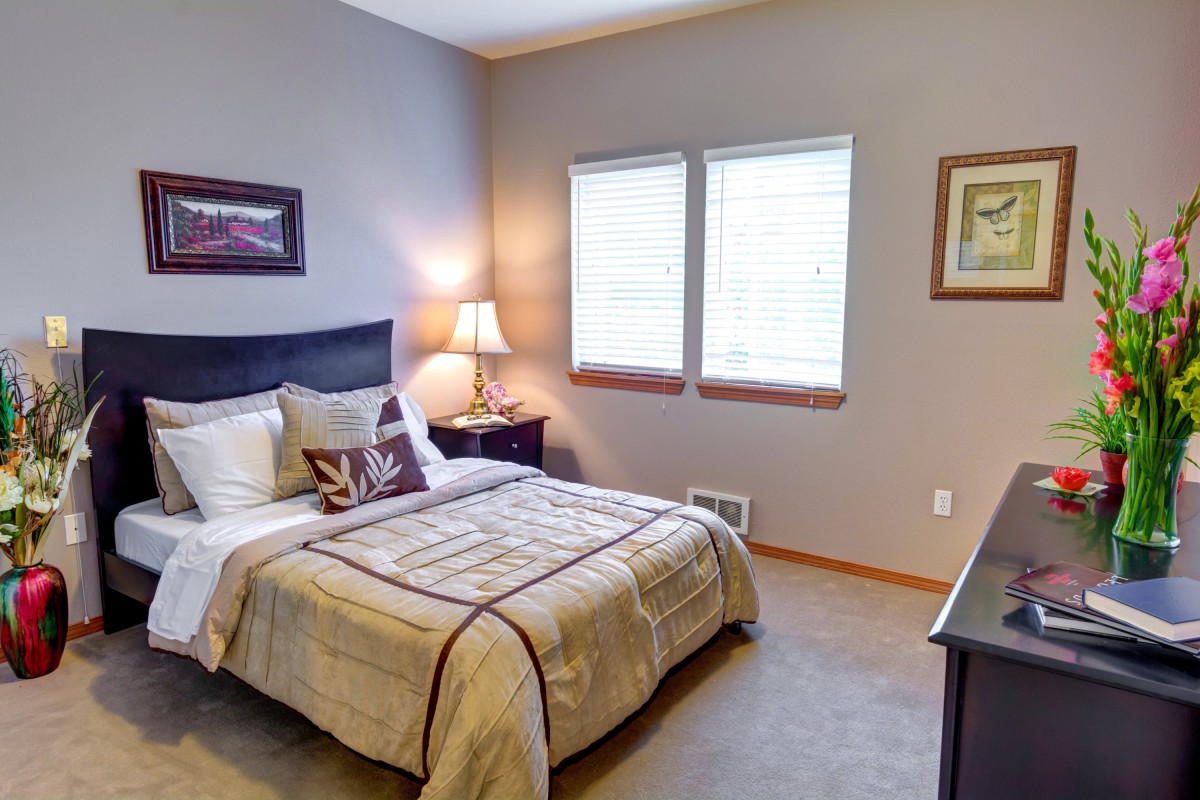
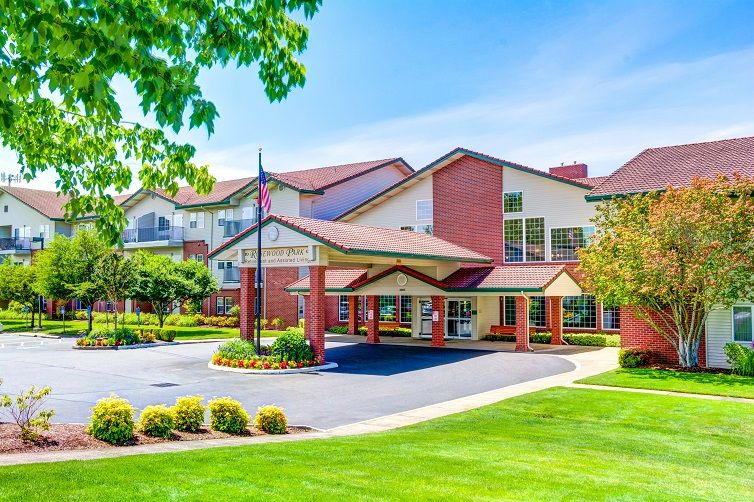
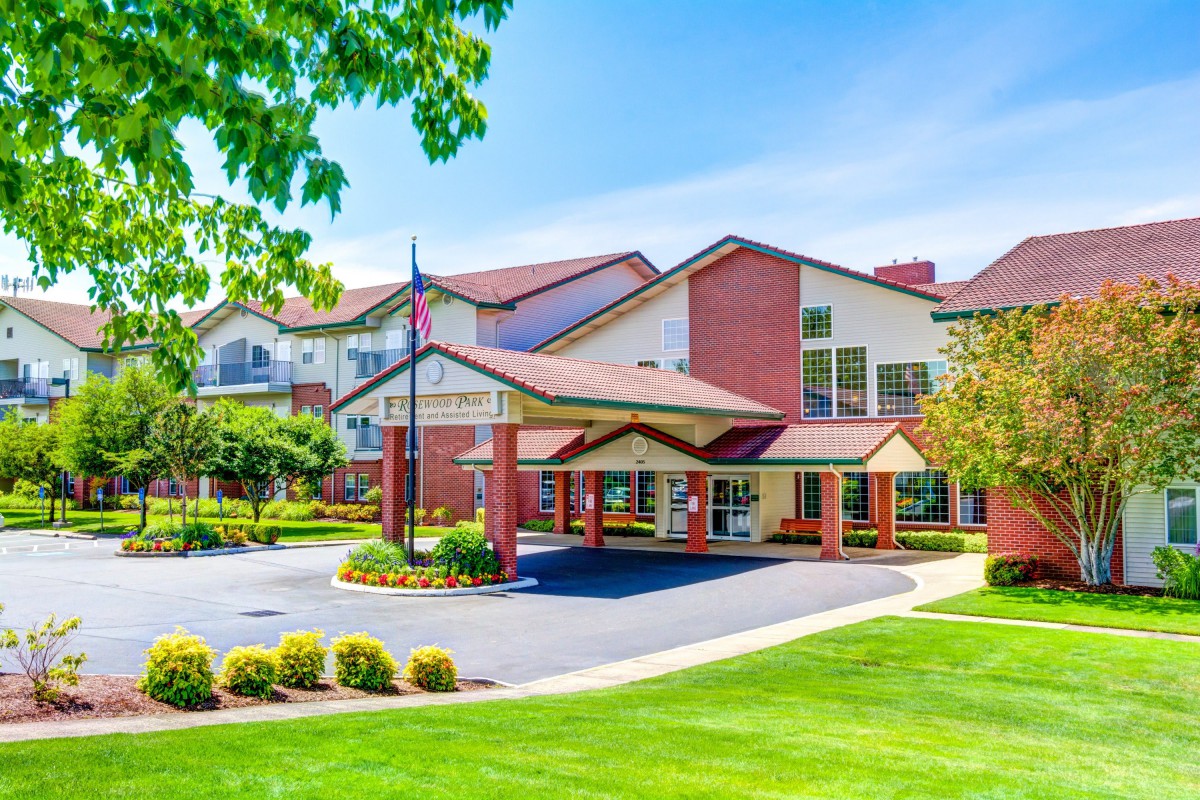
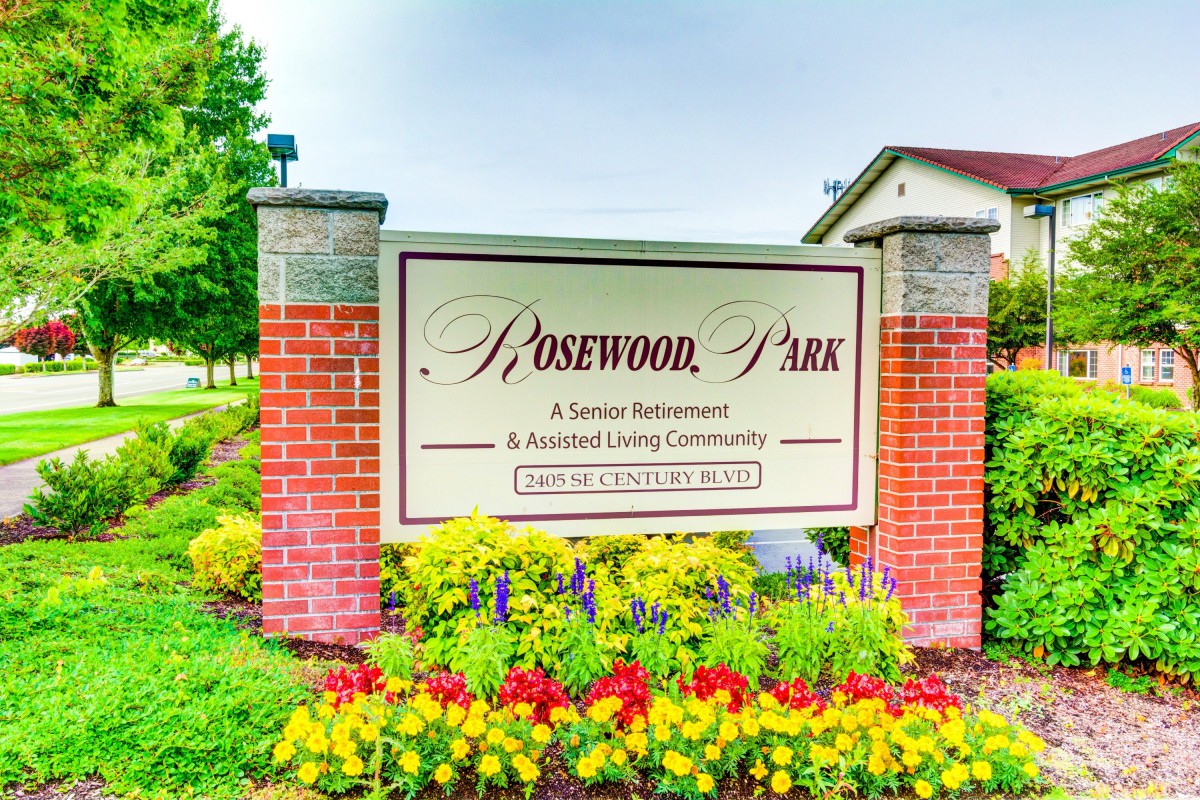
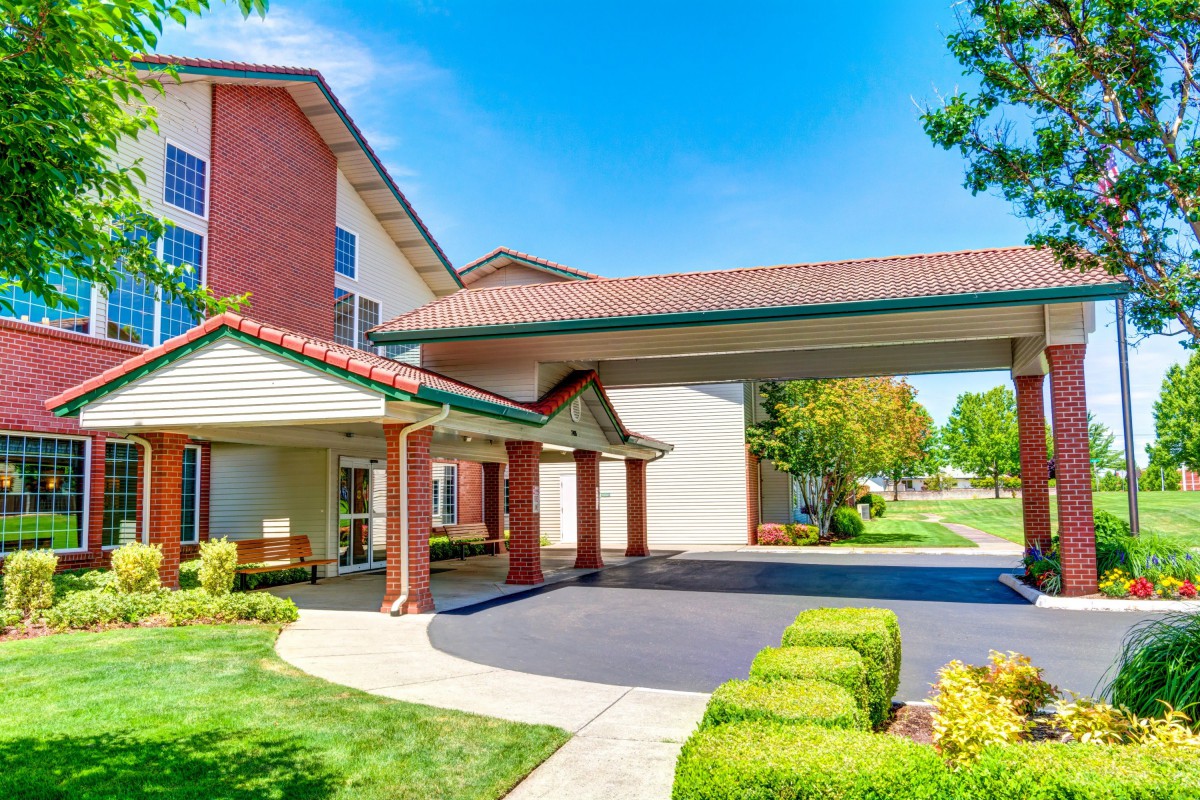
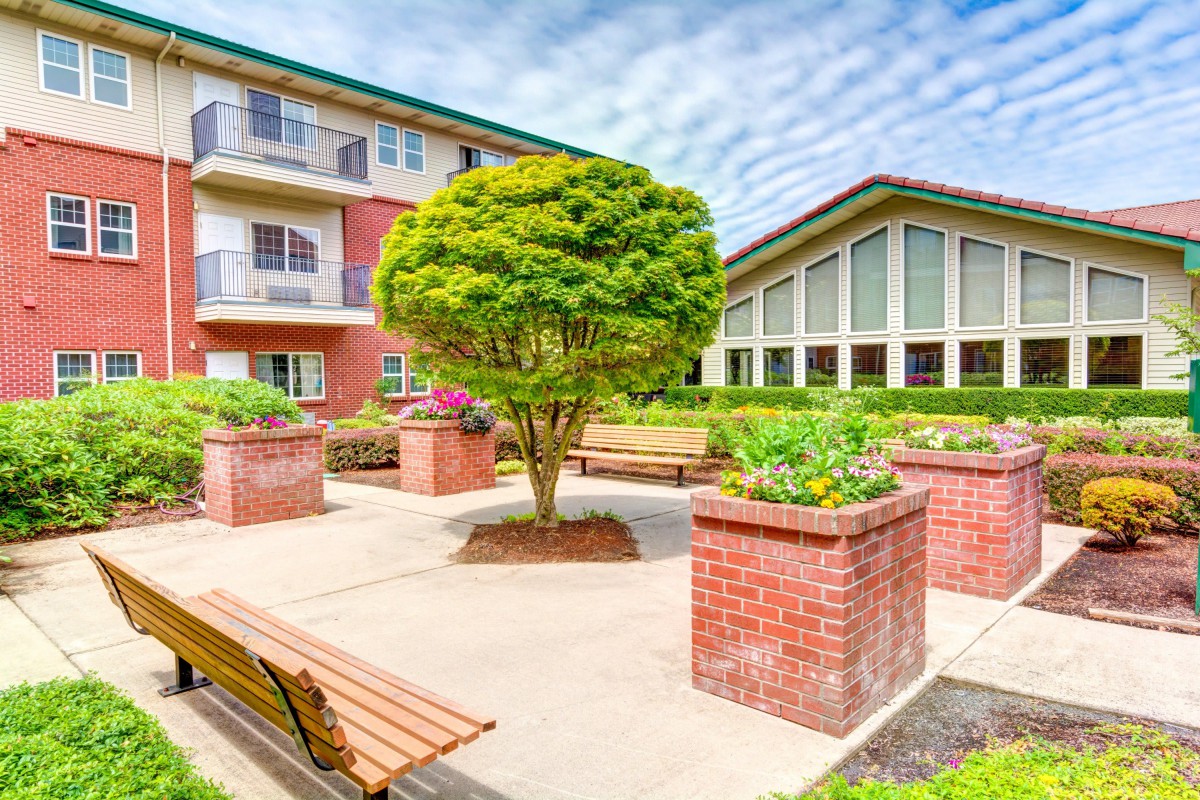
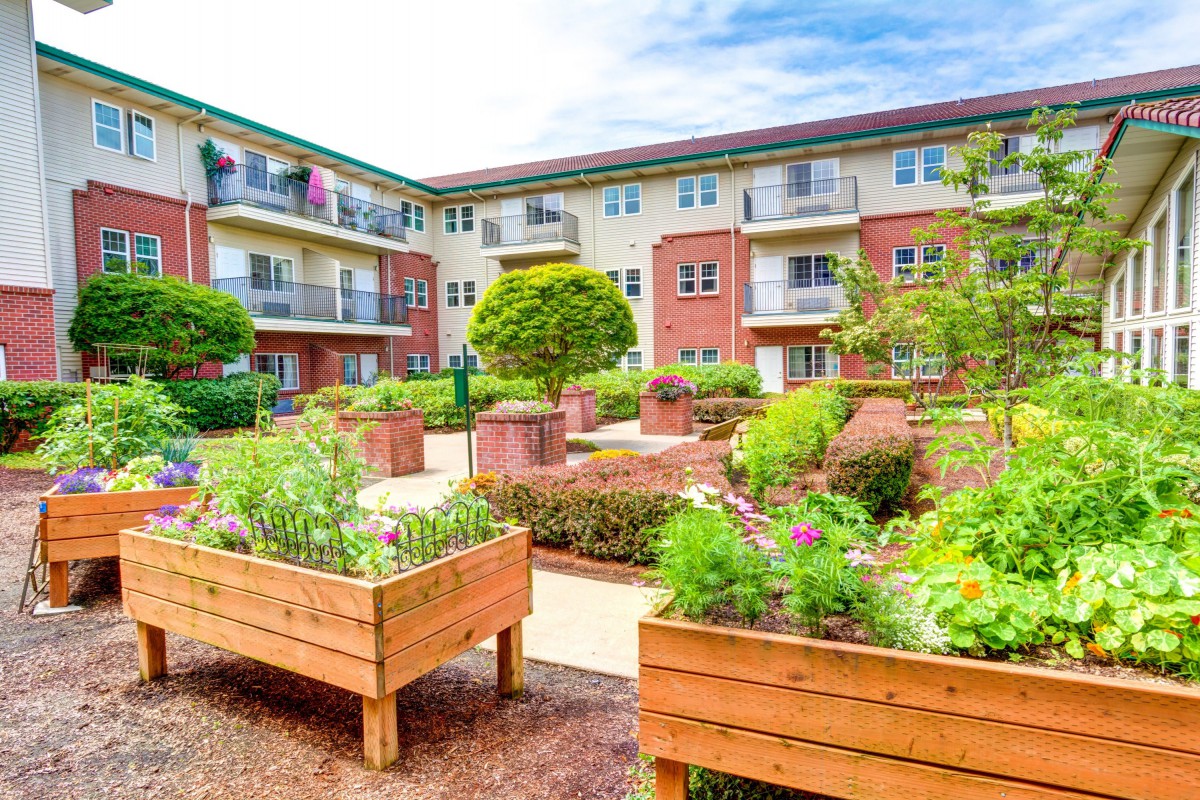
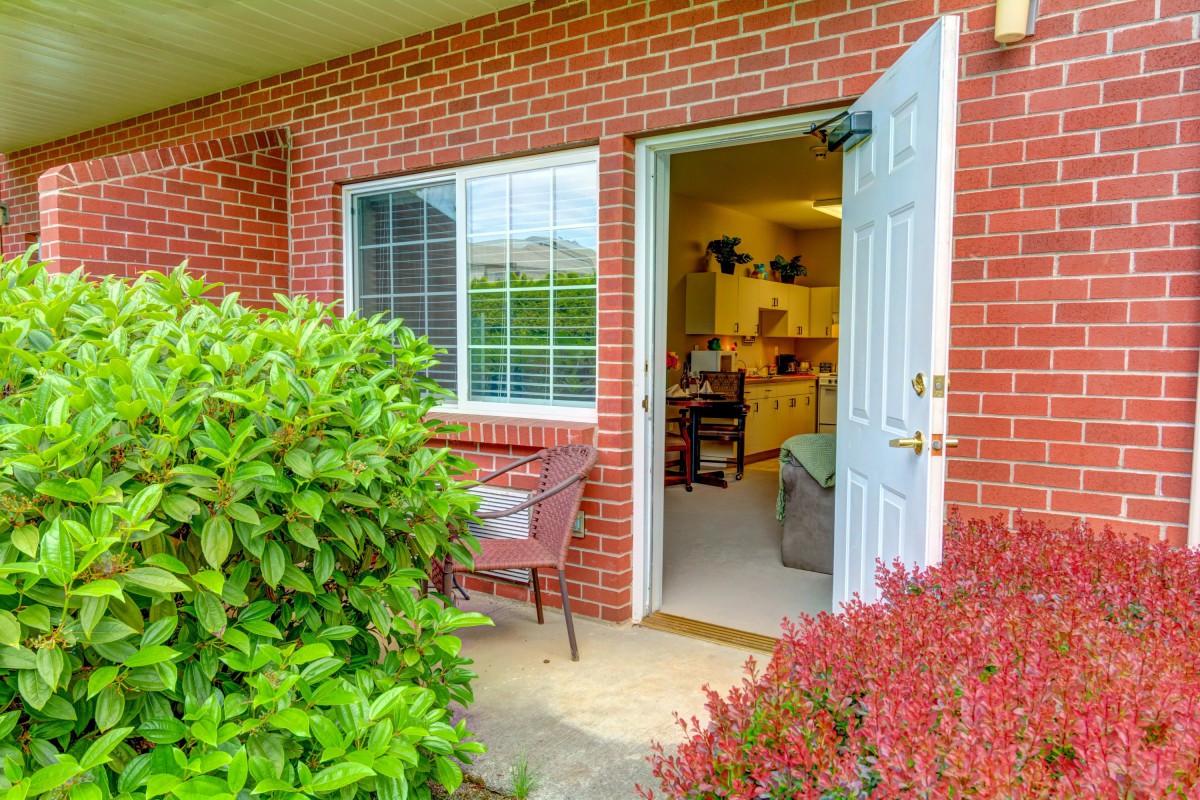
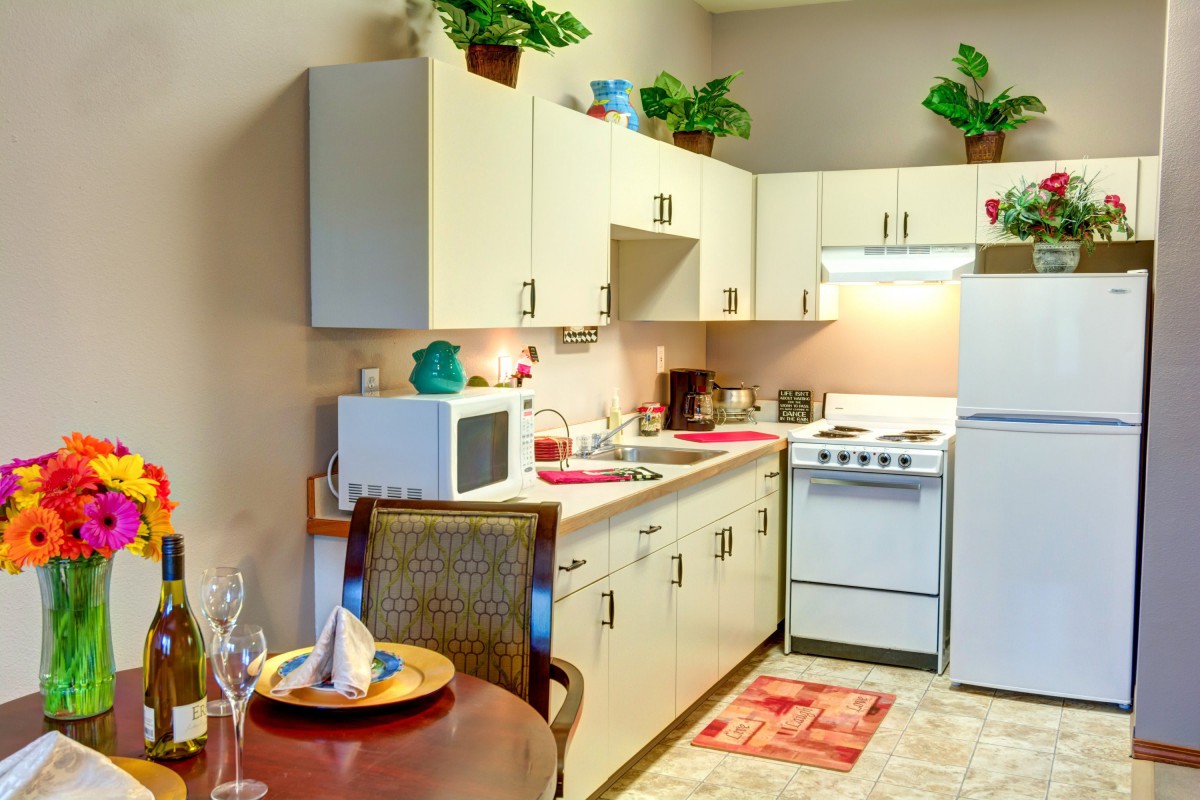
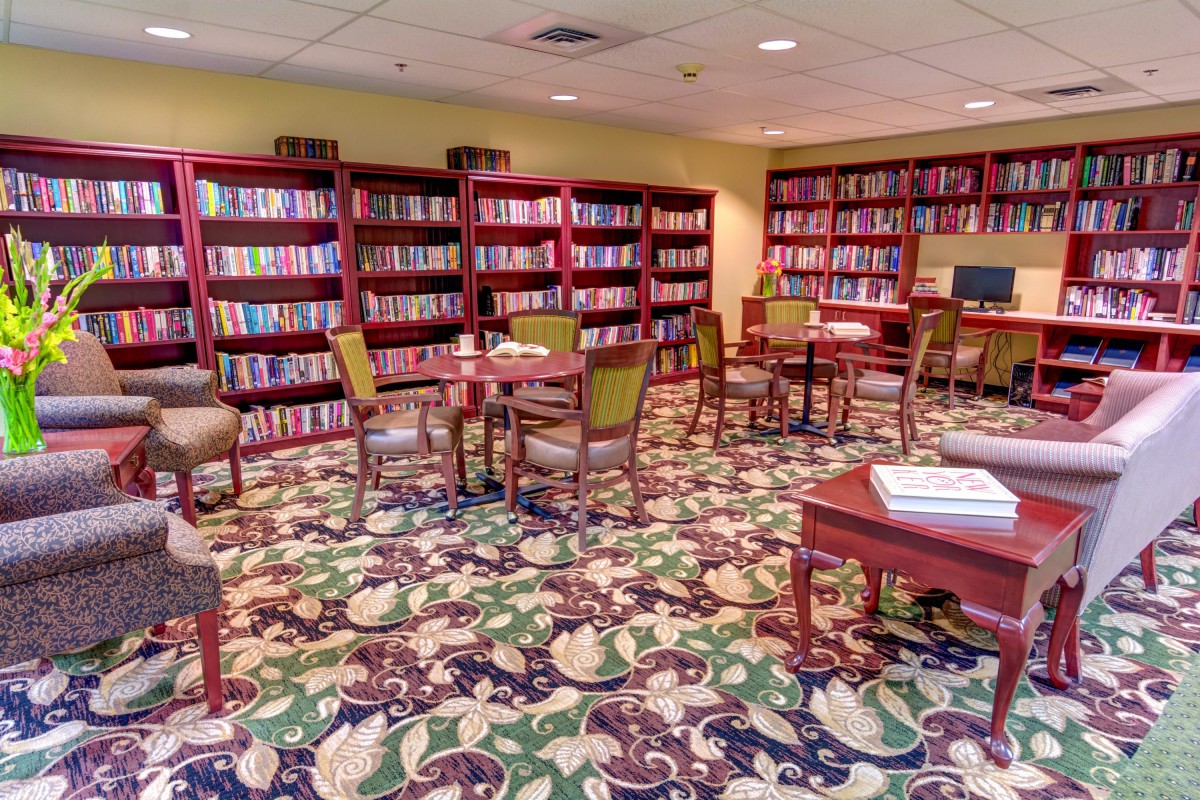
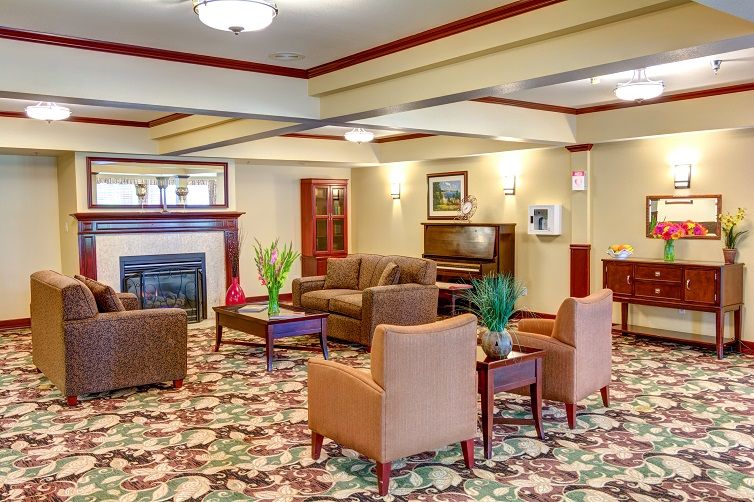
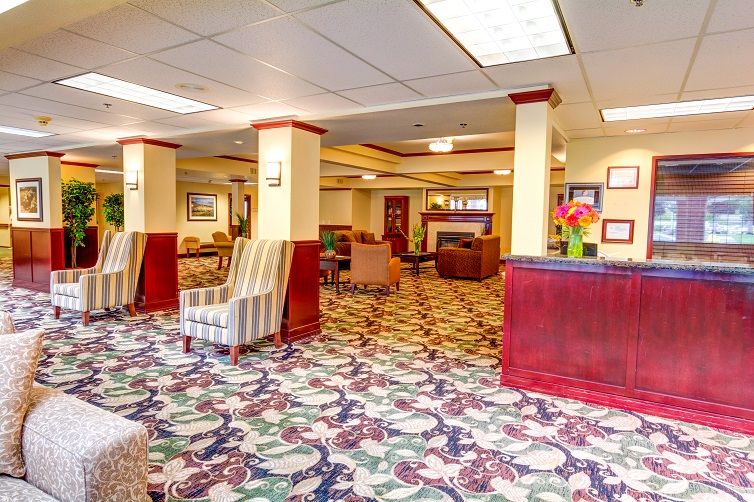
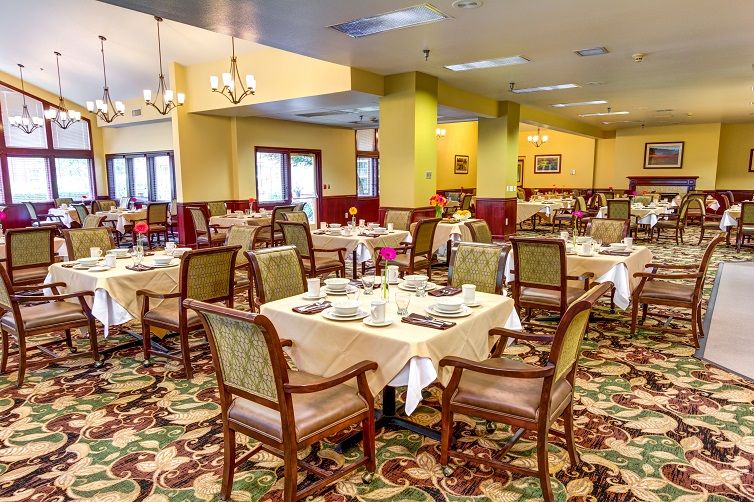
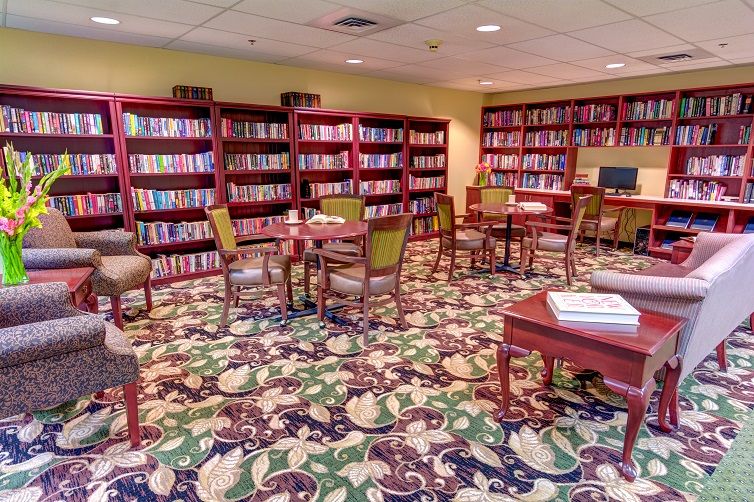
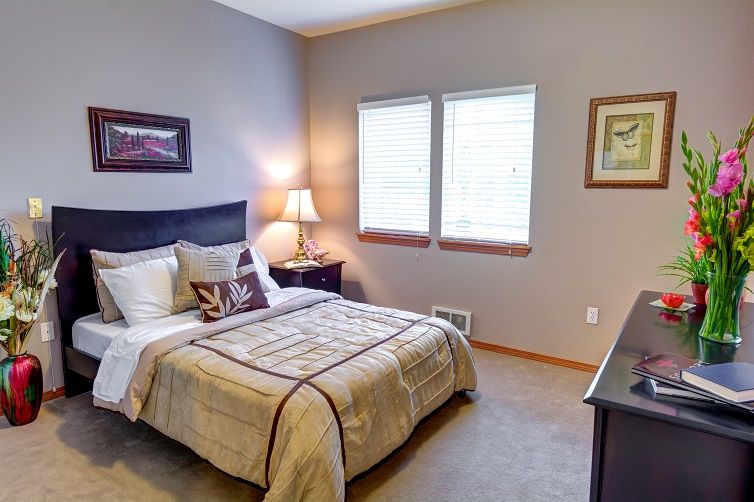
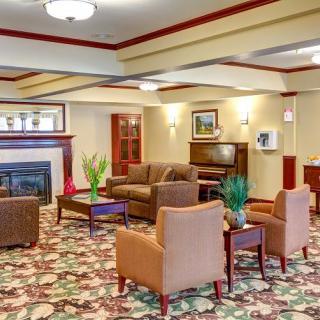
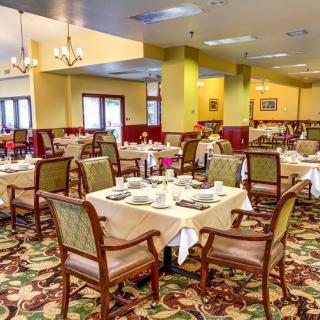
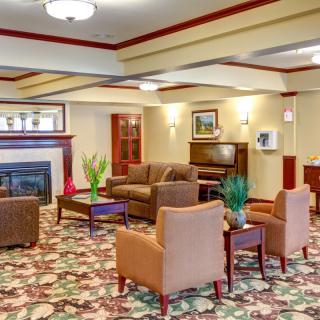
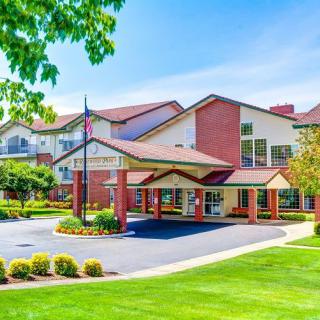
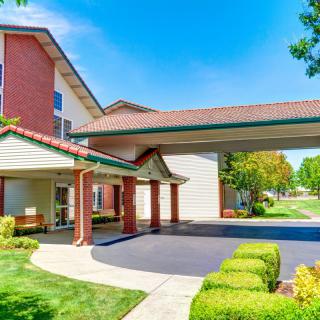
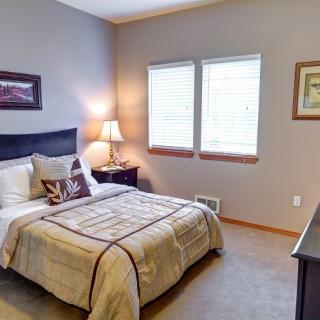
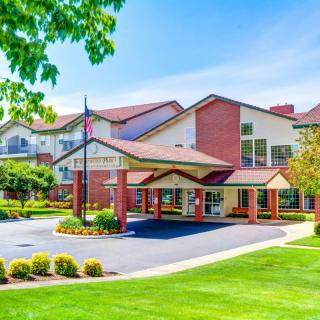
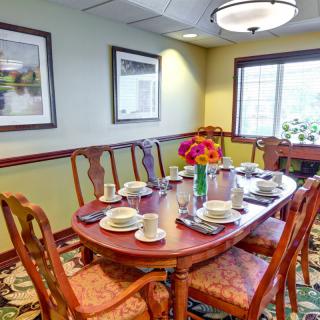
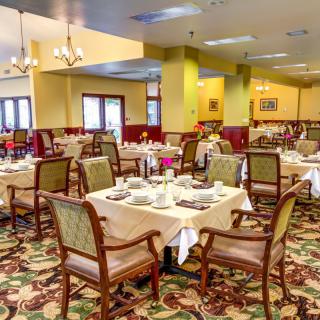
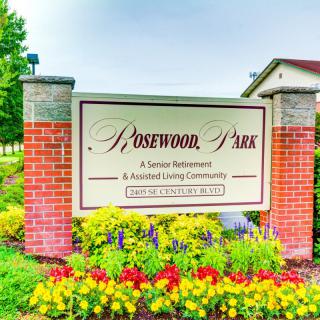
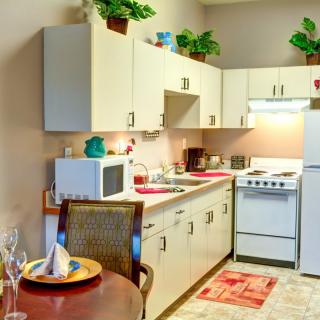
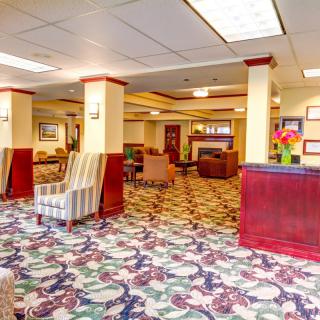
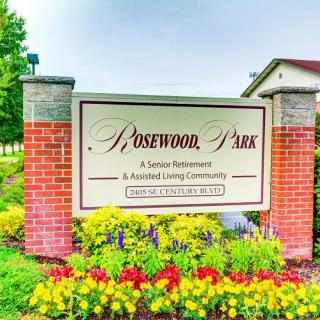
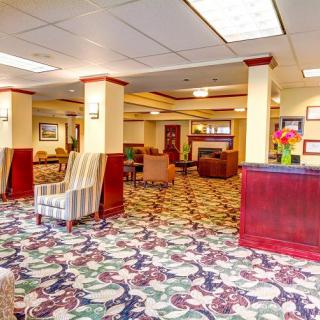
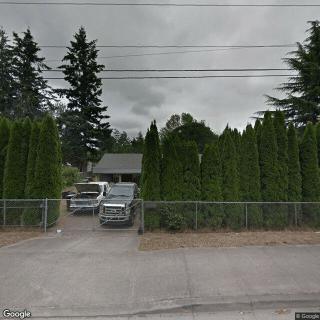
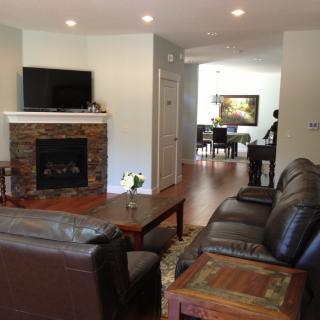
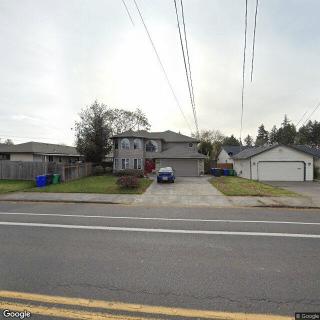
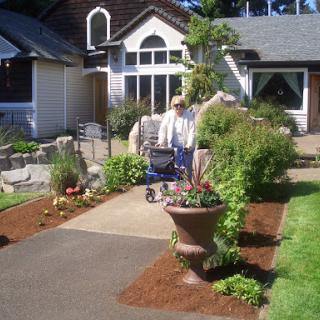
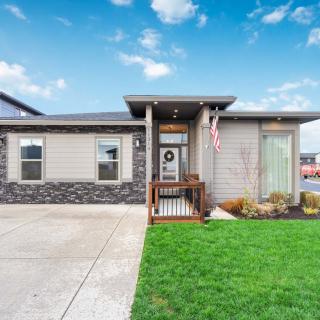
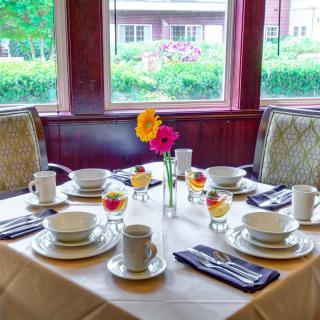
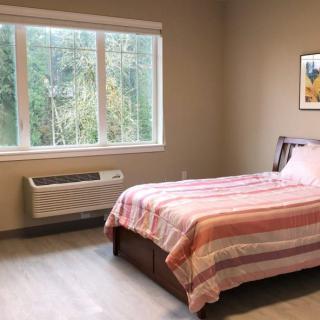
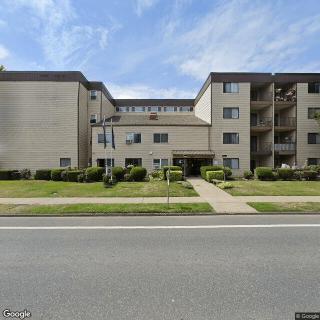
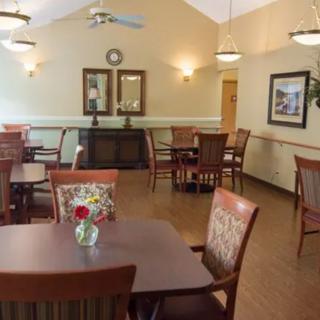
Rosewood Park on seniors.fyi includes 25 photos including images showing interior, landscaping, dining, decor, windows, lobby, seating area, bedroom, and more.
Nearby Communities
Rosewood Memory Care
Hillsboro, OR
4.6 from 27 reviews
$6,140 to $6,585 / month
Caring staff with strong communication, clean and welcoming environment, and diverse activities.
Rosewood Specialty Care
Hillsboro, OR
24/7 supervision with specialized memory care and engaging activities
Crystal Care AFH at Hacienda
Hillsboro, OR
$3,500 / month
Affordable memory care with on-site amenities (beautician, devotional services) and dedicated dementia care.
Ella's Home Care
Hillsboro, OR
3.9 from 23 reviews
$4,000 / month
Spacious private rooms with private baths and patios, with attentive staff and a clean, well-kept environment.
Capusan AFC
Hillsboro, OR
3.7 from 79 reviews
$3,000 to $4,000 / month
Compassionate staff in a warm, homey setting.
The Ackerly At Reeds Crossing
Hillsboro, OR
4.5 from 44 reviews
Comprehensive care options (including memory care) with extensive on-site amenities.
Holi Senior Living
Hillsboro, OR
3.9 from 45 reviews
$4,750 to $5,750 / month
Friendly, caring staff in a clean, well-maintained setting.
Tarkington Square Apartments
Hillsboro, OR
3.3 from 8 reviews
Great access to healthcare and nearby amenities.
Farmington Square Beaverton
Beaverton, OR
4.5 from 136 reviews
$3,850 to $4,760 / month
Caring staff with good meals and a warm, activity-rich environment.
Dementia, influenced by aging and certain medications, may be exacerbated by drug classes such as anticholinergics, benzodiazepines, and antipsychotics, which are associated with cognitive impairment. Regular medication reviews by healthcare professionals are crucial for older adults to manage risks and optimize cognitive health.
Dementia often results in disrupted sleep patterns, leading to excessive daytime sleeping due to factors like brain damage affecting circadian rhythms, medication side effects, and lack of structure in daily activities. Caregivers must monitor these changes closely, as oversleeping can increase risks such as malnutrition or dehydration, and provide necessary support and routines to enhance patient engagement and well-being.
The transition from assisted living to skilled nursing care is often prompted by complex medical needs that assisted living cannot meet, with key indicators including frequent health declines, increased falls, severe memory issues, and caregiver burnout. Families should recognize these signs early to discuss options with healthcare providers and prepare for the emotional and logistical aspects of moving to a facility that offers comprehensive medical support.
Get PricingAsk A QuestionSchedule A TourContact Senior Advisor
By clicking submit, you agree to our Partner's Terms of Use. You
also consent to receive calls and texts, which may be autodialed, from our Partner. Your consent is not a condition to
using our Partner's service. Please visit our Partner's Privacy Policy for information about their privacy practices.

 95 resident community capacity
 1-bedroom apartments
 Assisted Living
 Independent Living
 Memory Care
 Respite Care
 Cats allowed
 Dogs allowed
 Activities off-site
 Air-conditioning
 Bath tubs
 Beautician on-site
 Cable or satellite TV
 Computer center
 Devotional services on-site
 Dining room
 Fitness room
 Full kitchen
 Fully furnished
 Gaming room
 Garden
 Ground floor units
 Handicap accessible
 Hiking trails
 Housekeeping services
 Indoor common areas
 Laundry
 Move-in coordination
 Outdoor common areas
 Party space
 Private bathrooms
 Restaurant-style dining
 Small library
 Telephone
 Wellness center
 Wheelchair accessible showers
 Wi-Fi/high-speed internet available
 Portland International (17 miles away)
 Community operated transportation
 12-16 hour nursing
 24-hour call system
 Ambulatory care
 Assistance with bathing
 Assistance with dressing
 Assistance with transfers
 Diabetes diet
 Diabetic care
 Incontinence care
 Medication management
 Mental wellness program
 Special dietary restrictions
 Art classes
 Bible study group
 Book club
 Concierge services
 Cooking classes
 Day trips and outings
 Educational speakers / life long learning
 Games
Games Live musical performances
 Wii bowling
 Wine tasting
 English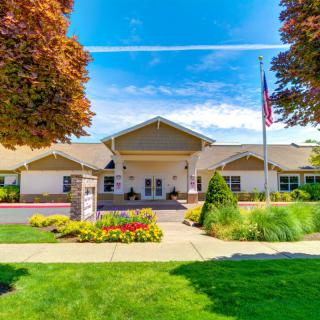
 Caring staff with strong communication, clean and welcoming environment, and diverse activities.

 A Thorough Discussion of Medications Potentially Linked to Dementia Risk
 Why Do Dementia Patients Sleep So Much? Understanding Oversleeping, Stages, and Care Approaches
 8 Key Indicators That Suggest It May Be Time to Transition from Assisted Living to Skilled Nursing Care