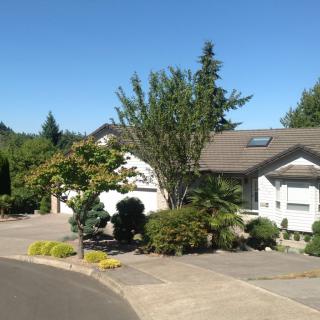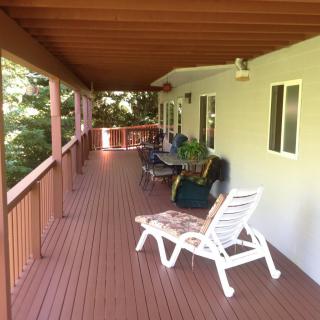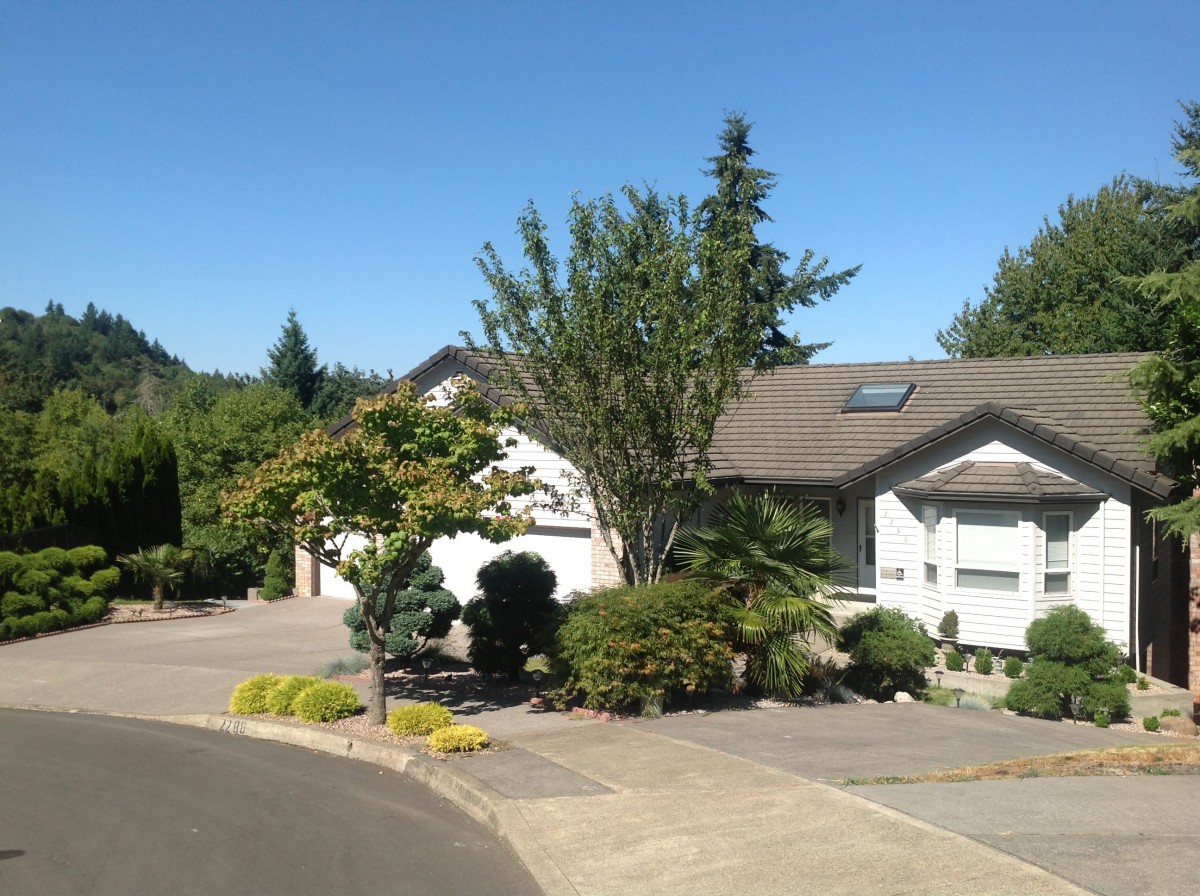
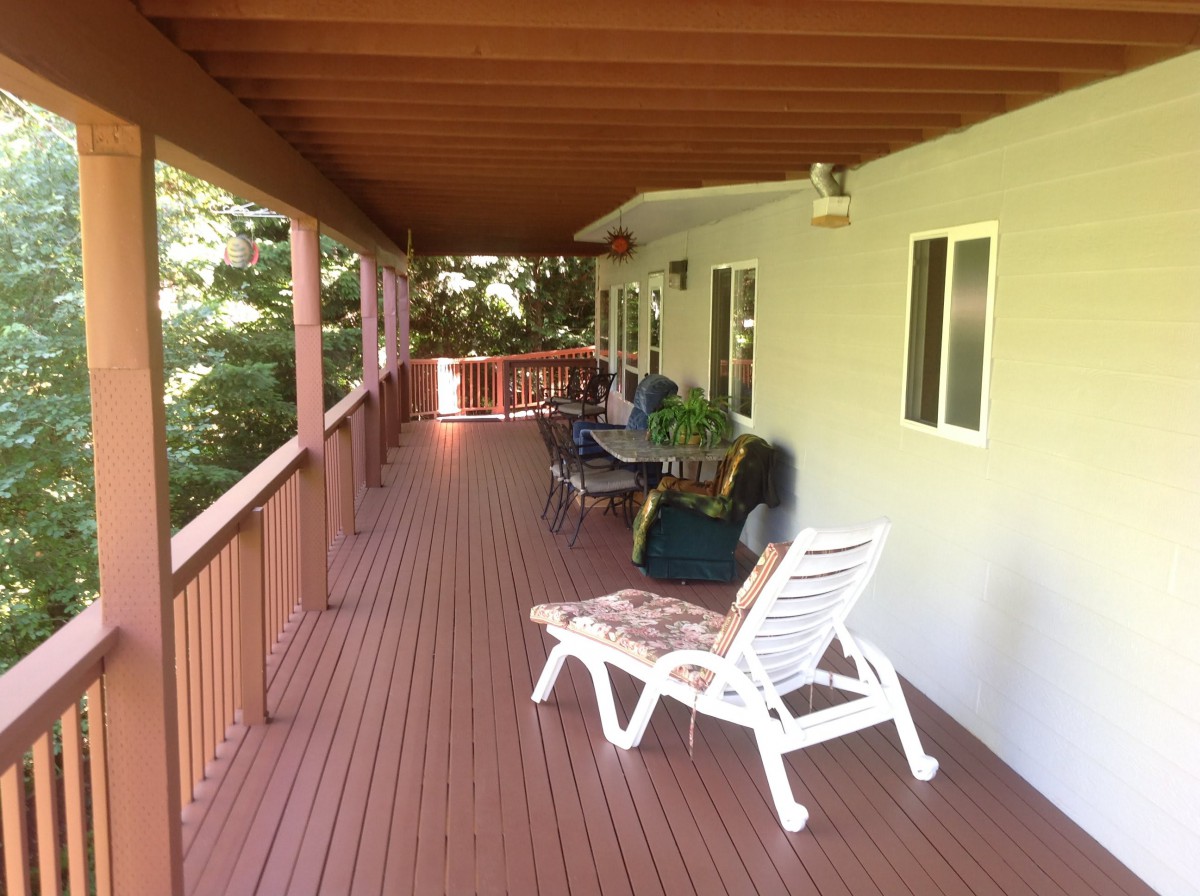
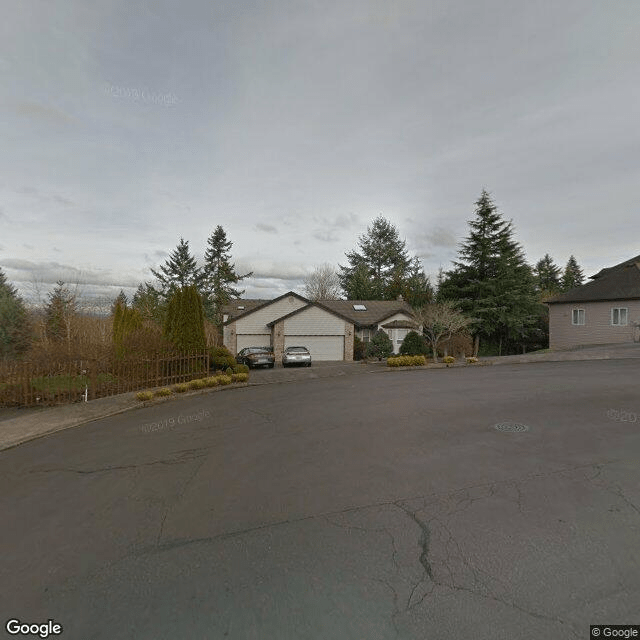
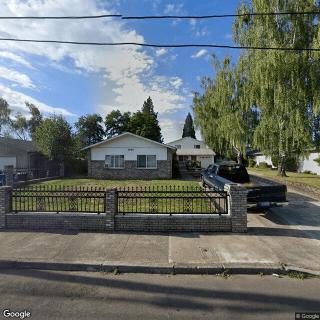
2288 SE Mignonette Ct, Gresham, OR 97080
To contact a resident: (503) 975-6777
For more information about senior living options: (866) 208-4318
Pleasant View Adult Care Home Costs & Pricing
Pleasant View Adult Care Home offers competitive pricing for its residents in comparison to both Multnomah County and the broader state of Oregon. For private rooms, costs range from $3,400 to $4,000 per month, positioning the facility slightly above the county average of $3,227 but below the state average of $3,424. In terms of semi-private accommodations, Pleasant View's fixed monthly rate of $3,500 is notably more affordable than Multnomah County's average of $4,011 and also less than Oregon's higher state average of $4,457. This pricing structure reflects Pleasant View's commitment to providing quality care at a value that remains accessible within the regional market.
| Floor plans | Pleasant View Adult Care Home | Multnomah County | Oregon |
|---|---|---|---|
| Private | $3,400 to $4,000 | $3,227 | $3,424 |
| Semi-Private | $3,500 | $4,011 | $4,457 |
Senior living communities with a similar price nearby
-
from +$400 / mo

The Inn at University Village
$3,800 to $7,500 / month19.3 miles away -
from -$400 / mo
A Piece of Heaven
$3,000 / month9.1 miles away -
from +$600 / mo
Oaktree Adult Care Home
$4,000 / month14.0 miles away -
from -$400 / mo
Yamhill Senior Care Home
$3,000 / month4.2 miles away -
from -$400 / mo
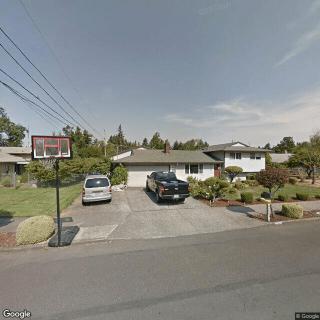
Peaceful Lighthouse Adult Care Home
$3,000 / month3.8 miles away
Overall Review of Pleasant View Adult Care Home
Pros
 The Miller family were her devoted caregivers.
- They treated her with endless patience, compassion, and respect.
- They created a calm, loving environment that made her feel safe and cared for.
- Beyond professionalism, they brought warmth and humanity into their home.
- Pleasant View Adult Care Home quietly stands out as a place that genuinely feels like home.
- It blends the intimacy of a family setting with the professionalism of experienced caregivers.
- The home is clean, well-kept, and thoughtfully arranged.
- Meals are home-cooked, with attention to dietary needs and preferences, and residents’ input is valued.
Cons
 The mom had dementia and could be quite difficult at times.
- The website incorrectly listed Pleasant View Adult Care Home as closed.
Review
Pleasant View Adult Care Home in Gresham, OR is best suited for families seeking a genuinely home-like, intimate setting for a loved one who benefits from exceptionally personalized attention and steady, compassionate care, especially in circumstances where memory challenges or dementia are present. This community operates as a small, residential house rather than a clinical campus, and it shows in the way residents are treated as people with history, preferences, and daily rituals. It works best for families prioritizing warmth, dignity, and a quiet, non-institutional environment where staff form real, ongoing relationships with both residents and their families. The suburban setting reinforces a sense of safety and routine that can help a vulnerable senior feel settled and respected day after day.
There are clear reasons to consider alternatives for some families. If a loved one requires robust on-site medical oversight, 24/7 licensed nursing coverage, or a stringent, highly structured program, something closer to a traditional assisted living campus, this smaller home may feel short on clinical depth. For those who want a broad calendar of organized activities, extensive on-site amenities, or proximity to specialized medical services and specialists, a larger facility with more resources could be a better fit. Additionally, when independence is a high priority and the goal is a bustling, activity-filled lifestyle, the more modest, home-based model at Pleasant View may not satisfy every preference.
The strongest positives are hard to overlook. The resident-to-caregiver ratio is notably low, which translates into more individualized attention and a sense that each person is known, not just cared for as a chart note. Families consistently describe a staff that listens, engages, and treats residents with genuine kindness and respect, not as tasks to complete. The homey atmosphere, soft lighting, a thoughtfully arranged interior, and meals that are home-cooked and responsive to dietary needs, supports dignity and comfort over formality. The consistency of care, the way staff remember personal stories, and the ease with which residents can engage in small acts of daily life, grabbing a favorite breakfast, tending a garden, sharing a joke, combine to create a truly human environment.
Those strengths are meaningful because they offset the main trade-offs inherent in smaller, residential care settings. The lack of showroom polish and the absence of a large staff structure can feel like a drawback to families seeking high-intensity programming or clinical sheen, but those same traits protect the core value: authentic engagement. In practice, the intimate scale means fewer people to learn and remember each resident’s quirks and routines, which in turn supports safety, continuity, and meaningful participation in daily life. For a person who thrives on familiarity and steady, personalized interactions, the environment delivers a level of dignity that larger facilities often struggle to sustain.
Prospective families should enter conversations with a clear checklist. Ask about each resident’s day-to-day schedule and how much flexibility exists within meals, activities, and rest periods. Inquire about staff experience with dementia care, medication management, and what on-site medical support looks like, if any licensed nurse is regularly available, and how emergencies are handled. Visit to observe how staff interact with residents, note whether personal preferences are honored, and gauge whether the home’s calm, non-institutional vibe matches the loved one’s temperament and needs. Also verify current status and hours of operation, since online listings have caused some confusion in the past; a quick call to confirm ownership and occupancy can save heartache later.
In the end, Pleasant View stands out as a superb choice for families prioritizing intimate, respectful, relationship-driven care in a cozy, home-like setting. It is especially compelling for those whose loved ones flourish with lower caregiver ratios, consistent routines, and genuine human connection rather than the bells and whistles of a larger campus. If clinical intensity, maximal programming, or rapid access to a wide array of medical services is non-negotiable, alternatives should be explored. For many families, this is the kind of place where a senior can age with dignity, comfort, and a sense of belonging, precisely the kind of decision that fewer miles on the care journey often translates into fewer worries at home.
 Board and Care Home
 Activities on-site
 Beautician on-site
 Devotional services on-site
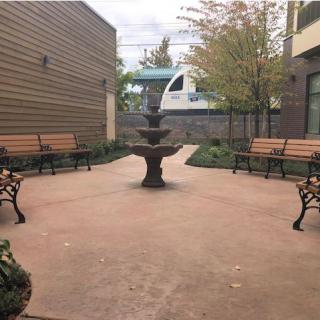
 Indoor common areas
 Outdoor common areas
 Private
 Private bathrooms
 Respite or short term stays offered
 Wheelchair accessible showers
 Portland International (11 miles away)
 Ambulatory care
 Diabetic care
 High acuity care
 Incontinence care
 Medication management
 Kosher
 Adventist services
 Buddhist services
 Islamic services


 Top Canine Companions for Older Adults
 Comprehensive Guide to Blood Pressure Charts for Older Adults: Understanding Normal and High Readings by Age
 Financing Long-Term Nursing Home Care Through Social Security: A Thorough Exploration