
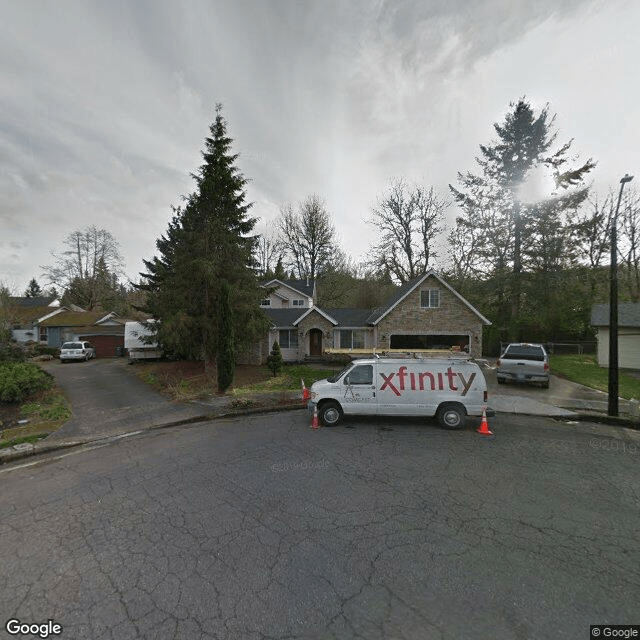
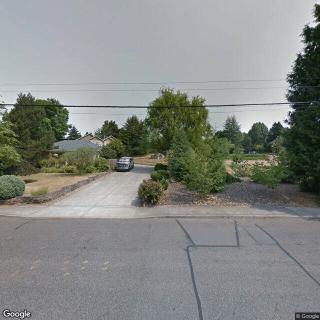
1535 SE Evelyn Ct, Gresham, OR 97080
To contact a resident: (503) 515-5079
For more information about senior living options: (866) 208-4318
Angels Place Adult Foster Care Costs & Pricing
Angels Place Adult Foster Care offers a private room for $3,900 per month, which is notably higher than the average costs in both Multnomah County and the broader state of Oregon. In Multnomah County, the average monthly cost for similar accommodations is approximately $3,227, while the state-wide average stands at around $3,424. This pricing reflects the specialized services and personalized care provided at Angels Place, indicating a premium experience that may cater to individuals seeking enhanced support and community engagement in their living arrangements. While the costs are above local and state averages, they may be justified by the quality of care and individualized attention residents receive.
| Floor plans | Angels Place Adult Foster Care | Multnomah County | Oregon |
|---|---|---|---|
| Private | $3,900 | $3,227 | $3,424 |
Senior living communities with a similar price nearby
-
About the same

The Inn at University Village
$3,800 to $7,500 / month19.3 miles away -
About the same
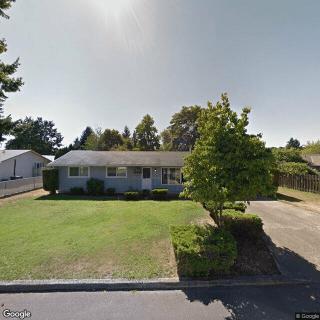
Oaktree Adult Care Home
$4,000 / month14.6 miles away -
from +$600 / mo
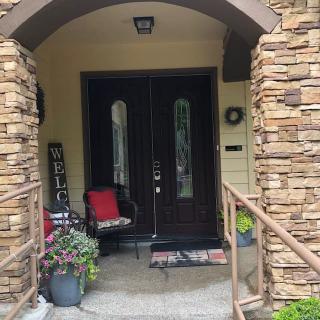
Casa Shattuck Senior Care
$4,500 / month15.0 miles away -
from -$400 / mo
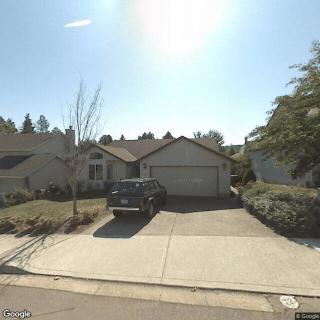
Fulga's ACH
$3,500 / month20.8 miles away -
from -$400 / mo

Family and Company NW
$3,500 to $3,800 / month21.0 miles away
Overall Review of Angels Place Adult Foster Care
Pros
 Angels Place provides exemplary, personalized home care.
- Lydia is a wonderful and very caring person.
- The facility is incredibly clean and well maintained.
- Angels Place Adult Foster Care takes good care of residents.
- The home is very clean and has a loving environment.
- The staff are very caring and attentive to residents’ needs.
- The meals provided are well balanced.
- Lydia, the owner, is amazing, loving, and caring.
- The mother is doing great at this community.
Review
Angels Place Adult Foster Care in Gresham is best suited for seniors who prosper in a small, home‑like setting where care is intensely personalized and families want steady, hands‑on oversight rather than the pace of a larger facility. The community excels for individuals needing intimate care, whether it’s ongoing daily assistance, rehabilitative support, or end‑of‑life care through hospice services. It is particularly well matched to families that prize a clean, quiet environment, consistent attention to daily preferences, and a caregiver team that feels like an extension of the family rather than a corporate operation.
The strongest, undeniable upside is the one‑on‑one attention and highly personalized care. Residents benefit from a consistently clean and well‑maintained home where staff know routines, preferences, and dietary needs. The care team attends to individual requests promptly, often going out of their way to support preferred meals and activities. The setting supports rehab or hospice transitions with continuity and a level of warmth that can be hard to find in larger settings. In short, the intimate scale allows caregivers to monitor changes quickly and tailor responses to evolving conditions.
Another clear strength is the owner‑operator model, anchored by Lydia, described as amazing, loving, and highly attentive. This leadership style translates into a cohesiveness that families notice quickly: care plans feel coherent, communication is direct, and adjustments are made with a sense of urgency. The environment itself reinforces that sentiment, loving, supportive staff, and a home atmosphere that helps seniors adjust to changes in health status or daily routine. The combination of personal attention, a calm setting, and attentive cooking contributes to peace of mind for families who fear their loved ones may feel neglected or isolated in a larger facility.
Yet, this setting is not the right fit for everyone. Prospective residents who require more formal, round‑the‑clock medical oversight, highly structured memory‑care programming, or large‑scale social activities may want to consider alternatives. Angel Place’s strengths, the small scale, intimacy, and family‑like atmosphere, can be a mismatch for seniors who need extensive skilled nursing, complex medical protocols, or programs designed for high‑needs cognitive care. For those families, a bigger assisted living community or a memory‑care focused facility may deliver the level of medical staffing and diversified programming that a larger operation can provide.
The core advantages do offset potential drawbacks for the target demographic. The personal attention, quick responsiveness, and clean, comforting environment directly counterbalance any limitations inherent in a smaller setting. The ability to offer familiar meals, neighborly walks around the property, and flexible routines reduces anxiety and promotes continuity in daily life. While it may lack the bells and whistles of larger campuses, the perception of safety, dignity, and individualized care remains outstanding. The hospice and rehabilitation pathways are integrated in way that preserves choice and dignity, which is a powerful offset for families weighing quality of life concerns.
For families making a decision, the practical takeaway is clear: Angels Place is the choice for those prioritizing warmth, attentiveness, and an intimate care environment over formal amenities or expansive programming. Visit to meet Lydia and the caregiving team will reveal whether the home atmosphere and personalized approach align with the senior’s health needs and personality. If choosing this path, approach the decision with questions about staff ratios, what specific rehabilitative services are available, and how meal planning can accommodate changing tastes or dietary restrictions. When those factors align, Angels Place stands out as a trustworthy, compassionate option that delivers real peace of mind.
 Board and Care Home
 Activities on-site
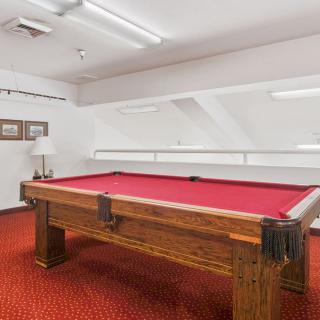
 Indoor common areas
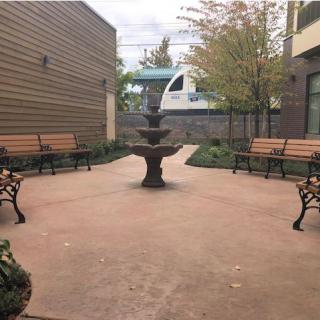
 Outdoor common areas
 Private
 Private bathrooms
 Wheelchair accessible showers
 Portland International (11 miles away)
 Ambulatory care
 Diabetic care
 High acuity care
 Incontinence care
 Medication management
 Meals provided


 Top Canine Companions for Older Adults
 Comprehensive Guide to Blood Pressure Charts for Older Adults: Understanding Normal and High Readings by Age
 Financing Long-Term Nursing Home Care Through Social Security: A Thorough Exploration