
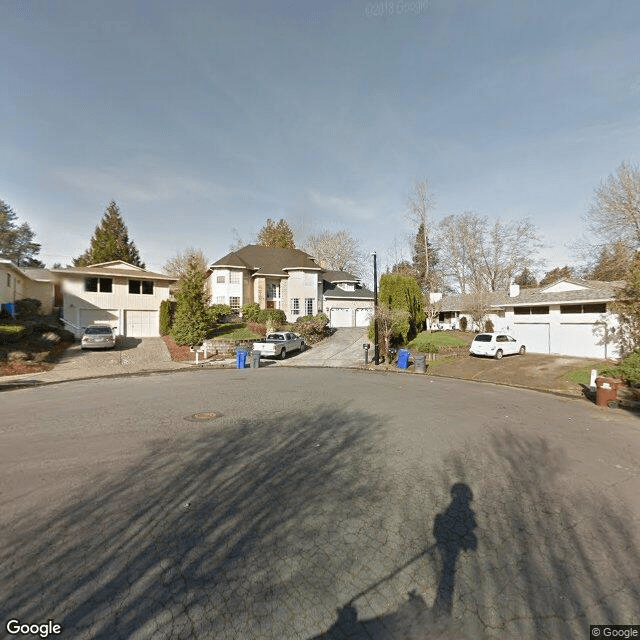
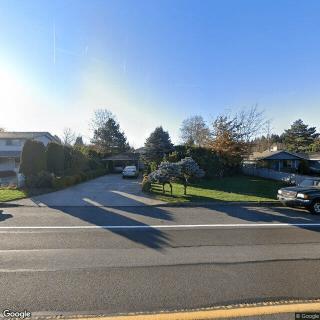
175 NE Olvera Court, Gresham, OR 97030
To contact a resident: (503) 328-8676
For more information about senior living options: (866) 208-4318
Comfort Living Adult Care Home, LLC Costs & Pricing
Comfort Living Adult Care Home, LLC offers competitive pricing for its private room accommodations, charging $2,800 per month. This rate stands in stark contrast to the average costs within Multnomah County, which are approximately $3,227, and statewide in Oregon where prices reach around $3,424. Comfort Living's pricing strategy not only provides a more affordable option for residents but also highlights its commitment to delivering quality care without the substantial financial burden often associated with similar facilities. By positioning itself below both county and state averages, Comfort Living Adult Care Home ensures that individuals seeking compassionate care have access to a welcoming environment at a more manageable cost.
| Floor plans | Comfort Living Adult Care Home, LLC | Multnomah County | Oregon |
|---|---|---|---|
| Private | $2,800 | $3,227 | $3,424 |
Senior living communities with a similar price nearby
-
from +$200 / mo
A Piece of Heaven
$3,000 / month11.1 miles away -
from -$300 / mo

Mapleview Manor, LLC
$2,500 / month10.7 miles away -
from +$200 / mo
Yamhill Senior Care Home
$3,000 / month5.3 miles away -
from +$200 / mo
Peaceful Lighthouse Adult Care Home
$3,000 / month3.8 miles away -
from -$300 / mo
A Gentle Care Home
$2,500 / month6.1 miles away
Overall Review of Comfort Living Adult Care Home, LLC
Pros
 The environment is clean, orderly, and well maintained.
- Residents look well cared for and happy.
- The staff are kind, caring, and dedicated, and they go above and beyond to help.
- They practice thorough Covid safety protocols, including mask-wearing and visitor screening.
- It feels like a true group home.
- The home earns top ratings for environment and care.
- Families would absolutely recommend this home to others.
Cons
 The mom is not a fan of pets, so the home was not suitable for her needs.
Review
Comfort Living Adult Care Home in Gresham is best suited for seniors who want a warm, home-like atmosphere with hands-on, compassionate caregiving. It fits residents who do not require hospital-level medical care but do need daily assistance, medication management, and steady companionship within a small, genuine group-home setting. Families prioritizing safety, routine, and respect will encounter an environment that feels orderly and dignified rather than clinical. The staff’s patient, attentive approach translates into reliable daily oversight, with caregivers who know residents by name and respond promptly to needs. Cleanliness and a calm atmosphere are consistent hallmarks, and the arrangement tends to foster social connection without the bustle of a larger facility.
Those who should consider alternatives include families for whom pets are nonnegotiable companions or for whom pet-friendly housing is essential. The reviews indicate Comfort Living is not a pet-friendly environment, a factor that can limit comfort for some residents. Additionally, those needing robust 24/7 nursing coverage, highly specialized memory care, or access to advanced medical programming may find the small home setting too limited. Prospective residents should also verify room specifics, as one account notes the need to confirm bed length, which hints at variability in room configurations that could affect comfort and privacy.
On the upside, the combination of meticulous cleanliness, a true home atmosphere, and consistently kind, serious staff creates a strong offset to the setting’s narrower medical scope. Medication handling is described as careful and professional, with staff who take responsibility seriously. Residents appear well cared for and engaged rather than relegated to idle time in hallways, contributing to a sense of dignity and purpose. This is not a sterile, impersonal environment; it is a place where daily routines, privacy within a small community, and visible attentiveness converge to reassure families about safety and ongoing support.
The notable caveat is the scope of the operation. As a smaller adult care home, Comfort Living cannot realistically substitute for facilities designed for high-acuity needs or memory-care-specific programs. For families seeking an energetic social calendar, expansive common areas, or structured professional therapies, alternatives with larger staff teams and formalized programming may offer more. The limited size also means room for growth and the potential for variability in room features, including bed configurations, which should be clarified upfront to prevent mismatches between expectations and reality.
To decide confidently, pursue a structured evaluation. Tour the home with questions about staffing patterns, including staff-to-resident ratios and on-site availability for emergencies. Inquire about room options, bed dimensions, and whether private or semi-private setups are available; confirm how frequently rooms are cleaned and how medications are stored and administered. Ask about activities, transportation support, and family access for drop-ins to gauge daily liveliness versus quiet routines. Finally, discuss contingency plans if more intensive care becomes necessary, ensuring the choice remains viable as needs evolve and circumstances change.
When a warm, attentive, small-community living experience is the priority, Comfort Living Adult Care Home offers a practical, compelling fit. It delivers safety, cleanliness, and compassionate caregiving in a genuine group-home ambiance that can ease transitions for many seniors and their families. Yet it is prudent to reserve judgment if pet-friendly policies, highly specialized medical services, or expansive programming are non-negotiables. For those with those preferences, exploring alternatives that scale up medical oversight and accommodate pets will be the prudent path, while recognizing the value this home-like setting brings to daily life.
 Board and Care Home
 Activities off-site
 Beautician on-site
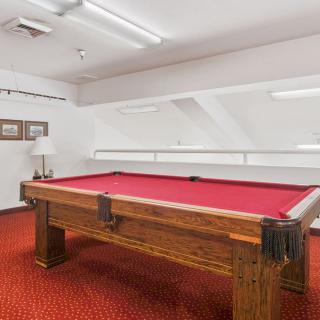
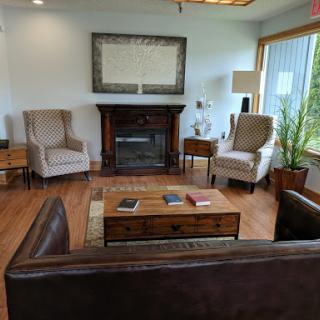
 Indoor common areas
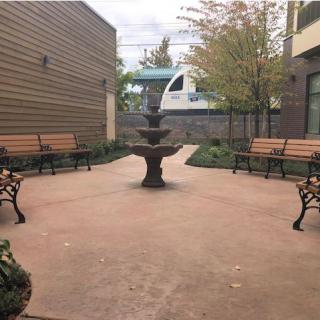
 Outdoor common areas
 Private
 Private bathrooms
 Wheelchair accessible showers
 Portland International (11 miles away)
 Ambulatory care
 Diabetic care
 High acuity care
 Incontinence care
 Meals provided
 A Detailed Examination of Nursing Home Costs Across the U.S.
 Exploring Nonmedical Home Care: Understanding Services, Costs, and Financial Approaches
 Engaging Brain Games and Innovative Apps to Keep Senior Minds Active