
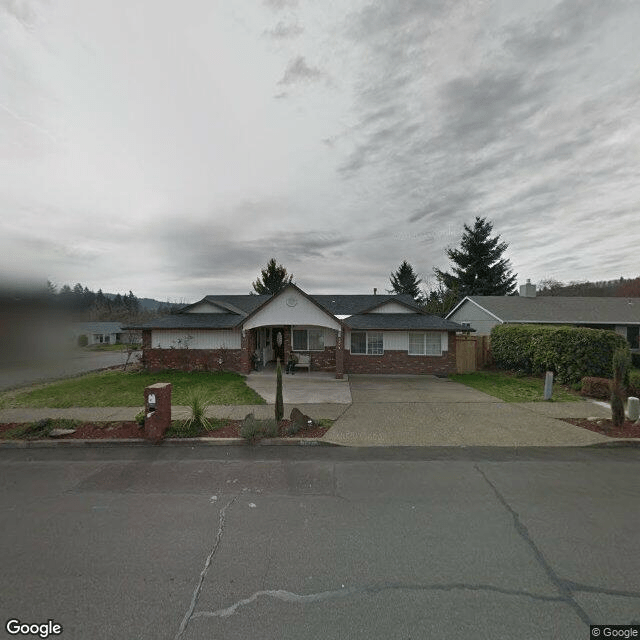
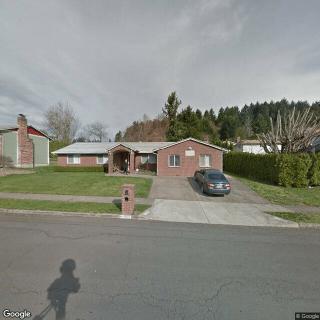
3970 SW 5th Drive, Gresham, OR 97030
To contact a resident: (503) 661-3121
For more information about senior living options: (866) 208-4318
Celia's ACH Costs & Pricing
Celia's Adult Care Home (ACH) offers a competitive monthly rate for private rooms at $2,800, which is notably lower than both the average costs in Multnomah County, where similar accommodations typically run about $3,227, and the statewide average in Oregon at approximately $3,424. This pricing not only highlights Celia's commitment to providing affordable care options but also reflects its potential as an attractive choice for families seeking quality adult care services without the financial strain often associated with higher-priced facilities. By positioning itself below the local and state averages, Celia's ACH stands out as a viable solution for those looking to balance quality care with cost-effectiveness.
| Floor plans | Celia's ACH | Multnomah County | Oregon |
|---|---|---|---|
| Private | $2,800 | $3,227 | $3,424 |
Senior living communities with a similar price nearby
-
from +$200 / mo
A Piece of Heaven
$3,000 / month7.8 miles away -
from -$300 / mo

Mapleview Manor, LLC
$2,500 / month7.5 miles away -
from +$200 / mo
Yamhill Senior Care Home
$3,000 / month2.2 miles away -
from +$200 / mo
Peaceful Lighthouse Adult Care Home
$3,000 / month2.8 miles away -
from -$300 / mo

A Gentle Care Home
$2,500 / month2.9 miles away
Overall Review of Celia's ACH
Pros
 They are loving people.
- The staff here are very friendly and care for everyone's well-being.
- The residents receive all the attention they need.
- They care for the residents while promoting independence at the same time.
- The caregiver, residents, and owner have a great relationship and take good care of residents.
- The home is a safe place to work.
- The owner is a compassionate person who sincerely cares for the residents.
- The home is filled with highly trained caregivers and excellent nurses with great nursing know-how.
Cons
 Petros has a temper and treats some clients poorly.
- The facility uses the cheapest quality of food, and the caregivers do not cook well.
- They serve wilted lettuce and keep adding ketchup to white rice.
- The caregivers do not have manners.
- The workers do not wash their hands after using the restroom.
- The reviewer would not want their family or loved ones to be under that care.
Review
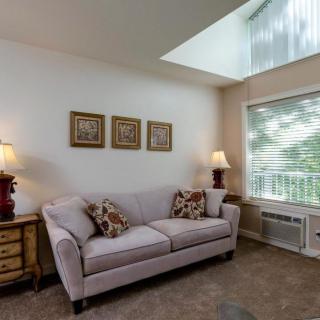
Celia’s ACH in Gresham, Oregon is best suited for seniors who want a warm, home-like atmosphere where care feels personal and the focus is on well-being without sacrificing autonomy. The community earns admiration for the way staff and the owner cultivate genuine relationships with residents, creating a welcoming, respectful environment. Families seeking daily kindness, hands-on attention, and a culture that treats independence as a core value will find Celia’s ACH compelling. It operates more like a well-run family home than a clinical facility, and that tone resonates with residents who thrive on predictable routines delivered with compassion.
Prospective buyers should nonetheless consider whether this setting aligns with higher-acuity needs. For residents requiring intensive, hospital-grade medical oversight or 24/7 skilled nursing supervision, Celia’s ACH may fall short of what some families expect from a more traditional assisted living or a larger memory care environment. Similarly, those who demand rigid, hospital-standard meal programs and ironclad dietary controls may want to compare menus and kitchen processes at facilities with formal dietary departments. A robust private conversation about monitoring, care plans, and crisis response will help determine if this home-style model remains a good fit.
The strongest positives center on people: the staff are described as exceptionally caring, friendly, and professional, with a notable commitment to residents’ comfort and dignity. Families repeatedly highlight how care is delivered with kindness, how residents are treated with respect, and how the owner’s compassion informs daily operations. The caregiver teams come across as capable, patient, and attentive, fostering a sense of safety and belonging that often reduces anxiety for both residents and families. The emphasis on independence, encouraging residents to engage in activities and maintain control where possible, helps preserve quality of life in a setting that otherwise feels intimate and nurturing.
At the same time, a single strongly negative review raises legitimate cautions. Allegations about a caregiver’s temper, substandard food quality, hygiene lapses, and miscommunications about visitor processes cannot be dismissed outright. While such accounts may be outliers, they underscore the importance of due diligence: prospective families should verify current kitchen standards, menu quality, and daily care routines; observe staff interactions; and ask direct questions about how meals are prepared, what dietary options exist, and how concerns are addressed. Privacy considerations, such as guest access and any monitoring practices, should also be clarified to avoid future surprises.
When the favorable aspects are weighed against the concerns, the balance tilts decisively toward a care environment where warmth, accountability, and individualized attention often translate into meaningful daily experiences. The combination of dedicated staff, an owner who is personally invested in residents’ well-being, and an emphasis on keeping residents independent creates a strong offset to the risk of inconsistencies that can appear in smaller, home-style settings. In short, Celia’s ACH tends to deliver on the promise of compassionate, person-centered care that supports dignity and social connection, provided families verify measures around meals, oversight, and daily operations during a visit.
For families making a decision, the prudent next steps are concrete. Arrange a thorough tour and ask to dine with residents to assess meal quality and kitchen practices. Request a transparent outline of staffing ratios, shift patterns, and supervision; talk directly to caregivers and the owner about care planning, incident reporting, and how personalized preferences are documented and honored. Confirm what levels of medical assistance the community can accommodate and how staff collaborate with external healthcare providers. Finally, discuss privacy and visitation policies openly. With disciplined due diligence, Celia’s ACH can be an excellent fit for those prioritizing warmth, independence, and a clearly caring culture, while ensuring it aligns with the resident’s medical needs and lifestyle expectations.
 Board and Care Home
 Activities off-site
 Beautician on-site
 Devotional services on-site
 Indoor common areas
 Outdoor common areas
 Private
 Private bathrooms
 Respite or short term stays offered
 Wheelchair accessible showers
 Portland International (9 miles away)
 Diabetic care
 High acuity care
 Incontinence care
 Meals provided





 Comprehensive Guide to Qualifying for Home Health Care Services
 Powerful Realities of Elder Abuse and the Most Effective Ways to Report It
 Ten Vital Duties of a Senior Caregiver: A Comprehensive Guide