For more information about senior living options: (866) 208-4318
2.6 from 65 reviews
5 stars
21
4 stars
3
3 stars
2
2 stars
7
1 stars
32
Overall Review of Village Health Care
caveat8 reviews mention this
Pain meds and medication timing
Medication timing and pain control draw repeated complaints from residents and families.
Many reviews describe delayed or missed pain medication doses, with families reporting long waits and nurses trying but not being able to administer meds as ordered. Others mention broader medication mismanagement, including concerns about incorrect meds or inadequate scheduled administration. A smaller set of reviews contrasts this by describing teams that gave precise medication and communicated well, but the negative reports are frequent enough to stand out.
caveat7 reviews mention this
Call light and staff responsiveness
Residents and families report inconsistent responsiveness when help is needed.
Several reviews say call lights weren’t answered promptly, with residents left waiting for assistance or meals. Some reports also describe nights or shifts where care felt thin, along with issues getting therapy or planned support delivered. At the same time, multiple positive reviews say day-to-day support felt attentive, with staff checking in and helping residents stay comfortable.
caveat4 reviews mention this
Staffing levels and hands-on care
Care concerns often center on staffing sufficiency for resident needs.
A recurring complaint is that there are too many residents per staff member, leading to situations where people are left alone or care isn’t delivered on schedule. Some reviews specifically point to gaps in wound care, showers, or therapy follow-through. A few reviews counter that staffing was strong and that residents received constant attention, but the staffing-related complaints are prominent.
common6 reviews mention this
Cleanliness and overall environment
Residents frequently mention cleanliness and a well-kept facility.
Several reviews describe the facility as clean and well maintained, sometimes mentioning no unpleasant odors. A few families also praise staff professionalism and the facility’s overall organization. Other reviews disagree, including accounts of neglect-related outcomes, so cleanliness is a frequent but not universal point.
common12 reviews mention this
Caring staff and communication
Many reviewers describe caregivers as kind, compassionate, and attentive.
Multiple positive reviews highlight caring staff who were attentive to comfort and needs, with families describing supportive communication and efforts to keep residents engaged. Some reviews also mention specific caregivers who helped with daily care, therapy support, or coordinating family needs during difficult times. Even among mixed experiences, some reviewers still single out CNA-level compassion while criticizing how other parts of operations handled care.
caveat4 reviews mention this
Food quality and dietary fit
Food quality is inconsistent across reviews.
A number of reviews criticize meals as subpar or describe food that didn’t match expectations, including issues with preparation or freshness. Others say the food is halfway decent, decent, or that residents like the meals. The dining experience varies, but negative food mentions appear often enough to be a clear caveat, especially for families describing how often assistance is needed to eat.
How we summarize
Counts show how many written reviews mention each theme; a review can touch several themes, and only frequently mentioned themes are displayed.
Features
Housing
106 resident community capacity
Types of Care
Skilled Nursing Facility
Amenities
Air-conditioning
Beauty salon
Cable or satellite TV
Computer center
Dining room
Fitness room
Fully furnished
Gaming room
Garden
Housekeeping services
Kitchenette
Move-in coordination
Outdoor space
Private bathrooms
Restaurant-style dining
Small library
Telephone
Wellness center
Wi-Fi/high-speed internet available
Transportation
Portland International (9 miles away)
Community operated transportation
Transportation arrangement
Transportation arrangement (non-medical)
Transportation to doctors appointments
Care Services
12-16 hour nursing
24-hour call system
24-hour supervision
Activities of daily living assistance
Assistance with bathing
Assistance with dressing
Assistance with transfers
Diabetes diet
Meal preparation and service
Medication management
Mental wellness program
Special dietary restrictions
Dining
Diabetes diet
Special dietary restrictions
Activities
Community-sponsored activities
Concierge services
Fitness programs
Planned day trips
Resident-run activities
Scheduled daily activities
Nearby Places of Interest
This area of Gresham, Oregon, offers a convenient and diverse selection of amenities for seniors looking to settle down. With multiple pharmacies within a short distance, access to healthcare is readily available. Additionally, there are several physician offices nearby for medical needs. Places of worship like St Henry Catholic Church provide opportunities for spiritual engagement. For recreation and leisure, there are various parks in the vicinity such as Gresham Main City Park and Happy Valley Park. An array of dining options including Jazzy Bagels and Olive Garden cater to different tastes. The presence of cafes like Dutch Bros Coffee and Starbucks offer pleasant spots for socializing or relaxation. Close proximity to hospitals like Legacy Mount Hood Medical Center ensures easy access to healthcare services when needed. Overall, this area provides a well-rounded environment with essential amenities for seniors considering a peaceful and convenient lifestyle in Gresham.
Pharmacies
Walgreens (0.2 miles)
Rite Aid (1.2 miles)
Rite Aid (2.3 miles)
Walgreens (3.1 miles)
Rite Aid (3.1 miles)
Walgreens (3.1 miles)
Herbalist Farmer (3.6 miles)
Physicians
Rockwood Medical Offices (1.8 miles)
Dr. Steven Clark & Associates (2 miles)
Jon Wesley Crew (2.4 miles)
Eastside Periodontics (2.7 miles)
Rose City Urgent Care & Family Practice (3.3 miles)
Buckman Christy R MD MD (3.5 miles)
Mt Hood Women's Health (3.8 miles)
Places of Worship
St Henry Catholic Church (2 miles)
East Hill Kid City (2.3 miles)
St Rose Catholic Church (7.2 miles)
Parks
Gresham Main City Park (2.2 miles)
Tsuru Island (2.3 miles)
Happy Valley Park (3.6 miles)
Imagination Station (4.2 miles)
Lents Park (4.5 miles)
Southern Lites Park (5.1 miles)
Mt. Tabor Park - Off Leash Area (5.6 miles)
Restaurants
Jazzy Bagels (2.3 miles)
Heidi's Restaurant And Bakery (2.9 miles)
Subway (3.1 miles)
Del Taco (3.2 miles)
Olive Garden (3.3 miles)
Burger King (3.3 miles)
Five Guys Burgers & Fries (3.5 miles)
Cafes
Dutch Bros Coffee (2.3 miles)
Black Rock Coffee Bar (3.8 miles)
Starbucks (4.3 miles)
Panera Bread (6.2 miles)
Common Grounds Coffee House (6.9 miles)
Keeper Coffee Co. (6.9 miles)
Starbucks (7.1 miles)
Hospitals
Legacy Mount Hood Medical Center (3.7 miles)
Adventist Medical Center (4.2 miles)
Kaiser Sunnyside Medical Center (5.9 miles)
Theaters
Century 16 Eastport Plaza (4.7 miles)
Transportation
TriMet Hollywood/NE 42nd Ave Transit Center (7.5 miles)
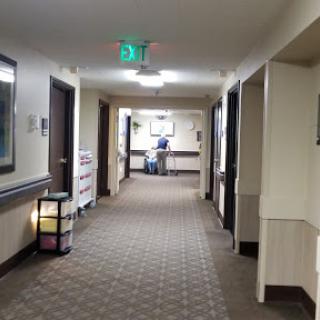
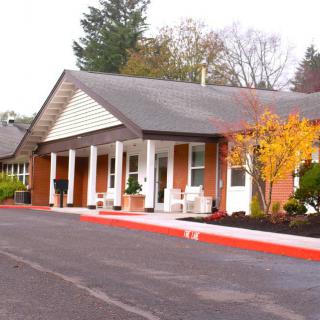
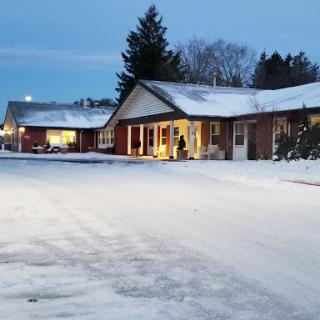
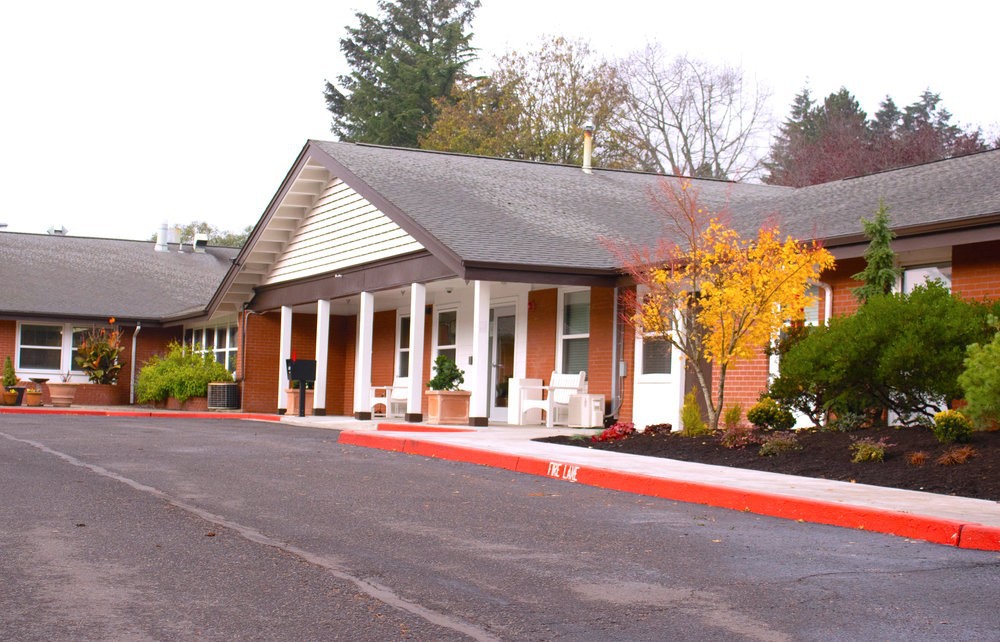
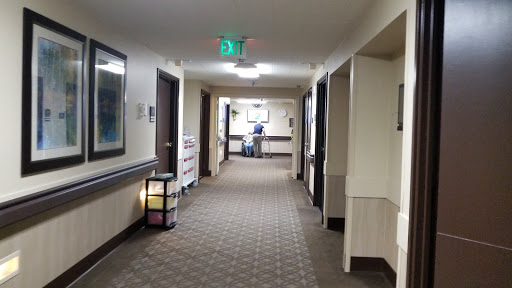
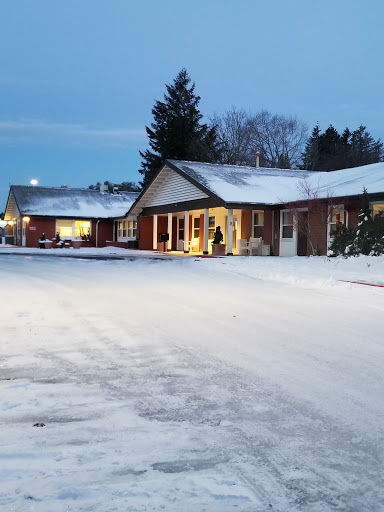
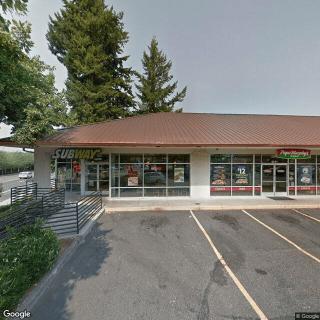
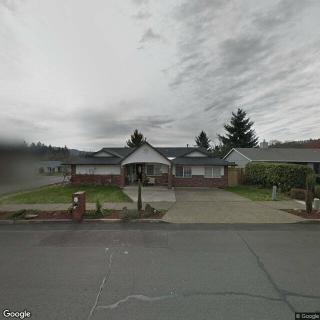
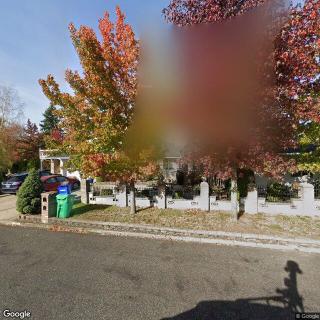
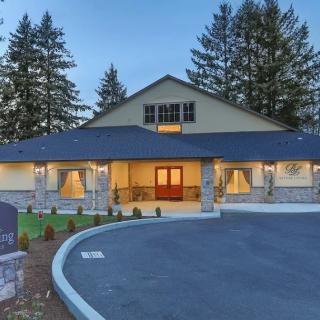
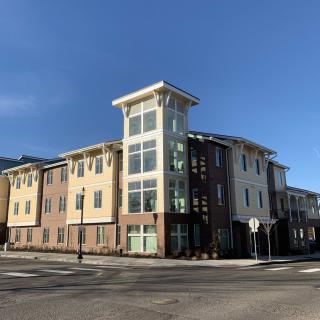
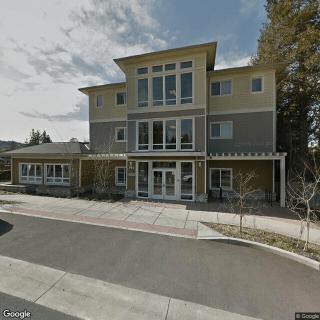
Village Health Care on seniors.fyi includes 3 photos including images showing building, trees, interior, lighting, healthcare, doors, outdoor, and more.
Nearby Communities
Powell Valley Assisted Living & Memory Care
Gresham, OR
4.1 from 83 reviews
$3,150 to $4,620 / month
Friendly, attentive staff in a clean, attractive environment with engaging activities.
Powell Valley Memory Care Community
Gresham, OR
Specialized memory care with 24/7 supervision; private furnished apartments with private bathrooms; engaging activities and on-site amenities.
Powell Vista Manor
Gresham, OR
3.2 from 16 reviews
$5,189 to $6,745 / month
Cleanliness and well-maintained common areas.
Village Retirement Center
Gresham, OR
4.6 from 41 reviews
$565 to $782 / month
Well-maintained, clean facilities with friendly staff.
Celia's ACH
Gresham, OR
4.4 from 7 reviews
$2,800 / month
Lower monthly rate ($2,800) for private rooms compared with Multnomah County and Oregon averages, plus on-site amenities and high-acuity care.
Sunshine Adult Foster Home
Portland, OR
5 from 3 reviews
$3,500 / month
Compassionate, family-like care in a homey setting with private rooms and accessible design.
Better Living Rcf
Portland, OR
5 from 2 reviews
Intimate 19-bed community with comprehensive care (ADL support, diabetes diet, medication management), plus on-site dining, housekeeping, and a garden.
Whitewood Gardens at City Center
Gresham, OR
4.6 from 29 reviews
$5,050 / month
Specialized memory care with high-acuity support and engaging activities
Adara Oaks Manor
Gresham, OR
3.7 from 22 reviews
$3,400 / month
Comprehensive memory care with 24/7 supervision, medication management, and memory-focused programming; on-site, restaurant-style dining with customizable diets.
Senior drivers prioritize comfort, safety, and ease of use in vehicles due to age-related challenges, seeking features like easy entry, clear visibility, and modern driver-assistance technologies. Recommended models include the Subaru Forester, Honda CR-V, and Toyota Camry, with emphasis on test-driving for personal comfort and evaluating crash-test ratings alongside insurance considerations.
Private pay home care offers a flexible caregiving option for older adults and families who don't qualify for government programs, allowing them to directly fund in-home care services that range from daily assistance to specialized support. This model's customization potential enables aging in place while addressing financial considerations through strategic planning options, though clients must navigate marketplace challenges and ensure quality compliance.
Arthritis encompasses over 100 joint disorders affecting people of all ages, leading to symptoms like pain and stiffness that impair mobility and quality of life. Effective management involves early diagnosis, lifestyle changes, medical treatments, emotional support, and ongoing monitoring with healthcare professionals.
Get PricingAsk A QuestionSchedule A TourContact Senior Advisor
By clicking submit, you agree to our Partner's Terms of Use. You
also consent to receive calls and texts, which may be autodialed, from our Partner. Your consent is not a condition to
using our Partner's service. Please visit our Partner's Privacy Policy for information about their privacy practices.

 106 resident community capacity
 Skilled Nursing Facility
 Air-conditioning
 Beauty salon
 Cable or satellite TV
 Computer center
 Dining room
 Fitness room
 Fully furnished
 Gaming room
 Garden
 Housekeeping services
 Kitchenette
 Move-in coordination
 Outdoor space
 Private bathrooms
 Restaurant-style dining
 Small library
 Telephone
 Wellness center
 Wi-Fi/high-speed internet available
 Portland International (9 miles away)
 Community operated transportation
 12-16 hour nursing
 24-hour call system
 Activities of daily living assistance
 Assistance with bathing
 Assistance with dressing
 Assistance with transfers
 Diabetes diet
 Medication management
 Mental wellness program
 Special dietary restrictions
 Concierge services
 Planned day trips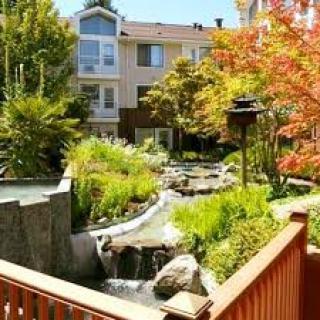
 Friendly, attentive staff in a clean, attractive environment with engaging activities.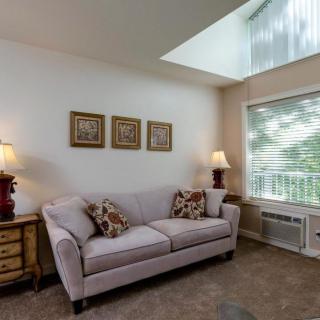

 Top Cars for Senior Drivers and Essential Safety Innovations
 A Closer Look at Private Pay Home Care
 Comprehensive Approaches for Arthritis: A Detailed Guide to Symptoms, Causes, and Care