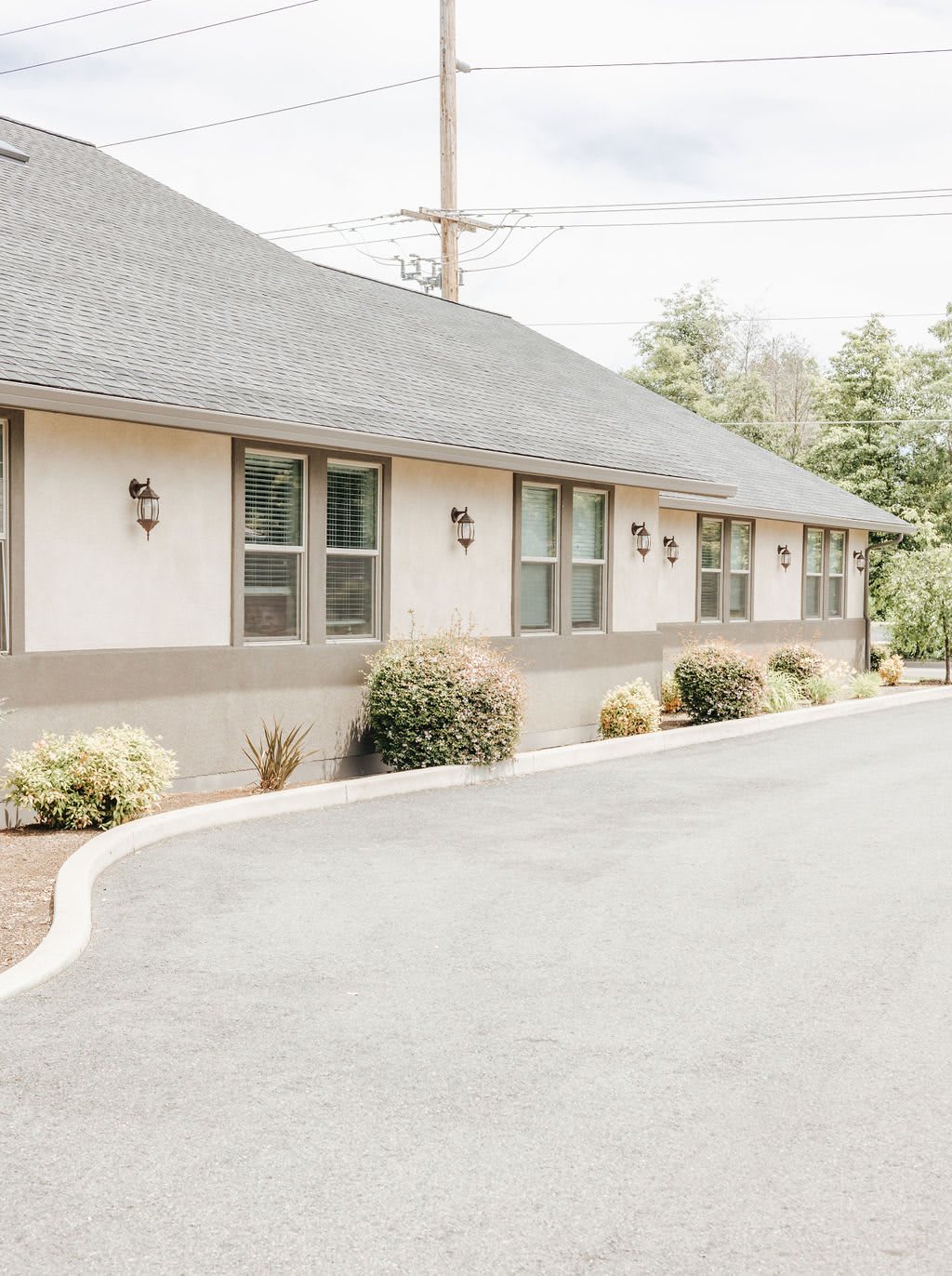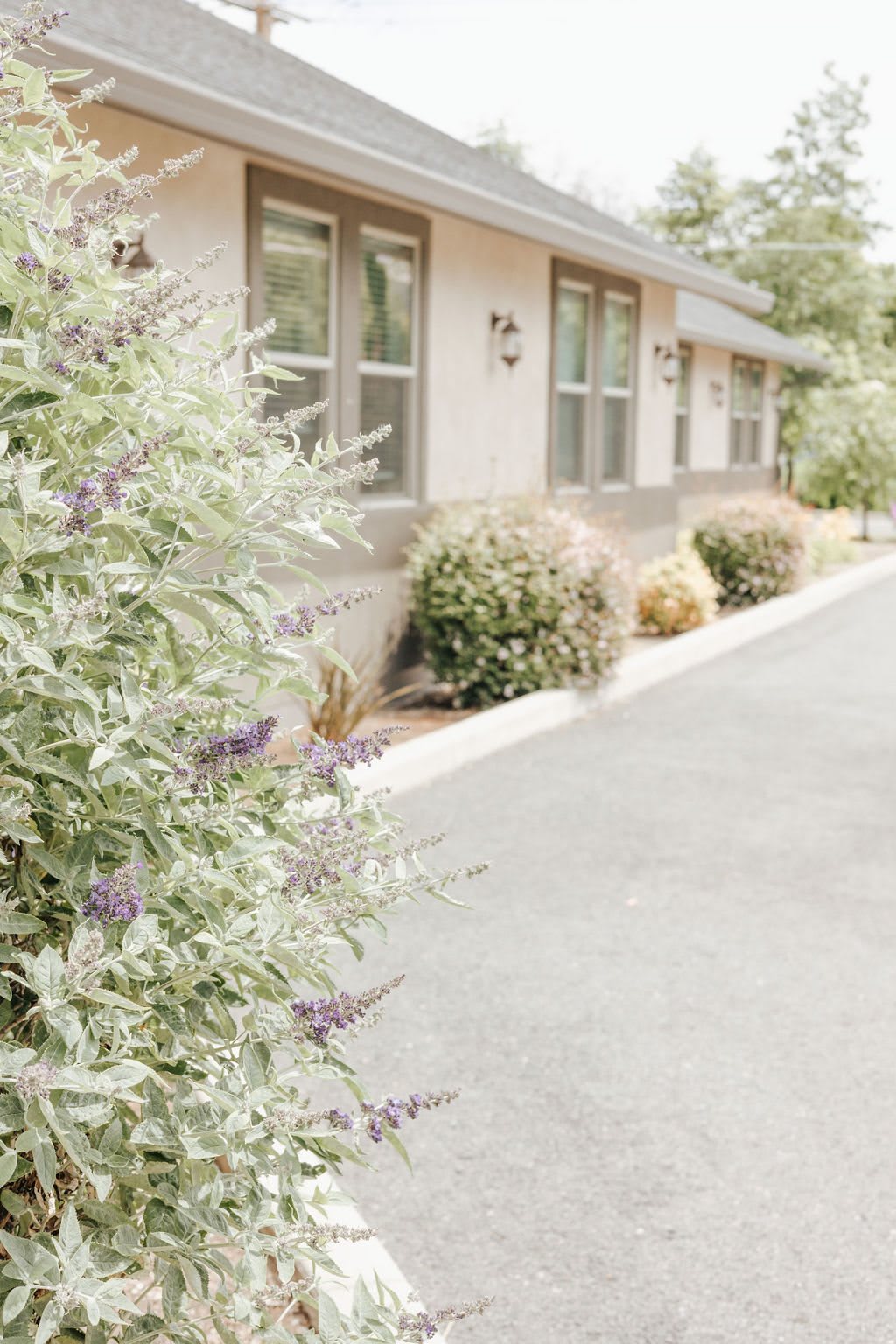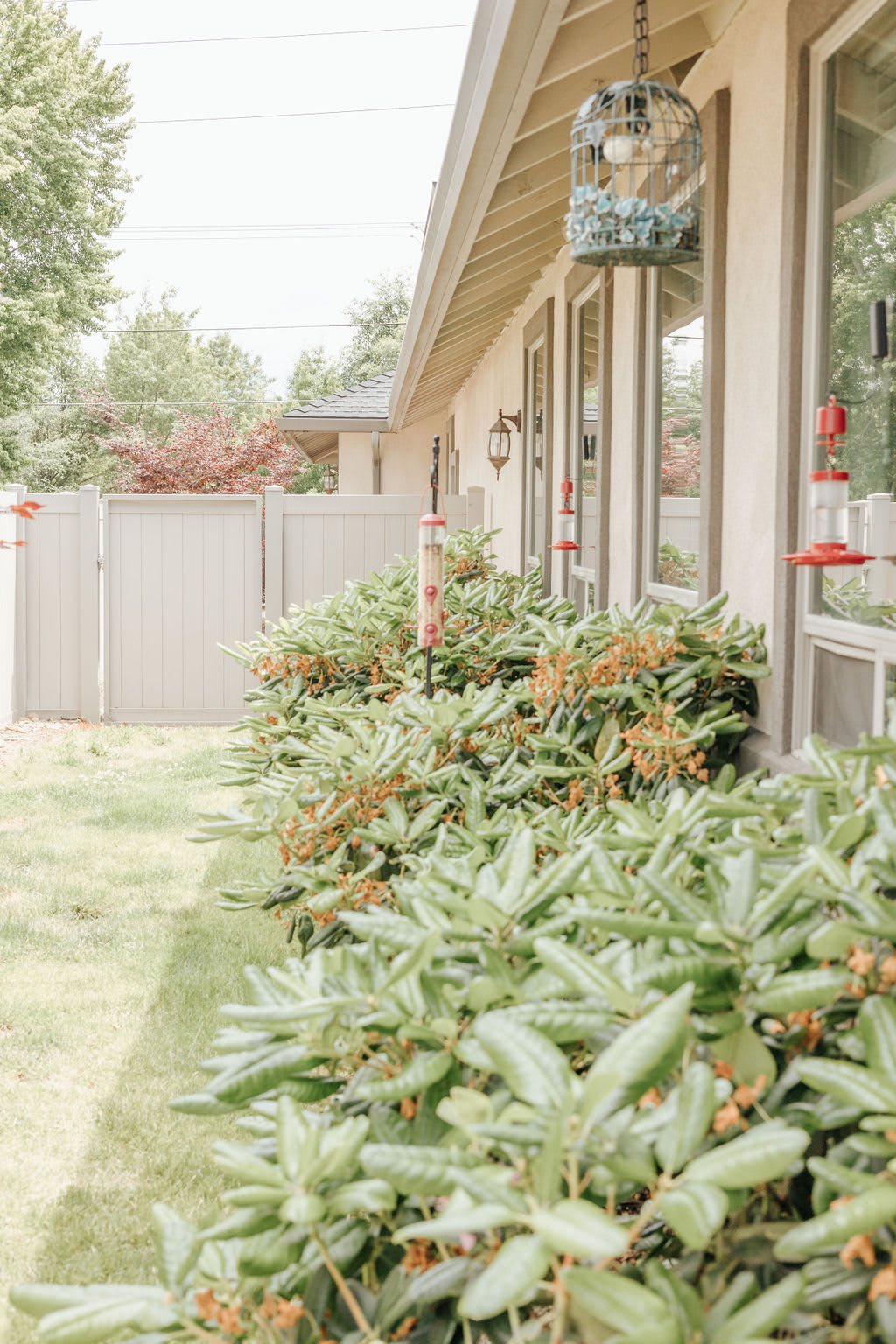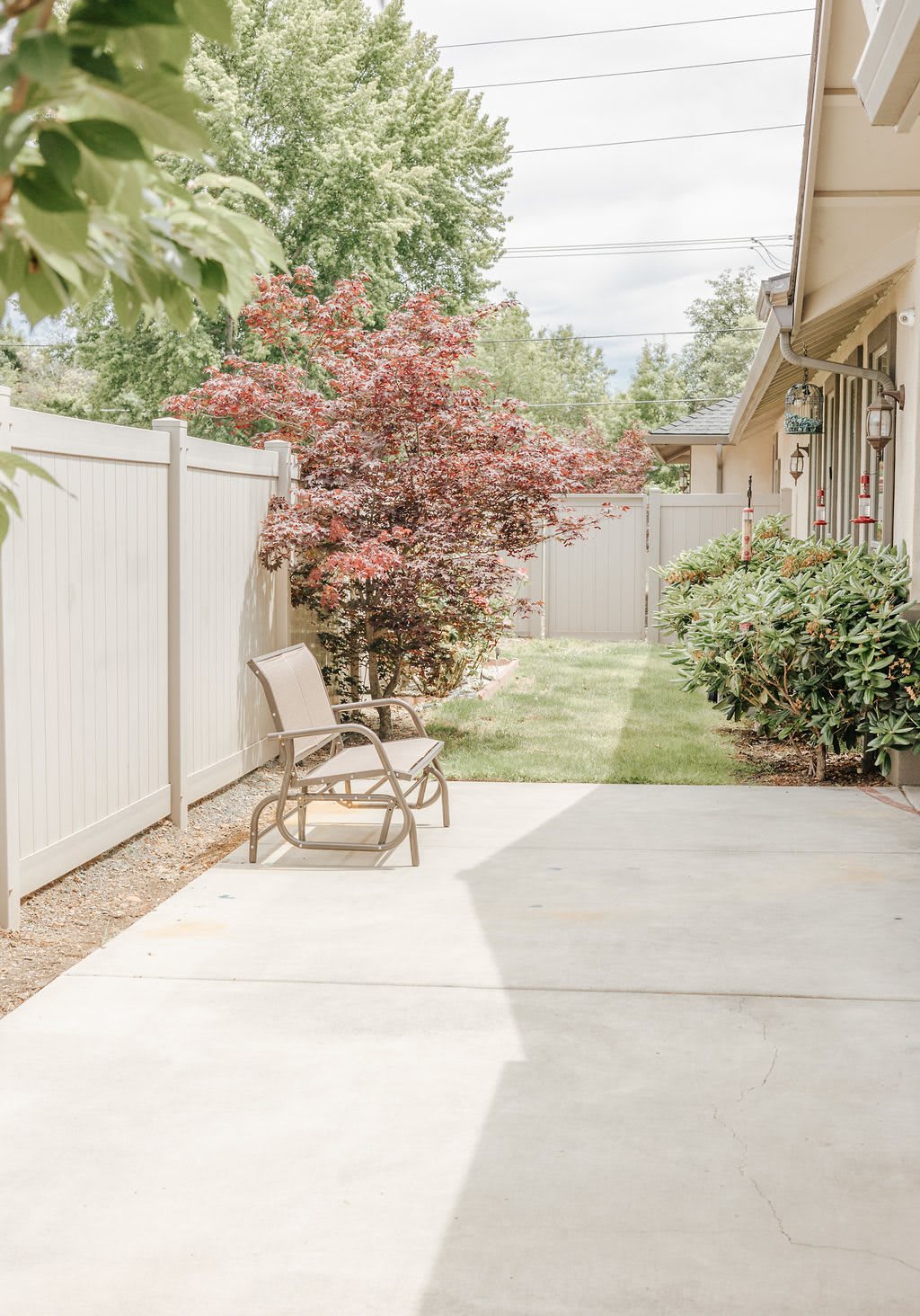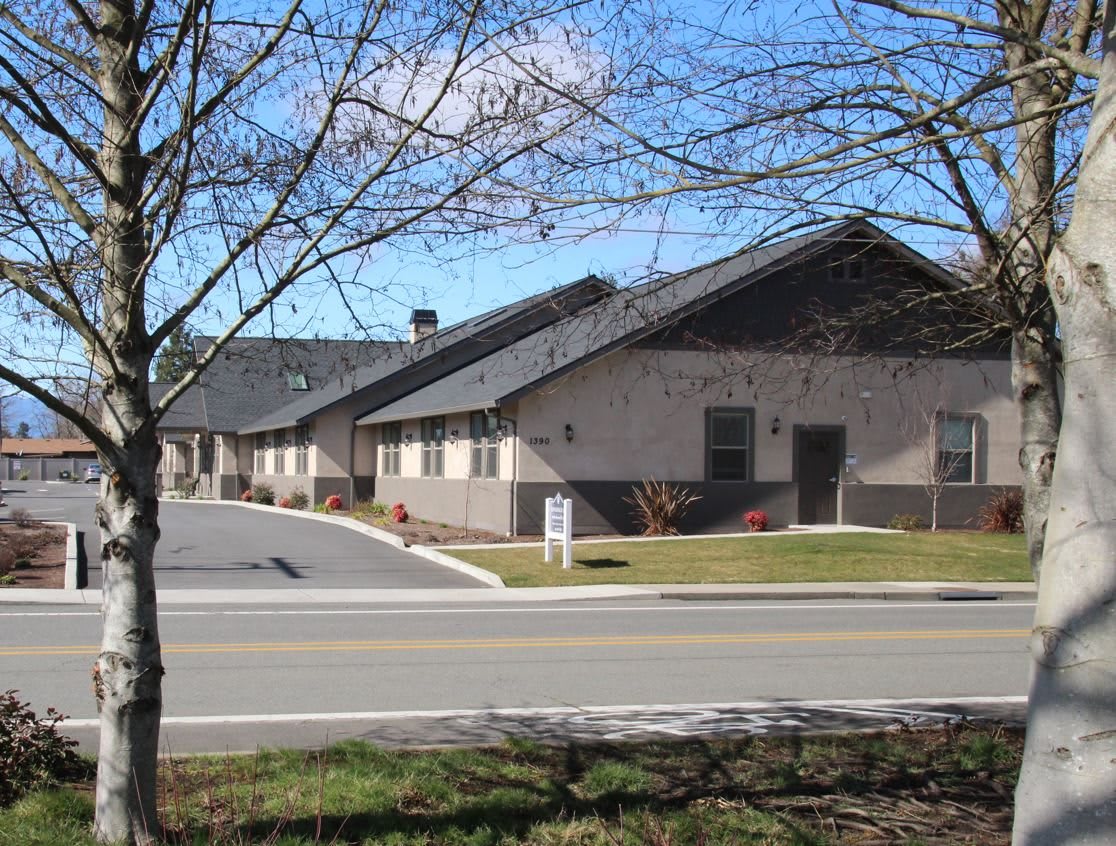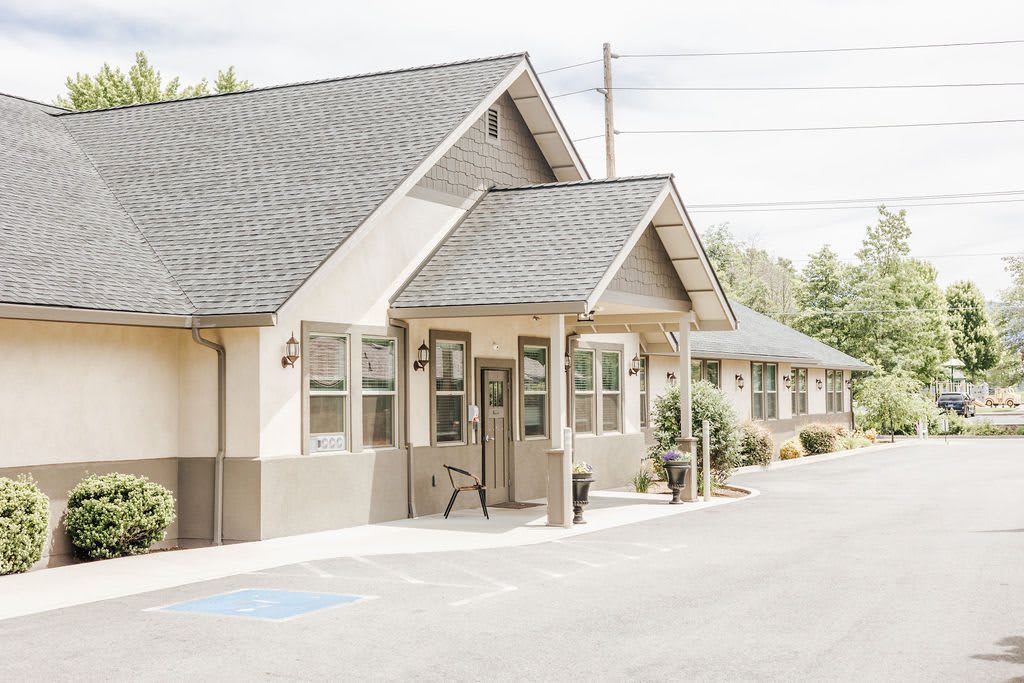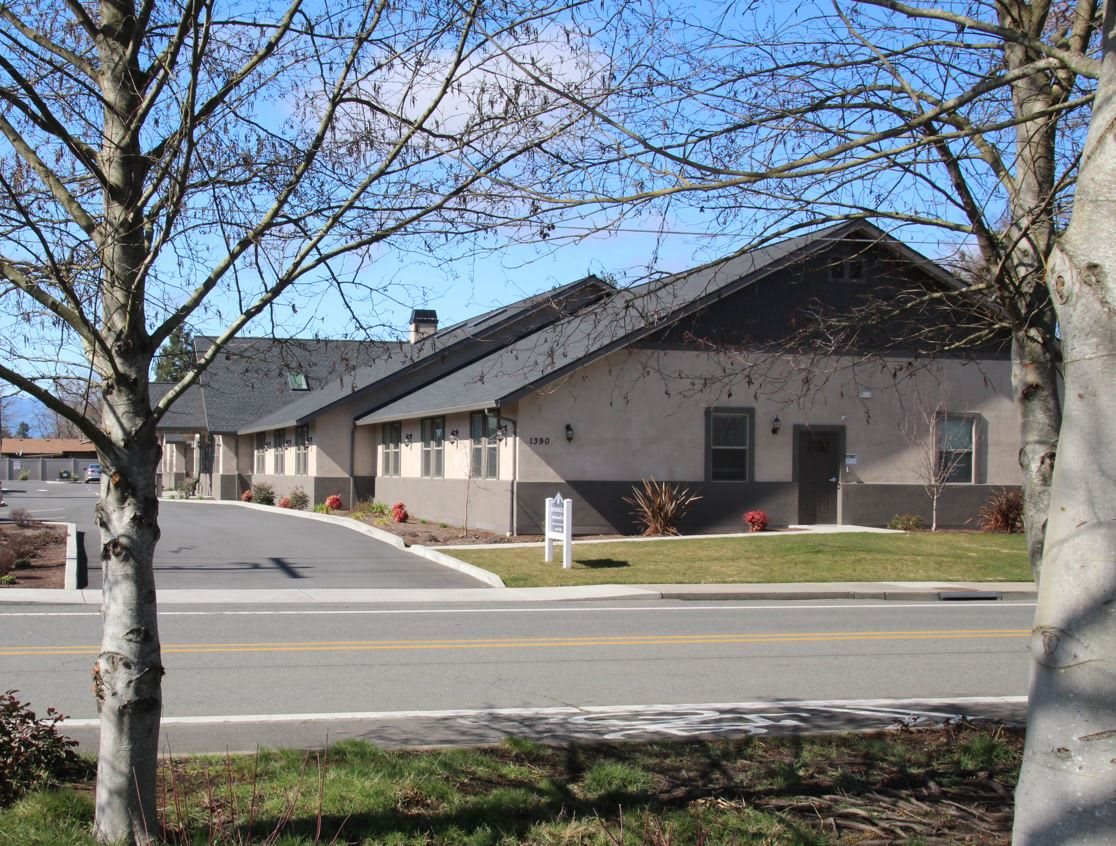
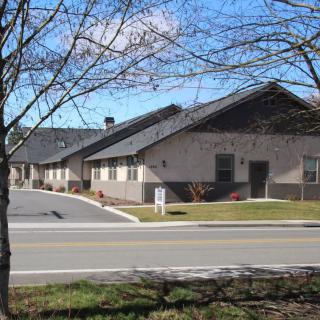
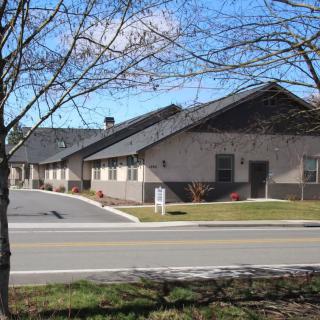
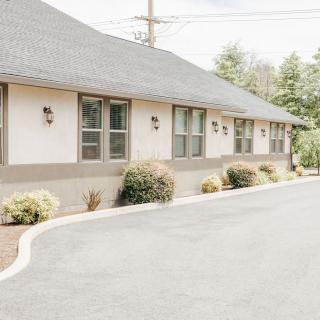
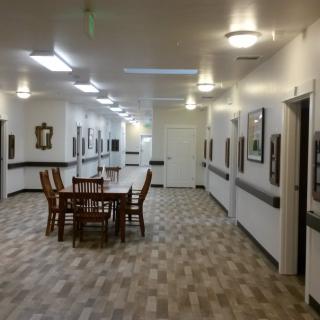
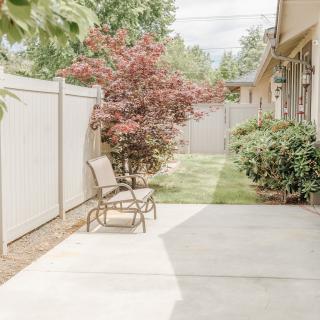
1390 Dowell Road, Grants Pass, OR 97527
For more information about senior living options: (866) 208-4318
Kinsington At Redwood Park Costs & Pricing
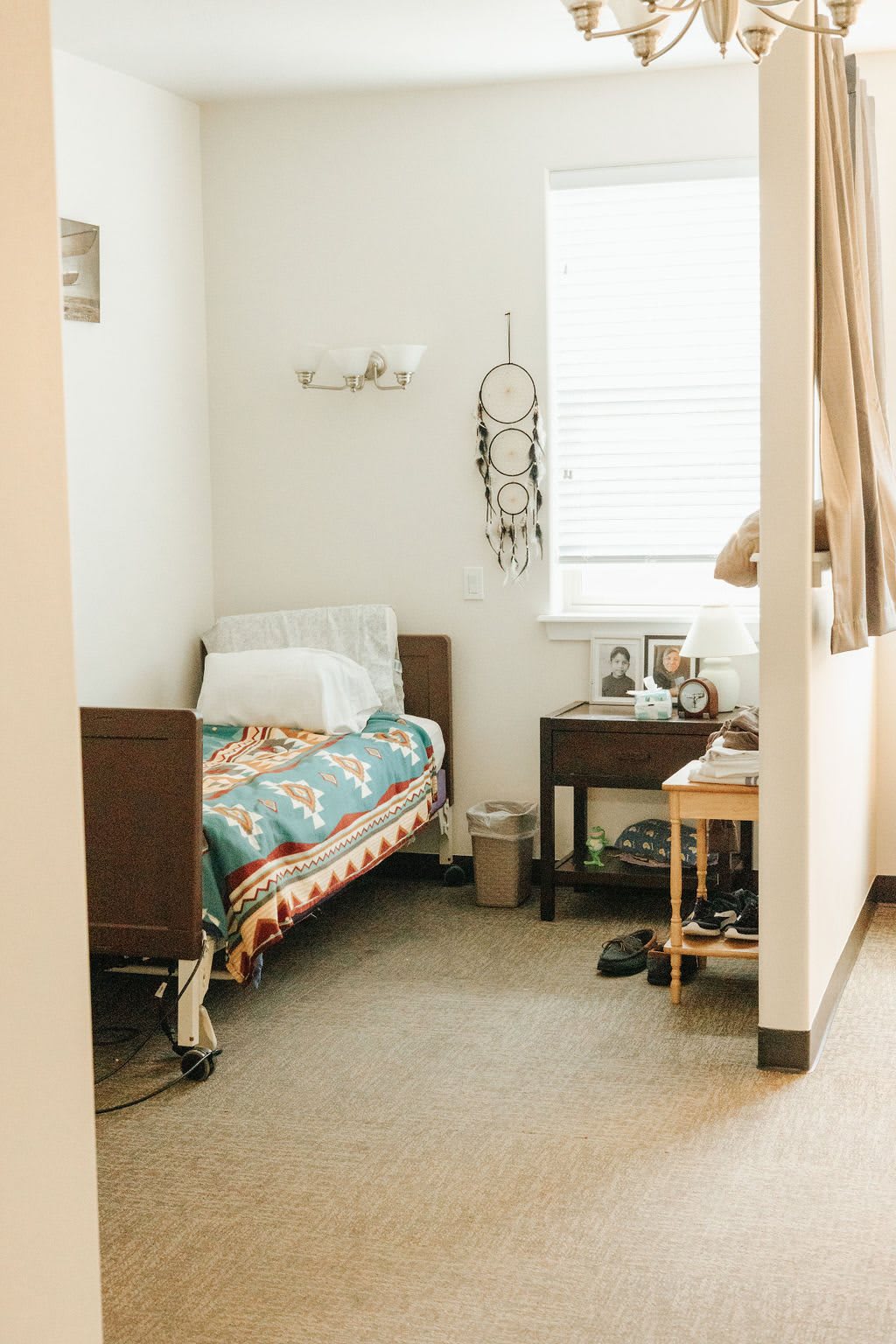
Kinsington At Redwood Park offers a premium level of care reflected in its monthly costs, which are notably higher than both the county and state averages for similar accommodations. The semi-private rooms at Kinsington are priced at $6,600, significantly exceeding the average cost of $4,112 in Josephine County and $4,457 across Oregon. For those opting for studio accommodations, the monthly rate stands at $7,350 - a substantial increase compared to the county's average of $3,760 and the state's average of $3,815. These figures highlight Kinsington At Redwood Park's commitment to providing an elevated living experience with comprehensive services that may justify the premium pricing.
| Floor plans | Kinsington At Redwood Park | Josephine County | Oregon |
|---|---|---|---|
| Semi-Private | $6,600 | $4,112 | $4,457 |
| Studio | $7,350 | $3,760 | $3,815 |
Memory care communities with a similar price nearby
-
About the same
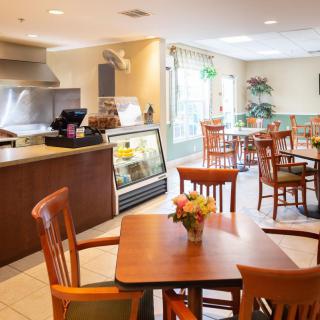
Kinsington Oak Grove
$6,600 to $15,200 / month24.5 miles away
Overall Review of Kinsington At Redwood Park
Pros
 The staff provide around-the-clock care and treat residents like family.
- They are professional, caring, patient, and good at what they do.
- They are easy to work with and responsive, and unannounced visits are never unwelcome.
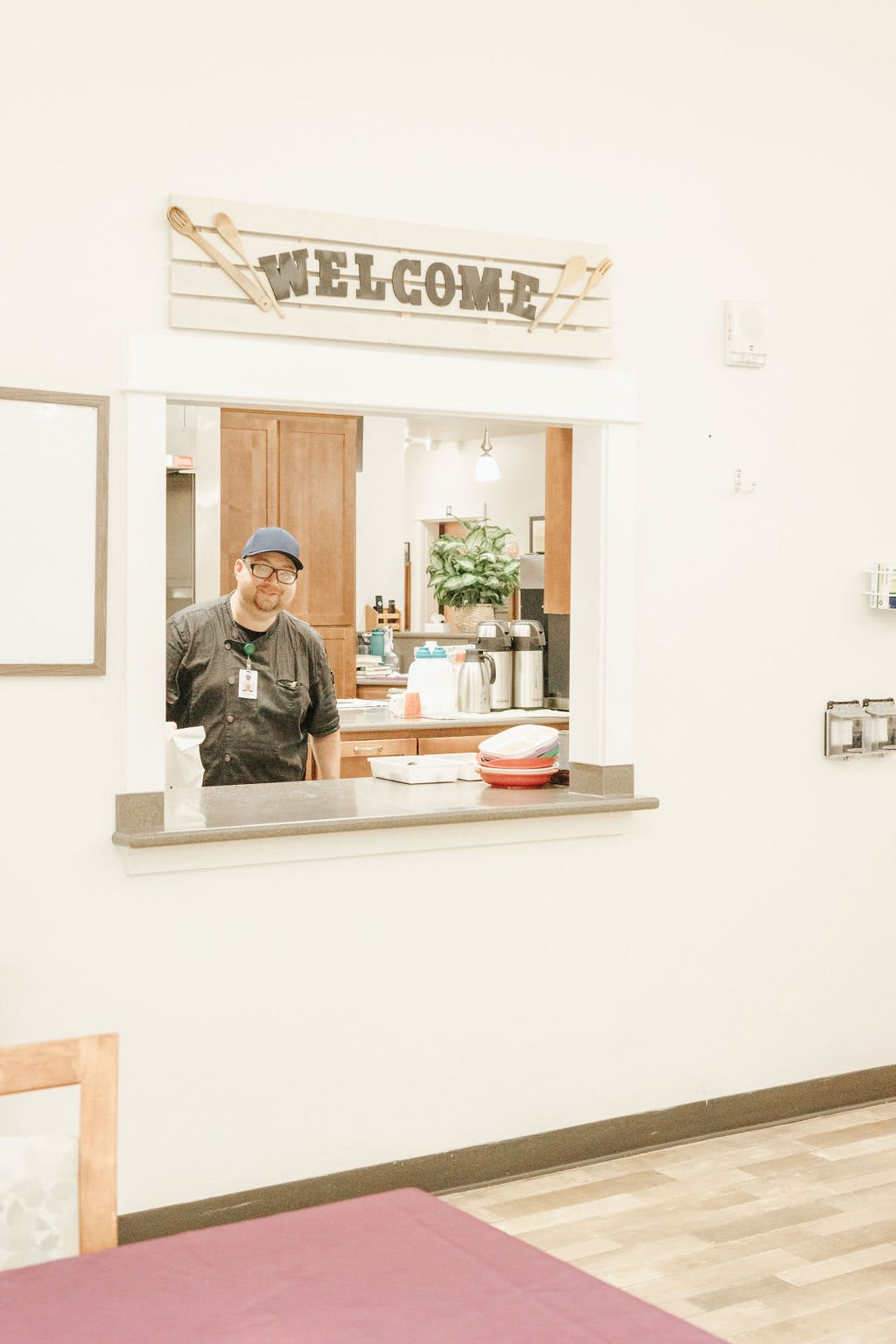
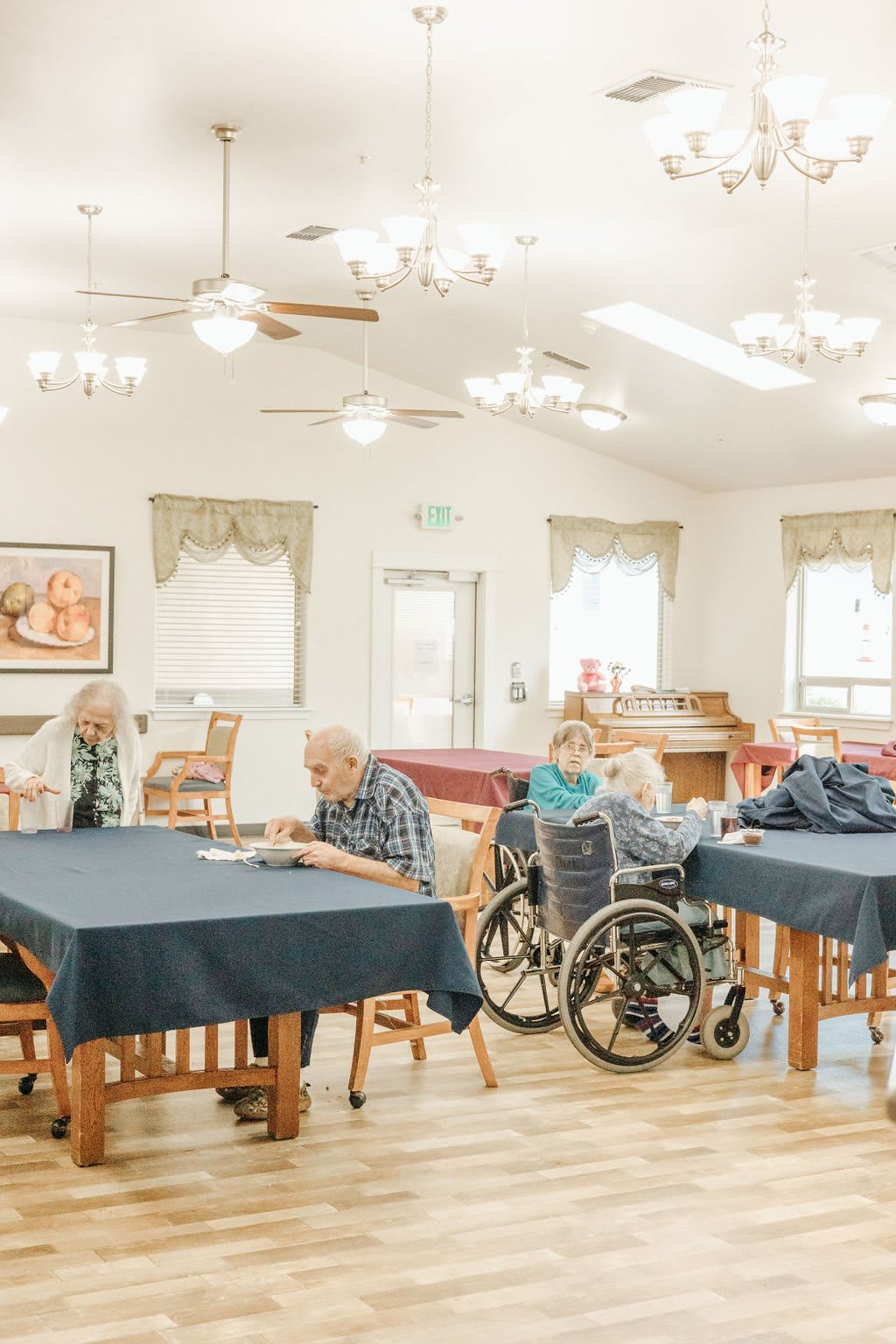
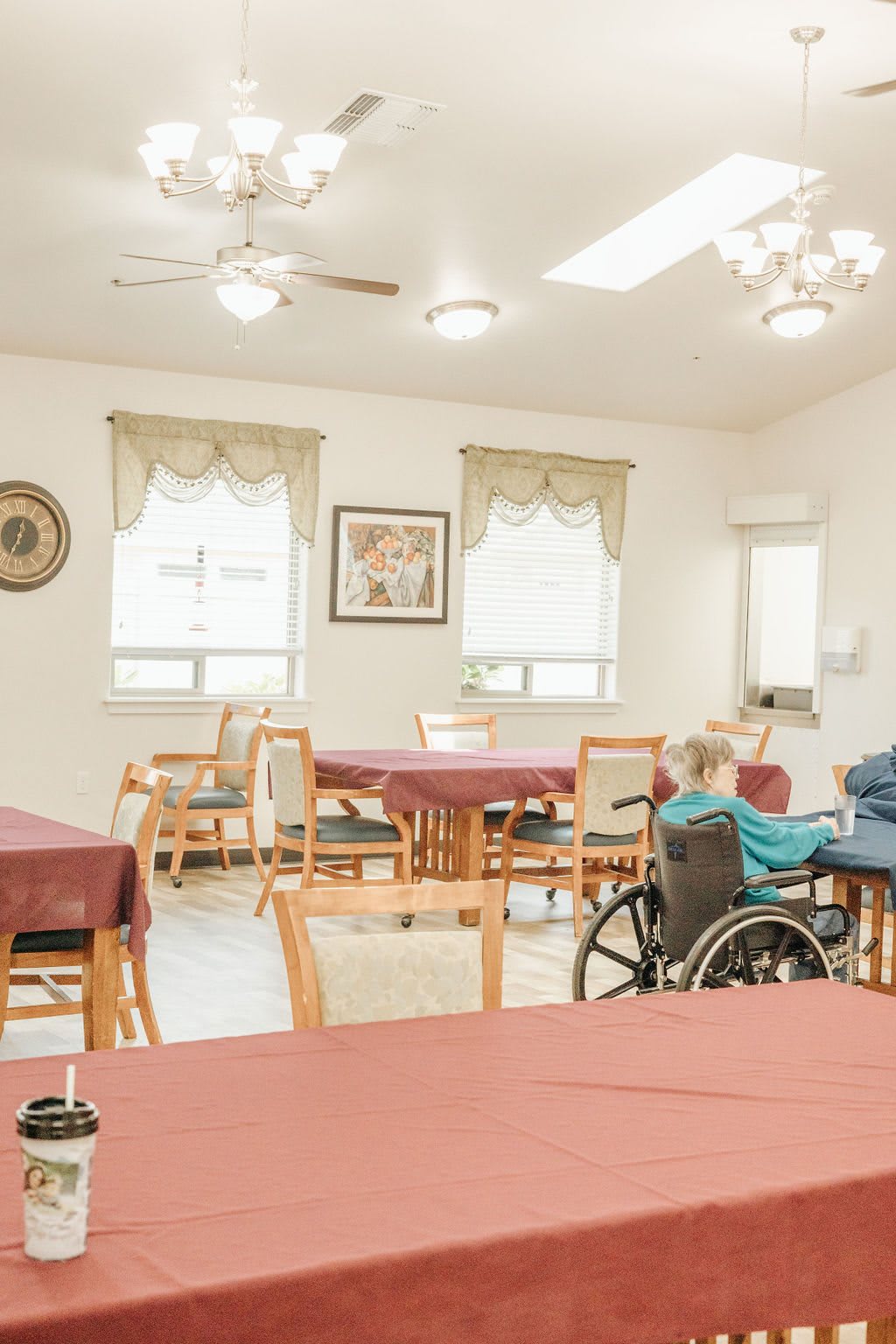
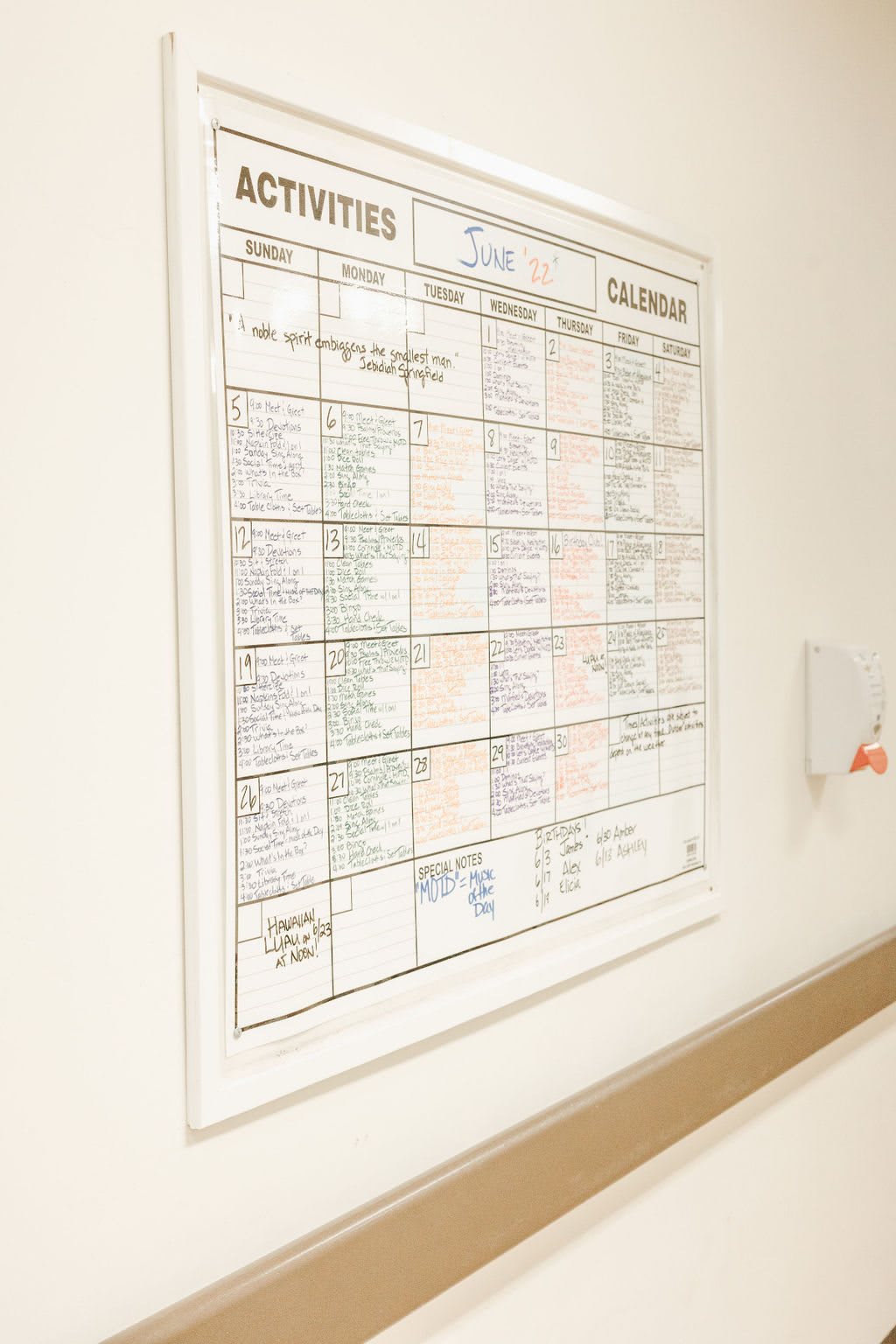
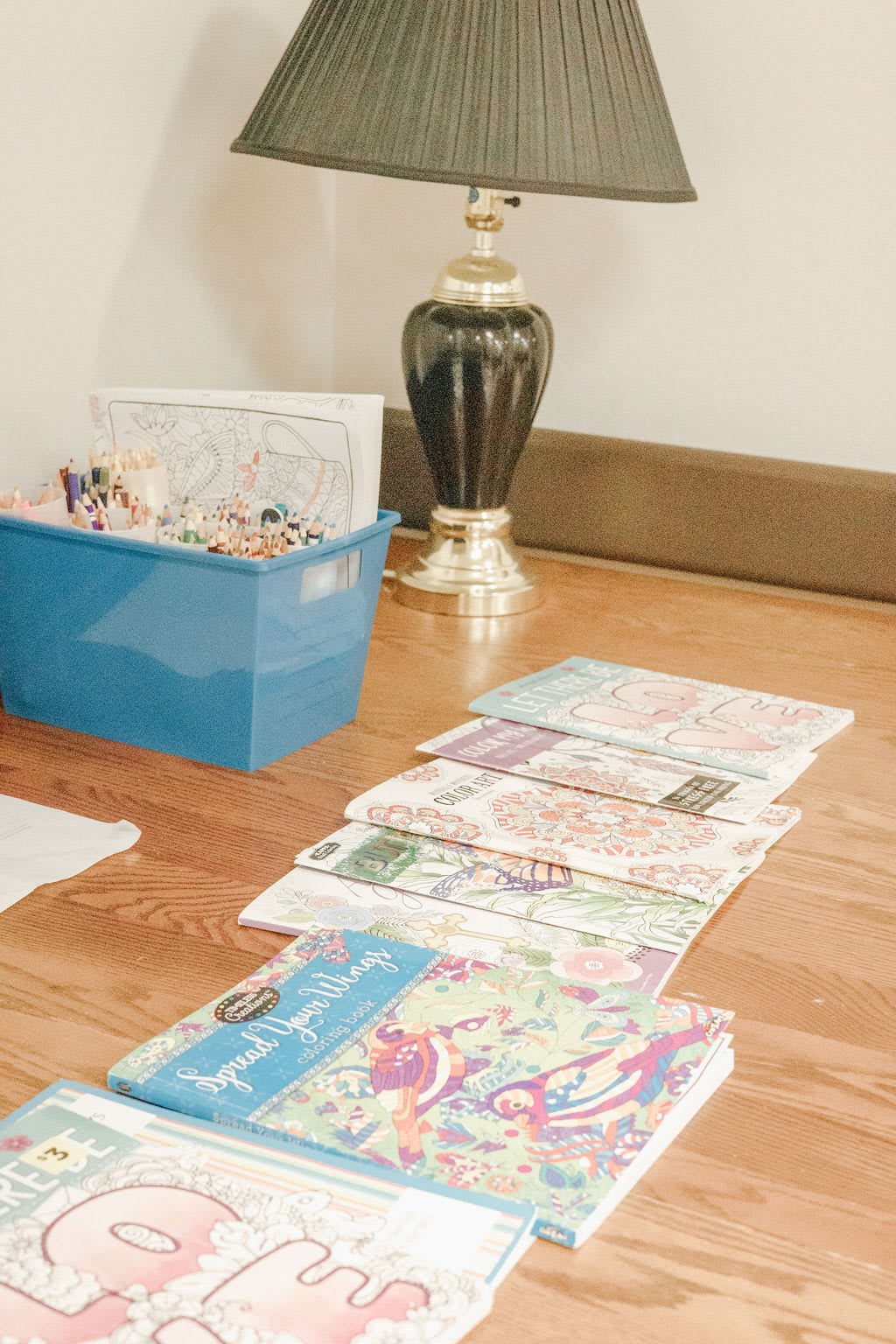
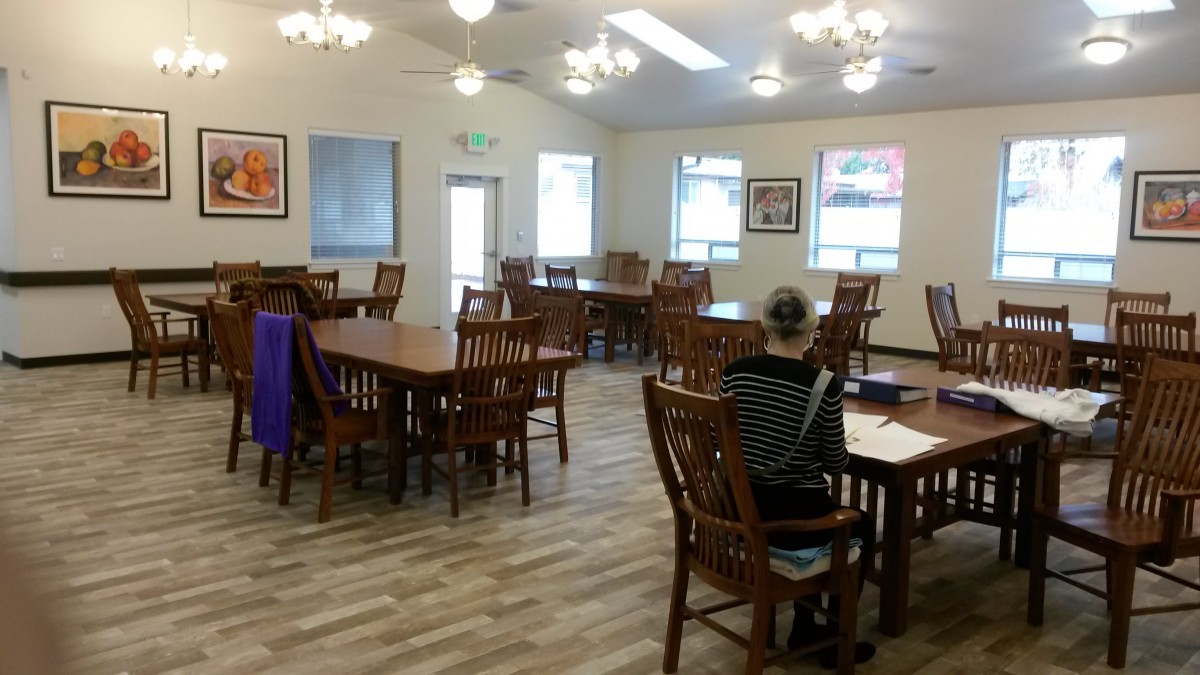
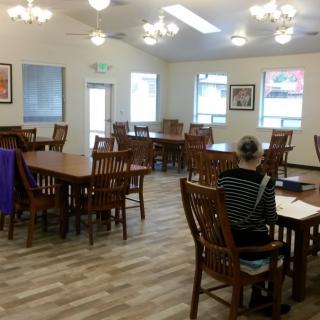
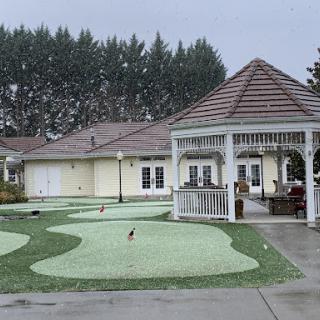
- The environment is welcoming, with a variety of activities and good homemade food.
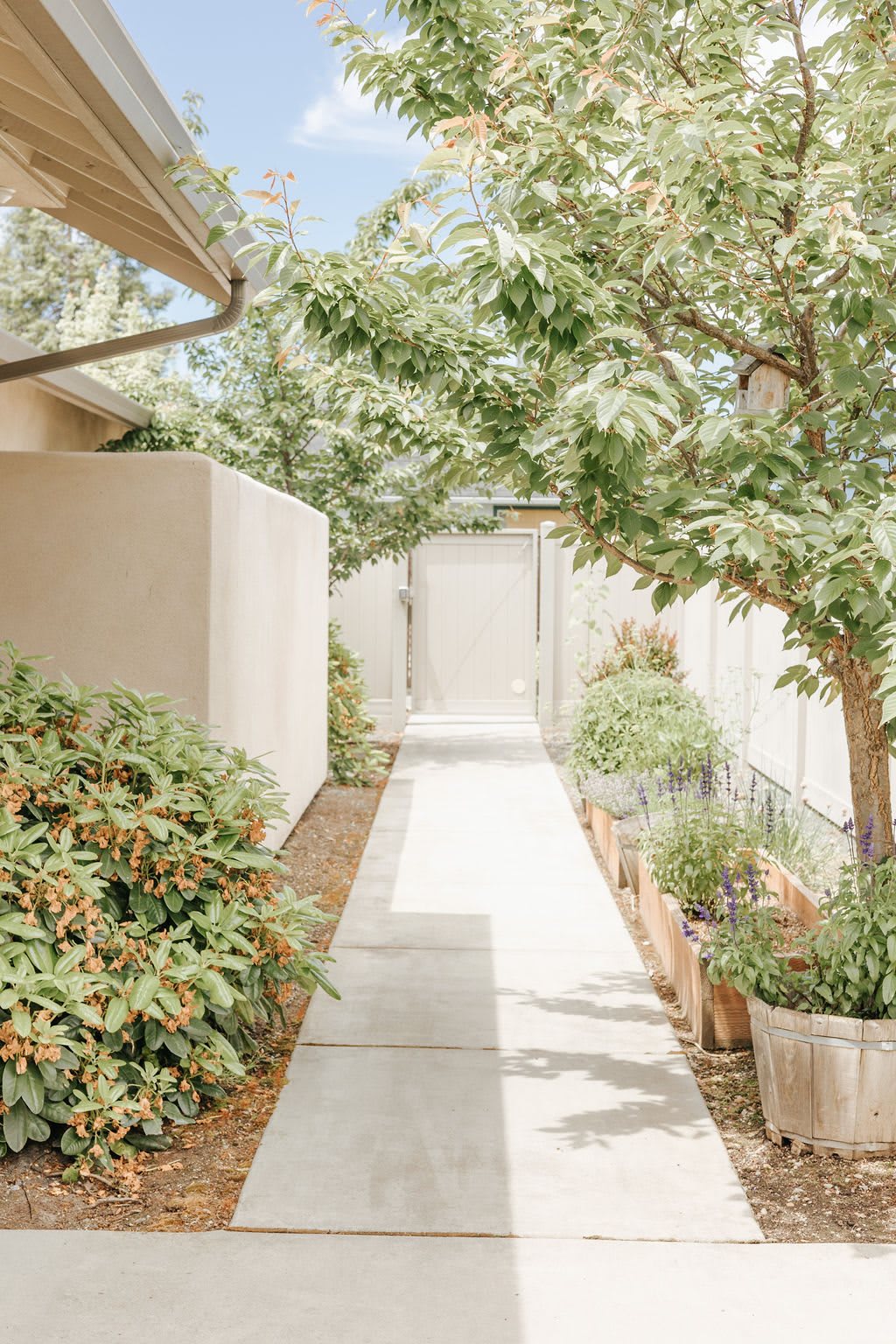
- The location near the park allows for nice walks on pleasant days.
- They show genuine care for residents and families, including during services and memorials.
Review
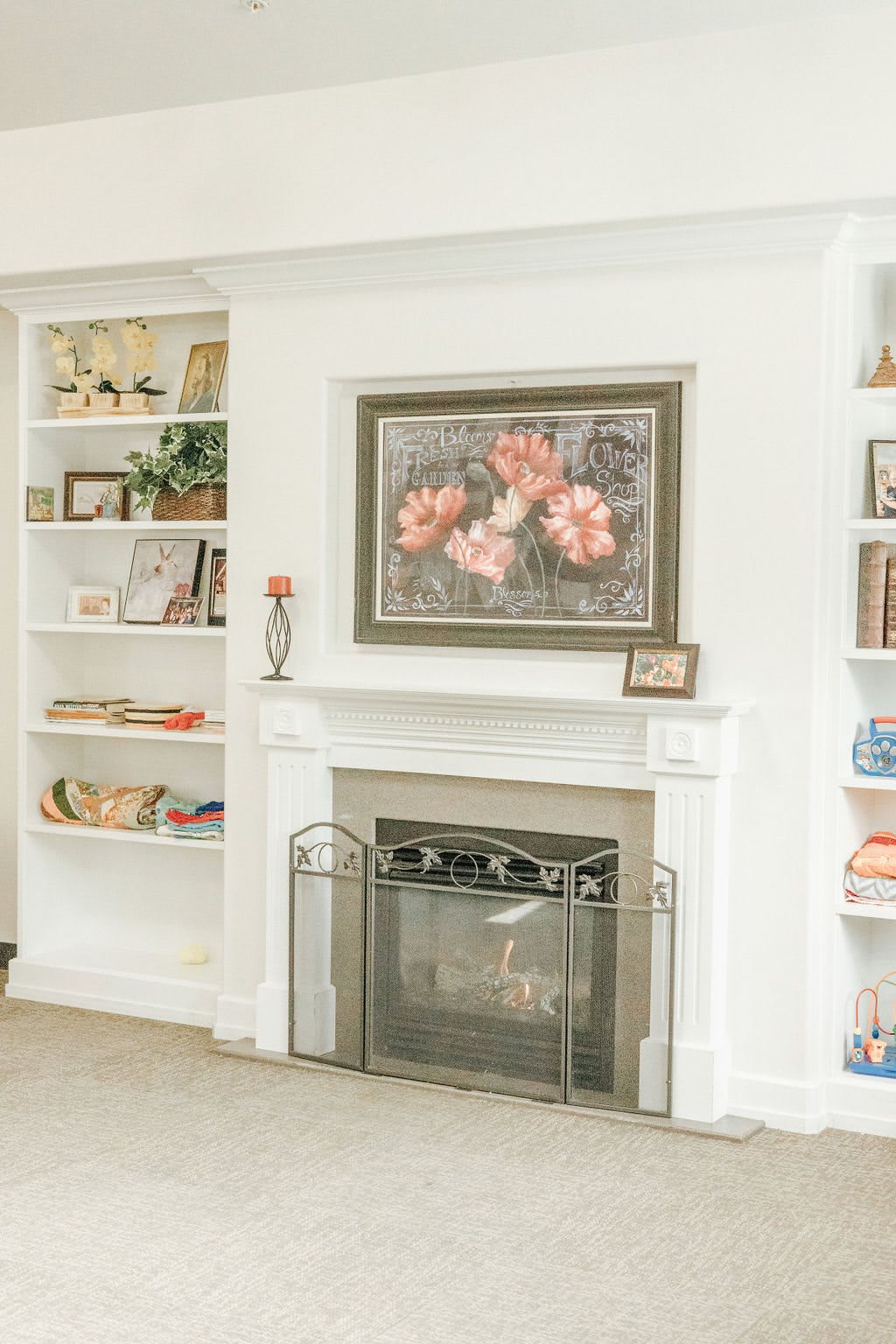
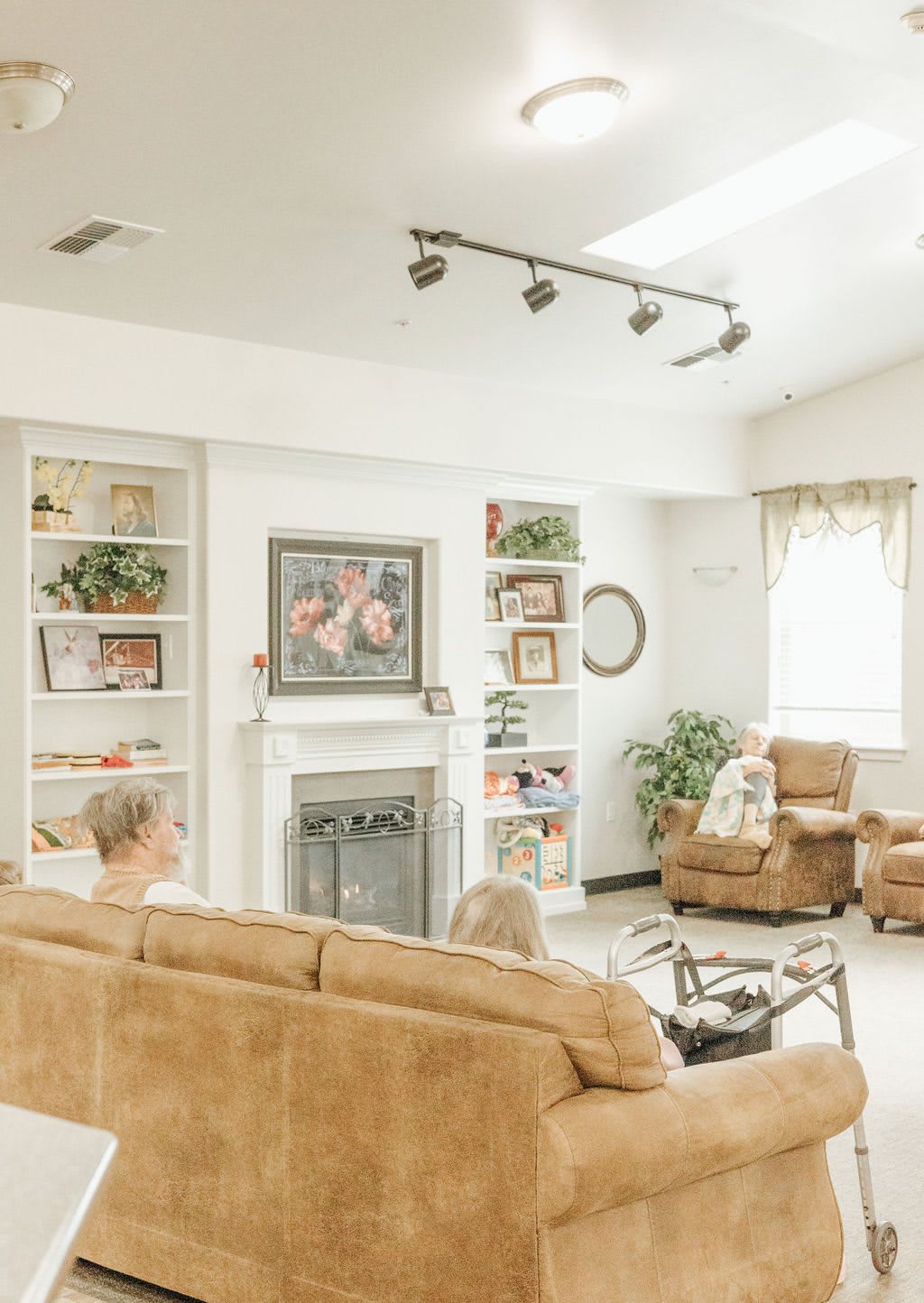
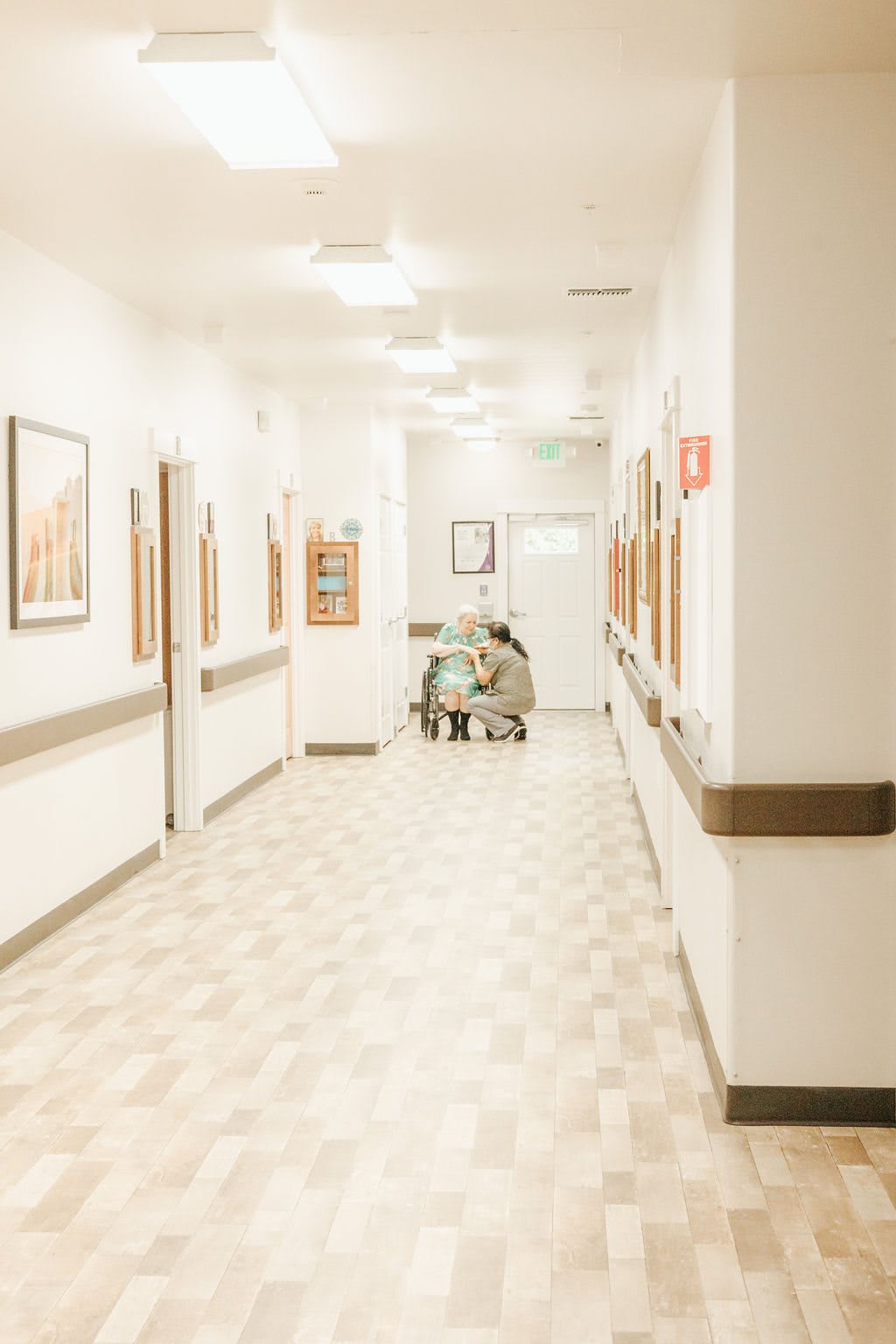
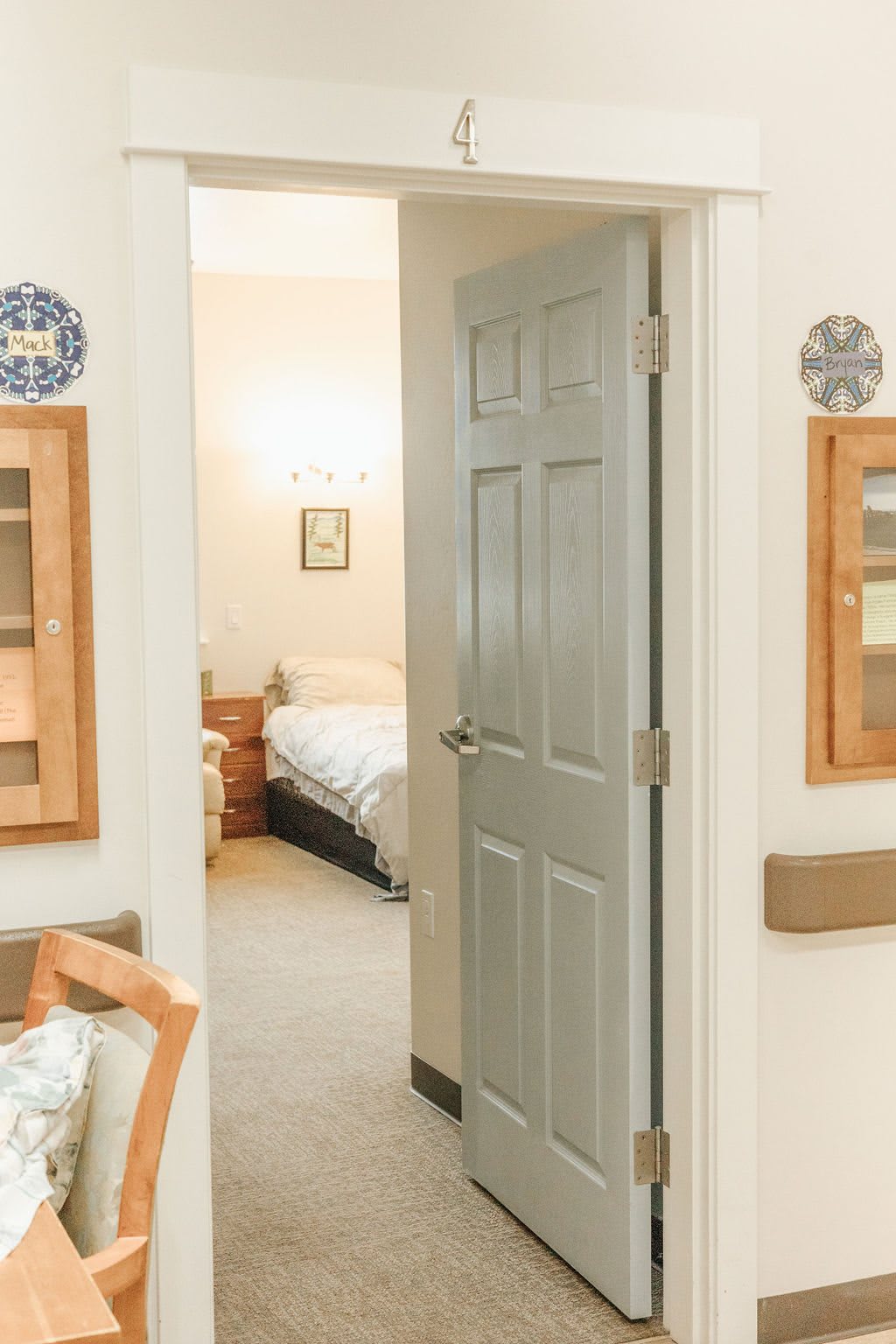
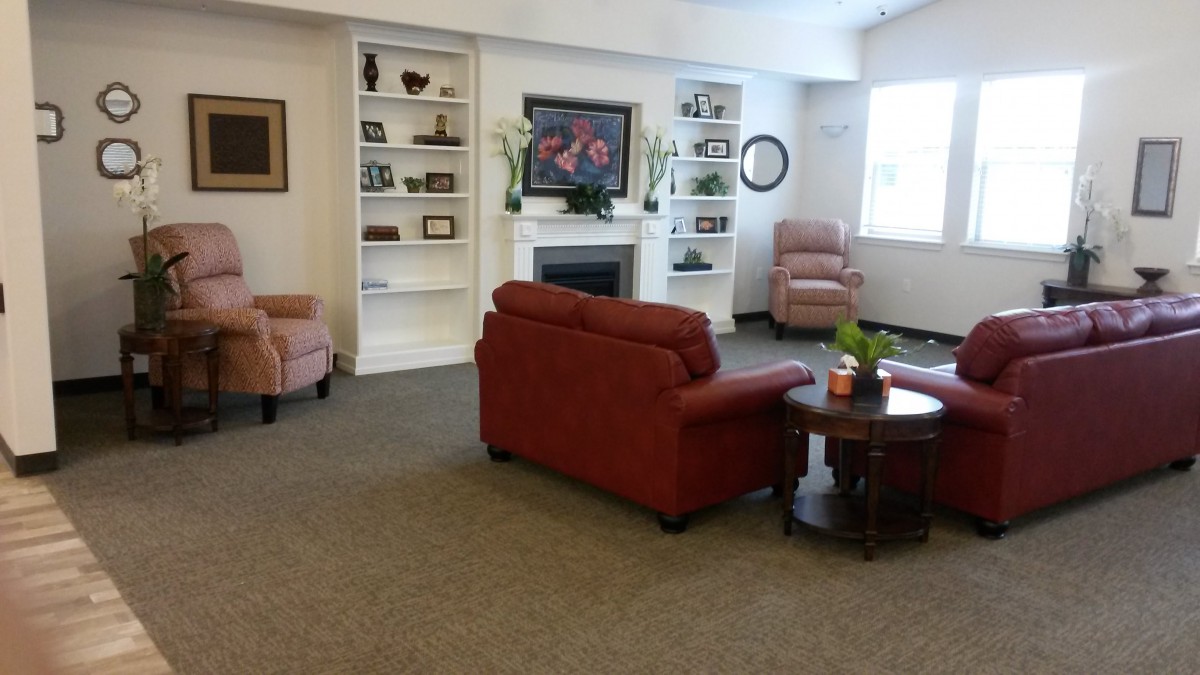
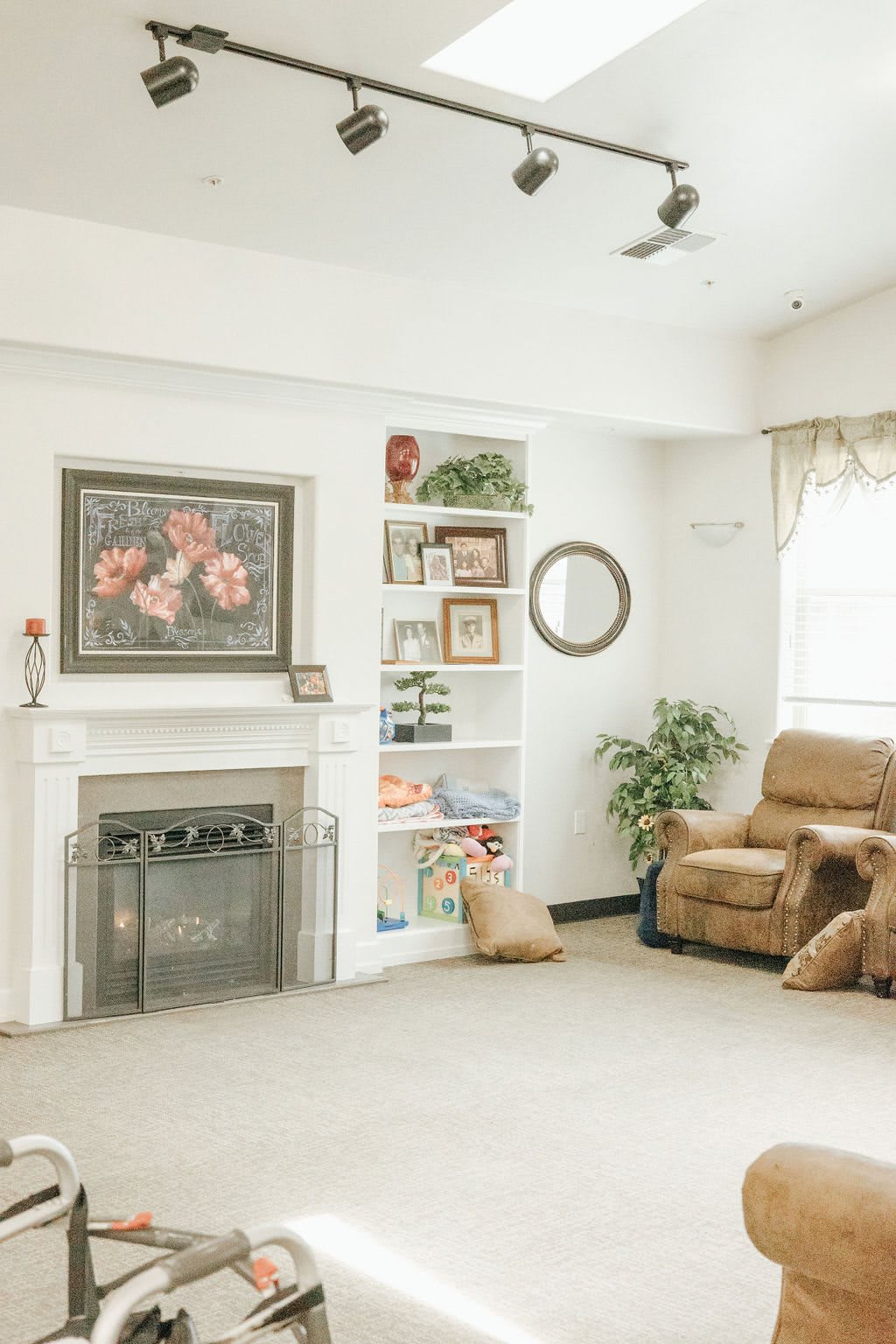
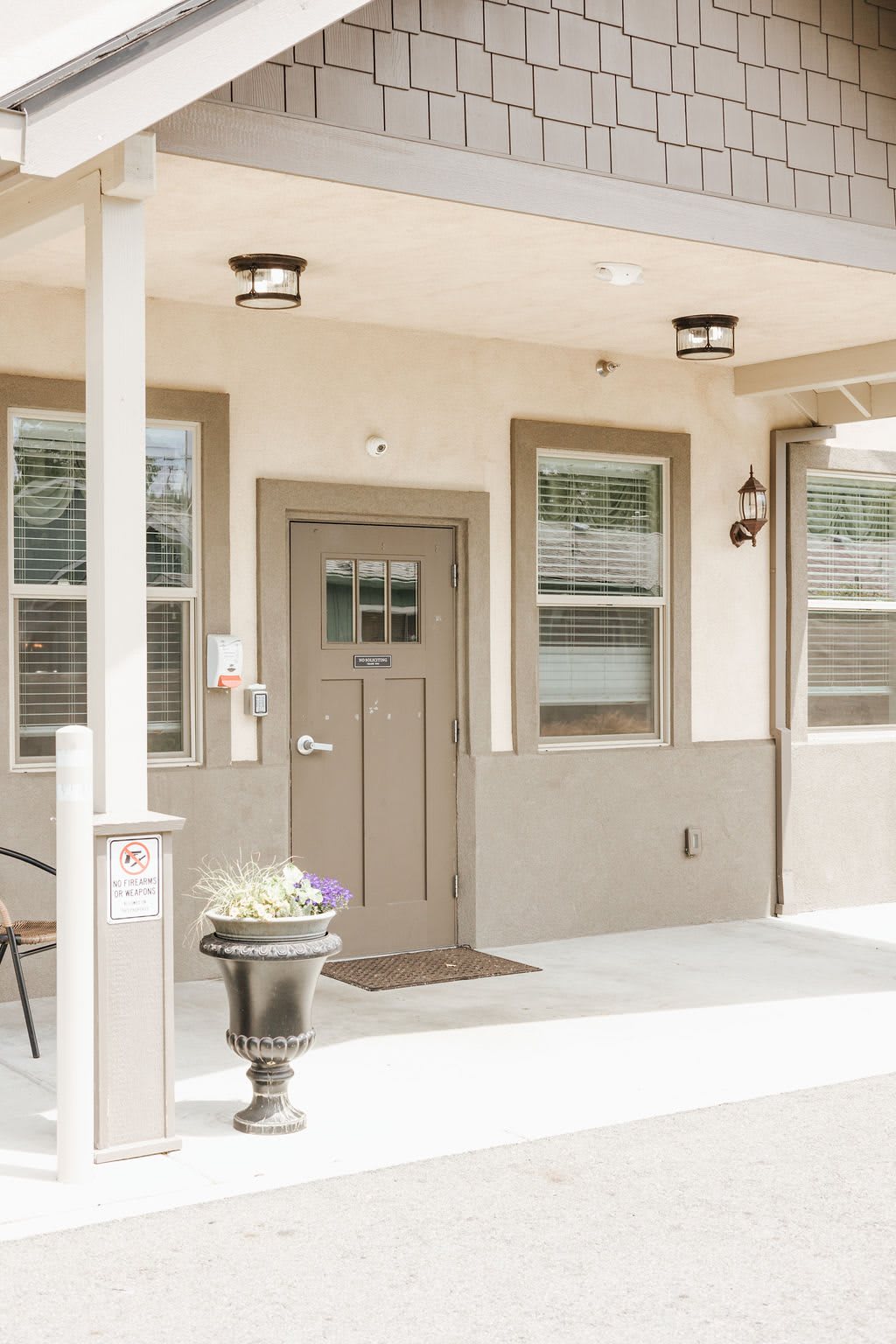
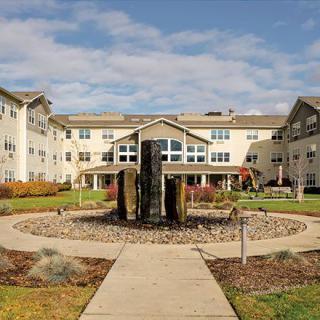
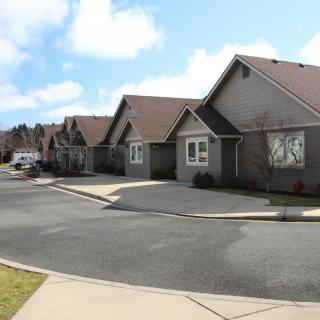
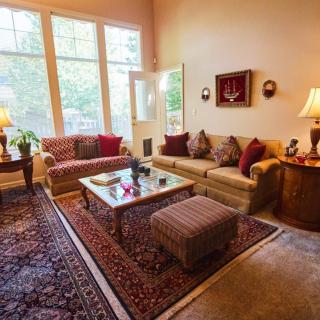
Kensington at Redwood Park is best suited for families seeking memory-care focused assisted living with a high-touch, compassionate staff and a warm, family-like culture. In Grants Pass, Oregon, this community earns strong marks for around-the-clock attention from a team described as professional, patient, and genuinely caring. Residents appear to benefit from a welcoming atmosphere, dependable routines, and abundant opportunities to stay engaged, whether through structured activities, social programs, or simple strolls near a nearby park. The emphasis on person-centered care and continuity of staff helps families feel confident their loved one is known, valued, and well cared for over time.
Families should consider alternatives if the resident has medical needs that extend beyond memory care or if upfront pricing and ongoing cost clarity are non-negotiable. The reviews note exceptional caregiver dedication, yet no current, explicit price disclosures are provided. For some families, a model that leans more heavily into clinical oversight, short-term rehabilitative services, or a different cost structure may be worth evaluating. Those prioritizing a quieter, more clinical setting, or one with very transparent, itemized pricing, may find it useful to compare multiple options before committing.
The strongest pros here, exceptional staff care, a responsive, family-inclusive approach, and a robust activity calendar, offset the main concerns by delivering daily stability that many families find priceless. The staff’s professionalism and willingness to support tough decisions offer emotional steadiness for families navigating transitions. The ability to visit unannounced without friction signals a transparent culture where caregivers are accustomed to accountability. Food is described as homestyle and satisfying, and the activity lineup helps residents stay connected, purposeful, and engaged. The location near a park adds gentle, healthful outdoor time that complements cognitive and social well-being for memory-impaired residents.
Another clear strength is demonstrated leadership and community integration. Families report that the assistant director and several staff members personally attend services and milestones, reflecting a level of care that transcends routine daily tasks. This depth of engagement often translates into smoother care coordination, better continuity of staff assignments, and a greater sense of belonging for residents. The overall atmosphere, friendly, approachable, and oriented toward meaningful daily living, appears to reduce anxiety and resistance to care, which can be a significant hurdle in memory care.
For families assembling a decision checklist, several practical steps are advised. Request a detailed, itemized pricing plan and any potential add-ons, so expectations and budgeting are clear from the start. Inquire about staff-to-resident ratios, especially during evenings and nights, to gauge ongoing supervision. Ask for a sample menu and dietary accommodations to ensure meals align with preferences and health needs. Explore the memory-care programming in detail: what cognitive activities are offered, how wandering or safety needs are managed, and how individualized plans are created and updated. Finally, verify availability of respite stays, transition support, and acceptance of applicable long-term care coverage or insurance, then schedule a time to observe a typical day and, if possible, test an unannounced visit yourself.
Ultimately, Kensington Redwood Park stands out for a memory-care environment where care staff dedication, family engagement, and daily livability drive a high quality of life. It is a compelling choice for families prioritizing warmth, consistency, and meaningful activity as core components of care. Those who require deeper medical acuity, clearer price transparency up front, or a different care model may want to compare alternatives to ensure alignment with medical needs and budget realities. When evaluated against these criteria, Kensington Redwood Park delivers a practical, confident option built on credible warmth, reliable staffing, and a proven capacity to help loved ones thrive in a supportive, community-centric setting.
 30 resident community capacity
 Assisted Living
 Memory Care
 Activities on-site
 Air-conditioning
 Beauty salon
 Cable or satellite TV
 Devotional services on-site
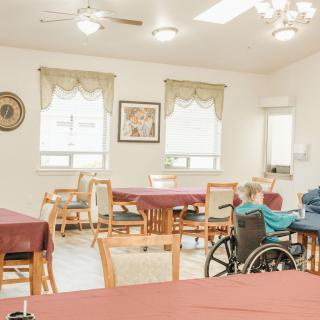
 Dining room
 Fully furnished
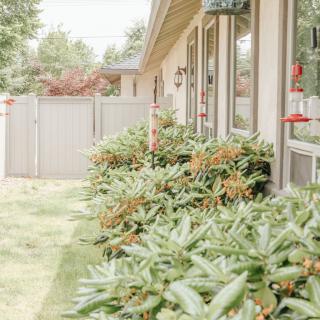
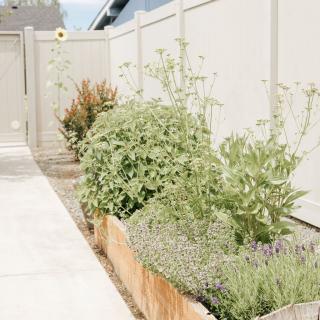
 Garden
 Ground floor units
 Housekeeping services
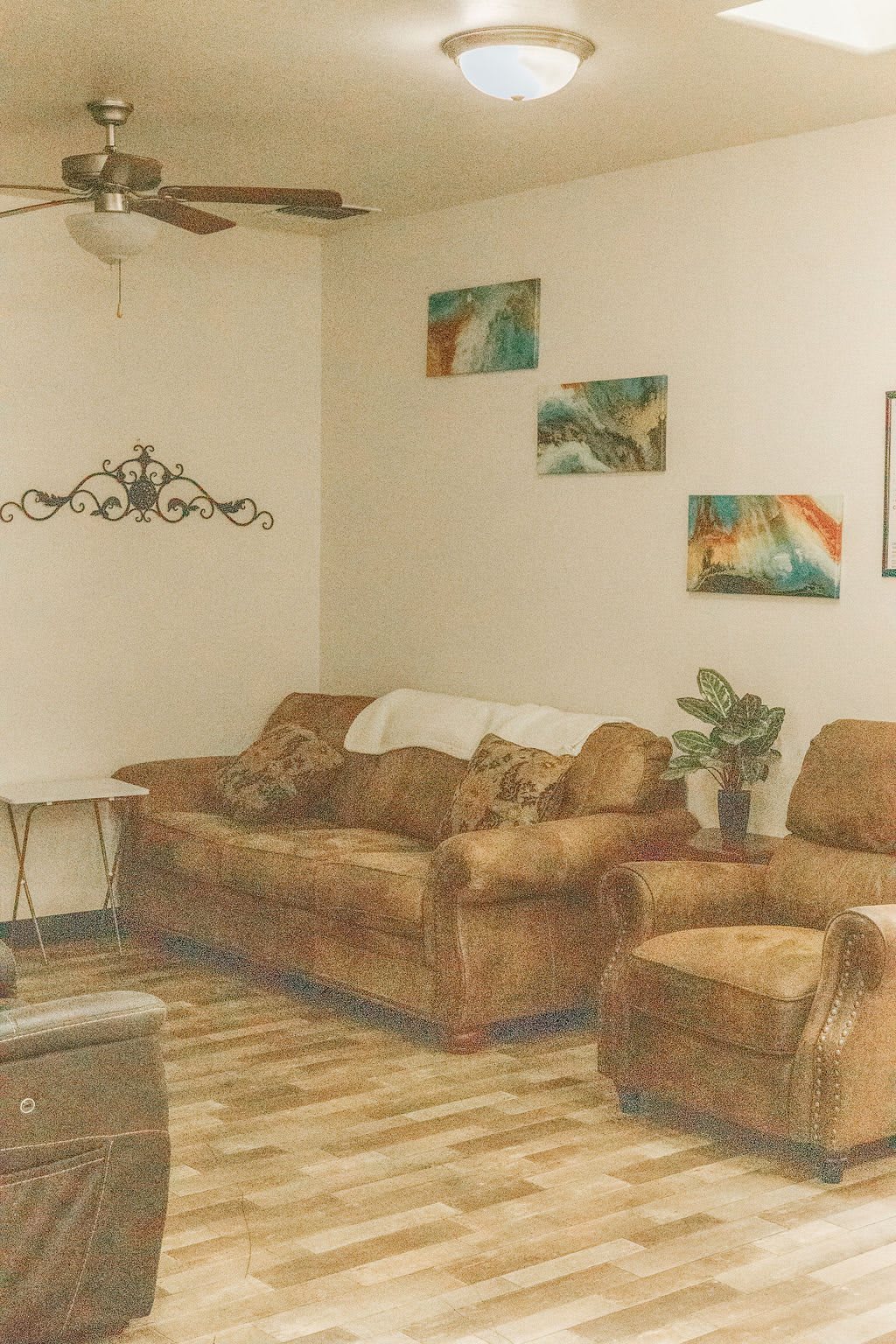
 Indoor common areas
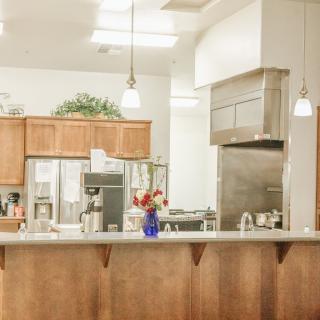
 Kitchenette
 Move-in coordination
 Outdoor common areas
 Respite or short term stays offered
 Restaurant-style dining
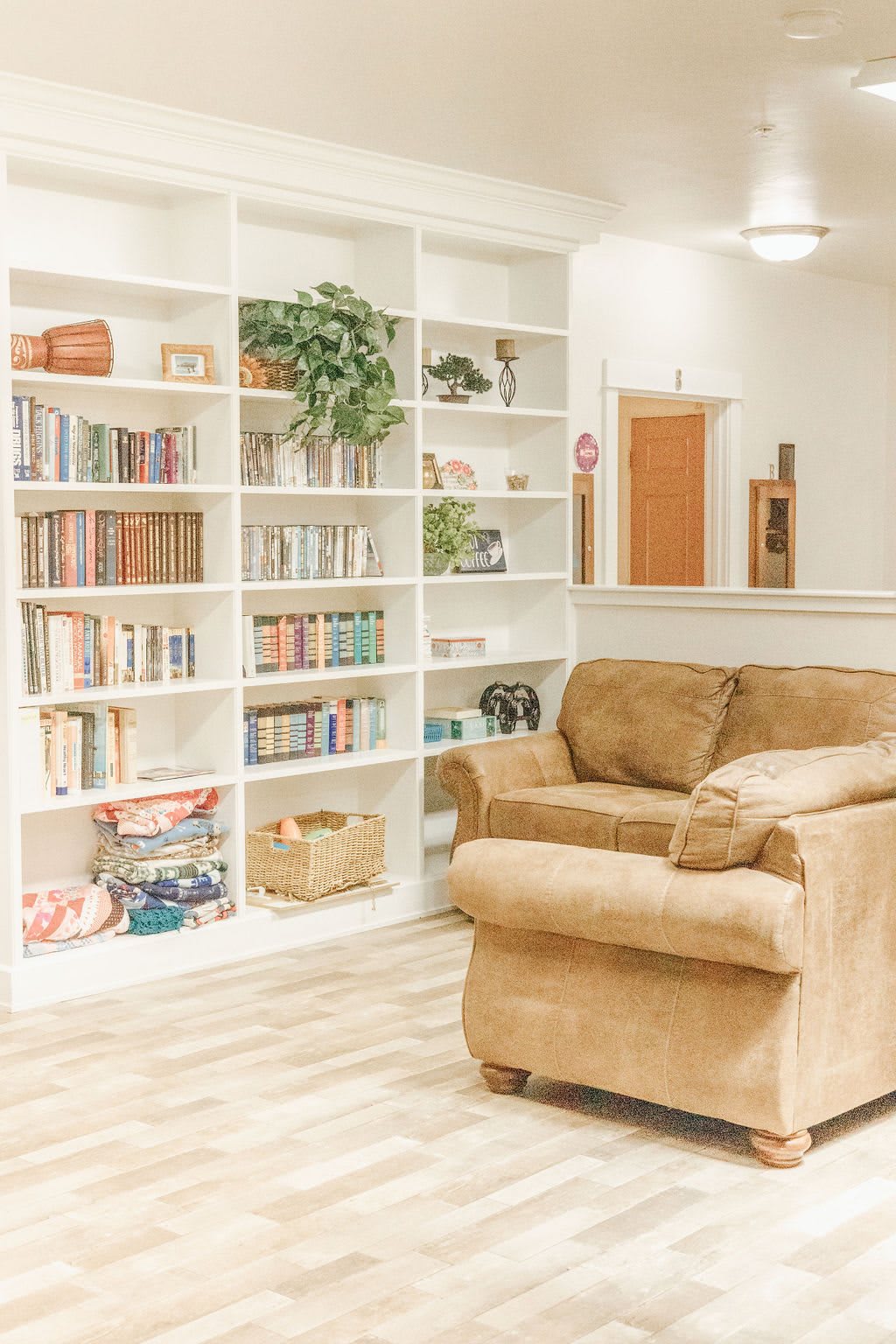
 Small library
 Telephone
 Wheelchair accessible showers
 Wi-Fi/high-speed internet available
 24-hour call system
 Ambulatory care
 Assistance with bathing
 Assistance with dressing
 Assistance with transfers
 Diabetes diet
 Diabetic care
 High acuity care
 Incontinence care
 Medication management
 Mental wellness program
 Special dietary restrictions
 Art classes
 Light therapy programs
 Live dance or theater performances
 Live musical performances
 Trivia games
 Visiting chaplain or priest
 Wii bowling
 Yoga / chair yoga

 An In-Depth Look at Reminiscence Therapy in Dementia Care
 Dementia-Related Hallucinations: Causes, Experiences, and Practical Approaches
 Illuminating Insights About Alzheimer's Disease: Ten Crucial Realities