

1635 Kellenbeck Avenue, Grants Pass, OR 97527
For more information about senior living options: (866) 208-4318
Applegate House Of Grants Pass Costs & Pricing
Applegate House of Grants Pass offers competitive pricing for its private and studio rooms, with monthly costs set at $4,000 for both types. While this rate aligns closely with the average costs in Josephine County, which is slightly lower at $3,949 for private rooms and $3,760 for studios, it is notably above the state average of $3,424 for private accommodations and $3,815 for studios across Oregon. This positioning suggests that while Applegate House may be priced higher than some local options and the state average, it potentially reflects additional value in terms of services or amenities provided to residents.
| Floor plans | Applegate House Of Grants Pass | Josephine County | Oregon |
|---|---|---|---|
| Studio | $4,000 | $3,760 | $3,815 |
| Private | $4,000 | $3,949 | $3,424 |
Memory care communities with a similar price nearby
-
from -$480 / mo
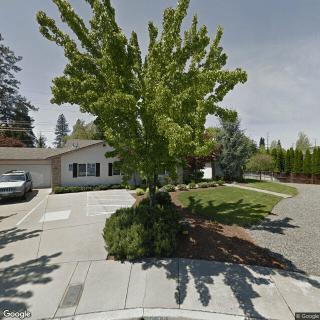
Arbor House Of Grants Pass
$3,520 to $3,780 / month2.7 miles away -
About the same
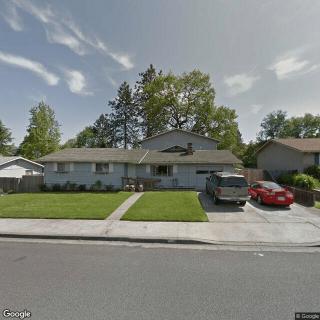
Black Oak Adult Foster Care
$4,000 / month3.3 miles away -
About the same
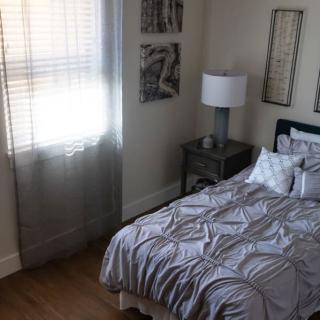
Pear Valley Senior Living
$3,995 to $4,995 / month22.9 miles away -
from -$600 / mo
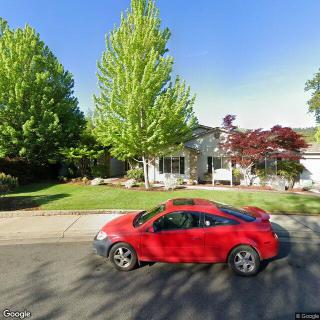
Ashley Manor - Heidi
$3,400 to $3,900 / month3.7 miles away -
from -$200 / mo
Wings of Love Adult Foster Care
$3,800 to $4,000 / month4.3 miles away
Overall Review of Applegate House Of Grants Pass
Pros
 The administrator greeted guests and made them feel at home.
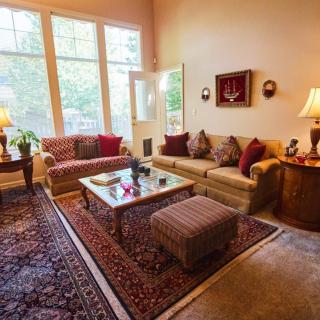
- The room was very clean and the staff were welcoming.
- The service was great.
- It is a beautiful place.
- The staff are very nice.
- The care given to each person is top-notch and beyond exceptional.
- The staff have a one-on-one relationship with each patient.
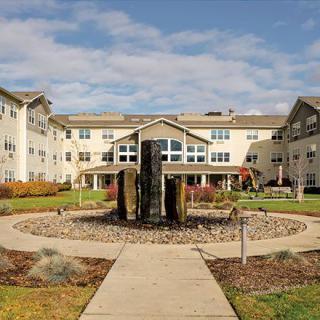
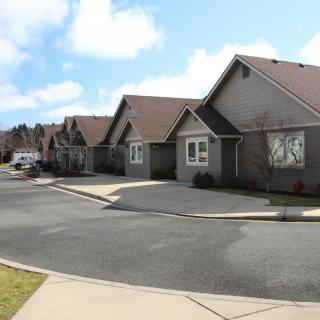
- The facility is nice and homey, with a beautiful yard and inviting meals for visiting families.
- The family felt that the resident received very loving care from the staff.
- The staff went out of their way to provide attentive care, including small acts like trimming nails and talking with him.
Cons
 The reviewer felt they were basically led around by the woman heading the facility.
Review
Applegate House is best suited for families seeking memory-care that blends heartfelt, hands-on attention with a warm, home-like environment. It works well for residents who thrive on personal interactions, daily reassurance from attentive staff, and a setting that feels less institutional and more “come as you are.” The community is particularly strong for loved ones who value one-on-one relationships, frequent staff engagement, and a program that keeps social, physical, and creative activities front and center. For families prioritizing a highly personalized approach to memory care, this facility offers a compelling match.
The reviews consistently highlight a cadre of pros that together create a compelling care proposition. The administrator and staff cultivate a welcoming, inclusive atmosphere, and care teams routinely go beyond the basics, offering nail care, hair touch-ups, and regular conversation that honors the resident as an individual. Families describe rooms as clean and well-kept, and the overall facility as inviting and homey. A standout strength is the level of personal attention residents receive, with staff fostering meaningful, one-on-one connections that provide emotional security to residents and peace of mind to families. The menu features homemade meals prepared on site, which bolsters a sense of normalcy and comfort in daily routines. In addition, the community supports a lively social calendar: big-band music, dancing, weekly barbecues, and ample outdoor space that residents enjoy at will, all of which contribute to a stimulating and joyful atmosphere. The combination of attentive caregivers, comforting meals, and a radiant social life makes the day-to-day experience feel safe and satisfying for many families.
Yet the strongest positives are balanced by a notable caveat that merits consideration. At least one reviewer observed a leadership style that can feel somewhat directive, being “led around” by the person heading the facility. While this reflects a hands-on, centralized approach rather than neglect, it may not suit every family’s preference for a more collaborative or autonomous planning process. The facility’s considerable size can also be a mismatch for those who favor a smaller, cozier, more tightly knit environment. For families that require highly medicalized oversight, highly structured clinical routines, or rapid, physician-driven decision-making, the model here may feel more home-centered and activity-rich than medically dense. These are important distinctions for long-range planning and should be weighed against the clear social strengths on offer.
Nevertheless, the core advantages tend to offset these potential drawbacks for the right resident and family. The depth of personal care directly mitigates common relocation anxieties and can substantially reduce distress for memory-impaired residents transitioning to care. The staff’s willingness to engage in little daily rituals, hand care, hair care, and genuine conversation, creates a steady sense of familiarity that families often crave. The home-like setting, generous outdoor space, and a robust slate of activities help preserve independence in meaningful ways and strengthen everyday satisfaction. For many, the emotional safety net provided by a staff that treats residents like family is precisely what makes the trade-off worthwhile, even if a more clinical environment might be preferred elsewhere.
Ultimately, decision-makers should match this community to residents who prize warmth, relationship-building, and an active social calendar in a memory-care setting. Applegate House shines for families who want to participate in daily life, share meals, attend performances, and enjoy a yard where residents feel free to linger and socialize. Those seeking a more clinical, tightly regulated, or smaller-scale environment may wish to consider alternatives that emphasize medical oversight and intimate staffing structures. For the right person, the balance of compassionate, individualized care with an engaging, homey milieu makes Applegate House a strong, thoughtfully considered option in Grants Pass.
The practical next step is clear: visit with a concrete checklist, meet the care team, tour the rooms, and observe mealtime dynamics and activity participation. Ask to speak with staff about individualized care plans, how memory-care needs are tracked, and how updates are communicated to families. Confirm the opportunities to join meals, participate in programs, and assess how safety features and daily routines support autonomy. If the aim is a memory-care setting where residents are treated as cherished individuals and families are welcomed into a lively, caring community, Applegate House delivers a compelling blend of warmth, responsiveness, and meaningful engagement that is hard to beat in Grants Pass.
 15 resident community capacity
 Assisted Living
 Board and Care Home
 Memory Care
 Activities on-site
 Cable or satellite TV
 Devotional services off-site
 Dining room
 Fully furnished
 Garden
 Housekeeping services
 Indoor common areas
 Move-in coordination
 Outdoor common areas
 Private
 Private bathrooms
 Respite or short term stays offered
 Telephone
 Wheelchair accessible showers
 Wi-Fi/high-speed internet available
 24-hour supervision
 Ambulatory care
 Assistance with bathing
 Assistance with dressing
 Assistance with transfers
 Diabetes diet
 Diabetic care
 High acuity care
 Hospice waiver
 Incontinence care
 Meal preparation and service
 Medication management
 Mental wellness program
 Special dietary restrictions
 Transportation arrangement (medical)
 Transportation to doctors appointments

 Engaging Memory Care Activities That Enhance Quality of Life
 When to Transition from Assisted Living to Memory Care: Key Indicators, Steps, and Finding the Right Community
 Understanding the Distinctions: Assisted Living and Memory Care Explained