






324 Shadow Lawn Drive, Eagle Point, OR 97524
To contact a resident: (541) 660-3611
For more information about senior living options: (866) 208-4318
Spring Lily Adult Foster Home Costs & Pricing
Spring Lily Adult Foster Home offers competitive pricing for its private room accommodation, with a monthly cost of $3,200. This figure is notably lower than the average rates in Jackson County, which stand at $3,899, and also more affordable compared to the broader state average of $3,424 for similar facilities across Oregon. Such pricing positions Spring Lily as an appealing option for families seeking quality care in a supportive environment without straining their budget excessively. The value provided by the home not only reflects its commitment to residents but also highlights its strategic position within the local market.
| Floor plans | Spring Lily Adult Foster Home | Jackson County | Oregon |
|---|---|---|---|
| Private | $3,200 | $3,899 | $3,424 |
Senior living communities with a similar price nearby
-
About the same

Suncrest Place
$3,192 to $5,502 / month15.8 miles away -
from -$450 / mo

Suncrest Senior Care Home
$2,750 to $3,450 / month15.9 miles away -
from -$225 / mo

Northridge Center
$2,975 to $4,173 / month13.4 miles away -
from -$205 / mo

The Springs at Veranda Park
$2,995 to $4,995 / month9.5 miles away -
About the same

The Springs at Anna Maria
$3,150 to $5,618 / month11.5 miles away
Overall Review of Spring Lily Adult Foster Home
Pros
 They highly recommend Golden Nest AFH as a trusted place for their loved ones.
 - Liliya and the caregivers made residents feel loved and cared for from the first visit.
- The staff are knowledgeable, caring, and respectful, providing attentive and compassionate care.
- They help families navigate care transitions and manage hospice needs effectively.
- The environment is clean, comfortable, and the food is delicious.
- Families have peace of mind knowing their loved ones are in good hands.
- The team maintains open communication and stays in close contact with families.
Cons
 They were disappointed with other facilities before finding Golden Nest.
- The bigger facility did not care for their father as well as Golden Nest.
- It was a scary thought to leave a spouse in someone else’s care.
- Some other places did not provide the level of care they later experienced at Golden Nest.
Review
Spring Lily Adult Foster Home in Eagle Point, Oregon is best suited for families seeking a truly intimate, home-like setting where every resident is treated with personal attention, and where hospice-friendly, end-of-life care transitions are supported with clarity and compassion. The community earns a remarkably high 4.9 rating from 19 reviews, with emphasis on caregivers who know residents by name, listen carefully, and respond quickly to needs. This is not a large campus; it is a genuine foster-home environment where daily routines, meals, pacing, and social time, are crafted around comfort and dignity. For families prioritizing warmth, consistent communication, and a sense that the care team is part of the family, Spring Lily stands out as a decisive fit.
Those weighing alternatives should recognize Spring Lily’s strongest appeal rests on personal connections, caregiver competence, and a seamless transition experience for seniors who require steady attention, medication management, and hospice-informed care. If a family needs a facility with a broad medical staff on site, memory-care specialized units, or a more expansive slate of activities and transportation options, a larger or more medically oriented community may perform better. Likewise, if leadership stability and long-tenured administrators are a top criterion, or if geographic convenience points to another city, exploring other options can be prudent. The key is to match facility scale and leadership style to the resident’s medical needs and family comfort level with oversight.
On the strength side, the most consistent pro is the staff’s hands-on devotion. Liliya and the caregiving team are described as knowledgeable, loving, and relentlessly present, with a talent for navigating hospice considerations and anticipatory care. Families repeatedly cite proactive communication, timely med management, and thoughtful attention to transitions between care levels as major confidence builders. The home atmosphere itself reinforces these strengths: clean, comfortable living spaces, meals that residents enjoy, and a safe, relaxed environment where residents mingle with familiar faces. The result is a sense of steadiness that reduces anxiety for families during stressful junctures, including hospital-to-home transitions and power-outage contingencies where residents were cared for without disruption.
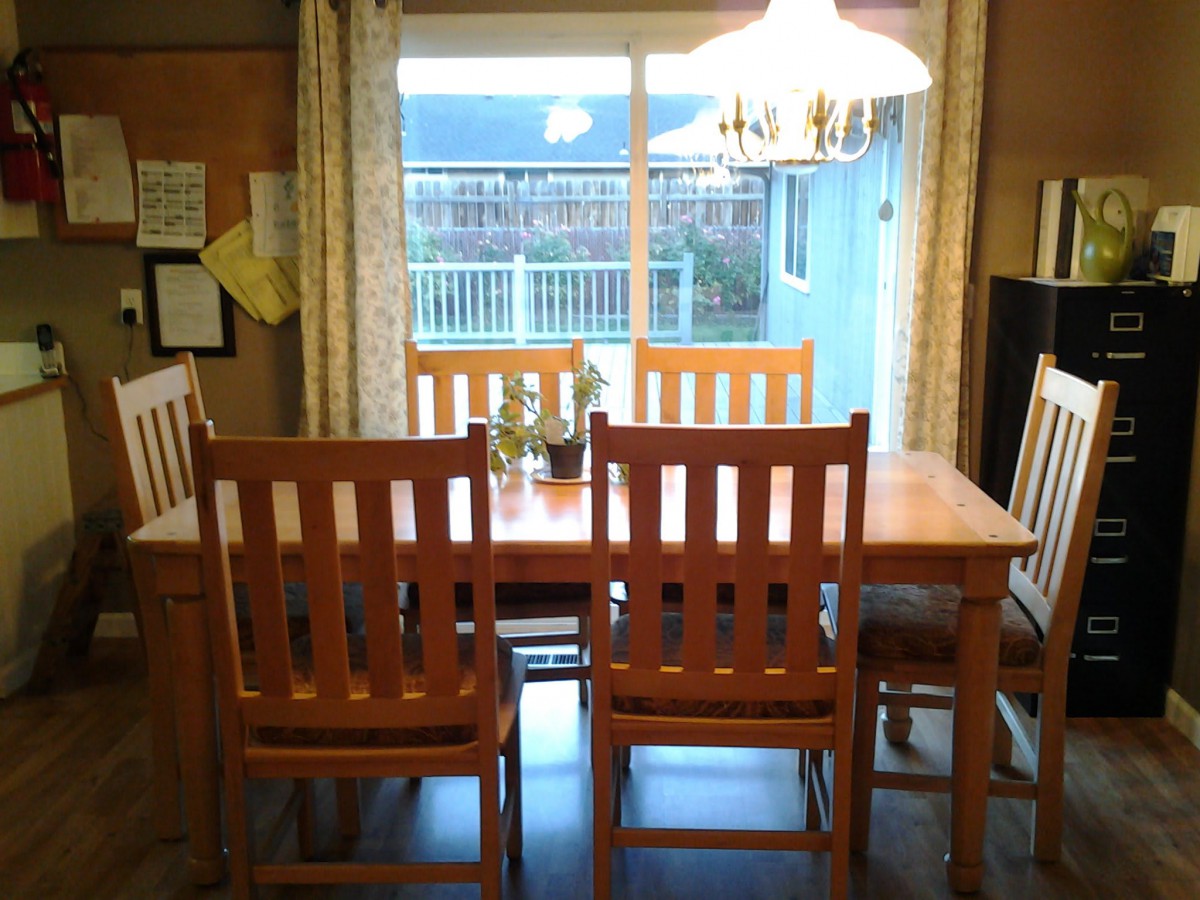
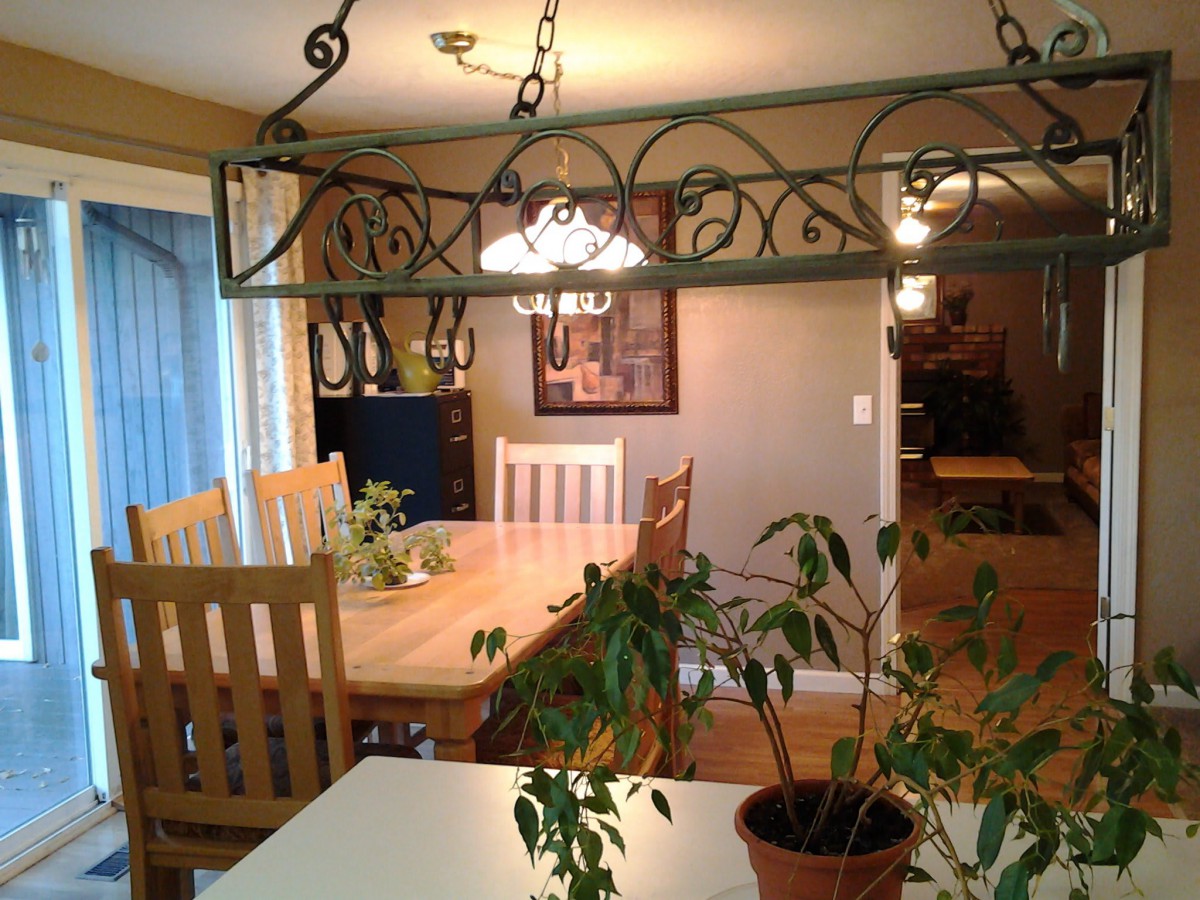
Equally compelling are the less tangible but equally important benefits: the sense of belonging and inclusion that families report. Residents appear to flourish in a setting where caregivers treat them as part of a family system, and where visiting families are welcomed as partners in care. The backyard and patio create accessible outdoor time, while the emphasis on personal touches, home-cooked meals, reminders of birthdays or anniversaries, and regular updates, helps sustain a feeling of normalcy. This kind of environment is often transformative for seniors who fear impersonal care or isolation in larger facilities, and it offset potential downsides by delivering a predictable daily rhythm and a cooperative, family-centric care model.
Despite the overwhelmingly positive feedback, potential families should consider the one practical caveat that accompanies small, intimate homes: scale can limit the breadth of services and the duration of institutional-style certainty. The reviews highlight that the home is operated with a relatively young leadership presence, which some families might weigh against more seasoned administration. For those prioritizing long-term staff stability or a large, medically diverse support team, this factor warrants careful inquiry. To mitigate any concern, request specific assurances: a written care plan with routine updates, a predictable staffing schedule, and direct contacts for escalation. Inquire about nurse-or-piller oversight, medication protocols, and how emergencies are handled after hours.
In the end, the verdict is practical and decisive. Spring Lily Adult Foster Home is the choice for families who want a loving, highly attentive, home-first experience where staff know residents well, caregivers anticipate needs, and family involvement is not only welcomed but ingrained in daily life. It is less suited for those who demand a large, hospital-like campus, formal memory-care reconfiguration, or expansive medical staff on site. Pros, deep caregiver expertise, hospice-savvy care, strong communication, clean and comfortable surroundings, and a genuine sense of belonging, consistently outweigh the modest potential drawbacks. Prospective families should plan a visit, observe daily interactions, discuss care planning in detail, and confirm staffing patterns to ensure the fit remains airtight as needs evolve.
 Board and Care Home
 Activities on-site
 Bath tubs
 Beautician on-site
 Devotional services off-site
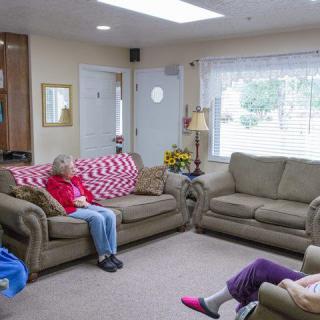
 Indoor common areas
 Outdoor common areas
 Private
 Wheelchair accessible showers
 Rogue Valley International (8 miles away)
 Ambulatory care
 Diabetic care
 High acuity care
 Incontinence care
 Medication management
 Meals provided






 9 Stimulating Memory Activities for Seniors: Puzzles, Cards, and Much More
 Managing Nursing Home Expenses After Medicare Coverage Ends
 Is a Geriatric Care Manager the Right Choice for Your Family?