

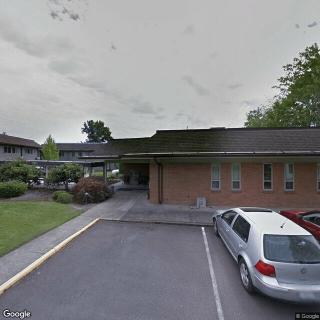
2141 Northwest Fillmore Avenue, Corvallis, OR 97330
To contact a resident: (541) 757-0214
For more information about senior living options: (866) 208-4318
Overall Review of Helping Hands Home Care - Corvallis
Pros
 They value their caregivers and go above and beyond to match clients well.
- They are a great company to work with, genuinely caring for both clients and employees.
- They take care of elderly parents and are a well-run organization.
- The caregivers take initiative and truly care about clients.
- They have a fantastic, super caring teamā€”professionals in every way.
- Everything is perfect in their service.
- They help clients get the best care and are often recommended by satisfied clients.
- Charmay and her staff care for others in the right way and are a valued resource for Corvallis.
- They provide dependable, around-the-clock care and respond to needs with dedication.
- The caregivers are great, and the team is caring and professional.
- They are widely praised for their compassionate approach to both clients and caregivers.
Cons
 They have had nothing but terrible experiences with Family Resource Home Care.
- They describe the communication as absolutely horrible.
- They say the management staff need to improve on communication and scheduling.
- They report that caregivers have not shown up to scheduled visits on multiple occasions, with no notice.
- They feel the service has been marginally okay at best since the transition from Helping Hands Home Care.
- They find it hard to have enough staff to provide 24-hour care.
Review
This Corvallis operation is best suited for families that prize deeply compassionate, relationship-driven in-home care and are prepared to actively collaborate with the agency to tailor a care plan. The model works best for households seeking a stable, home-based routine where caregivers form lasting connections with both clients and their families. It also suits families who may need to scale care quickly, including short-notice increases or hospice-level support, and who value a culture that supports caregivers so they can stay engaged and attentive over time. In short, this community rewards those who invest in a collaborative, ongoing care partnership.
Those who may want alternatives are families expecting flawless reliability and fail-safe scheduling. The most important caveat here is consistency in communication and coverage; when scheduling changes occur or caregivers are unavailable, it can ripple through the day with uneven results. If a client requires rigid, predictable scheduling or specialized dementia care with a guaranteed, fixed roster, consider other providers with more standardized front-line processes. For households in search of broad market options or those who prioritize ultra-tight adherence to every appointment, exploring additional agencies may yield greater schedule stability.
On the upside, the strongest pro is the care quality: aides described as compassionate, capable, and genuinely attentive to daily needs. Families repeatedly note that caregivers take initiative, remember medications, monitor routines, and step in beyond minimal tasks to keep clients safe and comfortable. The office and care-management teams are praised for effectively matching clients with caregivers and for their willingness to adapt when needs shift. Several staff members in the Corvallis office are singled out as dependable resources, offering a sense of reassurance that the right people are in place to support a complex in-home plan.
But significant cons temper those strengths. The most frequent friction centers on communication and scheduling. Clients report missed calls, last-minute schedule changes, and inconsistent updates about who will be present on a given day. In some reviews, attempts to contact the office yielded frustrating back-and-forth with uncertain timelines, or delays in finding replacements when a caregiver is sick. Post-acquisition dynamics appear to have unsettled some processes, with families noting a need for clearer, more proactive communication and more reliable backup coverage during peak demand or staff shortages.
The good news is that the favorable attributes of the caregiving team can offset some of the scheduling instability when families engage proactively. The caregiver relationship, developed over time, with dedicated people who remember routines and preferences, creates a core continuity that can buoy care even when the calendar is imperfect. The capacity to scale care up quickly, where it exists, suggests good potential for families facing escalating needs, provided the agency can maintain consistent scheduling discipline. In scenarios with strong caregiver compatibility and a responsive care coordinator, outcomes can remain positive even amid occasional logistical bumps.
For families weighing a decision, a pragmatic plan helps mitigate risk. Request a designated care coordinator and a written, block-style schedule with clearly defined back-up coverage and communication protocols. Demand timely updates whenever changes occur, and insist on a reliable escalation path if a caregiver misses a shift. Ask for references who can speak to both the quality of care and the reliability of the scheduling system. Compare with other local providers that emphasize centralized scheduling and transparent contingency plans. In Corvallis, the right fit hinges on balancing the proven warmth and initiative of the caregivers with an unwavering commitment to predictable, proactive communication.








 Financing Long-Term Nursing Home Care Through Social Security: A Thorough Exploration
 Essential Knowledge on Pneumonia in Older Adults
 Exploring Palliative Care in the Home: A Comprehensive Overview