
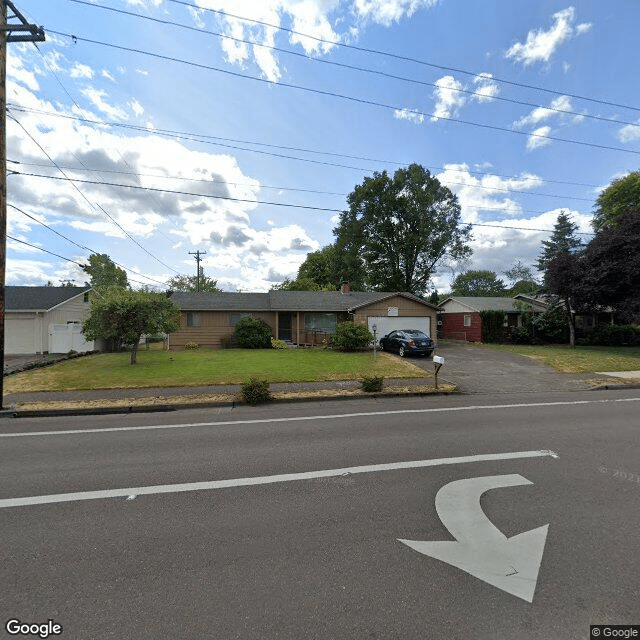
1910 NW Kings Blvd, Corvallis, OR 97330
To contact a resident: (541) 230-1897
For more information about senior living options: (866) 208-4318
Amicare Costs & Pricing
Amicare offers competitive pricing for its room types compared to the average costs in Benton County and across Oregon. For semi-private rooms, Amicare's rate of $3,500 is notably lower than the county average of $4,459 and the state average of $4,457, providing significant savings for residents. In contrast, for one-bedroom options priced at $4,000, Amicare is slightly above Benton County's average of $3,381 but remains competitively priced against the state average of $3,904. Similarly, their private room rate matches the one-bedroom cost at $4,000; while this is higher than the county's figure of $3,667 and the state's rate of $3,424, it reflects a quality care environment that may justify the premium for many individuals seeking personalized services. Overall, Amicare presents a balanced approach to pricing that caters to varying needs while maintaining quality standards within a competitive market landscape.
| Floor plans | Amicare | Benton County | Oregon |
|---|---|---|---|
| Semi-Private | $3,500 | $4,459 | $4,457 |
| 1 Bedroom | $4,000 | $3,381 | $3,904 |
| Private | $4,000 | $3,667 | $3,424 |
Memory care communities with a similar price nearby
-
About the same
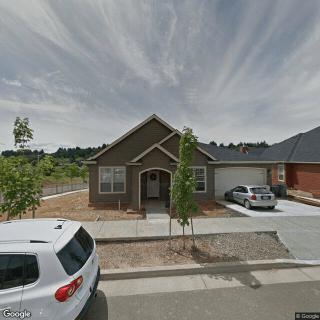
Avery Rose
$3,500 / month1.4 miles away -
from -$300 / mo
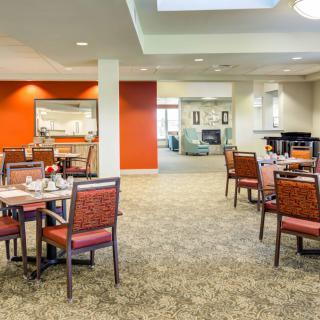
Waverly Place
$3,200 to $4,000 / month10.7 miles away -
from -$405 / mo

Conifer House
$3,095 to $4,841 / month1.6 miles away -
from +$200 / mo

Faye Wright Senior Living
$3,700 to $4,700 / month23.6 miles away -
from -$500 / mo
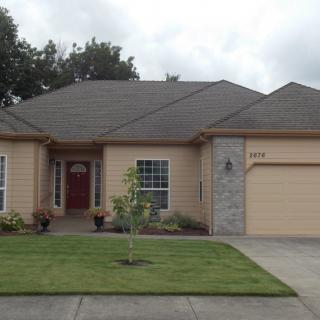
Vintage Care Home
$3,000 to $3,500 / month24.0 miles away
Overall Review of Amicare
Pros
 Amicare is a very nice place with a caring approach to residents.
- The owner is very nice and consistently available.
- Amicare truly cares about the residents.
- The staff are warm, welcoming, and friendly, with a good vibe for seniors.
- The owner and her son are very nice and provide attentive care.
- The caregiver is amazing, patient, and capable in caring for loved ones.
- The family is forever grateful for the years of excellent, loving care.
Cons
 They stated that if a loved one requires medical attention, Amicare is not the place for them.
- They felt that, given the price, more should be done by the caregiver.
- They found the rooms to be not very clean, even though the staff kept the loved one clean.
- They noted that their loved one was not a fan of the food.
- They observed that it is just the owner and her son working there, implying a lack of services.
Review
Amicare in Corvallis is best suited for families seeking a small, home-like setting where care feels deeply personal and consistently attentive. The strongest selling point is the hands-on leadership of the owner, whose warmth and steady presence appear to translate into real emotional support and daily diligence for residents. This is not a large, clinical operation; it is a intimate arrangement that centers on daily routines, familiar faces, and a sense of belonging. For seniors who prize continuity, accessible compassion, and a living environment that feels more like family than a facility, Amicare offers a compelling match.
That warmth, however, comes with clear trade-offs. Families should consider alternatives if the priority is robust medical oversight, regular skilled nursing, or highly structured services. The model described by multiple reviewers hinges on a small staff dynamic, primarily the owner and her son, rather than a larger team with round-the-clock clinical coverage. For residents who require frequent medical attention, advanced wound care, or consistent management of complex conditions, other communities with larger staffing and clearer medical protocols may be a safer fit.
On the plus side, the standout pros center on the caregiver’s dedication and the home’s inviting vibe. Reviewers repeatedly note a caring, patient, and capable approach, with the owner actively shaping daily life, turning residents to relieve pressure, managing bedding and comfort, providing personal care tasks, and even engaging residents with familiar routines and comforting activities. This level of one-on-one attention tends to translate into meaningful reassurance for families watching over a loved one’s day-to-day wellbeing. The atmosphere thus becomes a practical strength for those who value companionship and a dignified, non-institutional rhythm to life.
Yet the cons are nontrivial and not easily dismissed. Several observations point to gaps that can affect satisfaction and outcomes: rooms not feeling consistently clean, uneven quality in daily services, and a lever of meals that may not meet everyone’s tastes. With the operation effectively relying on two people, there is an inherent limitation in handling high-demand days, medical needs, or schedule-driven tasks without stimulation or disruption. The pricing conversation cited by one reviewer also hints at a mismatch between cost and the perceived breadth of services offered, signaling a potential friction point for budget-conscious families seeking more comprehensive coverage.
The most prudent takeaway is that the strong personal care can offset many concerns for residents whose needs remain largely custodial and social rather than clinical. For families prioritizing a trusted, long-tenured caregiver relationship and a home-like daily life, the emotional warmth and meticulous personal care can deliver substantial value. However, this offset weakens as medical complexity grows or as expectations for cleanliness, meal quality, and routine service gaps become more central. In other words, Amicare excels as a nurturing, intimate arrangement but may fall short for those who require frequent nursing interventions, rigorous housekeeping standards, or consistent, high-quality meals across the board.
Prospective residents should approach a tour with precise questions and clear expectations. Inquire about the exact staffing model, how coverage works on weekends and evenings, what medical tasks can be supported in-house, and whether outside professionals are engaged for skilled needs. Ask for a transparent cleaning routine and the cadence of housekeeping, as well as meal customization options and flexibility in dietary accommodations. Finally, request references or opportunities for a short-term stay to observe how the caregiver handles varied days, medical needs, and family concerns. When a family seeks a deeply caring, person-centered environment and can accommodate modest clinical oversight, Amicare stands out as a rare, heartfelt option. For others, a larger community with more robust medical staffing may prove a more reliable fit.
 Board and Care Home
 Memory Care
 Cats allowed
 Activities off-site
 Indoor common areas
 Outdoor common areas
 Private
 Respite or short term stays offered
 Wheelchair accessible showers
 Diabetic care
 Incontinence care
 Kosher





 A Holistic Dementia Care Guide: Effective Strategies for Memory Support
 Memory Care Pathways: A Holistic Guide to Dementia Support
 Comprehending Evening Confusion in Dementia: Causes, Manifestations, and Support