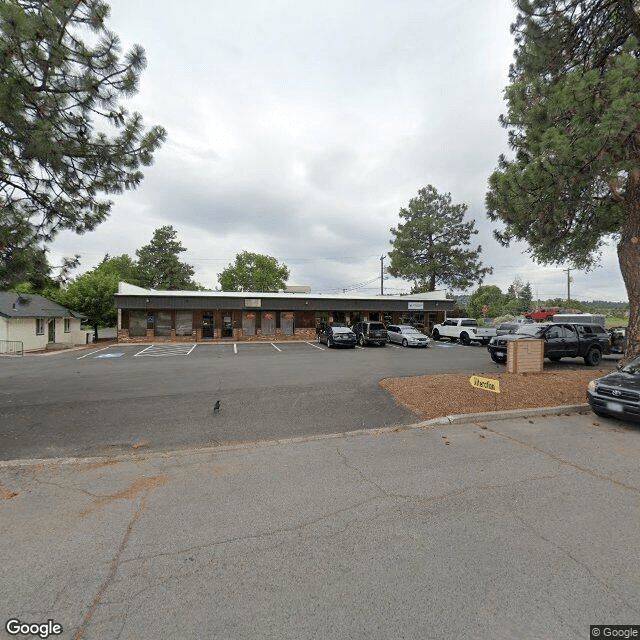
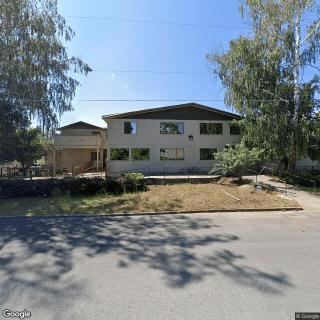
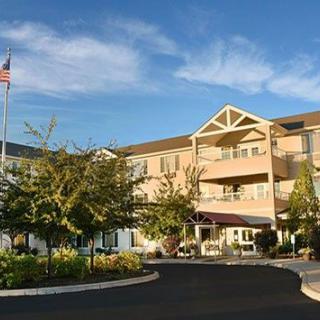
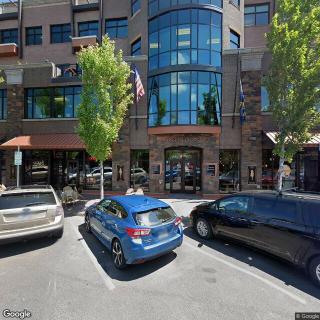
AHCG Bend
Save
Information last verified:
1631 NE 2nd St. Suite, Bend, OR 97701
For more information about senior living options: (844) 490-3973
AHCG Bend in Bend, Oregon functions best for seniors who need dependable medical oversight on site, with ready access to labs, imaging, and acute-care resources. The campus earns its value from a staff described as friendly, attentive, and skilled, with standout clinicians such as Dr. Mazitas noted for quality care. For families weighing assisted living options, this setting operates like a hospital-affiliated environment that can support residents with chronic conditions, recovery needs, and timely interventions. The medical-intensity profile offers real security for those who prioritize ongoing health monitoring and rapid access to diagnostics within daily living routines.
This environment may be less appealing to families seeking a quiet, home-like living experience without a hospital cadence. Privacy and patient autonomy are recurring themes in reviews, including concerns about protecting personal information and inconsistent communication when multiple doctors are involved. Wait times for outpatient services and questions that aren’t fully answered when staff are stretched thin are additional caveats. For seniors who want a more private, unhurried, non-clinical atmosphere, alternatives that emphasize daily life, social engagement, and autonomy may be preferable.
On the upside, the strongest selling points are tangible and repeatedly confirmed. Staff are consistently described as friendly and competent, with clinicians who show depth of knowledge and a genuine care mindset. Laboratory and imaging services are highlighted as reliable, convenient, and well-run for residents who need routine testing or urgent results without travelling off-site. Several reviews recount life-saving interventions and responsive care during emergencies, underscoring a capacity to mobilize effective medical responses quickly. In practical terms, these strengths can offset the downsides for residents whose daily routine includes regular health checks, urgent diagnostics, or the need for rapid medical escalation.
Yet the cons deserve serious consideration. Some encounters with clinicians are described as rude, and communication can suffer when physician teams are juggling multiple patients or when primary and urgent-care doctors don’t align. Privacy protections are a real concern in at least one strong account, highlighting the risk of identity and data exposure in a hospital-adjacent setting. The overall hospital-like atmosphere can feel procedural rather than personal, which may erode the sense of home and predictable routines that many families seek in assisted living. These tensions are decisive for families prioritizing dignity, individualized attention, and a calm daily rhythm.
Decision-makers should vet this option against concrete, resident-centered metrics: staff-to-resident ratios, availability of rehabilitative services, quality of meals, and the breadth of social and cognitive-therapy programs. A dedicated care coordinator who can oversee medication management, care planning, and transitions is essential in a hospital-affiliated model. For those prioritizing privacy and unhurried conversations, insist on specific privacy safeguards, patient-rights protections, and clarity about how medical decisions are communicated. For residents with substantial medical needs or frequent ED-level events, AHCG Bend offers a credible, capable platform; for others, a more traditional assisted-living environment that emphasizes privacy, social life, and a homier daily experience may be a better fit.
Bottom line: AHCG Bend delivers solid medical credibility, capable clinical teams, and dependable diagnostic services that can be profoundly valuable for residents with ongoing health needs or recovery trajectories. The trade-off is a hospital-like atmosphere that suits medical oversight but may feel clinical to those seeking a more intimate, homey, and unhurried living environment. For families weighing options, a clear focus on privacy protections, communication workflows, and dedicated care coordination will determine whether this campus aligns with the resident’s health requirements and personal preferences, or if a different assisted-living model better supports independence, companionship, and day-to-day quality of life.
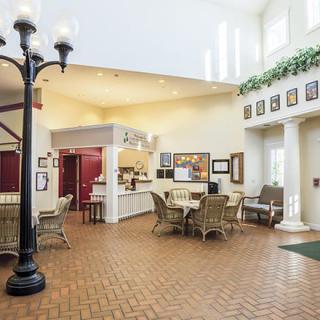
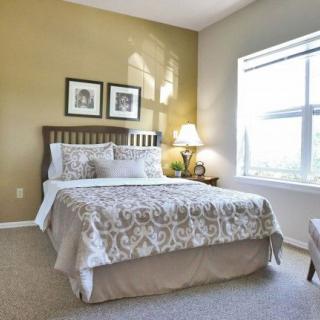
AHCG Bend is an assisted living community located in the beautiful city of Bend, OR. Nestled in a serene and picturesque environment, our community offers a wide range of amenities and services to ensure the comfort and well-being of our residents.
Surrounded by nature, our residents can enjoy the tranquility and beauty of 10 nearby parks, perfect for leisurely walks or picnics. For those who prefer a more urban setting, there are also plenty of cafes, restaurants, and theaters in close proximity.
The health and wellness of our residents is of utmost importance to us. With 8 pharmacies nearby, medication management is convenient and easily accessible. Additionally, we prioritize the healthcare needs of our residents by providing easy access to 30 physicians who offer specialized geriatric care.
At AHCG Bend, we understand the importance of spiritual well-being. Our community is situated close to places of worship, allowing residents to nurture their faith and engage in religious activities.
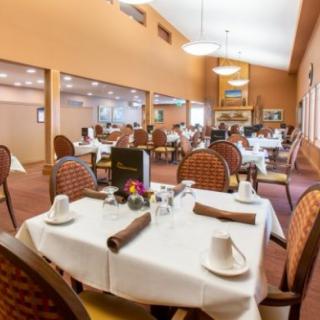
Our commitment to providing a comfortable lifestyle extends beyond just amenities. Our dedicated staff members are always available to assist with daily tasks such as personal care, housekeeping, and meal preparation. We strive to create a warm and inclusive atmosphere where residents feel at home and can make meaningful connections with both staff members and fellow residents.
Whether you choose AHCG Bend for yourself or your loved one, you can rest assured that our assisted living community offers a safe and supportive environment that promotes independence, dignity, and an active lifestyle.
This part of Bend, Oregon offers a convenient and diverse range of amenities that would make it a comfortable and enjoyable location for senior living. There are several pharmacies within close proximity for easy access to medication and healthcare needs. Additionally, there are numerous restaurants and cafes nearby offering different dining options. The area also boasts several parks where residents can enjoy outdoor activities and socialize with others in the community. For those who enjoy cultural activities, there is a theater nearby as well as places of worship for spiritual fulfillment. Overall, this neighborhood provides a well-rounded environment that caters to various interests and needs for seniors looking to settle down in Bend.
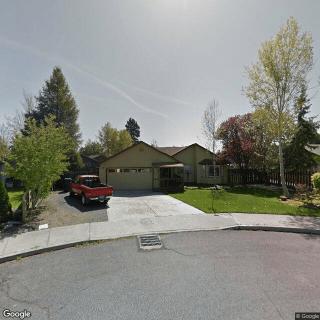
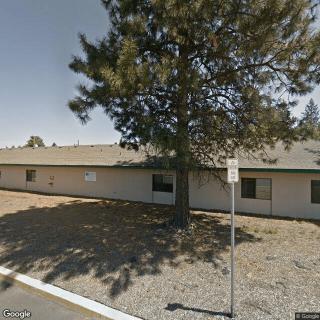
AHCG Bend is located at 1631 NE 2nd St. Suite, Bend, OR 97701 in Deschutes County, Oregon
Comprehensive Look at Senior Blood Pressure Charts: Normal and Elevated Levels by Age

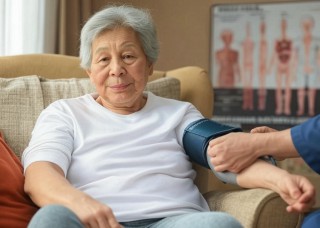
The overview of blood pressure management for seniors emphasizes the importance of monitoring and interpreting blood pressure readings, noting that normal ranges can vary due to age-related factors and individual health conditions. It highlights tailored guidelines for systolic and diastolic levels, the necessity of early detection and consistent management to prevent serious health complications, and advocates for personalized care strategies that incorporate lifestyle changes and medication adherence.
Top Canine Companions for Older Adults
Dogs can greatly improve the lives of older adults by offering emotional support and encouraging physical activity, with factors such as size, temperament, and grooming needs being crucial in selecting a suitable breed. Senior dogs often make ideal companions for this demographic, promoting social connections and requiring care routines that align with seniors' capabilities.
The guide on blood pressure charts for older adults stresses the importance of understanding normal and high blood pressure readings influenced by age, genetics, and lifestyle, while emphasizing regular monitoring and lifestyle modifications to prevent serious health issues. It provides insights into blood pressure categories, dietary recommendations, medication considerations, and the role of caregivers in supporting healthy habits.