
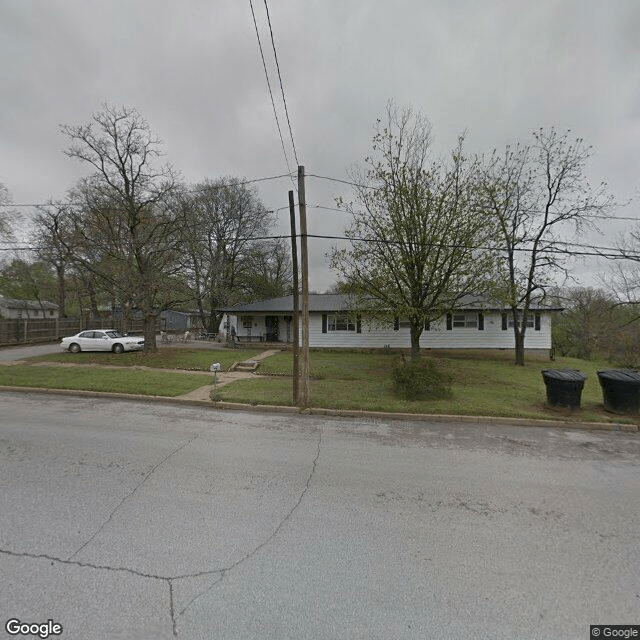
618 East Canadian, Vinita, OK 74301
To contact a resident: (918) 256-3424
For more information about senior living options: (866) 208-4318
Overall Review of Santa Fe Residential Care Home
Pros
 The staff are nice.
- Some meals are very tasty.
- The location is convenient for residents who can walk, being about a half mile to downtown and Walmart.
- The facility is better than most in Vinita.
Cons
 The owner is unpleasant.
- There is only one working shower.
- There is mold in the bathroom that has been painted over.
- Feces on the toilets and urine on the bathroom floor are common.
- There is not much to do or look forward to.
- The food is typically subpar, greasy, and high in calories.
- Living there feels like a cheap nursing home.
Review
This community is best suited for budget-conscious seniors who want the convenience of being near downtown Vinita and a familiar shopping hub, and who can tolerate a very basics-focused environment. It serves residents who are relatively independent, with limited need for intensive medical oversight or a full schedule of structured activities. For families prioritizing cost over amenities, and for those who can live with a sparse program, this option may be acceptable. It is not a fit for those requiring strong cleanliness standards, robust daily assistance, or a vibrant, engaging activity calendar.
Those who should consider alternatives include families seeking consistently clean, well-maintained facilities with proactive housekeeping, or residents needing dependable, around-the-clock supervision and a richer social program. More comprehensive assisted living communities, or in-home care arrangements, typically offer better sanitation, more responsive maintenance, and a wider array of organized outings and enrichment. In short, if hygiene, safety, and engaging daily routines matter, this site warrants a careful compare-and-contrast with stronger-performing nearby options.
The modest pros exist but struggle to offset the principal drawbacks. The staff are described as nice, which can temper daily friction and create a distant sense of reliability, yet this goodwill does not erase the impact of maintenance lapses and a difficult owner dynamic on the overall experience. Location is a tangible upside for those who prize easy access to town services, but proximity offers little relief when the daily routine is limited to occasional outings and a bare-bones activity slate. Meal quality shows some variability, some dishes hit, many do not, yet this inconsistency undermines overall value in a setting that otherwise promises basic shelter and supervision. Taken together, the favorable interpersonal tone cannot compensate for the pervasive cleanliness and program gaps.
The most troubling red flags are practical and hard to overlook: a bathroom with mold that has been painted over, and stacked sanitation concerns indicated by feces and urine in common areas. With only one working shower, residents face real daily inconveniences and potential safety hazards, especially for those with mobility or hygiene needs. These factors sharply constrain quality of life and raise ongoing questions about maintenance responsiveness and overall facility management. The limited outing schedule, primarily monthly Walmart trips and a few local classes, fails to deliver meaningful social or cognitive engagement for residents seeking stimulation or purposeful activity. In an environment billed as assisted living, these gaps translate into a risk/benefit calculus that unfavorable leans toward seeking alternatives.
For families evaluating options, practical steps are essential. Inspecting current cleanliness and maintenance practices firsthand is non-negotiable: observe bathroom conditions, confirm the functioning of the sole shower, and ask to review recent housekeeping schedules and any remediation work. Probe staff stability, turnover, and response times to requests, these indicators often predict how reliably daily needs will be met. Request the latest state or licensing inspections and any recent corrective action plans, and talk with residents or families about the owner-staff dynamic, responsiveness, and overall atmosphere. Finally, compare meals, activity offerings, and transportation options across several facilities to anchor expectations in concrete, actionable data.
Bottom line: this community may work for a resident who prioritizes low cost and walkable access to town, and who can tolerate significant cleanliness and activity shortcomings. For anyone with higher expectations around sanitation, consistent daily care, and engaging programming, alternatives should be prioritized. The decision hinges on balancing budget with the non-negotiables: clean, safe living spaces; reliable housekeeping; and a meaningful daily routine. If those standards matter, widen the search or arrange for focused, in-person evaluations that illuminate the true daily experience beyond initial impressions.
 Board and Care Home




 Home Health Care Demystified: A Comprehensive Guide for Families and Caregivers
 Seniors and Modern Transportation: Exploring Uber, Lyft, and Other Ride-Hailing Options
 Comprehensive Guide to Qualifying for Home Health Care Services