The Linden at Stonehaven Square offers a competitive pricing structure for its various room types when compared to both Tulsa County and the broader state of Oklahoma. For instance, the studio apartment is priced at $3,100, which is notably lower than the county average of $3,593 and the state average of $3,629. The one-bedroom option is set at $4,000, slightly higher than the county's average of $3,600 but still favorable compared to Oklahoma's overall rate of $3,565. The two-bedroom units are priced at $5,150 - considerably above both Tulsa County's average of $4,169 and Oklahoma's average of $3,747. Lastly, for semi-private accommodations, The Linden stands out with a monthly cost of $5,800 compared to Tulsa County's average of $3,624 and the state's figure of $4,053. Overall, while some options may exceed local averages, many remain attractively positioned for potential residents seeking quality living spaces in a desirable community.
Floor plans
The Linden at Stonehaven Square
Tulsa County
Oklahoma
Studio
$3,100
$3,593
$3,629
1 Bedroom
$4,000
$3,600
$3,565
2 Bedrooms
$5,150
$4,169
$3,747
Semi-Private
$5,800
$3,624
$4,053
Memory care communities with a similar price nearby
from +$395 / mo
Aberdeen Memory Care of Tulsa
4.4 from 63 reviews
$3,495 to $5,160 / month
4.0 miles away
from +$610 / mo
Brookdale Tulsa 71st and Sheridan
4.3 from 83 reviews
$3,710 to $5,640 / month
3.3 miles away
from +$395 / mo
Canoe Brook Assisted Living-Catoosa
4.3 from 56 reviews
$3,495 to $3,995 / month
9.7 miles away
About the same
Bellarose Senior Living
4.2 from 202 reviews
$3,100 to $4,600 / month
5.3 miles away
from +$100 / mo
The Courtyards at The Ambassador Memory Care Assisted Living
Residents and families consistently describe staff members as genuinely caring and responsive.
Across assisted living and memory care reviews, people repeatedly describe staff who are kind, respectful, and attentive to individual needs. Several reviewers highlight strong communication, including quick answers to questions and regular updates during stays. Multiple residents and family members also mention continuity, with low turnover and staff who feel like a familiar presence over time.
common14 reviews mention this
Activities keep residents engaged
The community’s scheduled activities are a frequent bright spot in resident experiences.
Reviews frequently mention activities that give residents something to do each day, with variety across assisted living and memory care. Families describe socialization and outings, and some note that activities help prevent isolation. A few reviewers also call out engaging programming that residents can still participate in even as needs increase.
caveat10 reviews mention this
Dining quality is mixed
Dining reviews are split between praise for meals and concerns about consistency.
Many reviews include positive comments about meals, including freshly prepared food and restaurant-style dining that offers choices. At the same time, at least one reviewer reports the food quality declined after new ownership, describing lower-quality ingredients and fewer favorites. Several families also mention dietary accommodation, including requests for gluten- and dairy-free options and alternate menus.
caveat2 reviews mention this
Pricing feels inconsistent
Some families say pricing wasn’t as consistent as they expected.
While the community offers published monthly pricing ranges, a couple of reviewers mention that prices seemed to vary and that they wished they had more consistent pricing. One reviewer also points to room size and layout decisions affecting fit, rather than a single clear price takeaway.
differentiator6 reviews mention this
Care services across stages
Care reviews describe support that follows residents as needs change.
Several reviews describe memory care support for dementia needs and note professional handling of medications and daily check-ins. Others mention the ability to move between assisted living and memory care as needs increased, with families appreciating the smoother transition within the same community. A few also reference end-of-life support coordinated as their loved one’s situation changed, including hospice involvement described in resident stories.
How we summarize
Counts show how many written reviews mention each theme; a review can touch several themes, and only frequently mentioned themes are displayed.
Features
Housing
142 resident community capacity
1-bedroom apartments
2-bedroom apartments
Studio apartments
Types of Care
Assisted Living
Memory Care
Amenities
Activities off-site
Activities on-site
Air-conditioning
Beautician on-site
Beauty salon
Cable or satellite TV
Computer center
Devotional services off-site
Devotional services on-site
Dining room
Fitness room
Fully furnished
Gaming room
Garden
Garden view
Ground floor units
Housekeeping services
Indoor common areas
Kitchenette
Move-in coordination
Outdoor common areas
Outdoor space
Party space
Private bathrooms
Respite or short term stays offered
Restaurant-style dining
Small library
Telephone
Wellness center
Wheelchair accessible showers
Wi-Fi/high-speed internet available
Transportation
Tulsa International (11 miles away)
Community operated transportation
Transportation & parking
Transportation arrangement
Transportation arrangement (non-medical)
Transportation to doctors appointments
Care Services
12-16 hour nursing
24-hour call system
24-hour supervision
Activities of daily living assistance
Ambulatory care
Assistance with bathing
Assistance with dressing
Assistance with transfers
Coordination with health care providers
Dementia waiver
Diabetes diet
Diabetic care
Hospice waiver
Incontinence care
Meal preparation and service
Medication management
Mental wellness program
Mild cognitive impairment
Physical therapy
Special dietary restrictions
Specialized memory care programming
Transportation arrangement (medical)
Transportation to doctors appointments
Dining
Diabetes diet
Gluten-free
Guest meals
Low / no sodium
Meals provided
No Sugar
Professional chef
Restaurant style dining
Room service
Special dietary restrictions
Special dining programs
Activities
Activities off-site
Art classes
Community-sponsored activities
Concierge services
Day trips and outings
Devotional activities offsite
Devotional activities on-site
Educational speakers / life long learning
Fitness programs
Happy hour
Live dance or theater performances
Live musical performances
Live well programs
Planned day trips
Religious services
Resident-run activities
Scheduled daily activities
Stretching classes
Wine tasting
Languages Spoken
English
Nearby Places of Interest
This part of Tulsa, Oklahoma offers a convenient and diverse range of amenities for seniors looking to settle down in the area. With a variety of restaurants nearby such as Sonic Drive-In, Chuy's, and Olive Garden, there are plenty of dining options to choose from. Additionally, there are medical facilities like EyeCare Associates of South Tulsa and hospitals like Southwestern Regional Medical Center within close proximity for easy access to healthcare services. The neighborhood also boasts leisure options such as Cinemark Tulsa for entertainment and parks like Leake Park for outdoor enjoyment. Places of worship like Aspen Park Baptist Church provide spiritual fulfillment, while pharmacies like Walgreens and CVS Pharmacy ensure medication accessibility. Overall, this area of Tulsa offers a well-rounded community with essential services for seniors seeking a comfortable and convenient living environment.
Restaurants
Sonic Drive-In (0.3 miles)
Chuy's (1 miles)
Chick-Fil-A (1.1 miles)
Golden Corral (1.4 miles)
The Cheesecake Factory (1.8 miles)
Lanna Thai Restaurant (2 miles)
Olive Garden (2.1 miles)
Physicians
EyeCare Associates of South Tulsa (0.6 miles)
Berkshire Medical Plaza (0.6 miles)
Morgan Melissa MD PC (0.6 miles)
Children & Adolescent Medical Services (0.8 miles)
The Linden at Stonehaven Square offers a competitive pricing structure for its various room types when compared to both Tulsa County and the broader state of Oklahoma. For instance, the studio apartment is priced at $3,100, which is notably lower than the county average of $3,593 and the state average of $3,629. The one-bedroom option is set at $4,000, slightly higher than the county's average of $3,600 but still favorable compared to Oklahoma's overall rate of $3,565. The two-bedroom units are priced at $5,150 - considerably above both Tulsa County's average of $4,169 and Oklahoma's average of $3,747. Lastly, for semi-private accommodations, The Linden stands out with a monthly cost of $5,800 compared to Tulsa County's average of $3,624 and the state's figure of $4,053. Overall, while some options may exceed local averages, many remain attractively positioned for potential residents seeking quality living spaces in a desirable community.
The features offered at The Linden at Stonehaven Square are designed to provide comprehensive support tailored to the unique needs of residents with dementia or Alzheimer's disease. Constant 24-hour supervision ensures safety and immediate assistance during any challenging moments, while support with activities of daily living--such as bathing, dressing, and transfers--promotes dignity and independence. Coordination with healthcare providers facilitates integrated care that addresses both medical and emotional well-being. The dementia waiver supports individuals in various stages of cognitive decline, ensuring they receive appropriate care without unnecessary restrictions. Incontinence care and meal preparation simplify daily routines, while medication management helps prevent complications associated with missed doses. Engaging residents in a mental wellness program enhances cognitive function and social interaction, complemented by individualized physical therapy that fosters mobility. Specialized memory care programming focuses on enhancing cognitive skills and preserving memories, while reliable transportation arrangements for medical appointments ensure residents can access essential healthcare services seamlessly.
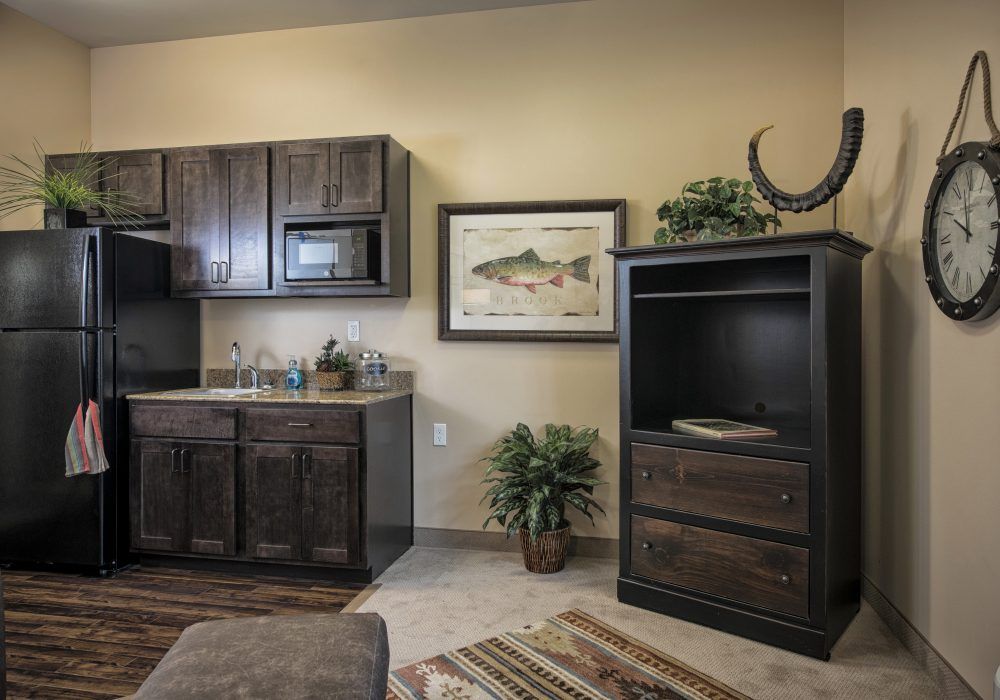
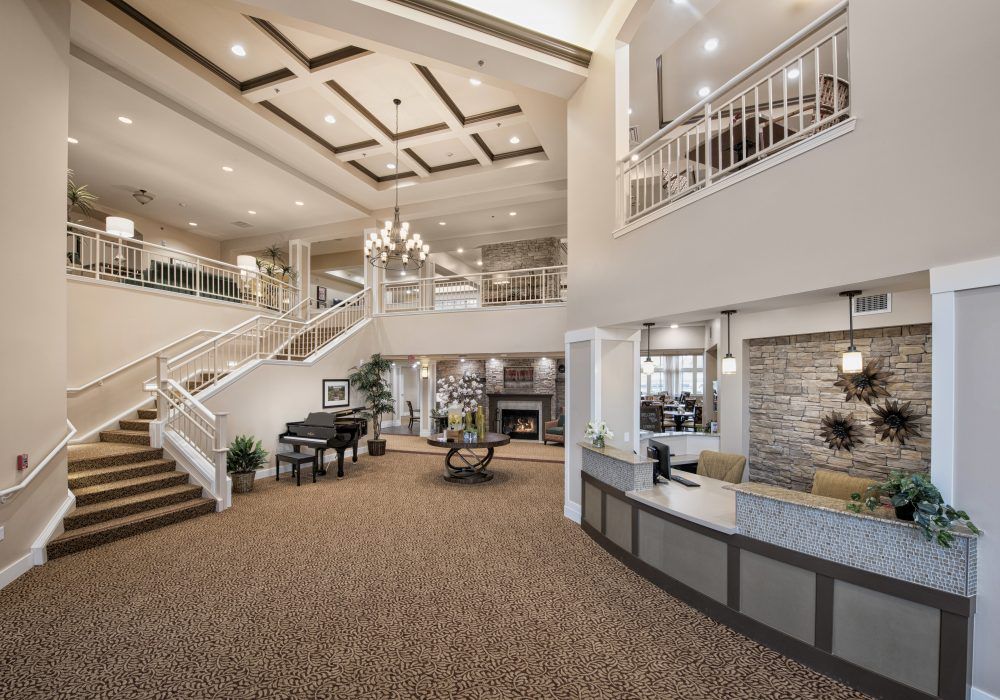
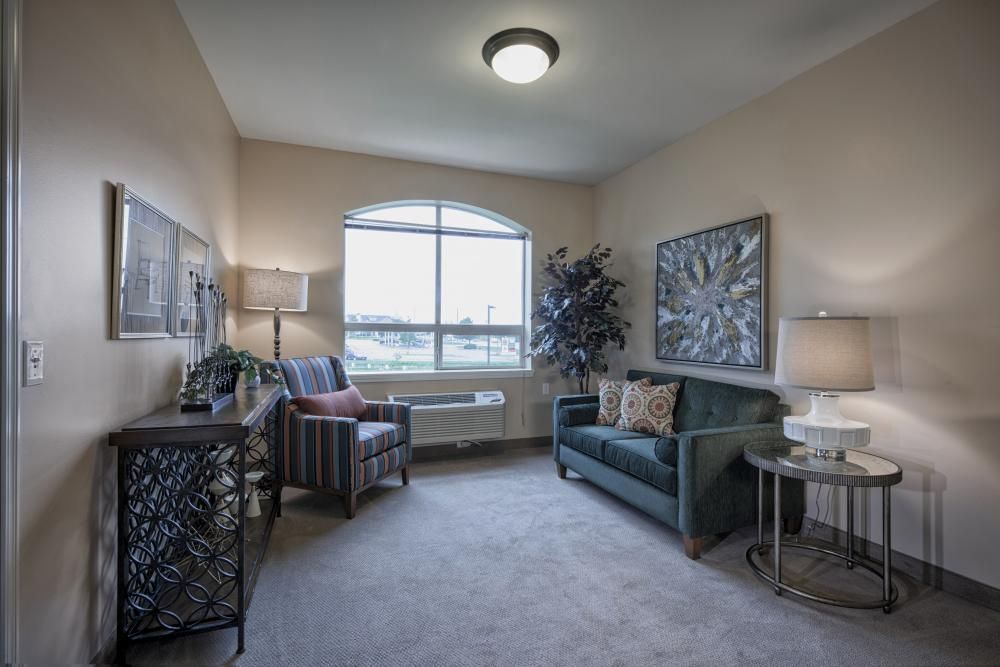
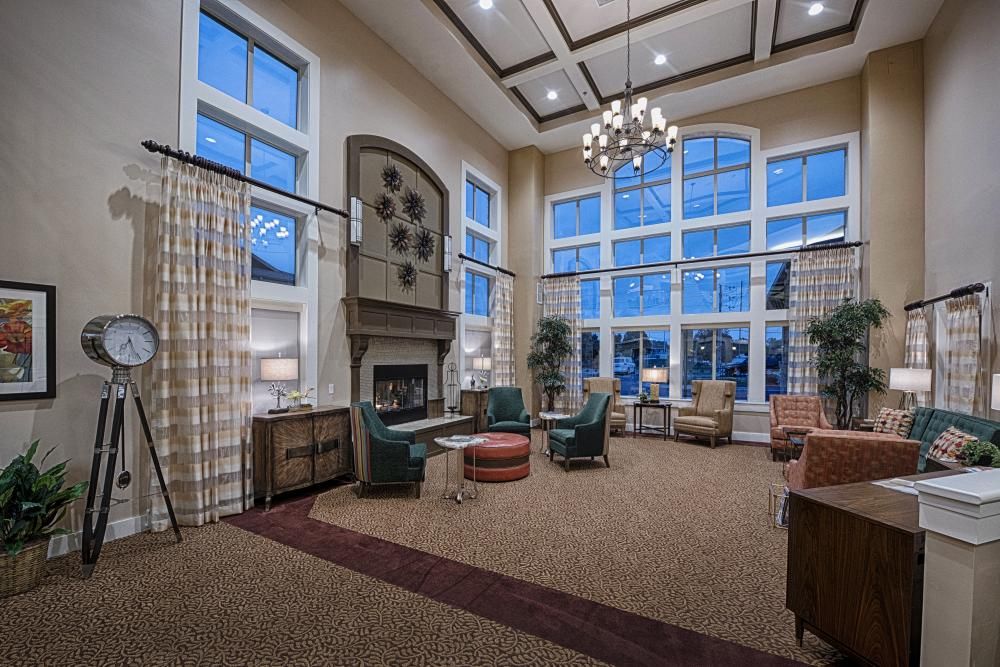
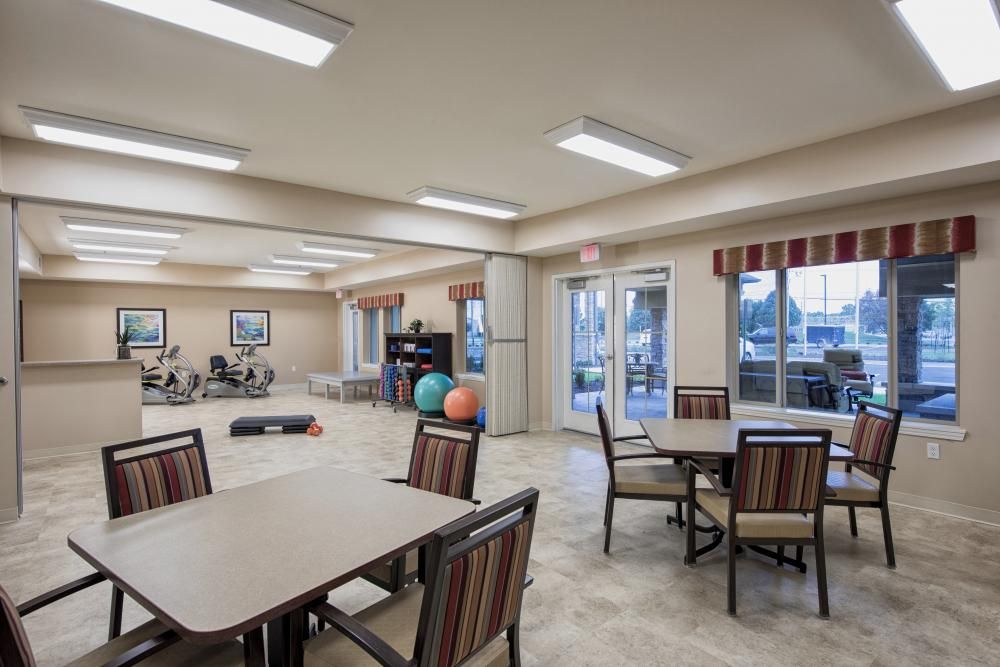
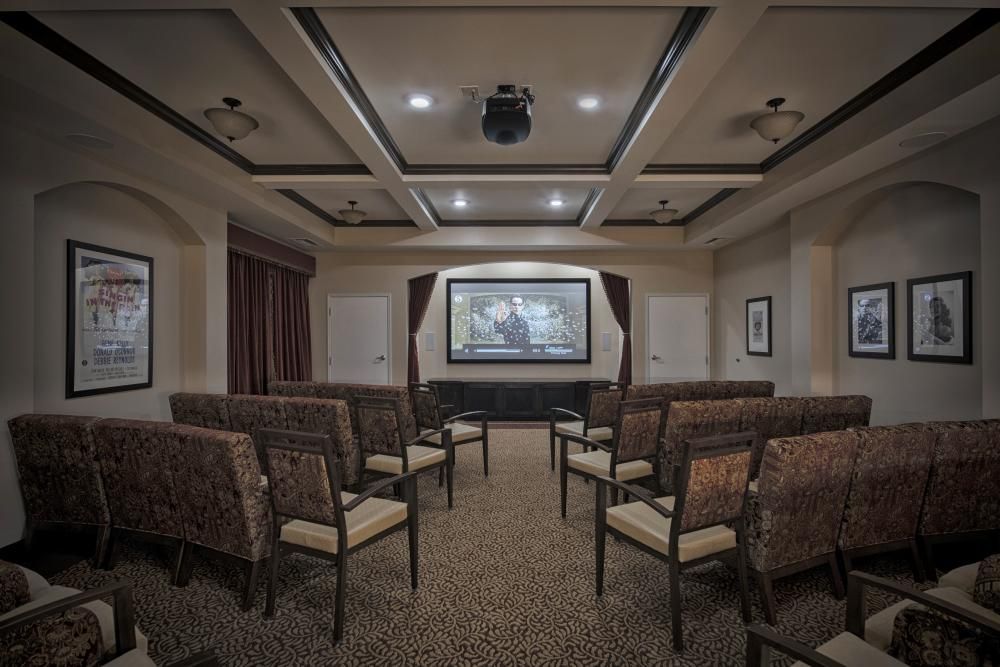
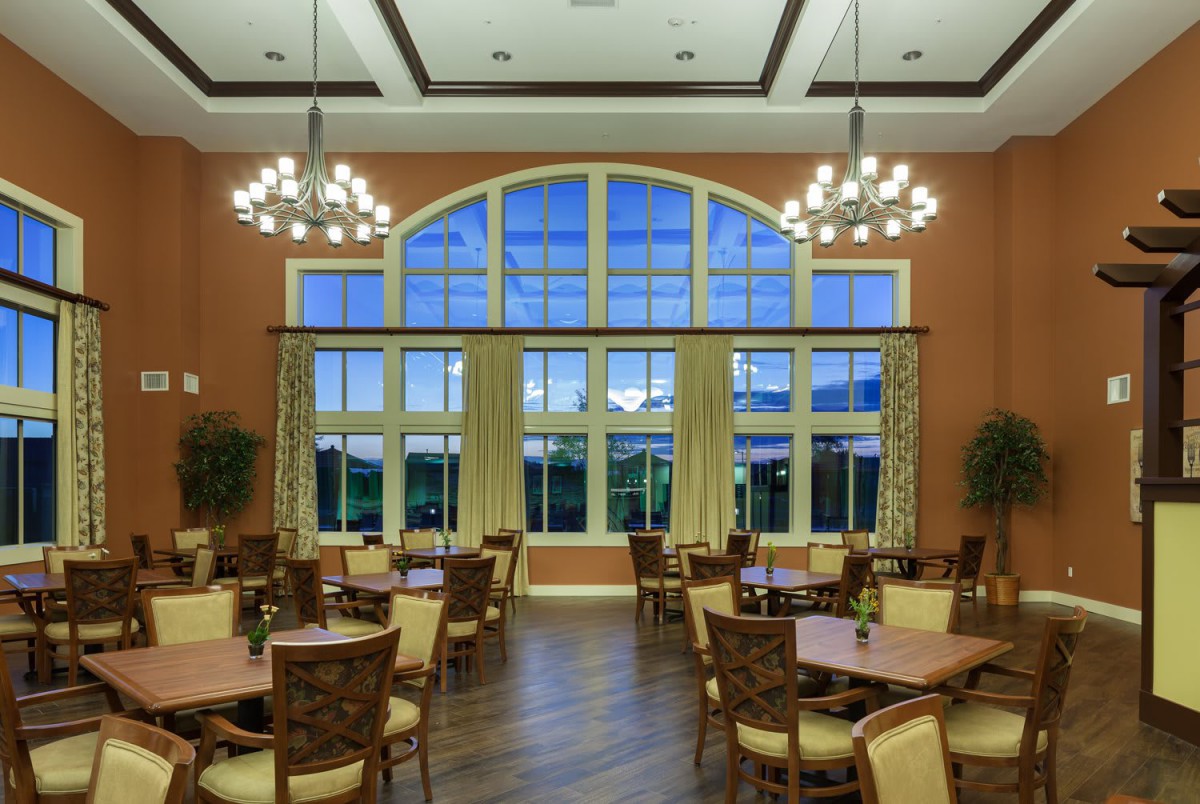
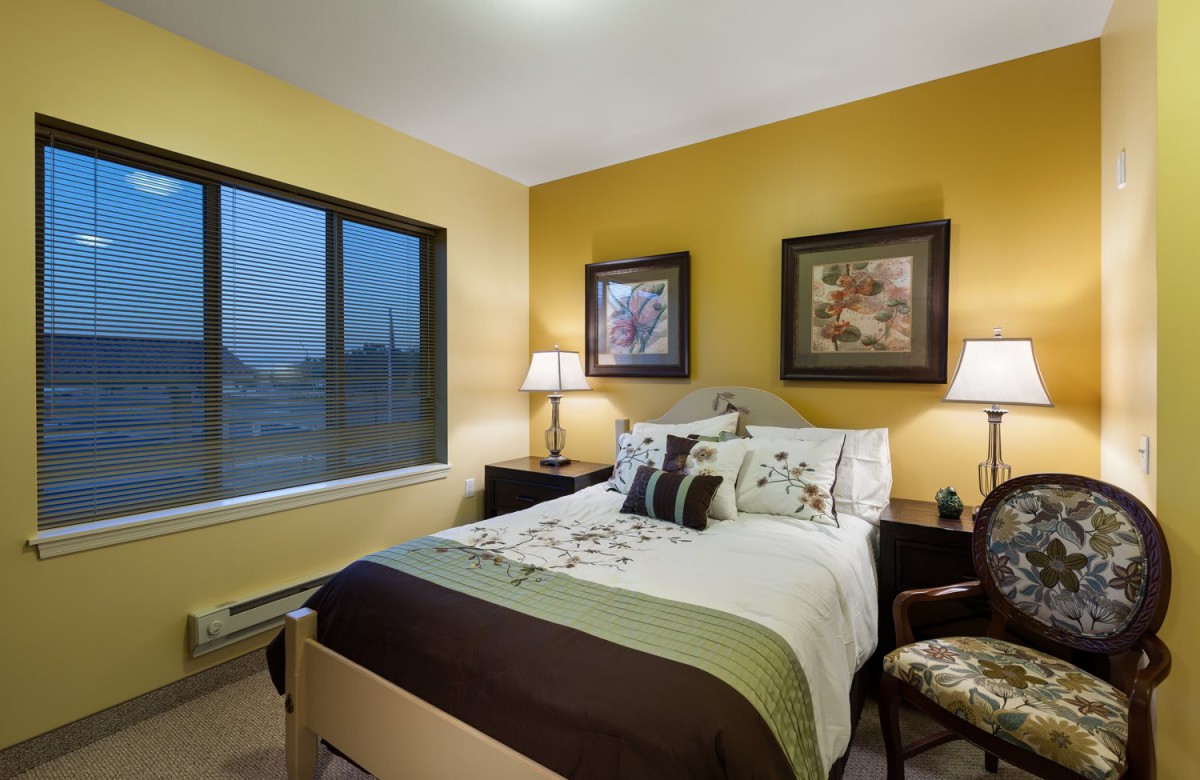
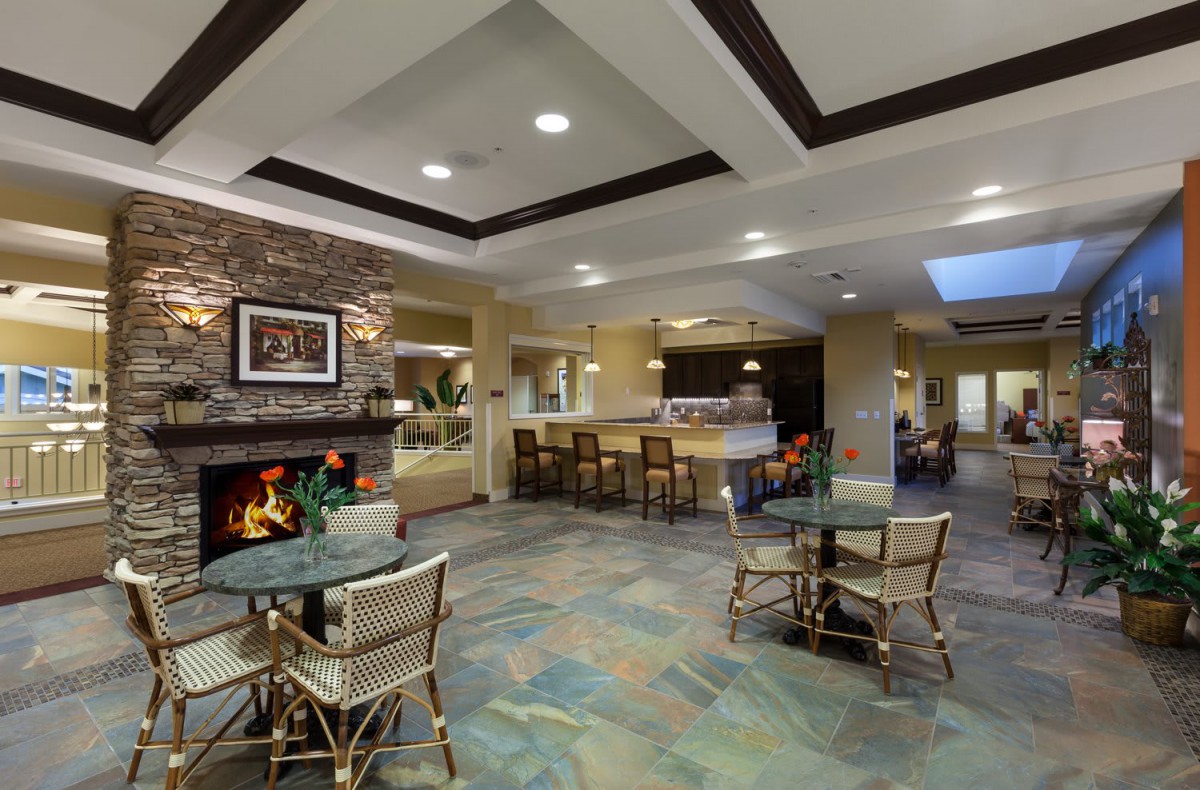
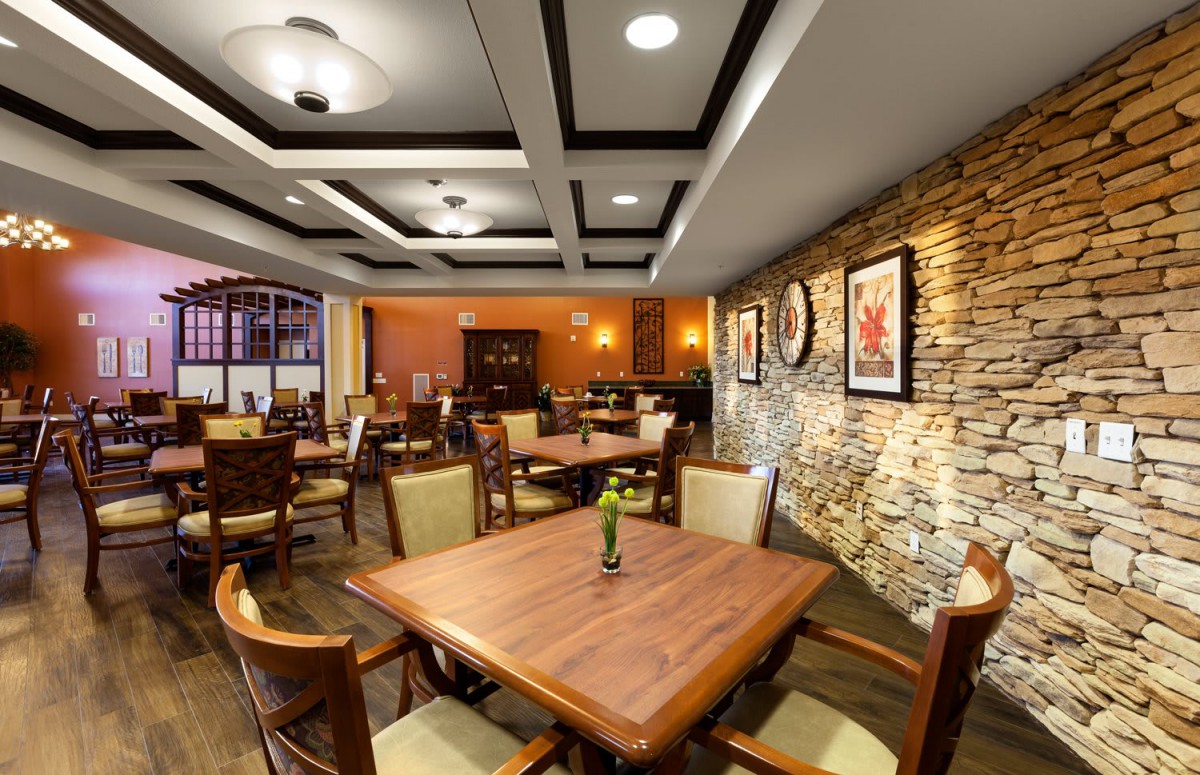
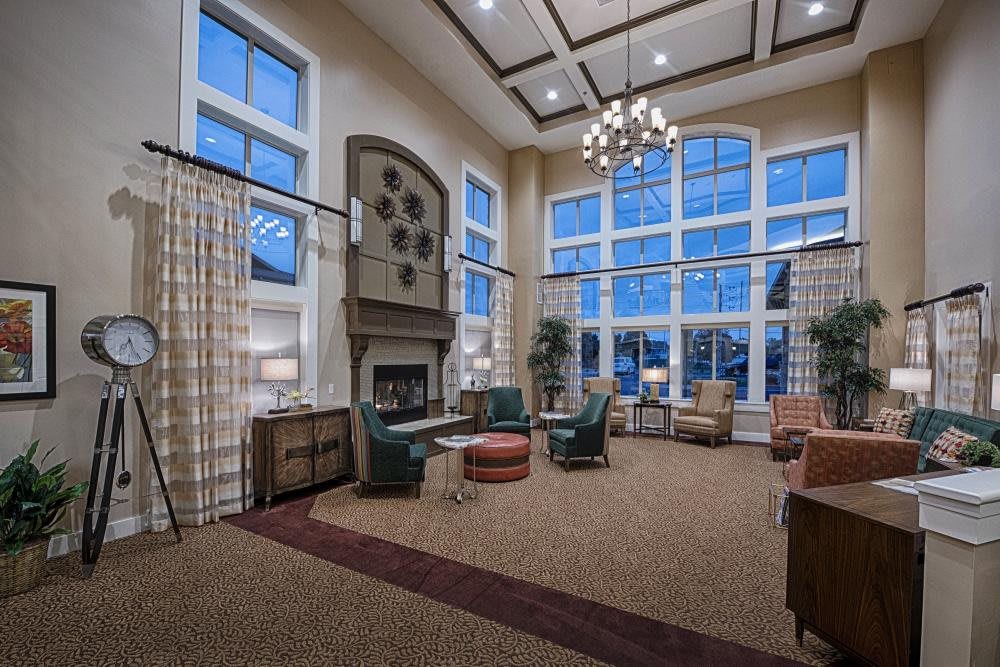
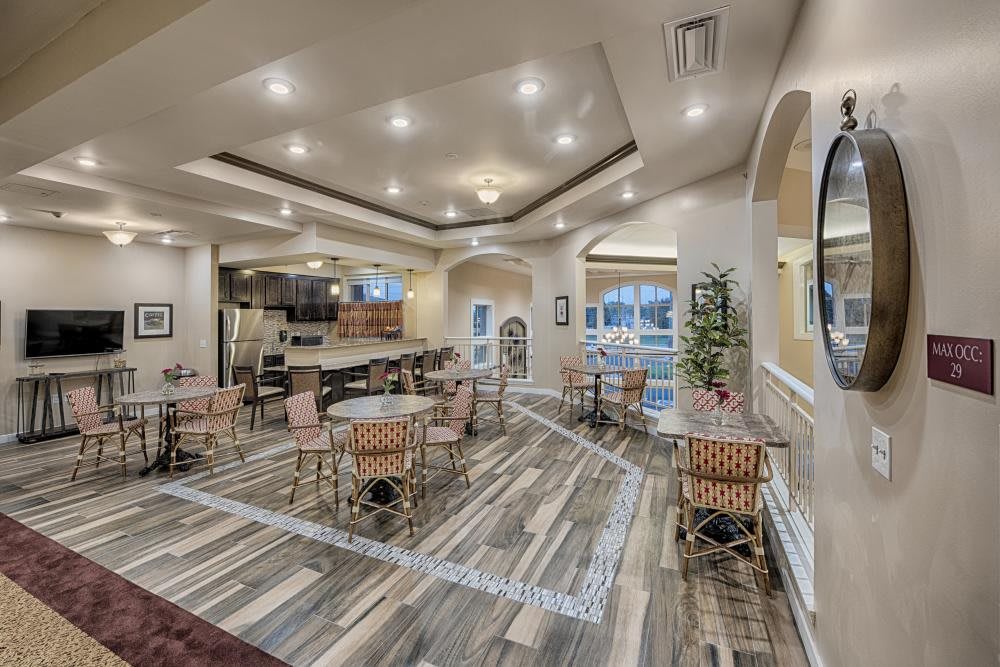
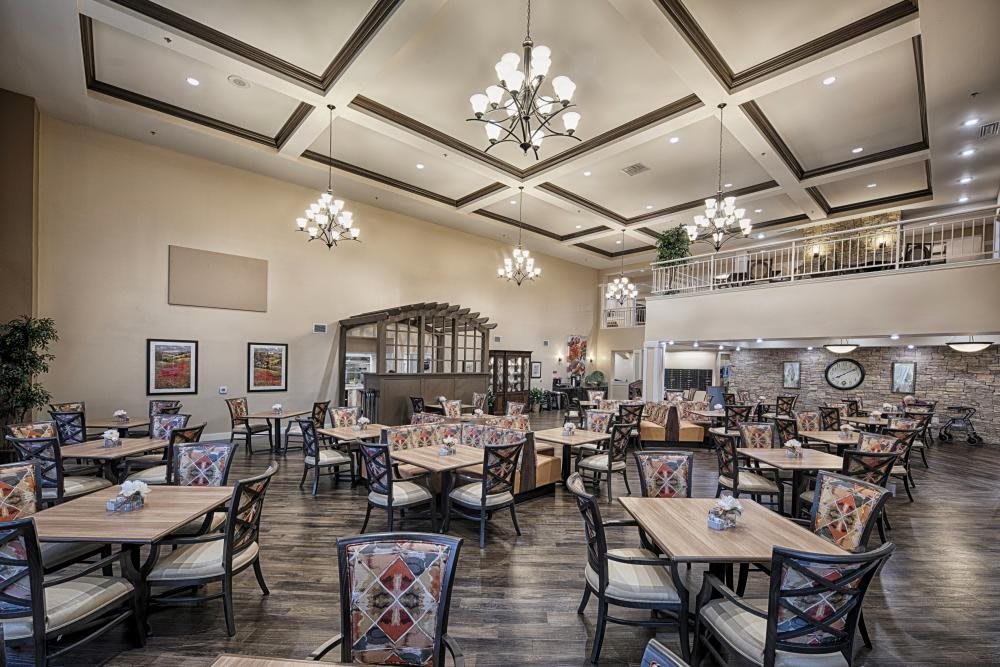
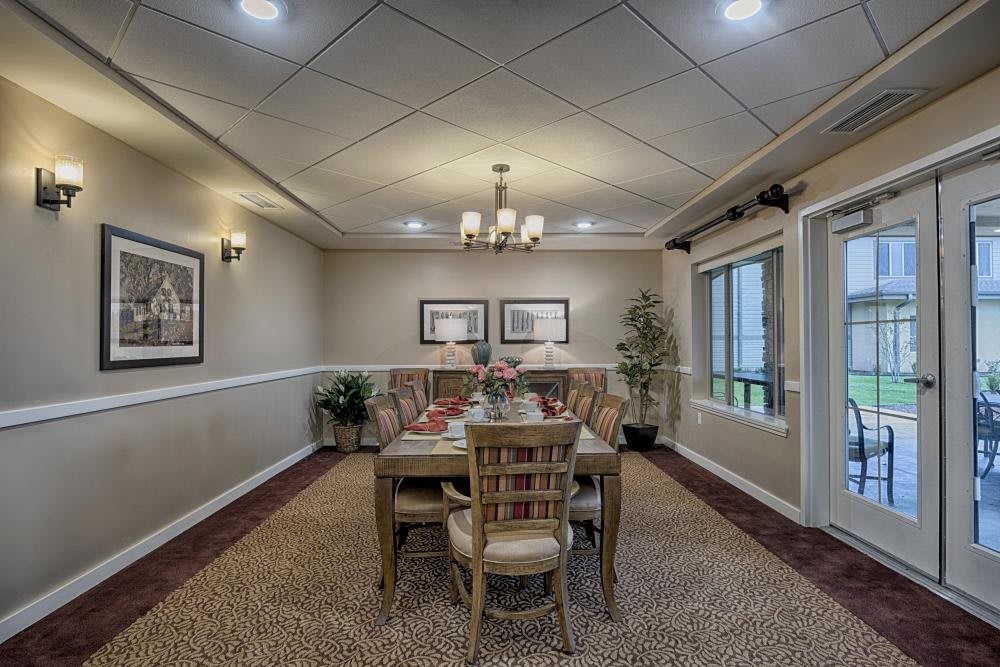
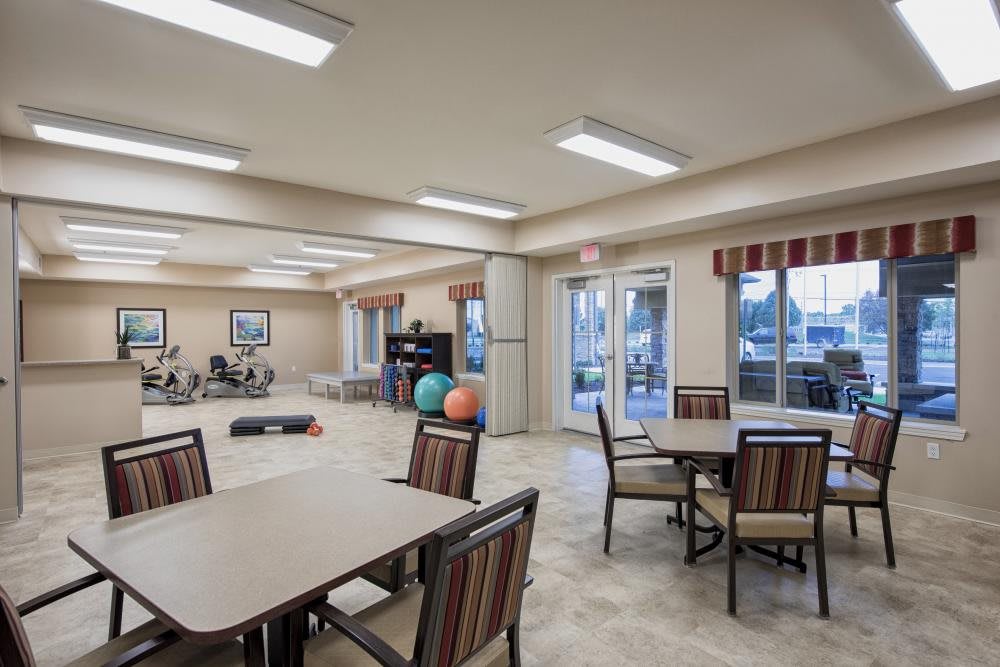
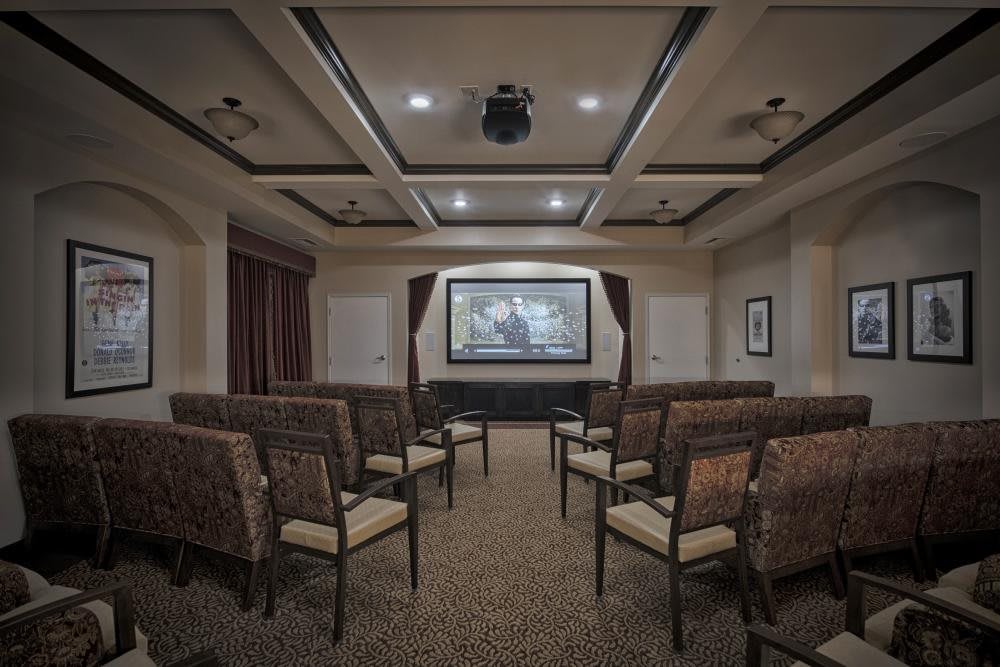
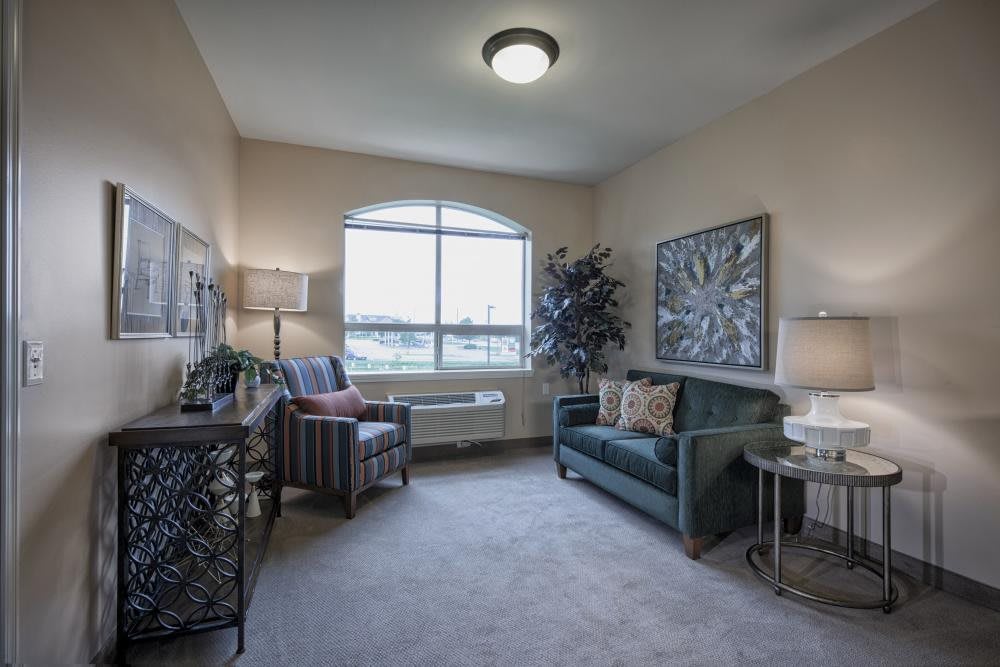
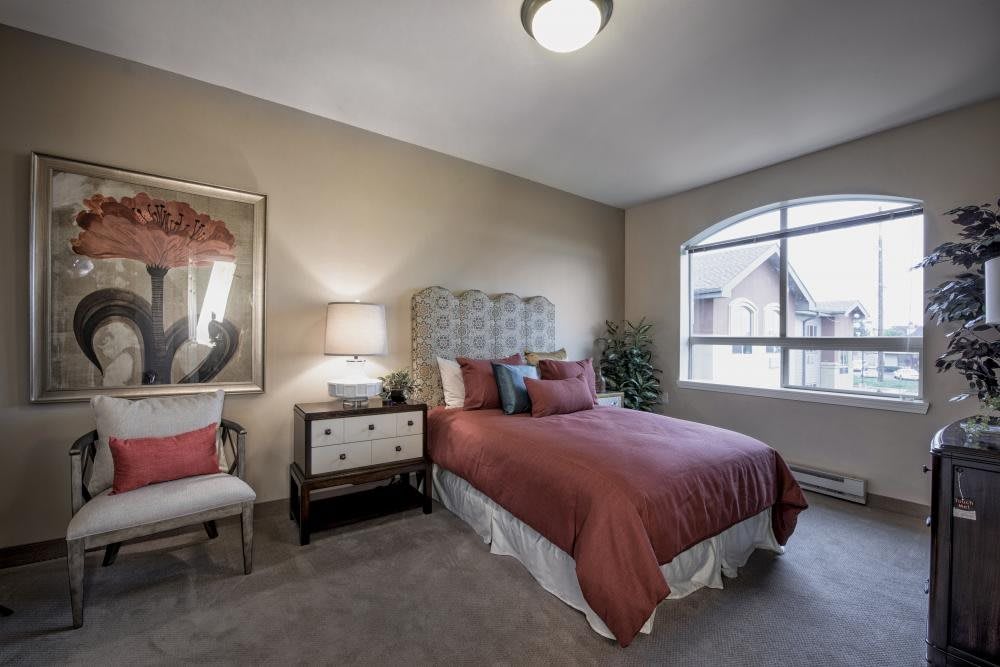
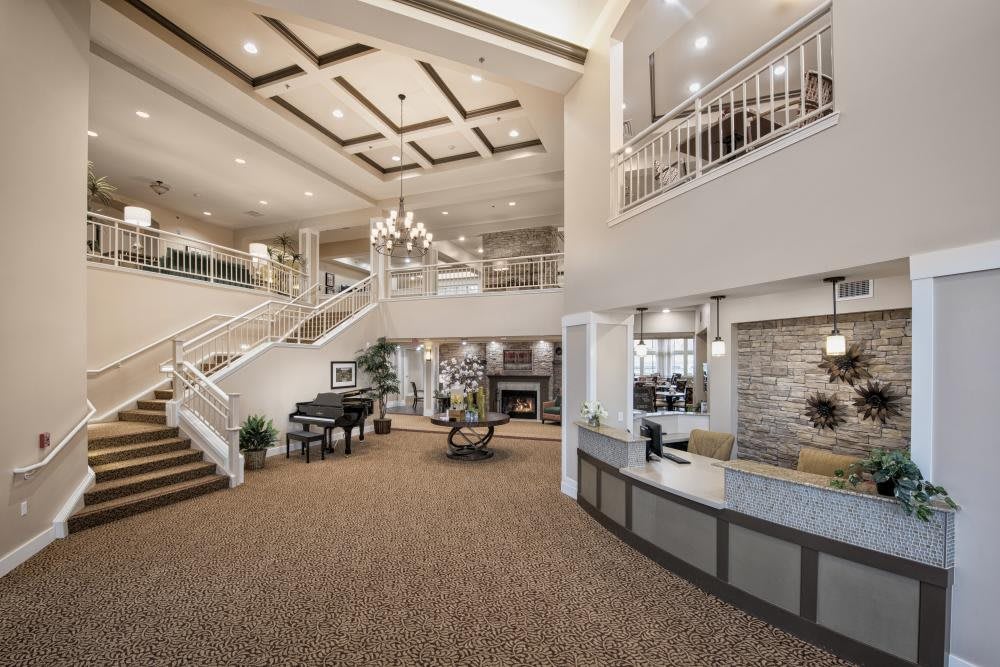
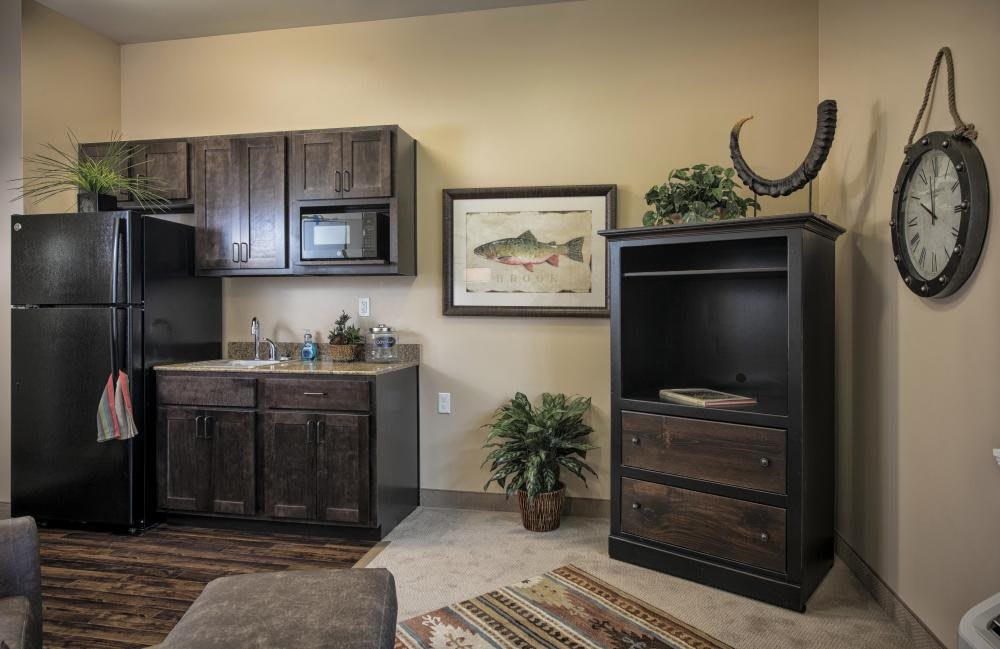
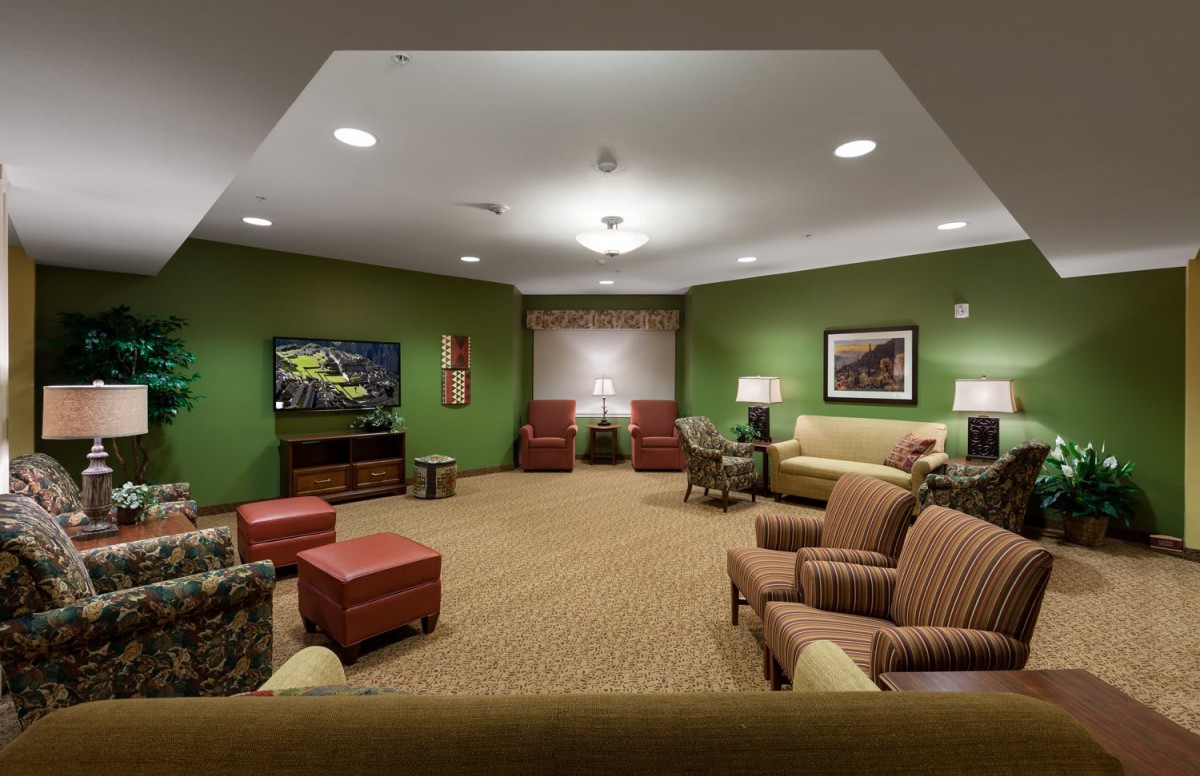
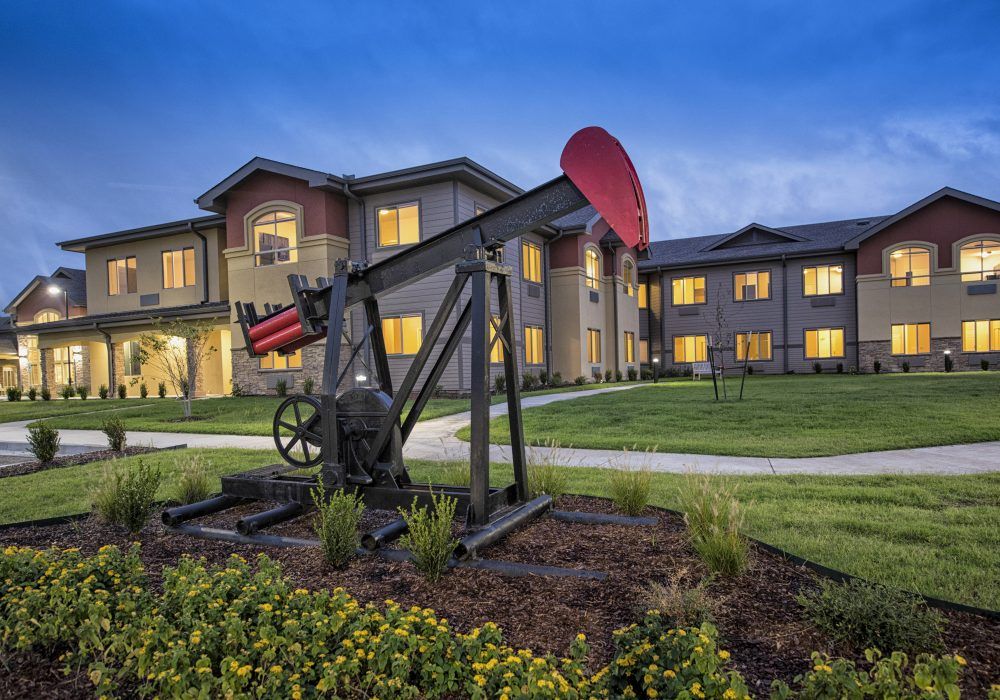
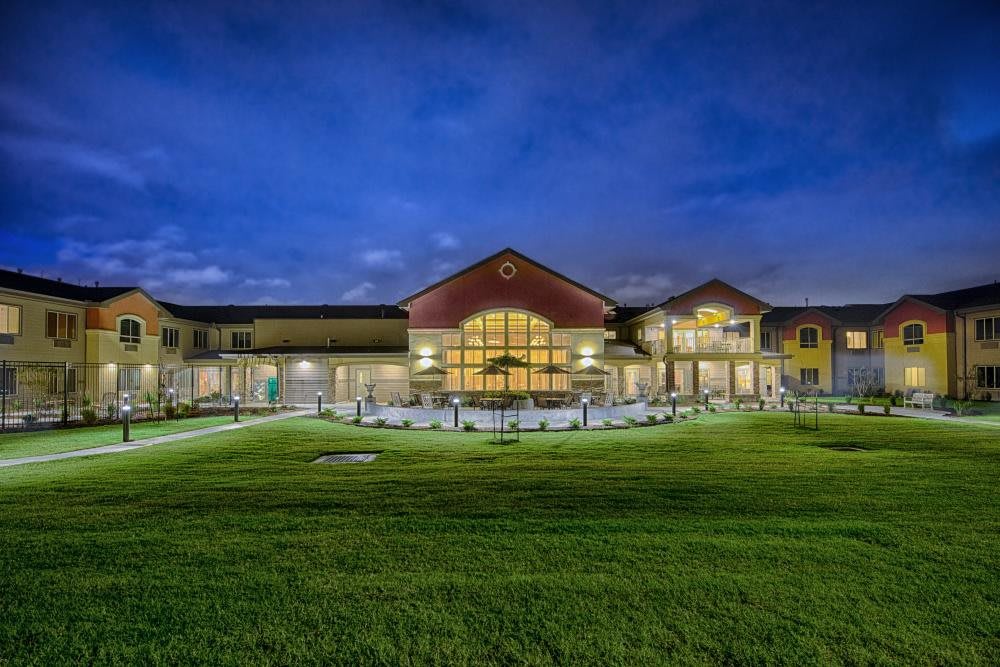
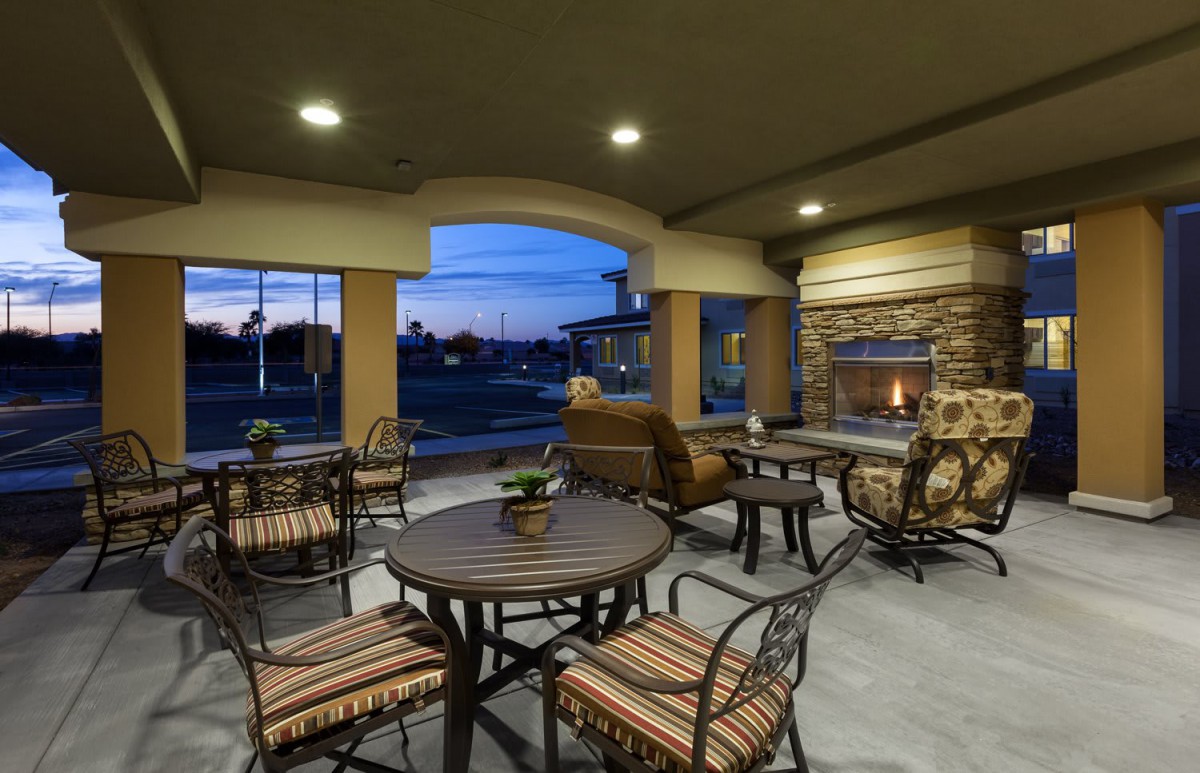
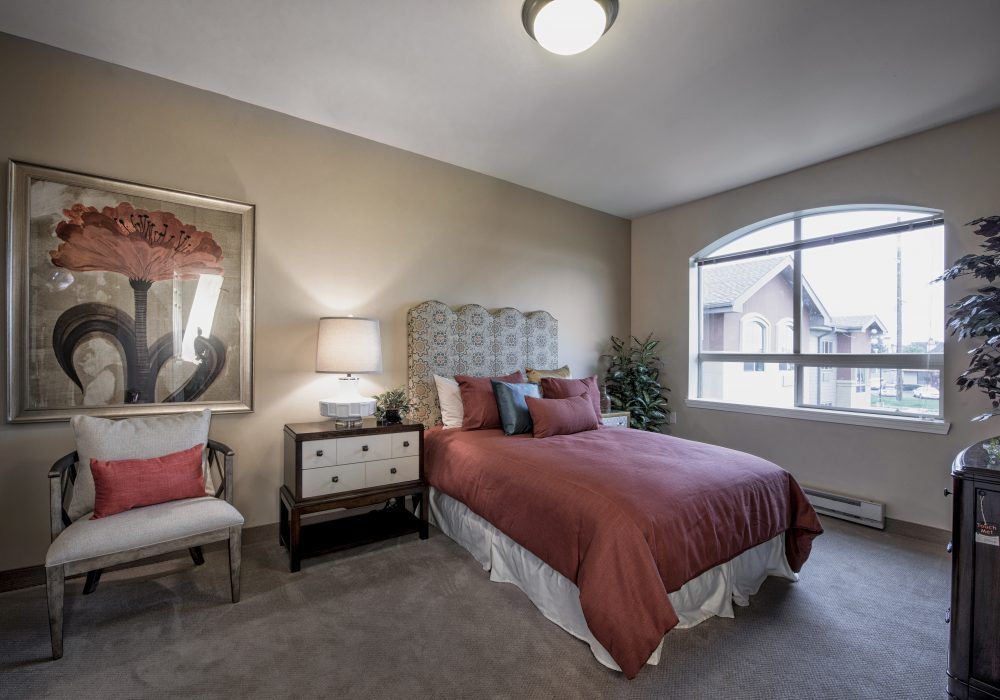
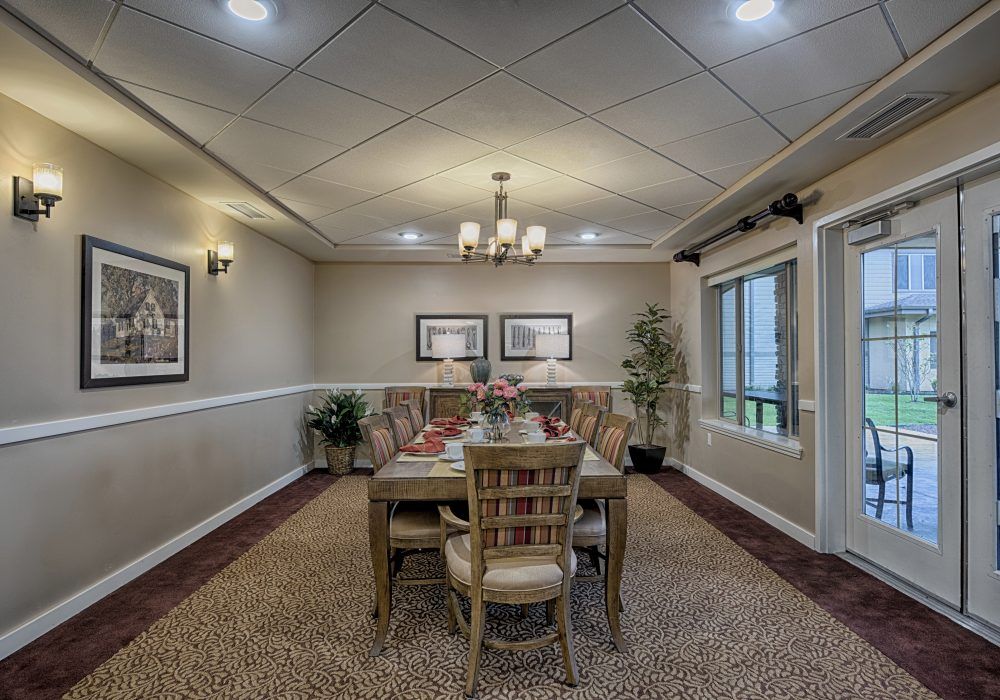
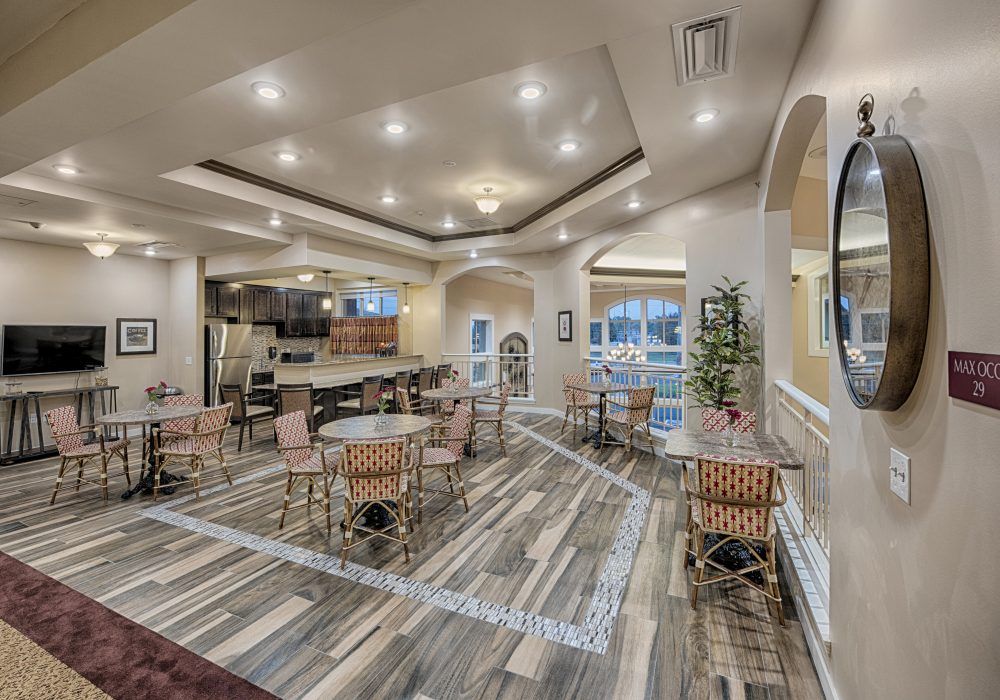
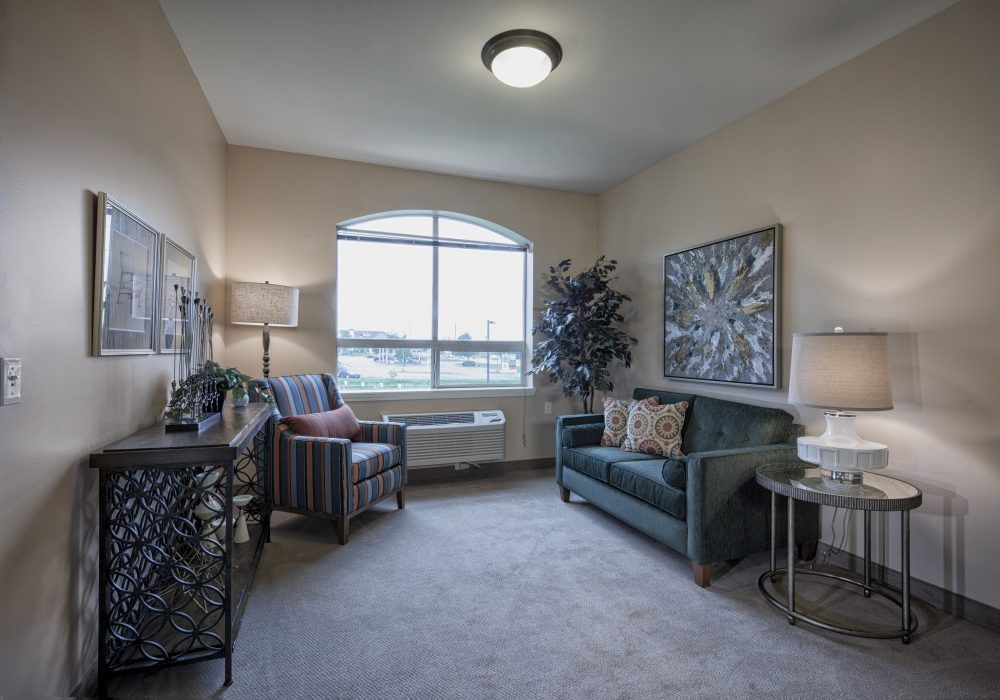
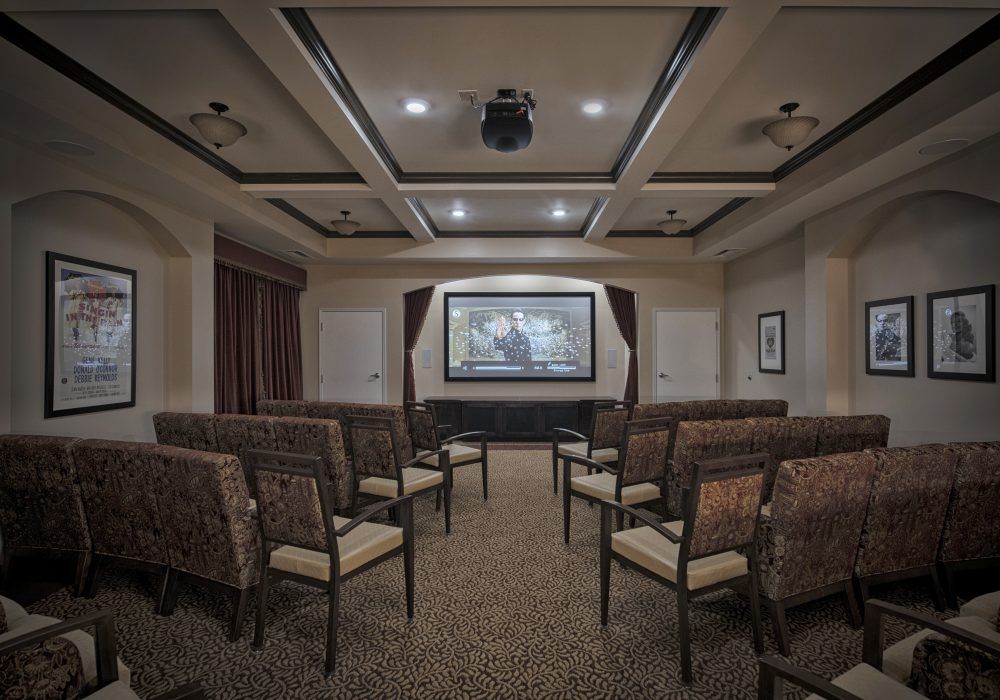
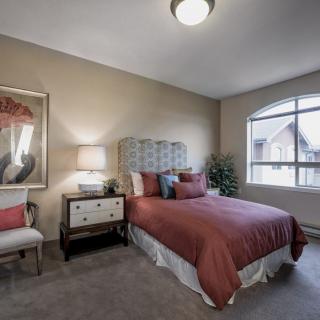
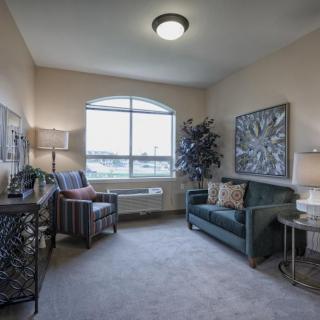
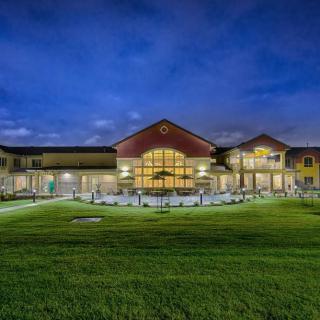
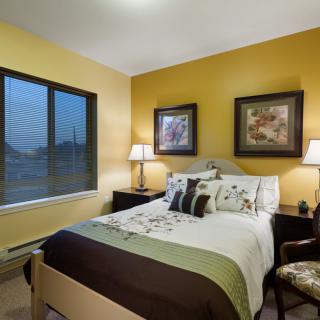
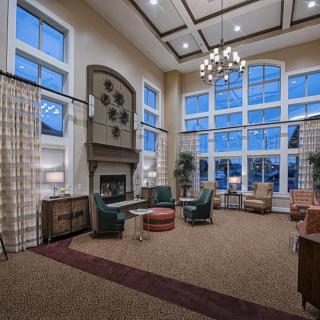
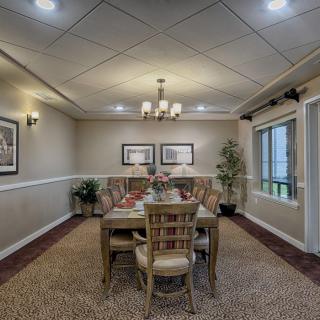
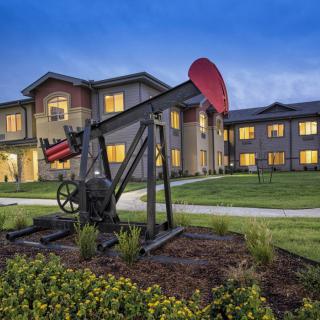
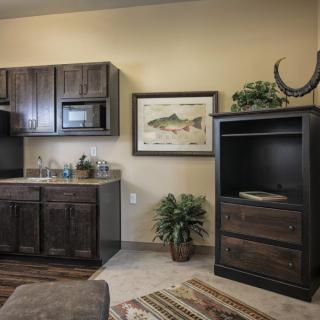
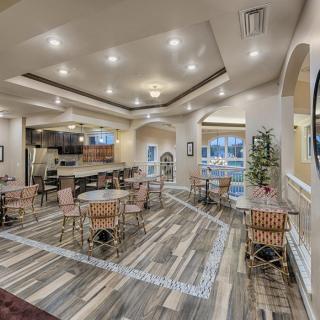
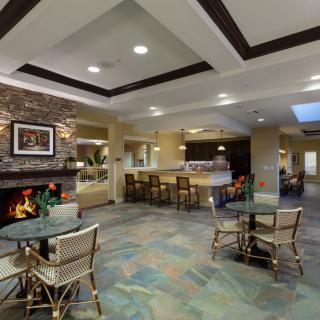
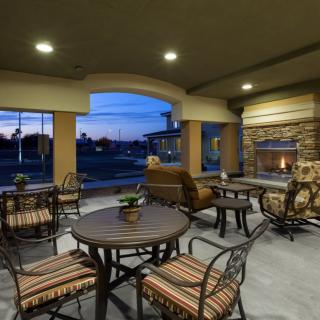
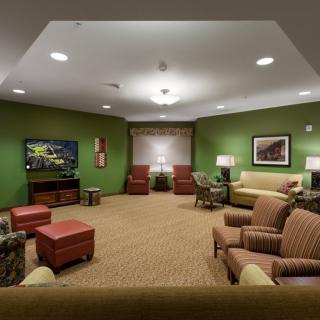
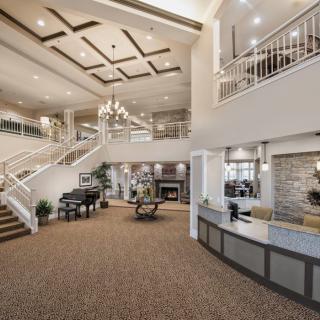
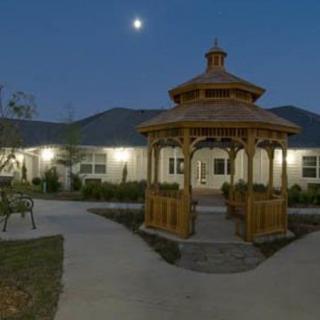
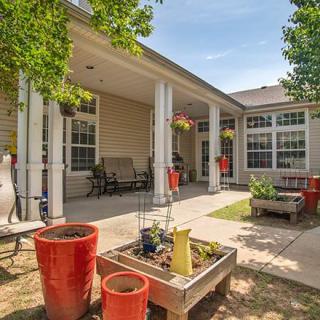
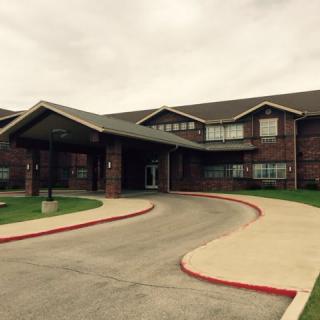
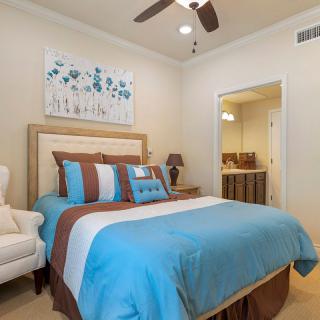
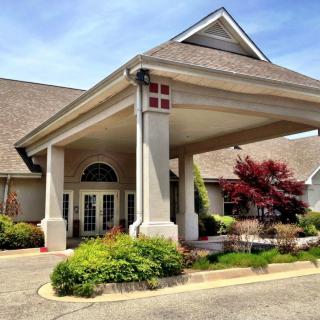
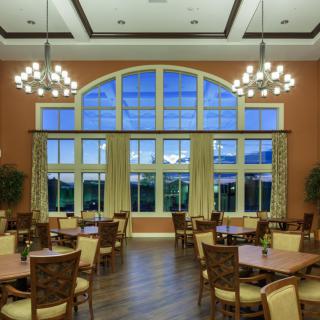
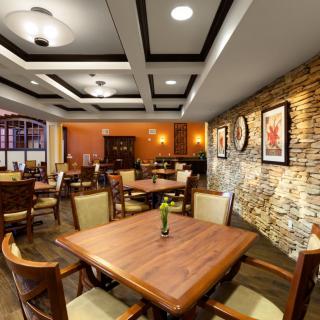
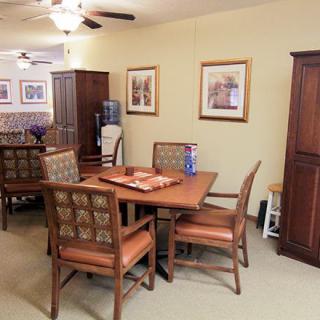
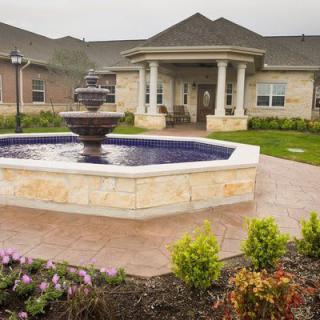
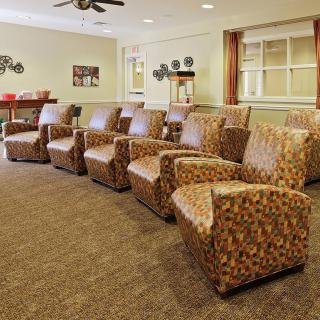
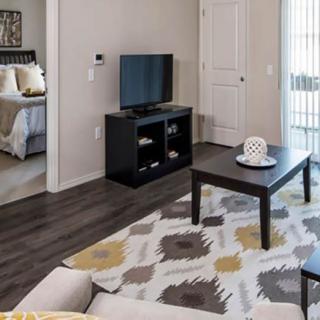
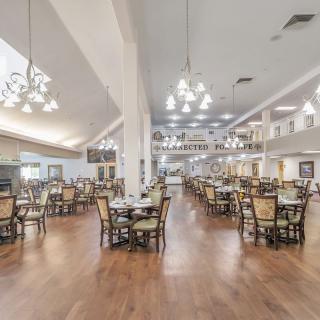
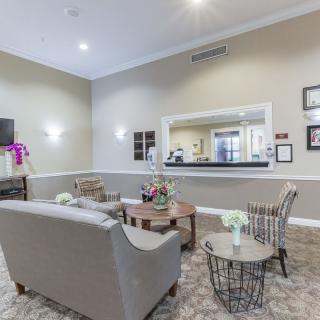
The Linden at Stonehaven Square on seniors.fyi includes 30 photos including images showing interior, windows, dining, chandelier, decor, bedroom, living room, lighting, and more.
Nearby Communities
Forest Hills Assisted Living Retirement and Care Center
Broken Arrow, OK
4.6 from 46 reviews
$1,929 to $3,970 / month
Friendly, compassionate staff with a warm, homey atmosphere and engaging activities.
Forest Hills Care And Rehabilitation Center
Broken Arrow, OK
2.2 from 33 reviews
Caring, friendly staff with effective rehabilitation services.
Brookdale Tulsa South
Tulsa, OK
4.4 from 69 reviews
$4,195 to $4,385 / month
Friendly, attentive staff with a wide range of activities in a clean, secure environment.
Known Memory Care at Tulsa
Tulsa, OK
4.5 from 73 reviews
$4,750 to $5,250 / month
Very clean, inviting environment with compassionate staff and engaging activities.
Legend at Mingo Road
Tulsa, OK
4.3 from 114 reviews
$4,765 to $6,585 / month
Friendly, attentive staff in a clean, welcoming community with engaging activities.
Cedarhurst of Woodland Hills
Tulsa, OK
4.8 from 159 reviews
$3,100 to $3,600 / month
Friendly, attentive staff in a warm, active community with strong dining and activities.
Morada Broken Arrow
Broken Arrow, OK
4.4 from 153 reviews
$2,250 to $3,560 / month
Friendly staff with engaging activities and well-maintained grounds.
Town Village Tulsa
Tulsa, OK
4.4 from 84 reviews
$2,940 to $3,810 / month
Welcoming staff and a vibrant, activity-filled community in clean, spacious apartments.
Bellarose Senior Living
Tulsa, OK
4.2 from 202 reviews
$3,100 to $4,600 / month
Friendly, caring staff in a clean, upscale community with appealing amenities.
Dementia often results in disrupted sleep patterns, leading to excessive daytime sleeping due to factors like brain damage affecting circadian rhythms, medication side effects, and lack of structure in daily activities. Caregivers must monitor these changes closely, as oversleeping can increase risks such as malnutrition or dehydration, and provide necessary support and routines to enhance patient engagement and well-being.
The transition from assisted living to skilled nursing care is often prompted by complex medical needs that assisted living cannot meet, with key indicators including frequent health declines, increased falls, severe memory issues, and caregiver burnout. Families should recognize these signs early to discuss options with healthcare providers and prepare for the emotional and logistical aspects of moving to a facility that offers comprehensive medical support.
Dementia is characterized by cognitive decline, with nutrition playing a vital role in brain health; while no specific diet can prevent or reverse it, a nutrient-dense diet rich in antioxidants and healthy fats may support cognitive function. The MIND diet, which emphasizes beneficial foods and limits processed items, along with proper hydration and individualized meal strategies, can enhance the well-being of dementia patients.
Get PricingAsk A QuestionSchedule A TourContact Senior Advisor
By clicking submit, you agree to our Partner's Terms of Use. You
also consent to receive calls and texts, which may be autodialed, from our Partner. Your consent is not a condition to
using our Partner's service. Please visit our Partner's Privacy Policy for information about their privacy practices.

 142 resident community capacity
 1-bedroom apartments
 Assisted Living
 Memory Care
 Activities off-site
 Air-conditioning
 Beautician on-site
 Cable or satellite TV
 Computer center
 Devotional services off-site
 Dining room
 Fitness room
 Fully furnished
 Gaming room
 Garden
 Ground floor units
 Housekeeping services
 Indoor common areas
 Kitchenette
 Move-in coordination
 Outdoor common areas
 Party space
 Private bathrooms
 Respite or short term stays offered
 Restaurant-style dining
 Small library
 Telephone
 Wellness center
 Wheelchair accessible showers
 Wi-Fi/high-speed internet available
 Tulsa International (11 miles away)
 Community operated transportation
 12-16 hour nursing
 24-hour call system
 Ambulatory care
 Assistance with bathing
 Assistance with dressing
 Assistance with transfers
 Diabetes diet
 Diabetic care
 Hospice waiver
 Incontinence care
 Medication management
 Mental wellness program
 Physical therapy
 Special dietary restrictions
 Transportation arrangement (medical)
 Art classes
 Concierge services
 Day trips and outings
 Educational speakers / life long learning
 Happy hour
 Live dance or theater performances
 Live musical performances
 Wine tasting
 English
 Friendly, compassionate staff with a warm, homey atmosphere and engaging activities.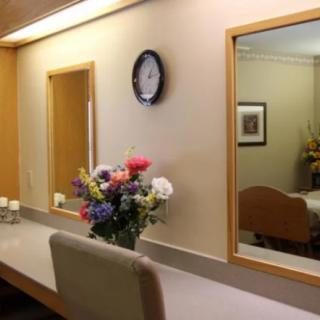
 Why Do Dementia Patients Sleep So Much? Understanding Oversleeping, Stages, and Care Approaches
 8 Key Indicators That Suggest It May Be Time to Transition from Assisted Living to Skilled Nursing Care
 Nourishing the Mind: Essential Dietary Approaches for Dementia