
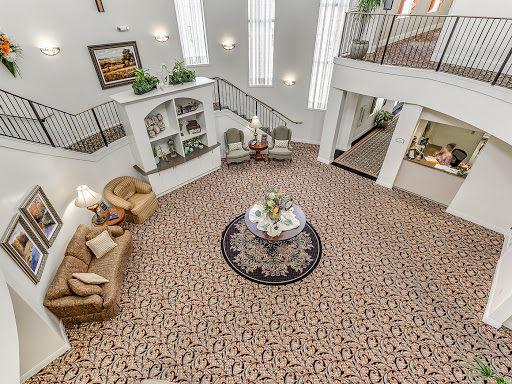
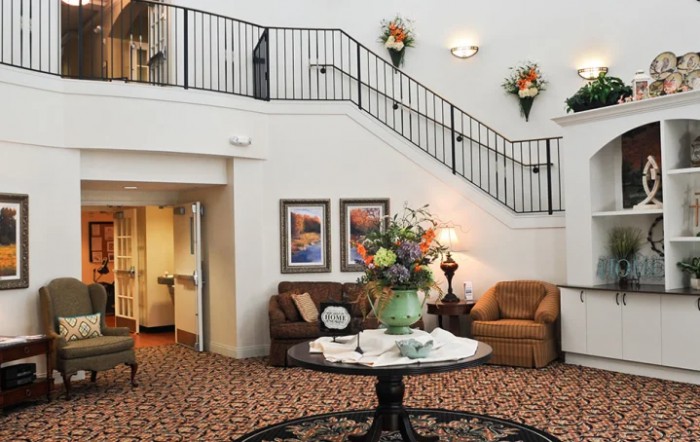


7707 West Britton Road, Oklahoma City, OK 73132
For more information about senior living options: (866) 208-4318
Overall Review of Concordia Life Care Community
Pros
 Concordia's team is incredibly compassionate, knowledgeable, and approachable.
- Concordia feels like a caring community.
- The Concordia staff are amazing, kind, helpful, and very caring.
- Concordia is wonderful and a top choice for helping loved ones.
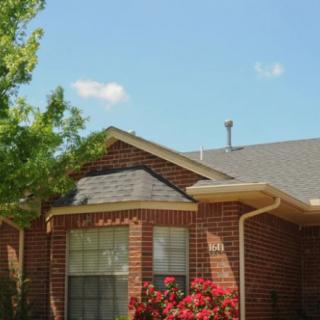
- The independent living area is wonderful, with nice, clean apartments and friendly staff.
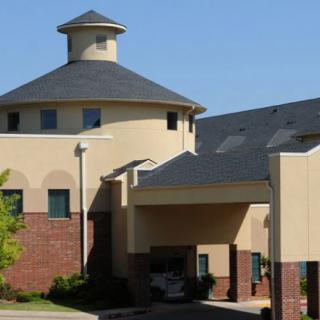
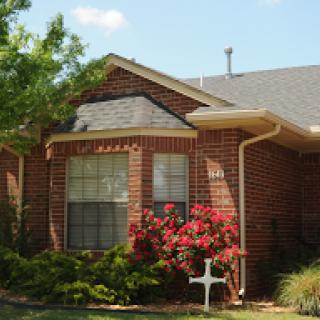
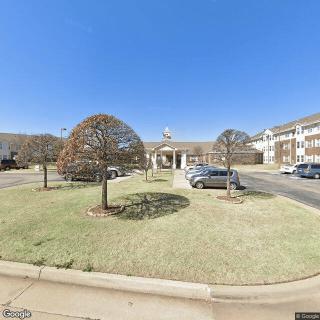
- The facility is well maintained.
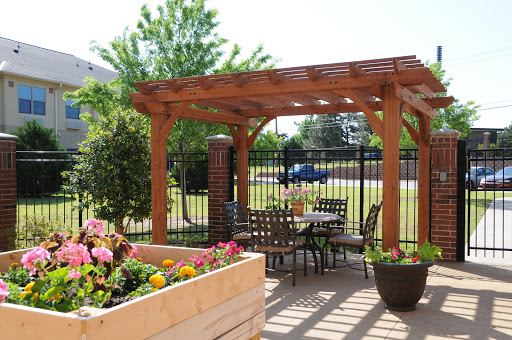
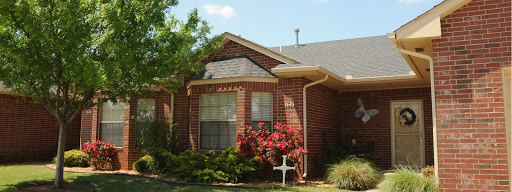
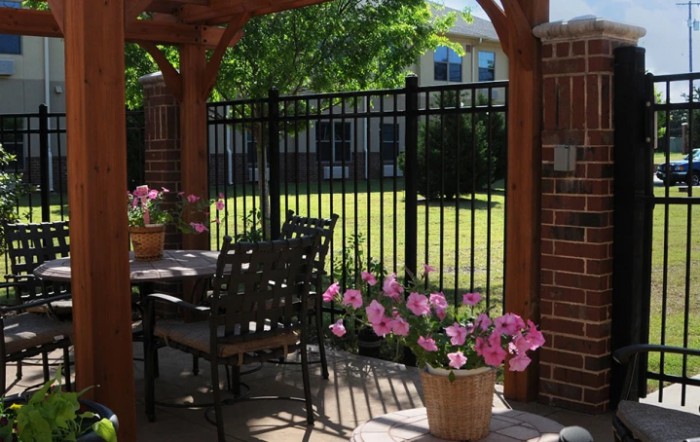
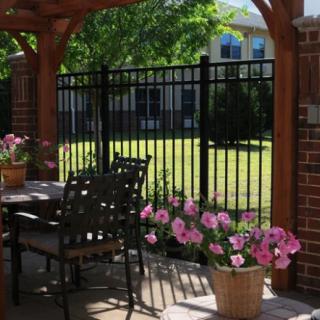
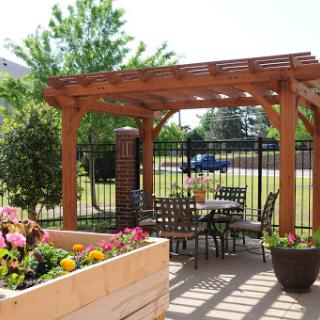
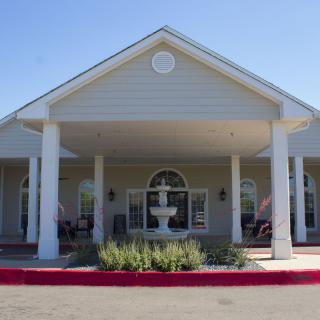
- The facility is beautiful.
- Concordia is one of the best facilities in OKC.
Cons
 They questioned how anyone could afford these prices.
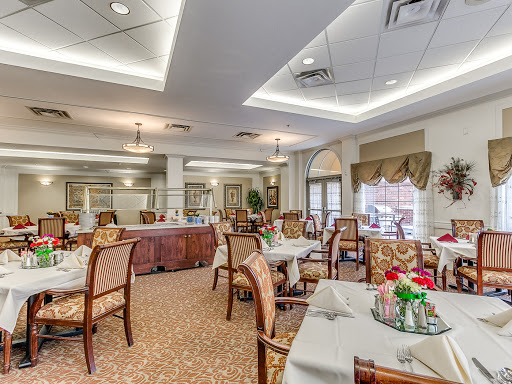
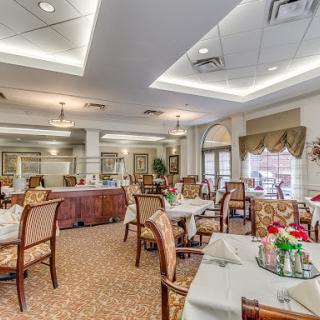
- The decor was dark and depressing, with not enough sunshine or cheerful colors.
- The nursing skills were poor.
- The staff were horrible and treated loved ones with disrespect.
- The facility was understaffed and management was inexperienced and lacked compassion.
- They found it way too expensive for the lack of care provided.
- The constant monthly turnover ruined the facility.
- They forced a relative to sit in a chair until she lost the ability to walk so she wouldn't wander.
Review
Concordia Life Care Community in Oklahoma City is best suited for families seeking a faith-based, all-in-one senior living solution where a loved one can stay on the same campus across independent living through skilled nursing. It works well for residents who value a warm, community-centered atmosphere, meaningful social engagement, and a built-in continuum of care that minimizes transfers as needs evolve. The campus environment, with its approachable staff and social programming, lends itself to those who want daily interaction, structured activities, and ready access to assistance in a familiar setting.
Those weighing alternatives should beware two signals: affordability and nursing-care consistency. Several reviewers question the ongoing price point, suggesting that the value hinges on not just comfort and companionship but the reliability of skilled care over time. Others flag concerns about staffing levels and leadership stability, especially within the nursing/rehabilitation component. For families prioritizing transparent pricing, predictable nurse staffing, or a more upbeat decor and dining experience, it makes sense to compare with other Oklahoma City options that emphasize lower costs, steadier staffing, or brighter aesthetics.
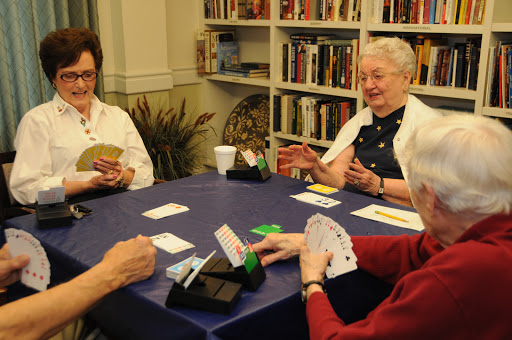
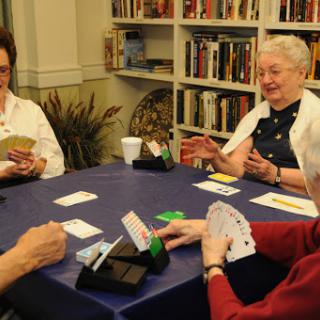
On balance, the pros are substantial and tightly aligned with what many families want: a genuinely caring team, multiple care levels under one roof, and a living arrangement that supports independence while offering easy access to help. The staff are repeatedly described as compassionate, knowledgeable, and approachable, and the facility gives residents their own apartment with personal furnishings, a safety net of nurses and aides, and the ability to summon help at the push of a button. The independent living spaces are praised as clean and comfortable, and the campus is repeatedly cited as a place where residents socialize, play games, and maintain a sense of purpose through community involvement and faith-based activity. The rehabilitation and skilled-nursing components are acknowledged as valuable for those who need more intensive care without relocating.
Yet the main drawbacks present a meaningful test for families evaluating Concordia as a long-term home. Nursing skills come under scrutiny in some reviews, and concerns about understaffing and management inexperience recur, with anecdotes about turnover and inconsistent care rhythms. Several accounts describe a period of high turnover and skepticism about leadership’s ability to maintain steady, compassionate care, which can translate into variability in day-to-day experiences. Environmental notes, particularly decor that some find dark or unwelcoming, and occasional gaps in dining quality or comfort also temper the overall impression. A troubling past incident involving reduced safety and care in the nursing setting is cited by some, though respondents differ on whether administration has since improved.
Do the positives offset the negatives? For families able to tolerate some variability in staffing and willing to invest in a community that prioritizes social connection and continuity of care, the answer leans toward yes. Concordia’s strongest advantages, the integrated care continuum, the lived-in sense of community, the ability to stay in one place as needs evolve, and the reassurance of accessible nursing support, provide real value. The faith-based, socially active environment helps residents stay engaged and mitigates isolation, while the option to live independently on-site with immediate assistance preserves autonomy. However, for those whose top priority is consistently flawless nursing care, tight control over costs, or a bright, modern aesthetic with uniformly strong dining, alternatives may deliver more predictable outcomes.
Practical next steps place the decision squarely in the hands of careful due diligence. Prospective families should tour with a focus on the nursing units: ask for current nurse-to-resident ratios, review recent incident reports, and request candid conversations with residents about day-to-day care. Demand a transparent discussion of ongoing leadership changes, staffing stability, and how care plans are developed and updated. Visit during both activity-filled times and quieter periods to gauge responsiveness and morale. Compare price structures, ancillary fees, and what is included in core services versus add-ons. If a one-campus continuum with a compassionate, faith-aligned staff and a lively resident life is the priority, Concordia stands out as a strong contender; if affordability, staffing consistency, or bright, consumer-ready amenities top the list, it’s wise to broaden the search and contrast with other OKC options before deciding.
 60 resident community capacity
 Assisted Living
 Independent Living
 Memory Care
 Skilled Nursing Facility
 Air-conditioning
 Beauty salon
 Cable or satellite TV
 Computer center
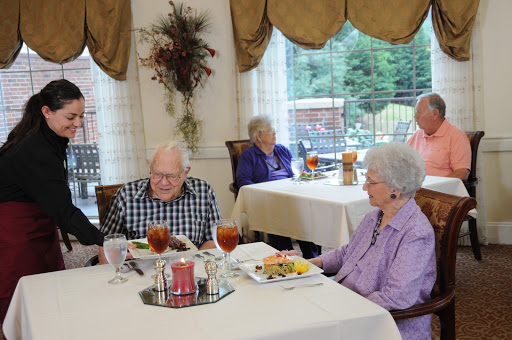
 Dining room
 Fitness room
 Fully furnished
 Gaming room
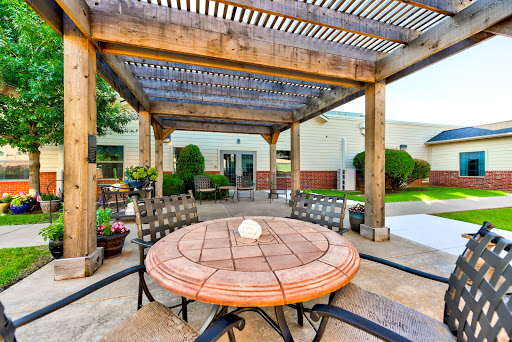
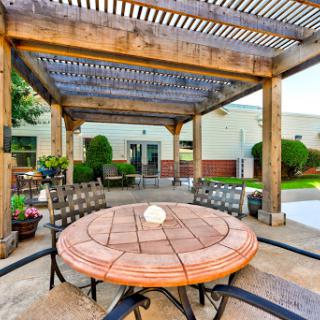
 Garden
 Housekeeping services
 Kitchenette
 Move-in coordination
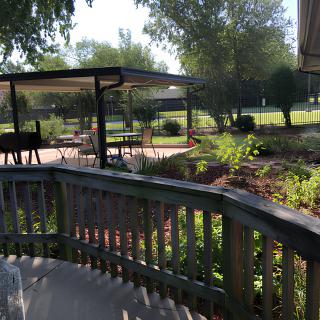
 Outdoor space
 Private bathrooms
 Restaurant-style dining
 Small library
 Telephone
 Wellness center
 Wi-Fi/high-speed internet available
 Will Rogers World (12 miles away)
 Community operated transportation
 24-hour call system
 Activities of daily living assistance
 Assistance with bathing
 Assistance with dressing
 Assistance with transfers
 Diabetes diet
 Medication management
 Mental wellness program
 Special dietary restrictions
 Concierge services
 Planned day trips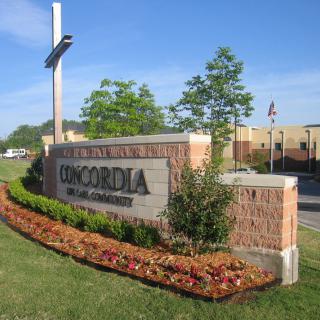



 Understanding Dementia Through Its Seven Stages: A Comprehensive Look at Progression and Expectations
 Safeguarding Your Memory Through the Golden Years: Eight Ways to Preserve Cognitive Health
 Comprehensive Insights into Activities of Daily Living (ADLs) and Their Assessment