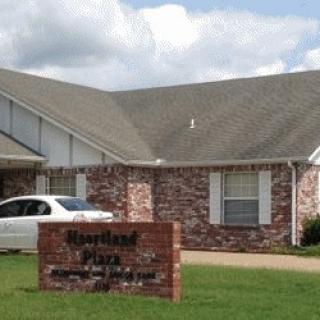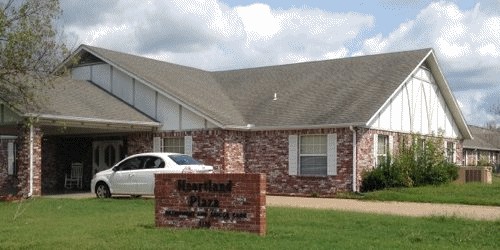
2128 Denver Harner Dr, Miami, OK 74354
To contact a resident: (918) 542-4040
For more information about senior living options: (866) 208-4318
Overall Review of Heartland Plaza of Miami
Pros
 They really care about each and every individual resident.
- They communicate well with family members.
- The meals are great.
- The employees really care and go above and beyond, and Featherstone truly feels like a big extended family.
- Kris Housh is an awesome administrator who loves her residents like family.
- The facility provides three meals a day with snacks, medication administration, and a safe environment.
Cons
 The reviews describe Featherstone Assisted Living as unprofessional, noting a staff member was fired via text message after three weeks.
- It is claimed that residents' medications go missing, characterizing the facility as a disaster.
- The owner, Lauren, is said not to care about the residents.
- There were several medication mishaps with alleged cover-ups and no proper notifications to residents and families.
- A medication aide is described as incompetent and alleged to lie on state paperwork.
- There is said to be no active administration and too many family members working there.
- The reviews warn that the place could be dangerous to residents and urge others to avoid it.
Review
Heartland Plaza of Miami is best suited for families seeking a warm, home-like atmosphere where residents are known by name, care feels personal, and daily life centers on connection and comfort. The community earns strong marks from families who prize a caregiver presence that prioritizes individual residents, clear family communication, and meals that hold real appeal. For seniors who want to feel part of a big, caring improvised family rather than a sterile, process-driven setting, this option can be particularly reassuring. The upside is a palpable sense of belonging and steady, attentive companionship that can translate into peaceful days and genuine resident satisfaction. That said, the model works best when expectations align with what a more intimate, relational operation delivers rather than a highly structured, high-stakes clinical environment.
Those who should consider alternatives are families for whom flawless medication management and consistently transparent administration are non-negotiable. The strongest caveat here is the history of medication mishaps and at least one account of missing medications, paired with impressions of administrative gaps. Several reviewers described either a lack of active administration or HR practices that felt inconsistent or unprofessional, including feedback about being fired via text. For residents with complex medical regimens or diagnoses requiring rigorous oversight, these red flags translate into meaningful risk. In short, households that cannot tolerate any drift in medication safety or administrative accountability will want to scrutinize other communities more closely.
The primary strengths, genuine care from staff, a family-like culture, good meals, and engaging activities, do offset some concerns, but not completely. When caregivers truly invest in residents, the day-to-day experience becomes a powerful compensator: residents feel valued, voices are heard, and daily routines become predictable and comforting. The references to Kris Housh, the administrator in one account, highlight that strong leadership can anchor the community, maintain morale, and nurture consistency in care. The warmth and attentiveness of the staff can turn a facility into a true home, and that emotional safety matters a great deal for long-term satisfaction. Yet warmth cannot erase the risk associated with medication mismanagement or administrative lapses; those issues represent real, ongoing risk to physical well-being that families must weigh against the comfort of a familial atmosphere.
From a practical perspective, prospective residents should verify how medications are managed day-to-day. Inquiries should cover who administers meds, what protocols are in place to prevent omissions, how medication records are reviewed, and how promptly families are notified of changes or issues. Request a current outline of the care plans, emergency protocols, and incident reporting. It is essential to review how administration communicates with families, whether there is a consistent point person for updates and how quickly concerns are addressed. Also ask about staff training, turnover, and how the facility handles staffing shortages, since consistency at the bedside matters as much as any therapeutic plan. A tour should include observation of meal service, activity offerings, and the quality of life touches that make life feel dignified and lively.
Ultimately, the choice hinges on balancing day-to-day quality of life with risk management. Heartland Plaza of Miami presents a viable option for families prioritizing belonging, affection, and social engagement, especially when paired with strong leadership and reliable caregiver interactions. Those prioritizing flawless clinical oversight should look elsewhere or demand explicit assurances: robust medication management processes, a clearly defined administration chain, and transparent incident resolution. The recommended path is to schedule a thorough on-site visit, request to speak with current residents and families, review state licensing or inspection reports, and ask for a written plan detailing how medication safety and administrative accountability are maintained. Consider a short trial stay if possible, to observe firsthand how care is delivered during routine days and how responsive the team remains under real-life conditions. In the end, the right fit will deliver enduring trust: a home where residents feel cherished, meals and activities that sustain joy, and a care framework that reliably safeguards health without sacrificing humanity.
 Assisted Living
 Activities on-site
 Devotional services off-site
 Indoor common areas
 Ambulatory care
 Diabetic care
 Meals provided



 Assisted Living and Memory Care: Understanding Their Core Differences
 Beyond the Bingo Hall: 50+ Enriching Activities for Seniors in Assisted Living
 Understanding the Distinctions: Assisted Living and Memory Care Explained