Copp's Residential Care

Save
Copp's Residential Care

Copp's Residential Care

14092 E 500 Rd, Claremore, OK 74017

For more information about senior living options: (844) 490-3973

3.4 from 5 reviews
5 stars
3
4 stars
0
3 stars
0
2 stars
0
1 stars
2

Assisted Living

What level of care are you interested in?

Assisted Living

Memory Care

Independent Living

Skilled Nursing Facility

Continuing Care Retirement Community (CCRC)CCRC

Other


Request a tour at Copp's Residential Care

    Overall Review of Copp's Residential Care

    Pros

    • pro Copp's Residential Care is an amazing facility.
    • pro It is extremely clean.
    • pro The meals are wonderful.
    • pro The staff is caring and patient.
    • pro Tracy handles a difficult population at her facility and treats them like her own family.
    • pro The facility is described as the best residential care facility in the state.
    • pro The reviewer would have no reservation placing someone there.

    Cons

    • pro The admissions staff were rude and condescending to the caller.
    • pro They were told there were no openings and admission would not be possible.
    • pro The responses focused on room rate rather than whether they could accommodate a mother and daughter living together.
    • pro They were told the facility only takes mentally challenged patients.
    • pro The staff member appeared unaware of basic admission guidelines and could not answer simple questions.
    • pro The call ended with the staff hanging up, leaving the caller feeling disrespected and distrustful.

    Review

    Copp's Residential Care is praised in some corners as an exceptional place where cleanliness, meals, and a genuinely caring staff come together to create a reassuring environment for residents. One reviewer describes it as "the best residential care facility in the state," highlighting how incredibly clean the facility is, the quality of the meals, and the patient, compassionate nature of the staff. The praise is especially strong for Tracy, who is said to handle a difficult population with the kind of warmth that makes families feel confident about the care their loved ones will receive. From this perspective, Copp's is presented as a facility that stands out for its daily operations and the personal touch of its team.

    Yet within the same collection of thoughts, a contrasting experience unfolds, casting a different light on what the facility offers. The reviewer reveals a personal dilemma that began with a simple act of trying to gather information about admissions. They describe a phone call during which they asked to speak with the admissions coordinator and were immediately told that there were no openings and that there was no high turnover rate, making admission unlikely. The tone of that initial exchange is, to the reviewer, unwelcoming and unhelpful, setting the stage for what would become a frustrating inquiry about whether a mother and daughter could be housed together should a space ever become available. Money is stated as no obstacle; the real question is whether the facility could accommodate two relatives who have different needs.

    The conversation takes a further troubling turn as the reviewer insists on a specific pairing: an elderly mother and her daughter who has Down syndrome living together. The responses they receive revolve around the rate of the room and the logistics of sharing a bathroom, rather than a straightforward yes or no about the living arrangement. Incredibly to the reviewer, the admissions staff tells them that they "only take mentally challenged patients," a statement that prompts the reviewer to look up what the website lists as admission criteria. The criteria are comprehensive, including mental health diagnosis, physical diagnosis, stability, medication records, and various documentation requirements. The discrepancy between what is stated in the criteria and what is communicated in the phone call becomes a central point of contention in the review.

    When the reviewer returns to the admissions criteria, they find a gap between the official list and the staff's understanding of it. They report that the staff either could not interpret the guideline about physical diagnosis or did not know how it applied in their specific situation. The staff member claims that someone else handles admissions and would call back, but that person never does. The repeated attempts to obtain a straightforward answer about whether a mother and daughter could be accommodated are met with evasions and a reiteration of the obstacle posed by room rate and shared bathroom configurations. The interaction culminates in a firm decision to be removed from consideration: the reviewer states they would "mark you off the list" and end the call, with the staff hanging up rather than offering a courteous closing.

    The tone of the negative encounter is distinctly sharp and emotionally charged. The reviewer describes the admissions staff as rude and condescending throughout the exchange, a characterization that compounds the disappointment of not receiving clear information. The final impression is a deep-seated distrust: if the way they were treated on a customer-service call is an indicator, the reviewer questions whether Copp's would extend the same respect and attentiveness to a fully capable adult or to someone who cannot communicate as effectively on their own. The upshot is a warning that the facility's handling of inquiries and admissions can be a source of significant concern for families trying to navigate care options.

    Taken together, these two halves of the review paint a complex portrait. On one hand, Copp's Residential Care is praised for its cleanliness, culinary quality, and the hands-on, compassionate approach of certain staff members who can make residents feel like family. On the other hand, the experience described raises questions about admissions processes, staff training, and consistency in how potential residents and their families are treated when seeking information and placement. The stark contrast between the positive, glowing observations of day-to-day care and the negative, frustrating interaction during the admissions inquiry highlights how two different experiences can coexist within the same facility.

    Overall, the narrative serves as a reminder that high-quality day-to-day care is only one piece of the larger picture when evaluating a residential care facility. While strong recommendations may reflect genuine strengths in resident care and staff dedication, a negative experience with admissions can significantly color a family's perception and influence their willingness to consider a place at all. For families exploring Copp's or any similar facility, the account suggests a careful approach: gather clear, written information about admissions criteria, confirm the facility's ability to meet specific living arrangements, and seek out multiple perspectives to form a balanced view of how the facility operates beyond the core caregiving tasks.

    Features

    Types of Care

    • Assisted Living Assisted LivingAssisted living facilities provide crucial support and care for seniors who may need help with daily tasks such as medication management, bathing, and meal preparation. These communities offer a safe and comfortable environment where seniors can maintain their independence while receiving the assistance they need to thrive in their golden years.

    Amenities

    • Activities on-site Activities on-siteActivities on-site are important for seniors because they provide opportunities for socialization, mental stimulation, physical activity, and overall well-being. Engaging in activities can help seniors stay active, maintain their independence, and improve their quality of life.
    • Devotional services off-site Devotional services off-siteDevotional services off-site are important for seniors as they provide spiritual nourishment, social engagement, and a sense of community outside of the senior living facility. This can enhance overall well-being and help combat feelings of isolation and loneliness often experienced by older adults.
    • Indoor common areas Indoor common areasIndoor common areas are crucial for seniors as they provide a space for socialization, recreation, and community engagement, promoting overall well-being and reducing feelings of isolation and loneliness.

    Transportation

    • Tulsa International (19 miles away) Tulsa International (19 miles away)

    Care Services

    • Ambulatory care Ambulatory care"Ambulatory care services provide essential medical support and treatment to seniors without requiring hospitalization, allowing them to maintain their independence and quality of life while managing chronic conditions or receiving routine medical care."
    • Diabetic care Diabetic careDiabetic care is crucial for seniors as they are more susceptible to developing diabetes due to aging and other health conditions. Proper management of diabetes can help prevent complications such as heart disease, vision loss, and nerve damage, improving the overall quality of life for seniors in senior living communities.

    Dining

    • Meals provided Meals provided"Meals provided" are crucial for seniors in assisted living communities as it ensures they have access to nutritious, balanced meals without the stress of meal planning and preparation. This can help promote overall health and well-being for seniors who may have limited mobility or cognitive abilities.

    Activities

    • Activities on-site Activities on-siteActivities on-site are important for seniors because they provide opportunities for socialization, mental stimulation, physical activity, and overall well-being. Engaging in activities can help seniors stay active, maintain their independence, and improve their quality of life.
    • Devotional activities offsite Devotional activities offsiteDevotional activities offsite are important for seniors because they provide social engagement, spiritual growth, and a sense of community outside of their living environment. This can improve overall well-being, mental health, and combat feelings of isolation or loneliness.

    Description

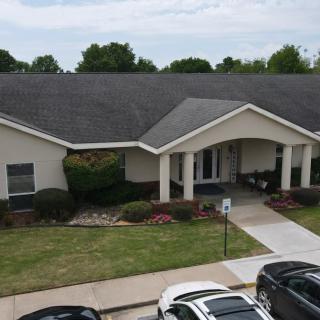
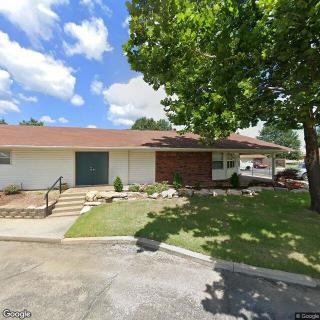
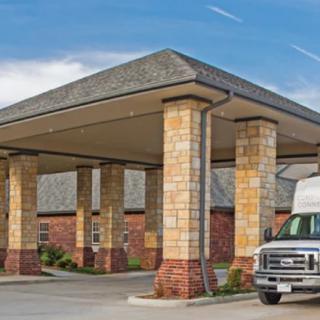
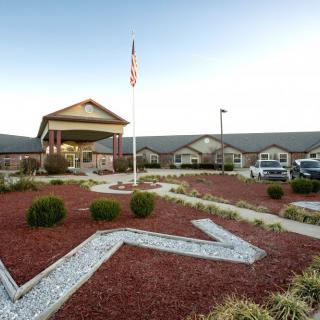
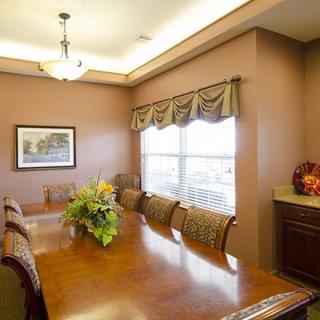
    Copp's Residential Care in Claremore, OK, offers a warm and inviting assisted living environment that prioritizes the well-being and comfort of its residents. This community is designed to foster a supportive atmosphere, featuring indoor common areas where residents can socialize and engage with one another.

    For those seeking spiritual nourishment, Copp's provides opportunities for devotional activities off-site, allowing residents to participate in meaningful experiences that align with their beliefs. The facility also caters to specific health needs, offering specialized diabetic care to ensure that residents receive the attention required for their individual health concerns.

    Conveniently located within close proximity to essential services, Copp's Residential Care boasts six nearby pharmacies and 18 physicians who are readily available for medical assistance. For dining and leisure, residents can explore 15 local restaurants that offer a range of culinary options. Transportation services are easily accessible with two transportation options nearby, making it simple for residents to get around the community.

    Additionally, Copp's is situated near two places of worship and two hospitals, ensuring that both spiritual and medical needs are easily met. With its blend of comfort, care services, and accessibility to vital resources, Copp's Residential Care stands out as an excellent choice for those seeking an enriching assisted living experience in Claremore.

    Nearby Places of Interest

    This part of Claremore, Oklahoma, offers a variety of amenities and services that cater to senior living. With several places of worship, hospitals, pharmacies, and physicians located within a short distance, residents have access to essential healthcare and spiritual support. The presence of reputable restaurants and cafes provides convenient dining options, while nearby parks offer opportunities for leisurely outdoor activities. Additionally, the availability of transportation services like U-Haul makes it easy for seniors to run errands or travel as needed. Overall, this area boasts a comfortable and convenient environment for seniors looking to settle in Claremore.

    Places of Worship

    • Southern Baptist Convention (1.7 miles)
    • First Presbyterian Church (2.2 miles)
    • Freedom Church (11.2 miles)
    • Rejoice Church (13.8 miles)
    • First Baptist Church of Owasso (13.8 miles)
    • Westside Free Will Baptist Church (14 miles)
    • Revelation Seventh-Day Church (14.2 miles)

    Physicians

    • Women's Healthcare of Rogers County (2.2 miles)
    • Comprehensive Eye Care PC (2.3 miles)
    • Eastern Oklahoma Orthopedic & Sports Medicine Center (2.3 miles)
    • Pediatric Practitioners Of Oklahoma (2.3 miles)
    • Larry Kyle Hrdlicka (2.4 miles)
    • Claremore Health Associates (2.6 miles)
    • Family & Senior Health Center (2.6 miles)

    Restaurants

    • Main Street Tavern (2.5 miles)
    • Carl's Jr. (2.6 miles)
    • Chick-Fil-A (2.6 miles)
    • Cotton Patch Cafe (2.7 miles)
    • Burger King (2.7 miles)
    • Charlie's Chicken (2.7 miles)
    • Tokyo (2.8 miles)

    Hospitals

    • Davita Kidney Care (2.5 miles)
    • Claremore Indian Hospital (3.3 miles)
    • St John Owasso (14.4 miles)
    • St John Outpatient Radiology (14.4 miles)

    Pharmacies

    • Health Center Pharmacy (2.5 miles)
    • CVS Pharmacy (2.6 miles)
    • Walgreens (2.6 miles)
    • Bennett's Route 66 Pharmacy (2.6 miles)
    • Walmart Pharmacy (2.8 miles)
    • J & J Pharmacy (2.8 miles)
    • Reasor's Pharmacy (11.2 miles)

    Transportation

    • U-Haul Neighborhood Dealer (2.6 miles)
    • U-Haul (2.8 miles)
    • Gundy's Airport (11.7 miles)

    Cafes

    • Daylight Donuts (11 miles)
    • Panera Bread (14.3 miles)
    • Jerry's Donuts (14.3 miles)

    Parks

    • Curtis Conley Memorial Park Splash Pad (11.9 miles)
    • Centennial Park (12.6 miles)

    Frequently Asked Questions

    Where is Copp's Residential Care?

    Nearby Communities

    Assisted Living in Nearby Cities

    Related Resources

    • assisted living for disabled adultsComprehensive Supportive Living Arrangements for Adults with Disabilities

      Assisted living for adults with disabilities has transformed to provide personalized care and support services aimed at improving residents' quality of life while balancing independence and assistance. However, low-income individuals often face challenges in affording these services, requiring navigation of various financial resources and advocacy for better policies and solutions.

    • how to pay for assisted livingFunding and Affording Assisted Living: A Thorough Overview

      Assisted living facilities provide support for older adults needing help with daily activities without extensive medical care, but their costs can be high and vary by location and services offered. Families often seek various funding options and financial strategies to manage these expenses effectively while considering future needs and potential price increases.

    • assisted living insuranceAssisted Living Expenses and Long-Term Care Insurance: A Comprehensive Exploration

      The article discusses assisted living expenses, the importance of long-term care insurance in covering these costs, and various financing options, highlighting the need for careful policy review and early planning to address potential needs. It also clarifies common misconceptions about Medicare and private health insurance limitations regarding long-term care coverage.


    Get Pricing Ask A Question Schedule A Tour Contact Senior Advisor