Ohio Living Cape May offers competitive pricing for its living arrangements, with costs for various room types closely aligning with the local Clinton County rates. For a one-bedroom unit, residents pay $1,350, which matches the county's price and represents a significant savings compared to the state average of $3,712. Similarly, the two-bedroom option is priced at $1,480, again in line with Clinton County's rate and notably more affordable than Ohio's average of $3,501. However, the studio apartment stands out with a higher monthly cost of $5,169, which is considerably above both local and state benchmarks; this could reflect additional amenities or services offered. Overall, Ohio Living Cape May provides an attractive balance of quality living at reasonable prices within the context of both county and state averages.
Floor plans
Ohio Living Cape May
Clinton County
Ohio
1 Bedroom
$1,350
$1,350
$3,712
2 Bedrooms
$1,480
$1,480
$3,501
Studio
$5,169
$5,169
$3,727
Assisted Living communities with a similar price nearby
Residents describe attentive nursing and rehabilitation help that supports recovery and day-to-day transitions.
Several residents and family members say the care team was exceptional during rehab and health setbacks, including physical and occupational therapy and coordinated next steps. Multiple reviews also highlight ongoing communication about care and feeling supported rather than left to figure things out alone. A few people mention that support extended beyond basic help when a transition required added assistance. At the same time, one long-term care review raises a serious concern about how care decisions were handled, so experiences can vary depending on individual needs.
common30 reviews mention this
Staff feel friendly and responsive
Staff friendliness and responsiveness are recurring themes in resident feedback.
Across reviews, people consistently describe courteous, friendly staff who are eager to help and make residents feel at home. Residents and families mention quick follow-through on issues and a sense that staff listens to concerns. Cleanliness and a “safe and secure” feeling also show up alongside the staff praise, including comments about well-kept common areas and apartments. A small number of negative reviews mention communication or respect problems, but the majority of feedback centers on kind, helpful interactions.
common12 reviews mention this
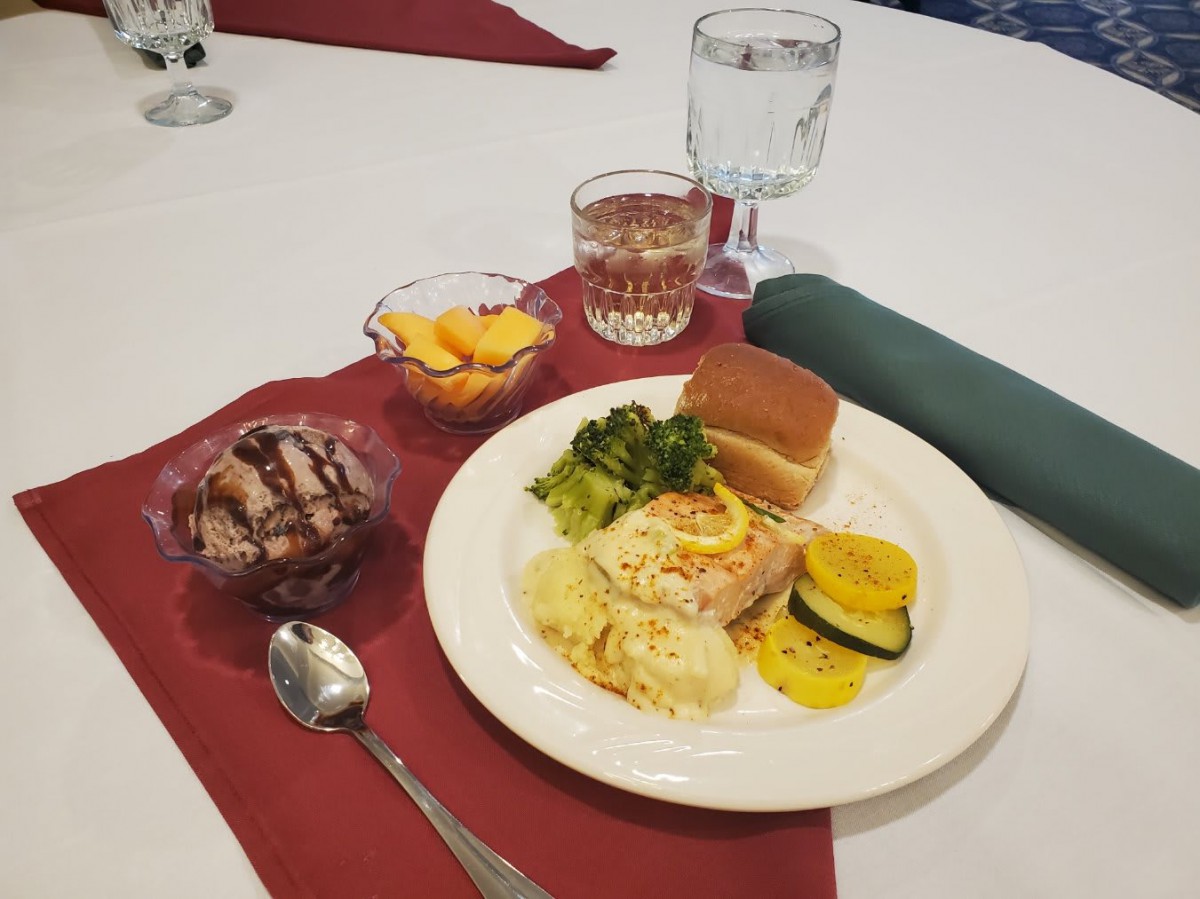
Meals are a frequent highlight
Food quality is often described positively, with some diners noting occasional inconsistency.
Many reviews comment on meals being good or improved, and a few families mention that the dining approach addressed special needs. Several also connect meal experience with the overall day-to-day comfort of living there. One resident notes that dining rooms can be warmer, and another says food is sometimes very good but not always. There is also a specific concern about dining being unavailable for villa residents during a staffing gap, which helps explain why meal satisfaction isn’t uniform.
common10 reviews mention this
Activities help residents stay engaged
Residents report a steady mix of activities without feeling pressured to join.
Reviews describe a variety of activities and outings, including devotional and social options, with some people saying they didn’t feel pressured to attend. Families also mention resident-friendly routines that supported engagement after moves or during recovery. A few reviews describe outdoor spaces and campus features that complement daily life and gatherings. One caveat is that some activity options were noted as lacking for specific needs, and another review points to reduced activity levels during a recovery period after shutdowns.
caveat4 reviews mention this
Cost and event logistics vary
Pricing and logistics come up as recurring frustrations for some residents or guests.
Some reviews raise cost concerns, including one person describing expenses increasing quickly and another saying they wish they could afford the community. Pricing pressure is also reflected in a negative long-term care experience that describes additional aide charges. Separately, two low-rating reviews focus on event and parking problems, including inadequate handicap access and communication during a rented event. Together, these comments suggest that while many residents are satisfied, planning and total costs may be pain points for certain situations.
How we summarize
Counts show how many written reviews mention each theme; a review can touch several themes, and only frequently mentioned themes are displayed.
Features
Types of Care
Assisted Living
Independent Living
Pets
Cats allowed
Dogs allowed
Amenities
Activities off-site
Activities on-site
Air-conditioning
Bath tubs
Beautician on-site
Cable or satellite TV
Devotional services off-site
Devotional services on-site
Fireplaces
Full kitchen
Garden view
Ground floor units
Handicap accessible
Indoor common areas
Kitchenette
Outdoor common areas
Private bathrooms
Private patio, deck, or balcony
Respite or short term stays offered
Wheelchair accessible showers
Wi-Fi/high-speed internet available
Care Services
Ambulatory care
Diabetic care
High acuity care
Incontinence care
Medication management
Dining
Guest meals
Meals provided
Professional chef
Restaurant style dining
Room service
Vegetarian
Activities
Activities off-site
Activities on-site
Art classes
Day trips and outings
Devotional activities offsite
Devotional activities on-site
Gardening club
Happy hour
Live dance or theater performances
Live musical performances
Trivia games
Wii bowling
Wine tasting
Videos
Nearby Places of Interest
This part of Wilmington, Ohio offers a variety of amenities and services that cater to the needs of seniors. With several physicians and hospitals nearby, residents can easily access medical care when needed. There are also places of worship for spiritual fulfillment, as well as restaurants and cafes for socializing and dining out. Pharmacies are conveniently located for medication needs, and transportation services are available for getting around the area. Additionally, there are parks nearby for recreational activities and enjoying the outdoors. Overall, this part of Wilmington provides a well-rounded and accessible environment for seniors looking to settle down in a community with essential services within reach.
Physicians
Montgomery Clinic (0.7 miles)
Internal Medicine Associates (0.8 miles)
Family Health Center (0.9 miles)
Healthsource of Ohio Wilmimgton (0.9 miles)
The Ohio Heart & Vascular Center (1.1 miles)
Ohio Vein & Vascular (1.1 miles)
Oncology Consultants (1.1 miles)
Hospitals
Home Health Agency Of Clinton Memorial Hospital (1 miles)
Foster J Boyd MD Regional Cancer Center (1.1 miles)
The Christ Hospital Physicians - Rheumatology (1.1 miles)
Ohio Living Cape May offers competitive pricing for its living arrangements, with costs for various room types closely aligning with the local Clinton County rates. For a one-bedroom unit, residents pay $1,350, which matches the county's price and represents a significant savings compared to the state average of $3,712. Similarly, the two-bedroom option is priced at $1,480, again in line with Clinton County's rate and notably more affordable than Ohio's average of $3,501. However, the studio apartment stands out with a higher monthly cost of $5,169, which is considerably above both local and state benchmarks; this could reflect additional amenities or services offered. Overall, Ohio Living Cape May provides an attractive balance of quality living at reasonable prices within the context of both county and state averages.
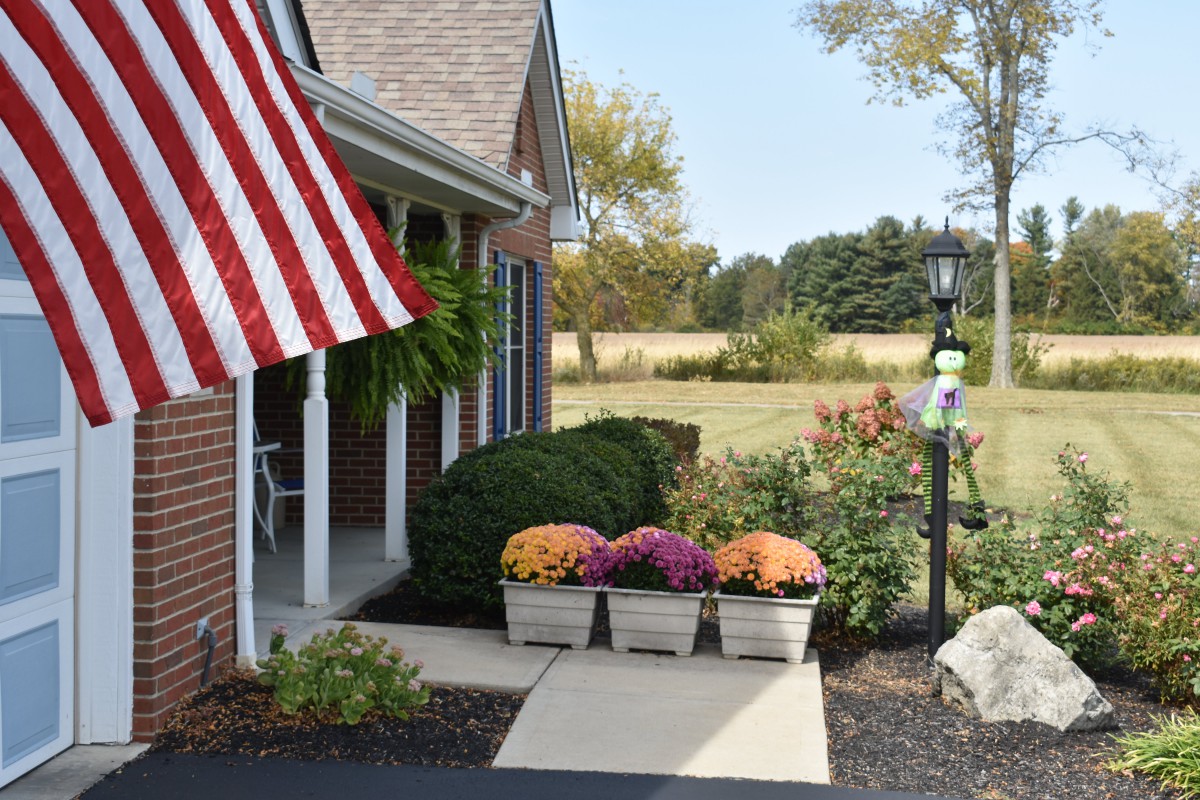
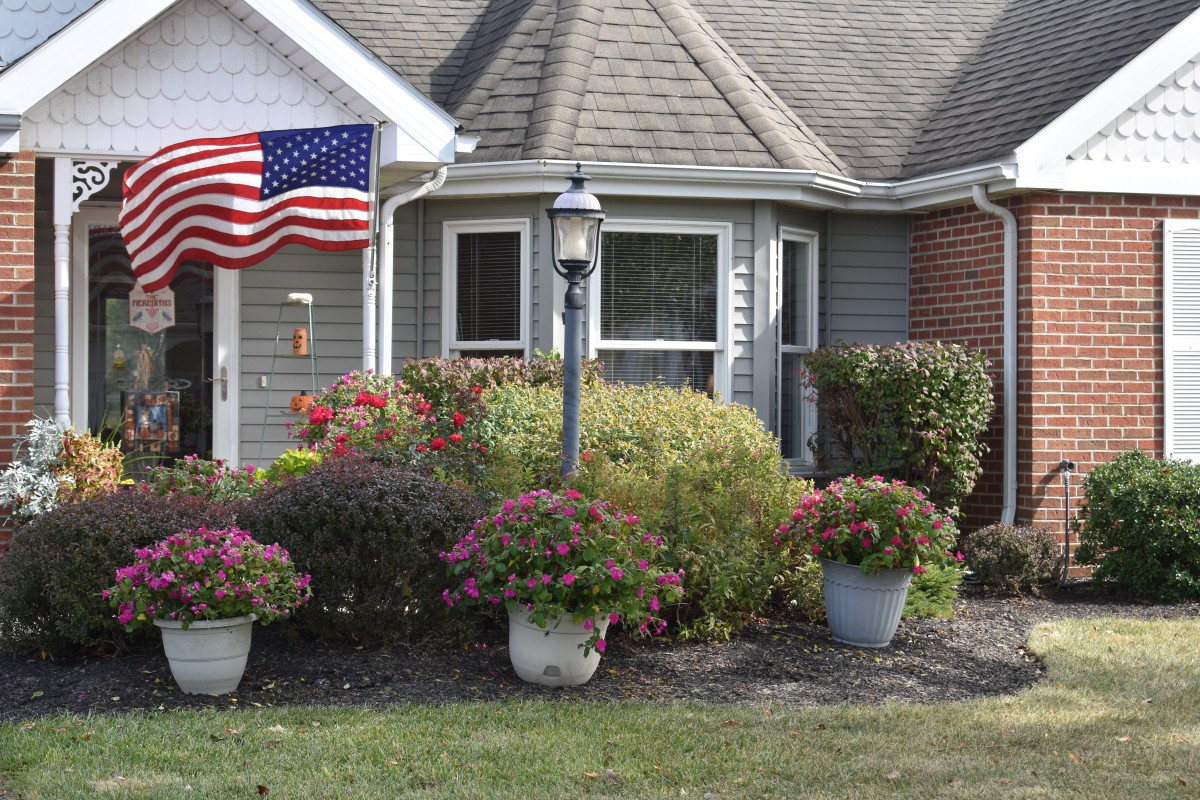
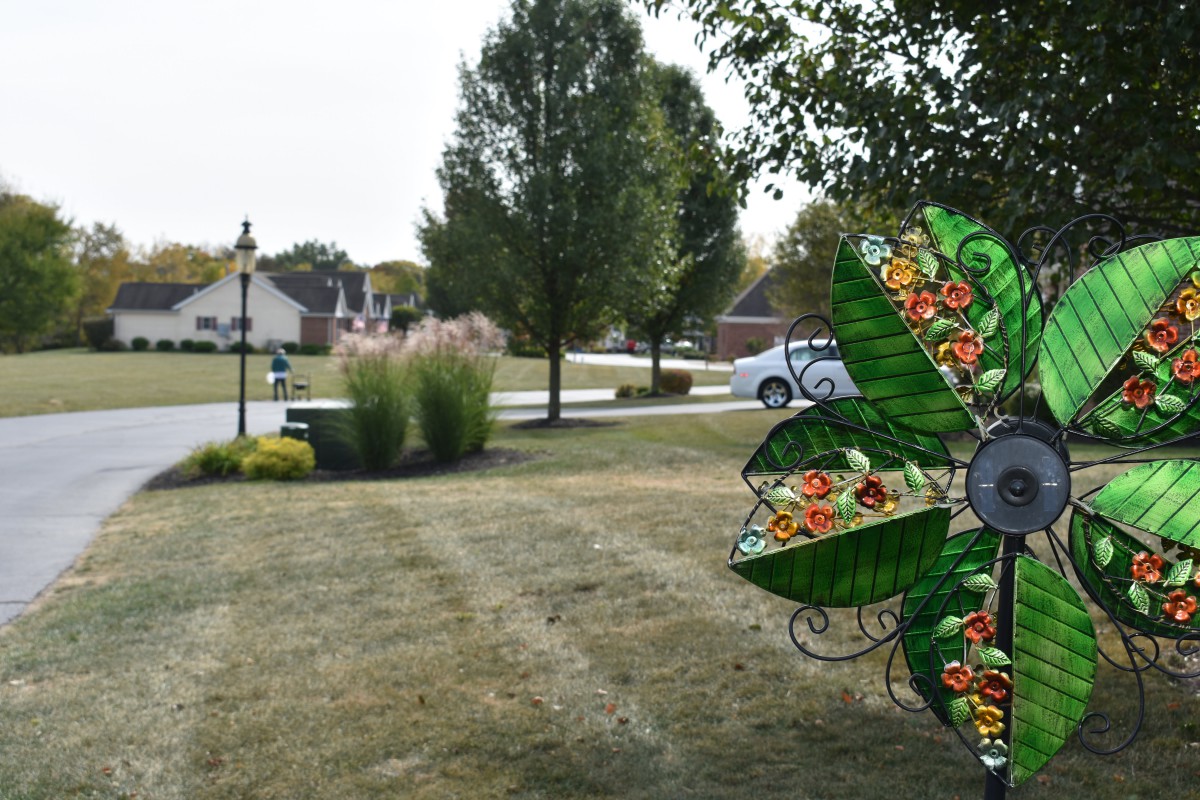
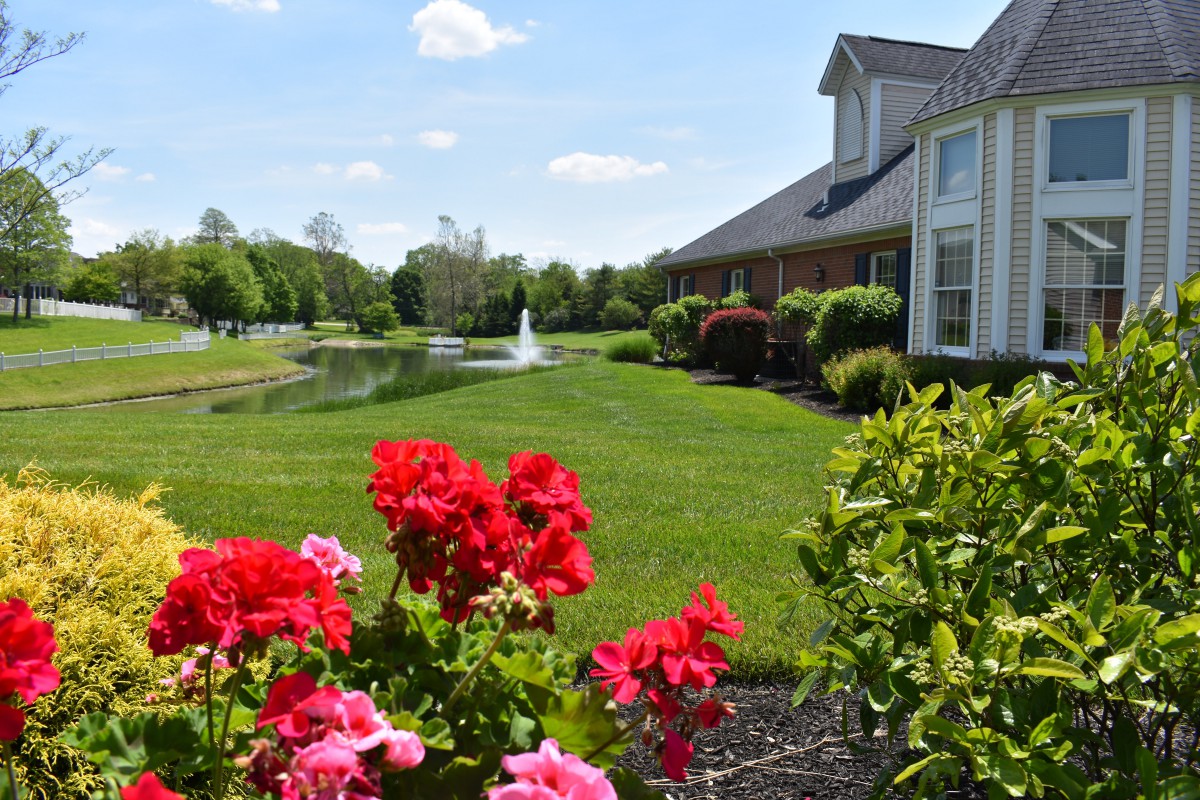
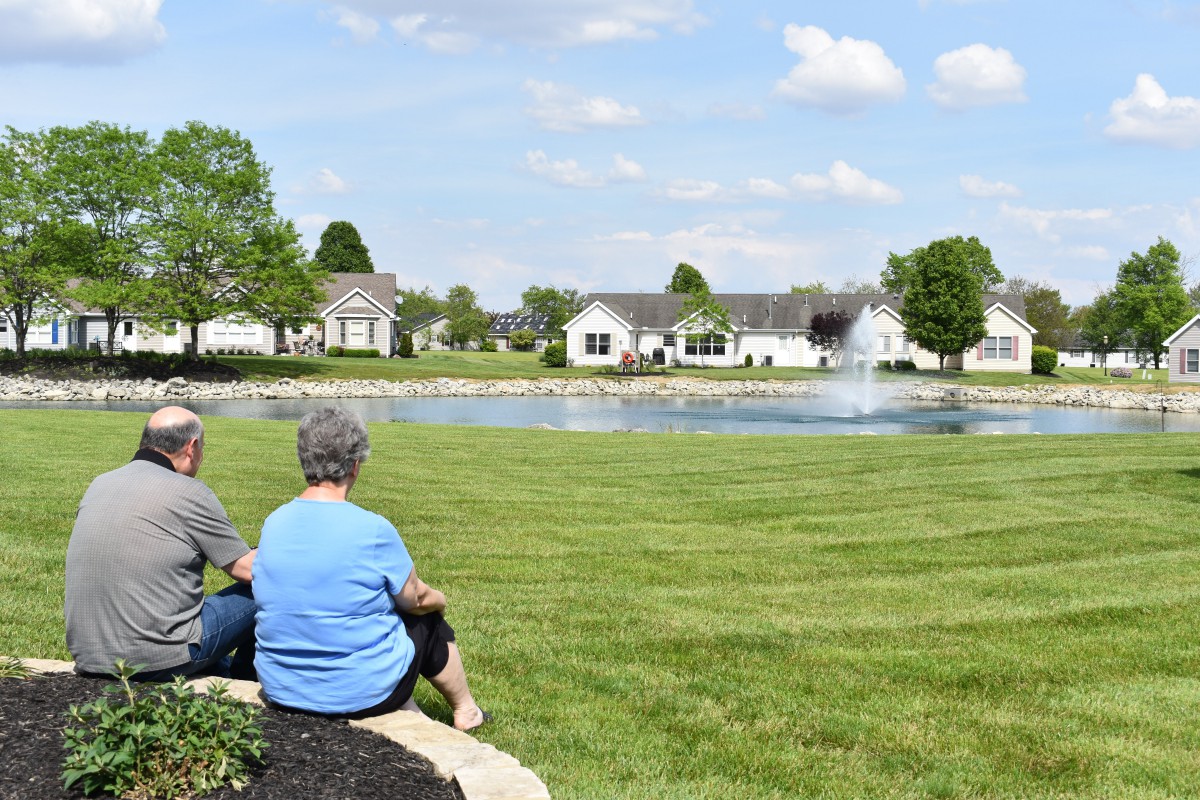
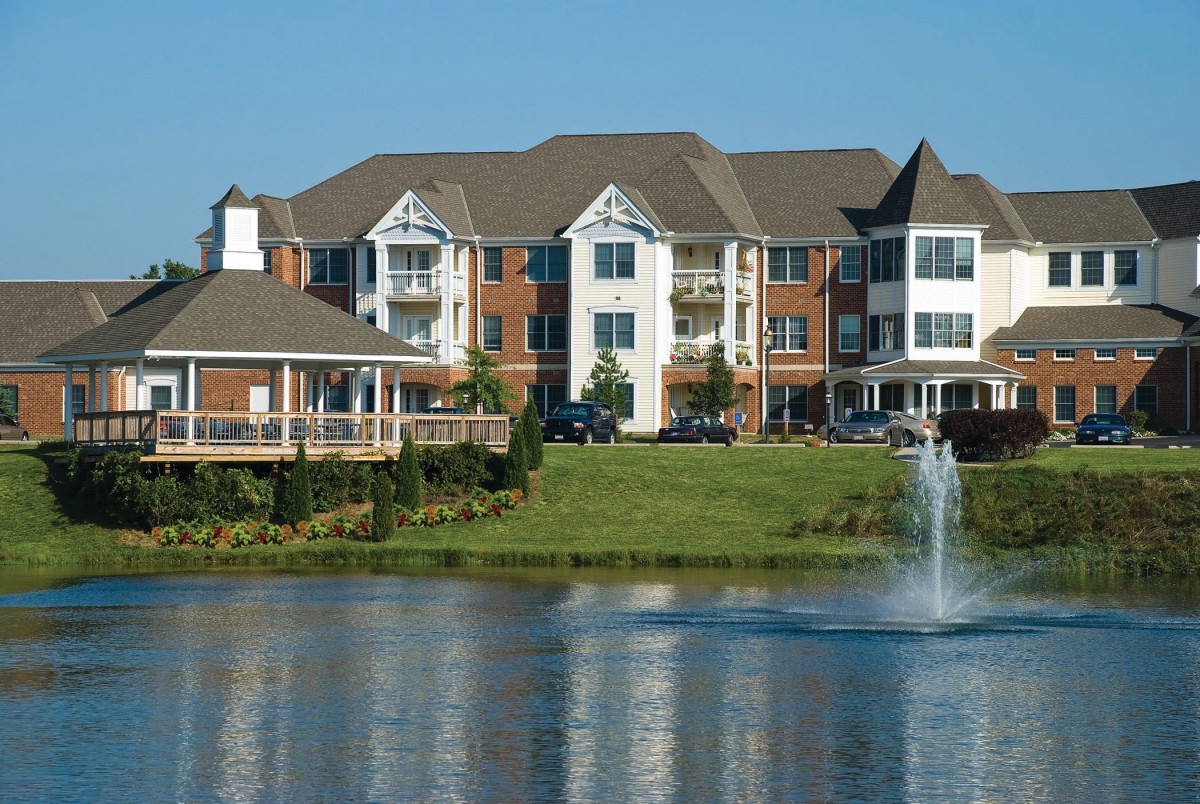
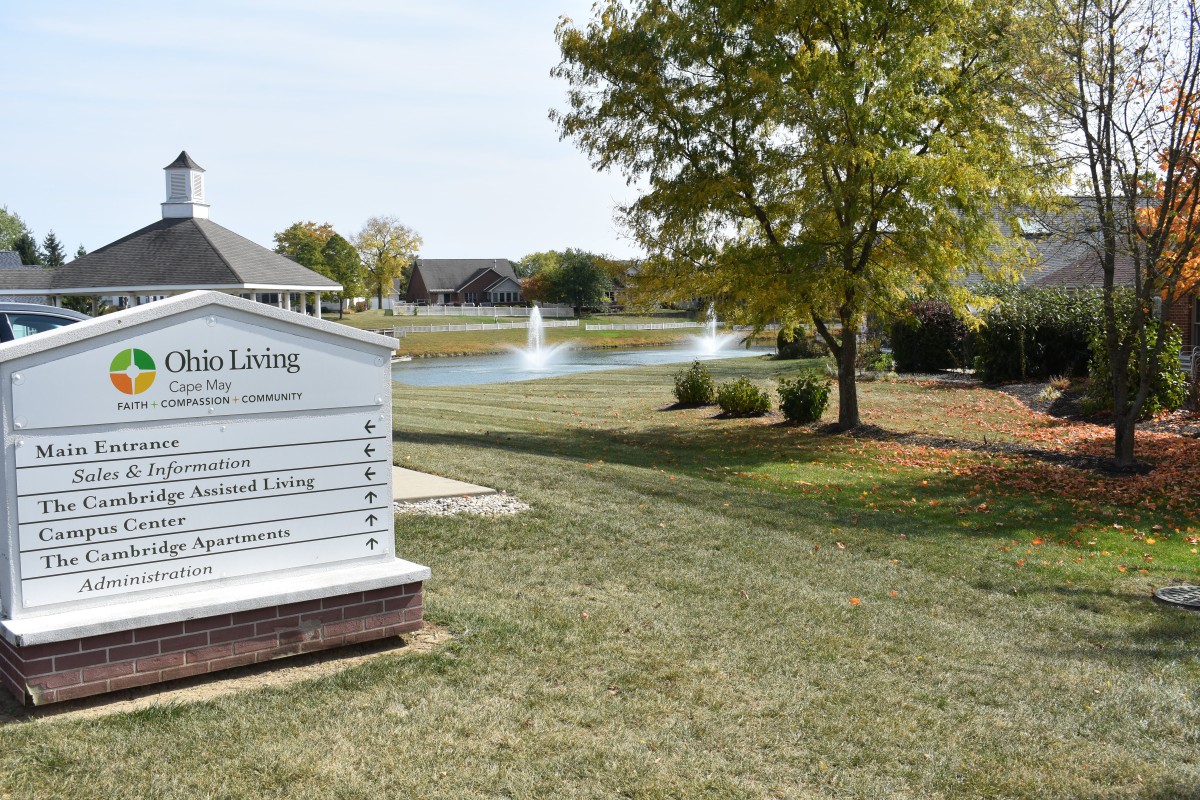
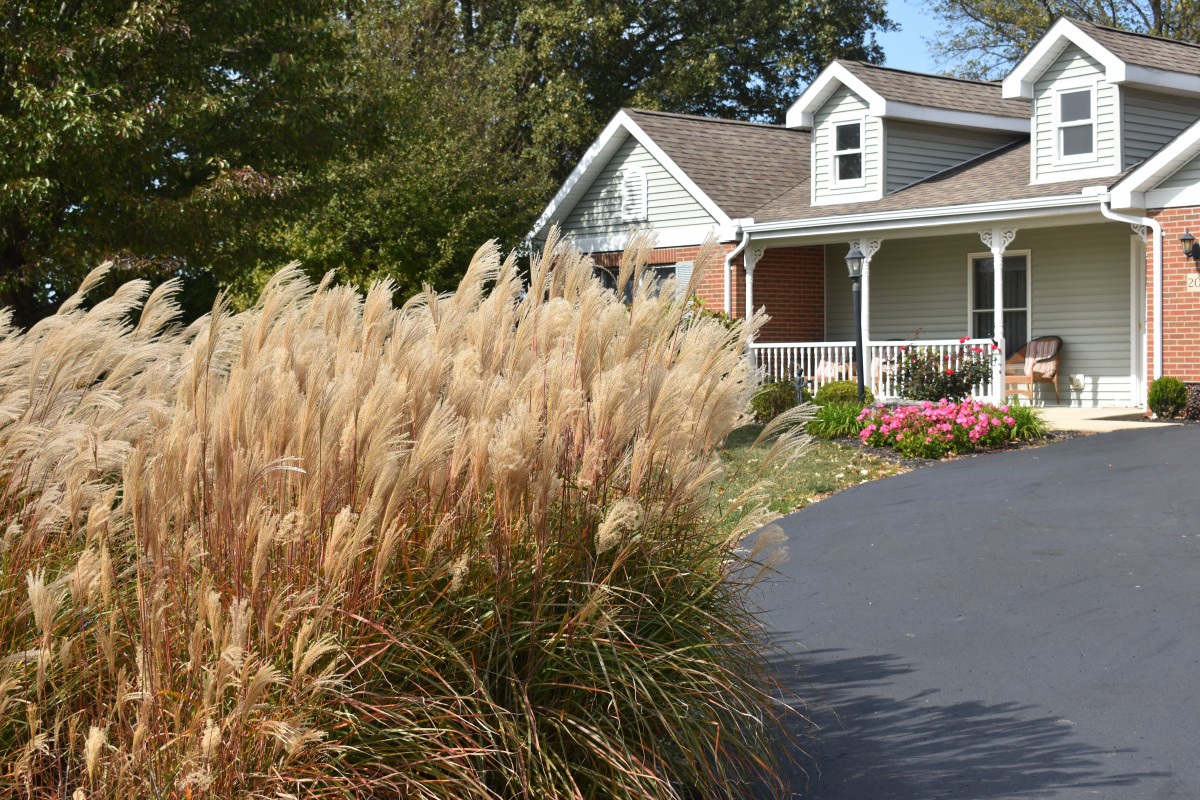
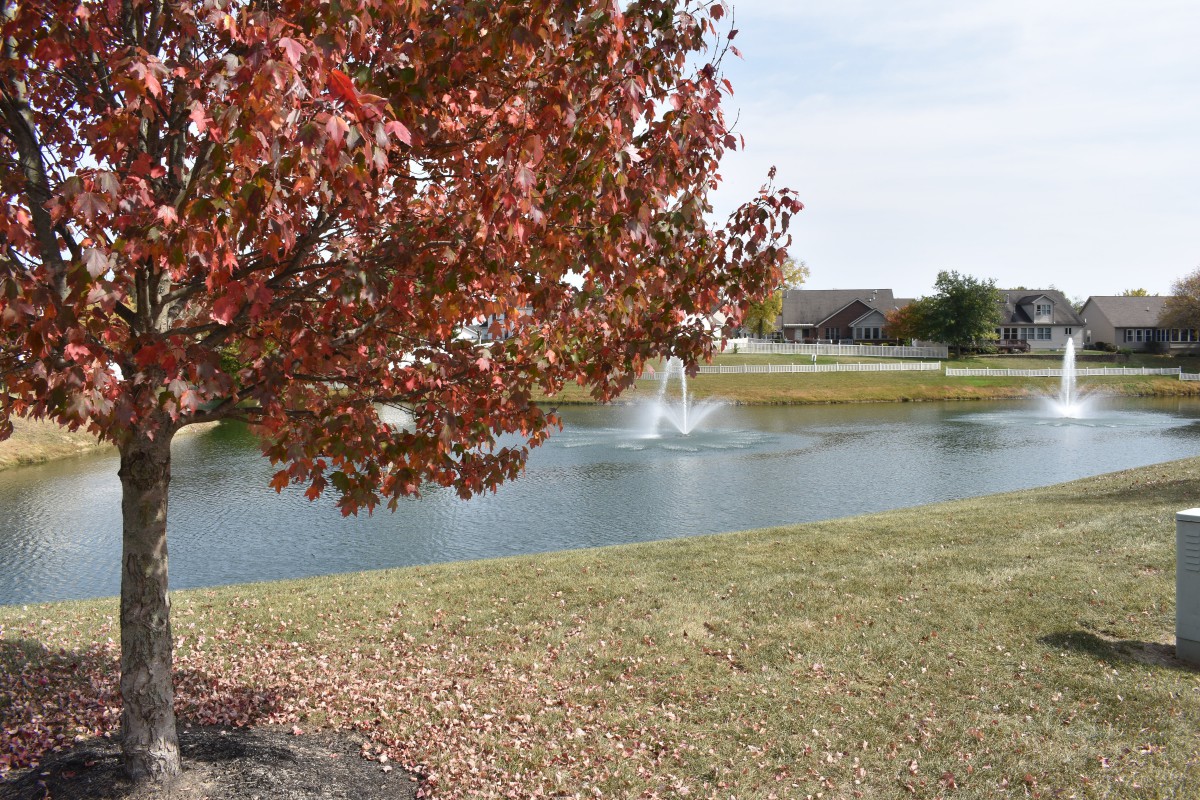
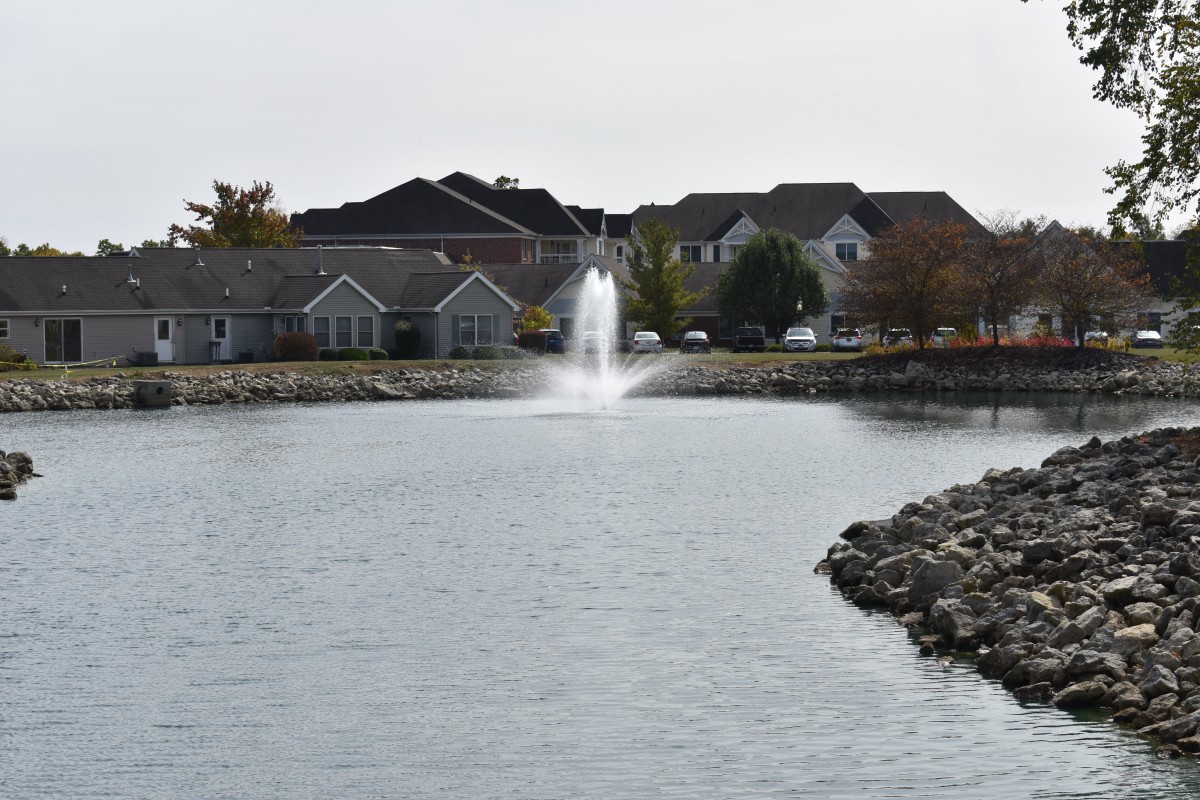
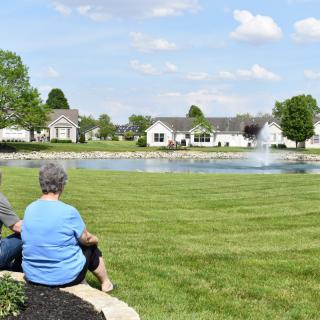
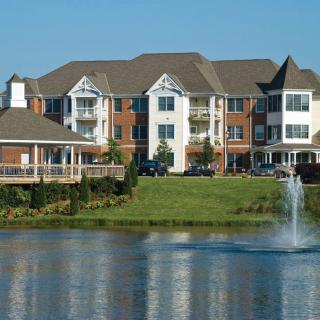
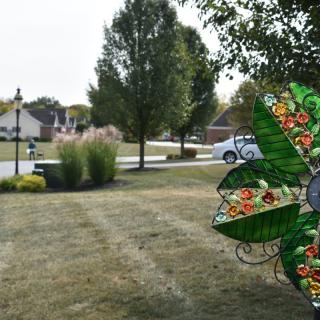
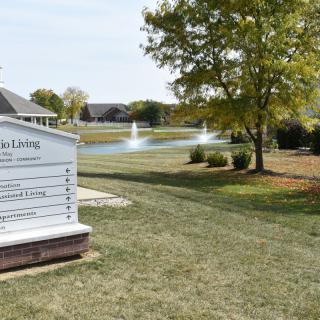
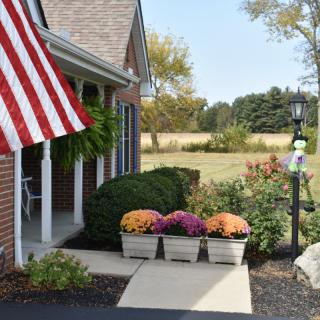
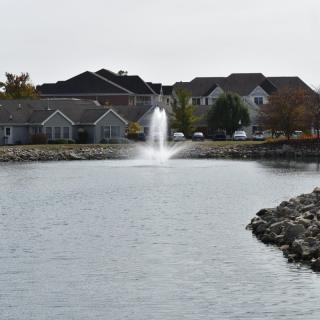
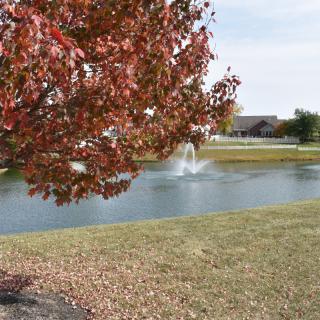
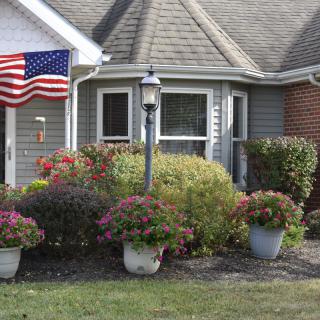
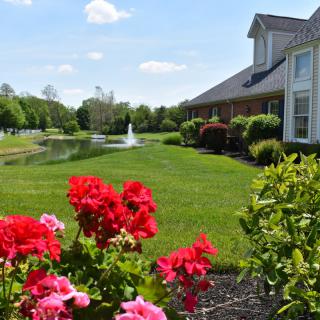
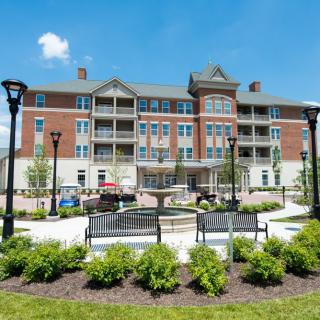
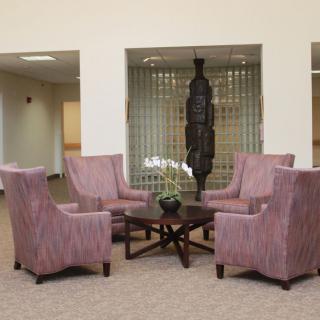
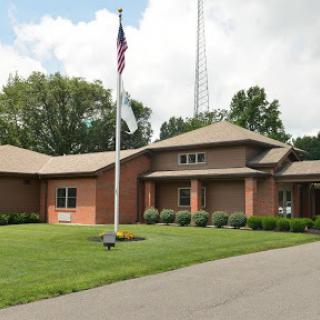
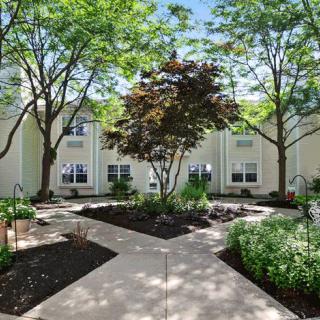
Ohio Living Cape May on seniors.fyi includes 14 photos including images showing landscaping, fountain, garden, pond, nature, flag, tree, building, and more.
Nearby Communities
Wilmington Nursing & Rehab
Wilmington, OH
4.1 from 58 reviews
Helpful therapy staff and supportive, attentive environment.
Wilmington Nursing & Rehabilitation Center
Wilmington, OH
4 from 50 reviews
Peaceful, convenient location with extensive nearby medical, dining, and transport options.
Curacare
Waynesville, OH
3.9 from 8 reviews
Personalized 24/7 care with diverse amenities and wellness programs that promote socialization.
Continental Manor Nurs And Rehabilitation Center
Blanchester, OH
4.2 from 50 reviews
$4,041 to $4,849 / month
Excellent staff and home-cooked meals.
Autumn Years Nursing Center
Sabina, OH
24-hour supervision with diabetes-friendly dining and comprehensive care.
The Laurels Of Blanchester
Blanchester, OH
4.5 from 94 reviews
24/7 supervision and medication management.
Blue Stream Rehab & Nursing
Morrow, OH
Specialized diabetic care with access to healthcare professionals and a community-focused, social environment.
Shawnee Estates
Xenia, OH
4.1 from 83 reviews
$3,875 to $4,780 / month
Caring staff, clean environment, and engaging activities.
St. Leonard - CHI Living Communities
Centerville, OH
4.3 from 138 reviews
$1,642 to $2,809 / month
Beautiful grounds, friendly staff, and good meals with engaging activities.
Choosing between assisted living and nursing homes involves evaluating emotional and financial factors, with assisted living offering independence and support for daily activities at a lower cost, while nursing homes provide intensive medical care for individuals with significant health needs. The decision is influenced by personal preferences, health status, cognitive function, and varying Medicaid coverage across states.
Assisted living in 2025 offers a crucial balance of independence and support for seniors, with costs varying from $2,500 to over $7,000 per month based on factors such as location and care level. Understanding pricing complexities, including regional differences and potential hidden fees, is essential for families to plan financially while ensuring quality care for their loved ones.
The guide outlines the complexities of Medicaid coverage for assisted living, highlighting significant state-to-state variations, limited coverage often restricted to personal care services, and the existence of specialized waivers for certain needs like memory care. It advises families to consult local Medicaid offices for options while emphasizing the importance of understanding state-specific regulations and facility policies.
Get PricingAsk A QuestionSchedule A TourContact Senior Advisor
By clicking submit, you agree to our Partner's Terms of Use. You
also consent to receive calls and texts, which may be autodialed, from our Partner. Your consent is not a condition to
using our Partner's service. Please visit our Partner's Privacy Policy for information about their privacy practices.





 Assisted Living
 Independent Living
 Cats allowed
 Dogs allowed
 Activities off-site
 Air-conditioning
 Bath tubs
 Beautician on-site
 Cable or satellite TV
 Devotional services off-site
 Fireplaces
 Full kitchen
 Garden view
 Ground floor units
 Handicap accessible
 Indoor common areas
 Outdoor common areas
 Private bathrooms
 Private patio, deck, or balcony
 Respite or short term stays offered
 Wheelchair accessible showers
 Wi-Fi/high-speed internet available
 Ambulatory care
 Diabetic care
 High acuity care
 Incontinence care
 Medication management
 Guest meals
 Art classes
 Day trips and outings
 Happy hour
 Live dance or theater performances
 Live musical performances
 Trivia games
 Wii bowling
 Wine tasting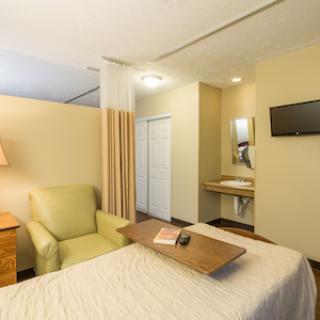
 Helpful therapy staff and supportive, attentive environment.



 Choosing the Right Senior Care: A Detailed Exploration of Assisted Living and Nursing Homes
 Understanding the True Cost of Assisted Living in 2025: A Comprehensive Guide
 Understanding Medicaid Coverage for Assisted Living: A Comprehensive Guide