


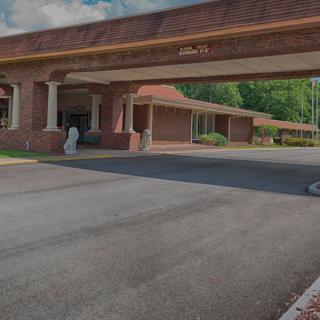
2 Windsor Place, Warren, OH 44483
For more information about senior living options: (866) 208-4318
Overall Review of Windsor House at Armstrong
Pros
 The staff are understanding and compassionate.
- The administrator calmed him down and kept him busy during the move.
- The nurses and staff provide excellent care.
- The facility keeps families informed, even during COVID.
- Calls to the facility are always answered.
- They offer FaceTime and window visits to stay connected.
- End-of-life time is honored, allowing loved ones to spend meaningful days together.
- The memory care is highly recommended for dementia or Alzheimer’s.
Review
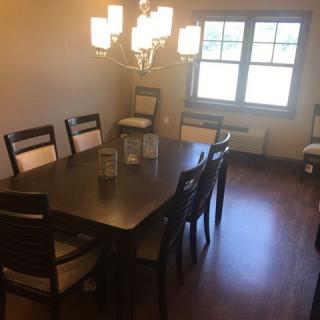
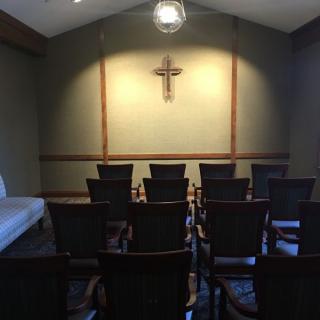
Windsor House at Armstrong in Warren, OH is best suited for families seeking focused memory-care support within a warm, home-like assisted living setting. The community consistently delivers compassionate, patient-centered care for residents with dementia or Alzheimer’s, backed by attentive nursing staff and a responsive administrator. It is particularly well-suited for families who want visible, ongoing engagement with caregivers, clear lines of communication, and a schedule that emphasizes meaningful activities, social connection, and familiar routines. For loved ones who value a setting where staff are readily available, the environment feels calm, clean, and structured to reduce distress during transitions and daily caregiving tasks.
Caregivers who lean toward alternatives should consider options if memory care is not the sole need. Those requiring broader medical oversights, more intensive skilled nursing, or services beyond dementia-focused programming may find other communities a better fit. Families looking for a non-memory-care ambiance, or for facilities with a different clinical footprint, might explore assisted living environments with less emphasis on dementia-specific programming or with varying levels of clinical support. In short, Windsor House excels at dementia care, a strength that naturally narrows suitability for residents with primary needs outside memory care.
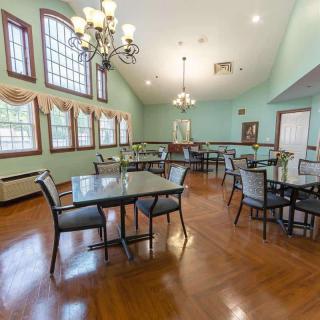
The strongest advantages lie in the staff’s consistency, empathy, and practical problem-solving. The team’s ability to calm a resident during care transitions, as described when a father was moved into memory care, speaks to a culture that prioritizes dignity and reassurance. A responsive administrator and a consistently caring nursing group cultivate trust, with families noting that questions are answered promptly and that the facility stays accessible for updates and check-ins. The memory-care program itself appears cohesive, with spacious rooms, abundant activities, and a clean, well-maintained environment that reinforces a sense of safety and normalcy.
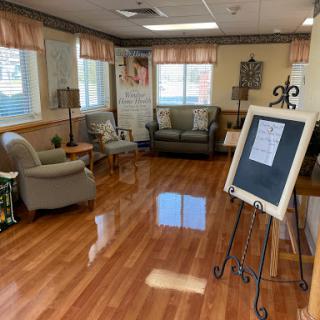
That home-away-from-home feeling is repeatedly highlighted, and it matters as much as clinical care. Residents and families alike describe the atmosphere as warm and personable, where staff go beyond routine duties to celebrate stories, reminiscence, and personal histories. The ability to maintain connections through FaceTime and window visits strengthens family involvement and reduces isolation, which is particularly valuable for memory-care residents. The combination of a well-organized daily schedule, meaningful engagement, and strong peer-like relationships among staff and residents creates stability that can offset memory-care challenges.
Still, the data set includes at least one lower rating, a reminder that no community is perfect for every family. The practical takeaway is to weigh Windsor House’s proven strengths against any specific expectations or needs that may differ from what the program emphasizes. Pros such as clean, comfortable spaces, transparent communication, and a deeply caring staff often counterbalance potential downsides, especially for families prioritizing dementia-focused care and a supportive, family-driven culture. Prospective movers should enter with clear questions about how care plans are tailored, how transitions are managed, and how daily life is structured for memory-impaired residents.
For those considering a path forward, a careful visit is essential. Plan to observe memory-care programming in action, ask about staff-to-resident ratios during peak hours, and request a look at activity calendars and meal routines. In addition, verify how end-of-life care is coordinated, what family involvement looks like on a typical day, and how communication is maintained when changes occur. If dementia care with a comforting, home-like environment and highly engaged staff is the priority, Windsor House at Armstrong stands out as a strong choice. If that exact combination isn’t required, exploring other Warren options may yield a facility with a broader medical footprint or different community dynamics.
 44 resident community capacity
 Assisted Living
 Memory Care
 Respite Care
 Beauty salon
 Cable or satellite TV
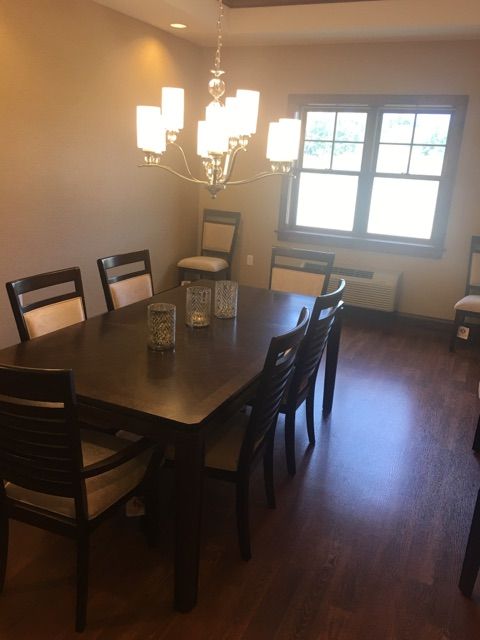
 Dining room
 Fully furnished
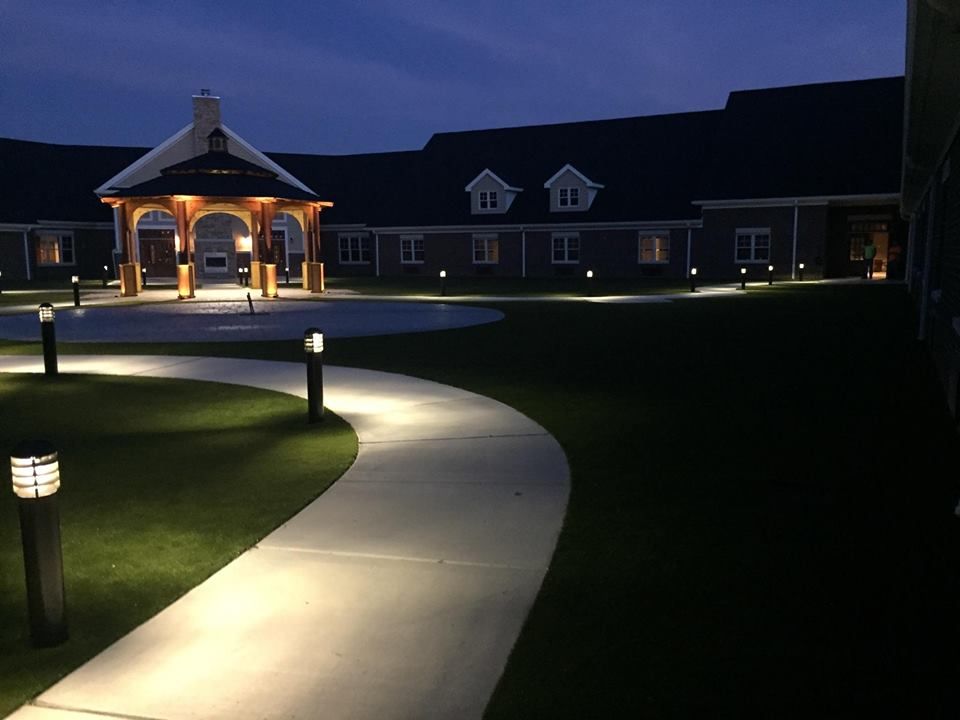
 Garden
 Housekeeping services
 Kitchenette
 Move-in coordination
 Outdoor space
 Restaurant-style dining
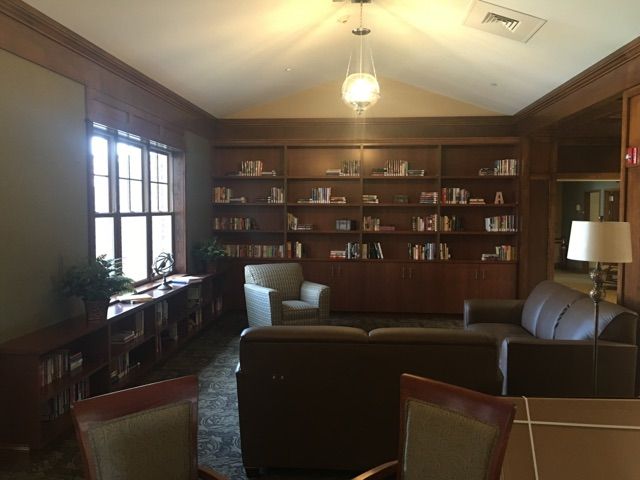
 Small library
 Telephone
 Wi-Fi/high-speed internet available
 24-hour call system
 Activities of daily living assistance
 Assistance with bathing
 Assistance with dressing
 Assistance with transfers
 Diabetes diet
 Medication management
 Mental wellness program
 Special dietary restrictions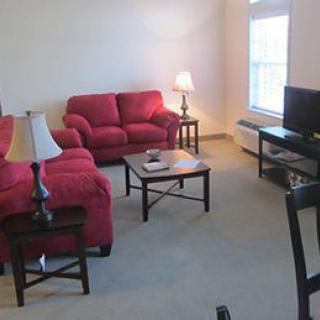



 Engaging Memory Care Activities That Enhance Quality of Life
 When to Transition from Assisted Living to Memory Care: Key Indicators, Steps, and Finding the Right Community
 Understanding the Distinctions: Assisted Living and Memory Care Explained