

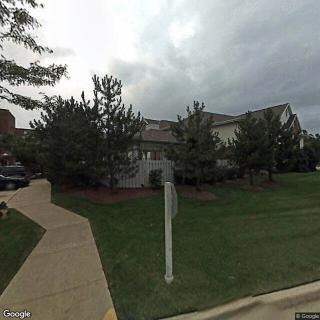
1325 N. Westhaven Rd, Toledo, OH 43615
To contact a resident: (419) 476-4341
For more information about senior living options: (866) 208-4318
Overall Review of Vickis Home Care
Pros
 Vicki's Home Care has been an awesome addition to the home in caring for their father with Alzheimer’s and Parkinson’s.
- Sue has been very loving and caring in the care she provides from her heart toward their father.
- They wouldn’t want any other home care in helping their family out.
Cons
 The reviewer described the experience with Vicki Johnson’s Home Health Care as horrible.
- The reviewer stated they encountered numerous problems after only two visits.
- The reviewer claimed that on the first scheduled visit the caregiver left an hour before the scheduled time, leaving the client in a wheelchair without anyone to take care of them.
- The reviewer alleged that on the second visit the caregiver arrived 40 minutes late and did not call to inform.
- The reviewer criticized the caregiver for sleeping in, stopping to get a Red Bull and snacks while already running late.
- The reviewer said the caregiver spent the entire time talking on her cell phone instead of attending to the client.
- The reviewer indicated they canceled future appointments and would not recommend Vicki’s Home Healthcare to anyone.
- The reviewer suggested that if a refund had been offered for the owed time or a different caregiver provided, they might have reconsidered; otherwise they would not return.
Review
Vicki’s Home Care in Toledo is best suited for families seeking in-home companionship and dementia-aware support delivered with genuine warmth. The strongest case here is not a glossy menu of services but the heart behind the care: caregivers described as loving and attentive, able to treat a loved one with Alzheimer’s or Parkinson’s with steady presence and personal concern. The narrative that surfaces from multiple accounts is of a small operation rooted in long-term relationships, where care beyond task completion matters and where the caregiver’s empathy can meaningfully ease daily life for someone navigating cognitive decline. For families who prioritize a humane, person-centered approach and can tolerate some scheduling variability, this option offers authentic value.
On the other hand, those requiring unwavering reliability should consider alternatives. The most persuasive caution comes from reports of inconsistent scheduling and missed or delayed visits. One client described a caregiver leaving an hour early and another arriving late by over a half-hour, with little or no timely communication. A separate review characterized a visit where attention to the person gave way to distractions like a cell phone, and no proactive follow-up was offered. These episodes raise legitimate concerns about predictability and supervision, factors that are non-negotiable for families relying on steady routines, safety checks, and dependable caregiver coverage.
The positive aspects are not abstract: the care experience itself can be deeply meaningful when a caregiver connects with a loved one. Caregivers who bring genuine warmth and focused attention can lift mood, reduce agitation, and support daily living tasks in ways that clinicians can rarely replace in a home setting. The business’s longevity, cited as a two-decade operation, implies a track record that can translate into continuity and familiarity, qualities that matter when a caregiver becomes a near-daily presence. Where such relational strength is present, families may see not just help with tasks but a real sense of companionship for the person receiving care.
Yet reliability concerns cut through the strongest relational bonds. The core of the negative feedback points to a pattern of lateness, abrupt early departures, and insufficient communication about schedule changes. When care days hinge on punctual arrivals and consistent caregiver assignment, even small delays ripple into missed routines, safety risks, and anxious family members. The discrepancy between a defender’s account of a solid, decade-spanning operation and what individual clients report creates a credibility gap that cannot be ignored. For families evaluating this provider, clarity about arrival windows, back-up coverage, and escalation steps is essential.
The offsetting factors are real but require careful framing. Where a caregiver’s warmth and dementia-savvy approach shines, the emotional and practical benefits can be substantial for a loved one who thrives on familiarity and personal connection. If a care plan is articulated, a dependable caregiver schedule is secured, and accountability is built into the service model, the advantages can compensate for occasional hiccups. The key is enforcing strong governance: detailed expectations, documented care plans, and transparent remedies for service gaps. Without that framework, the risk of inconsistency overwhelms the potential benefits.
Practically, families considering VHC should pursue a disciplined decision process. Prioritize a proven, structured trial period with explicit expectations: guaranteed back-up for missed visits, prompt notification for delays, and a clear policy for refunds or credits when schedules slip. Demand references focusing on reliability, and request meetings with prospective caregivers to assess fit and communication style. Insist on consistent caregiver pairing and a written care plan tailored to the loved one’s Alzheimer’s or Parkinson’s needs. If warmth and dementia-focused care are non-negotiable, VHC can deliver meaningful life quality, and if rigidity around schedules and reliability is non-negotiable, it is wise to compare alternatives that emphasize standardized staffing and punctuality.
 Board and Care Home
 Toledo Express (9 miles away)






 Comprehensive Approaches for Arthritis: A Detailed Guide to Symptoms, Causes, and Care
 Comprehensive Insights and Practical Strategies to Help Older Adults Avoid Falls
 6 Crucial Ways an Elder Law Attorney Assists Families