For more information about senior living options: (866) 208-4318
3.9 from 114 reviews
5 stars
75
4 stars
6
3 stars
5
2 stars
2
1 stars
26
Overall Review of The Briarwood
common22 reviews mention this
Staff kindness shows through
Many residents and families describe the staff as caring and welcoming.
Across multiple reviews, families say nurses, STNAs, and other departments feel kind and supportive, and that they treat residents like people they genuinely want to help. Several reviewers also mention being greeted warmly during visits and feeling confident that residents are safe and well cared for. A few reviews specifically credit staff coordination—especially around rehab and hospice communication—when families had questions or needed follow-up.
caveat18 reviews mention this
Staffing and communication concerns
A recurring concern is delays getting help, along with weak communication.
A significant number of negative reviews describe long waits for assistance, including help after call buttons, medication issues, and inconsistent follow-through on promises to coordinate care. Some families describe incidents that became emergencies, like residents left without the support they needed or times when staff response felt too slow. Even where reviewers also mention friendly staff or a clean building, they often still point back to understaffing, poor organization, and lack of timely updates as the main problem.
common14 reviews mention this
Dining is mixed
Dining quality and meal variety come up often in reviews.
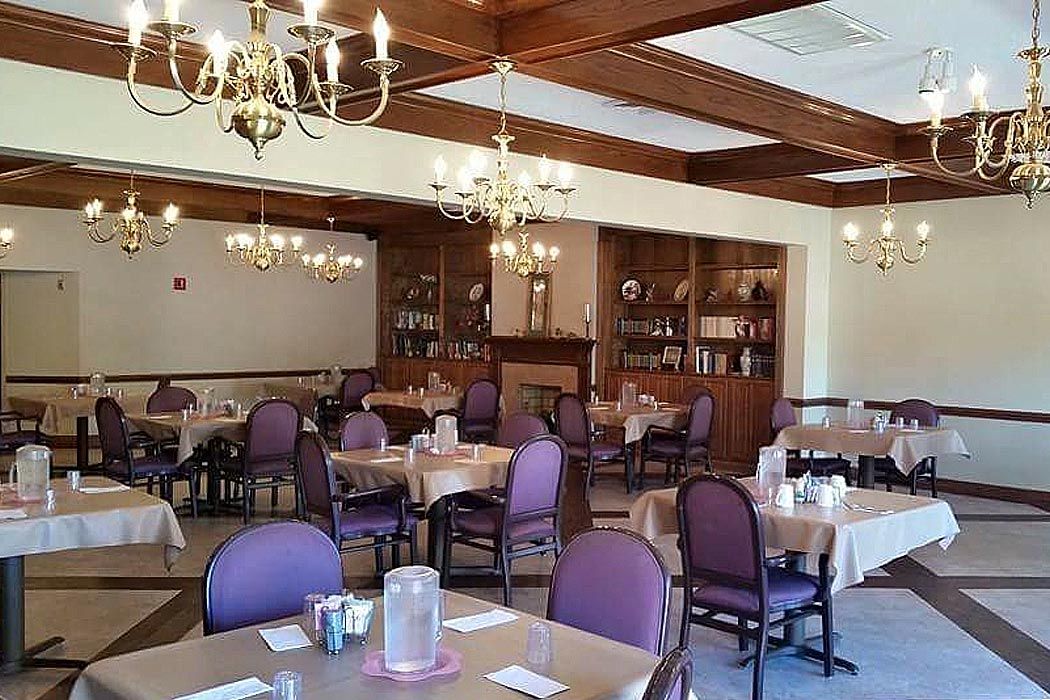
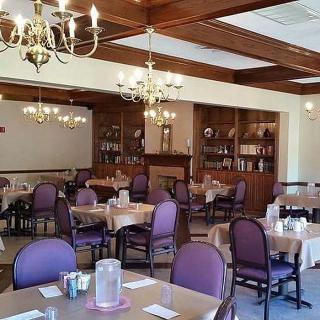
Some residents and families praise the food, saying residents like the meals and that dining staff work to please residents. Others criticize dining setup and meal quality, including complaints about portions, meal choices, and what is served. The community offers restaurant-style dining and meals provided, which aligns with why dining can feel like a strong point for some reviewers while still disappointing others.
caveat10 reviews mention this
Cleanliness varies by review
Cleanliness is an area where reviews split.
Several reviews say the building is clean, residents look well kept, and visitors do not notice unpleasant odors. Others describe conditions they consider unsanitary—dirty linens, trash left in hallways, reports of bad smells, and concerns about general upkeep. Even among more positive notes, cleanliness is not mentioned as universally as staff care, which helps explain why the overall tone still swings based on each family’s experience.
common12 reviews mention this
Activities help residents stay engaged
Residents and families frequently mention engaging activities.
Many reviews mention regular activities and social time, with some pointing to bingo, exercise programs, and resident-led or scheduled daily activities. A few reviewers also describe events that felt fun and supportive, and some say reminders help residents keep up with their activity choices. This lines up with the community offering activities on-site, community-sponsored events, and planned day trips.
How we summarize
Counts show how many written reviews mention each theme; a review can touch several themes, and only frequently mentioned themes are displayed.
Features
Housing
160 resident community capacity
Types of Care
Assisted Living
Memory Care
Skilled Nursing Facility
Amenities
Activities on-site
Air-conditioning
Beauty salon
Cable or satellite TV
Computer center
Devotional services off-site
Dining room
Fitness room
Fully furnished
Gaming room
Garden
Housekeeping services
Indoor common areas
Kitchenette
Move-in coordination
Outdoor space
Private bathrooms
Restaurant-style dining
Small library
Telephone
Wellness center
Wi-Fi/high-speed internet available
Transportation
Akron-Canton Regional (17 miles away)
Community operated transportation
Transportation arrangement
Transportation arrangement (non-medical)
Transportation to doctors appointments
Care Services
12-16 hour nursing
24-hour call system
24-hour supervision
Activities of daily living assistance
Ambulatory care
Assistance with bathing
Assistance with dressing
Assistance with transfers
Diabetes diet
Diabetic care
Meal preparation and service
Medication management
Mental wellness program
Mild cognitive impairment
Special dietary restrictions
Specialized memory care programming
Dining
Diabetes diet
Meals provided
Special dietary restrictions
Activities
Activities on-site
Community-sponsored activities
Concierge services
Devotional activities offsite
Fitness programs
Planned day trips
Resident-run activities
Scheduled daily activities
Nearby Places of Interest
Restaurants
Thai Gourmet (0.5 miles)
Beef 'o' Brady's (0.6 miles)
Missing Mountain Brewing (1.6 miles)
Panini's Bar and Grill (1.8 miles)
McDonald's (1.9 miles)
Taco Bell (2.2 miles)
Handel's Homemade Ice Cream & Yogurt (2.4 miles)
Physicians
Person Centered Therapies (0.6 miles)
Meyer Laura Dr Unity Health Network Stow (1.5 miles)
Nikita Hegde, MD (1.7 miles)
Davis Eye Center (1.8 miles)
Ohio ENT & Allergy (1.9 miles)
Akron General Arthritis And Rheumatolgy (1.9 miles)
The variety of services offered at The Briarwood plays a crucial role in enhancing the quality of life for residents with dementia or Alzheimer's disease. Assistance with dressing, bathing, and transfers ensures that individuals can maintain personal hygiene and dignity, while support with activities of daily living allows them to engage more fully in their routines. Medication management is vital for adhering to health regimens that support overall well-being, and meal preparation and service provide nutrition tailored to individual dietary needs. 24-hour supervision guarantees a safe environment, minimizing the risk of accidents or wandering--common concerns for those living with cognitive impairments. Additionally, programs focused on mental wellness and specialized memory care programming help stimulate cognitive function and provide meaningful engagement, which is essential in addressing both mild cognitive impairment and advanced dementia stages. Each feature contributes to a holistic approach that respects the unique challenges faced by these residents while promoting their independence and comfort.
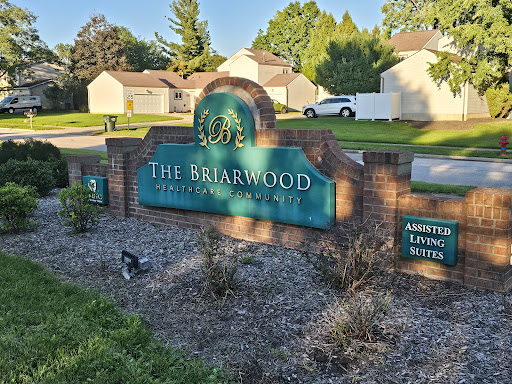
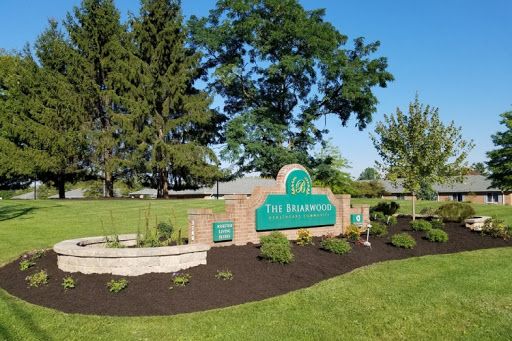
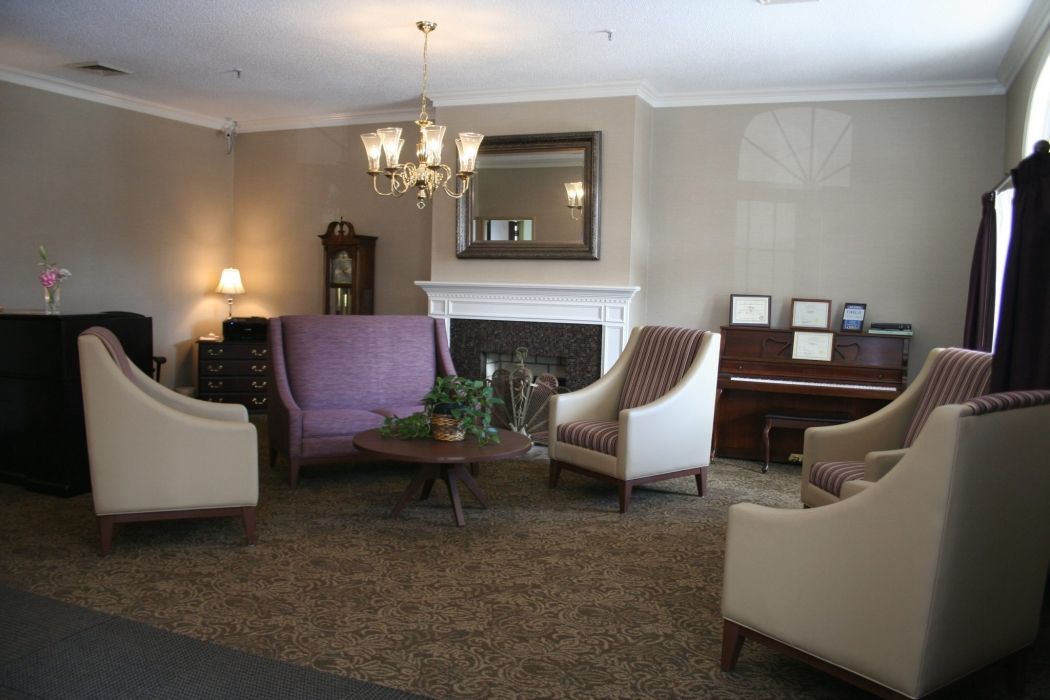
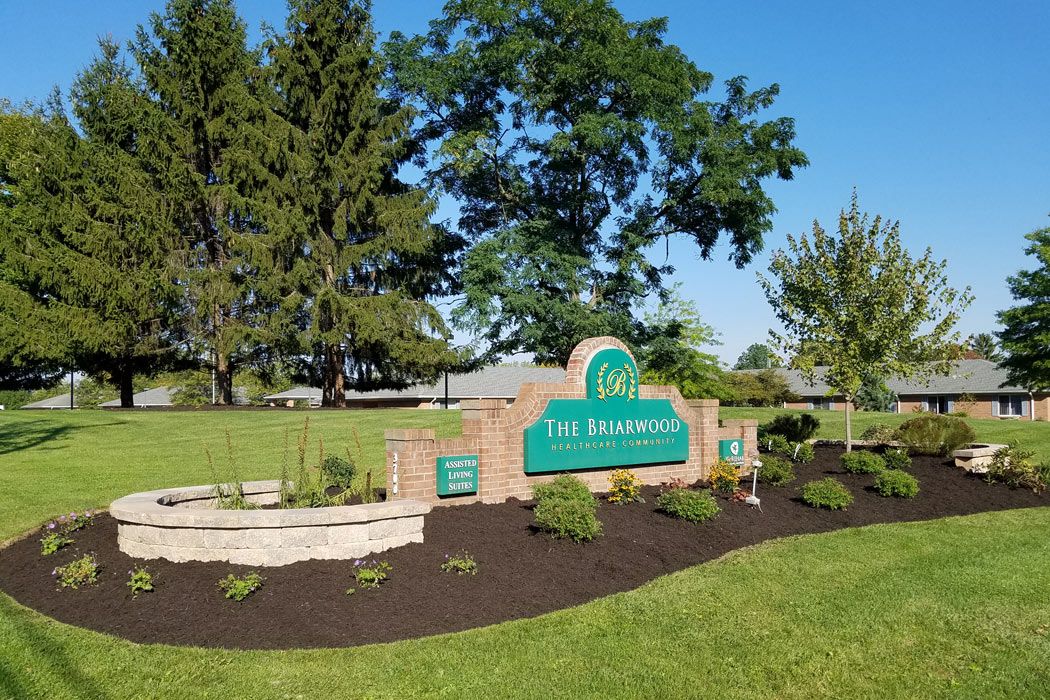
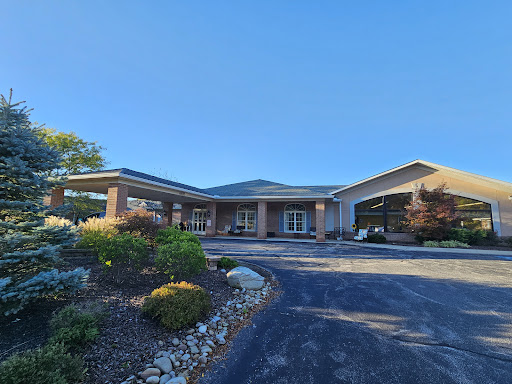
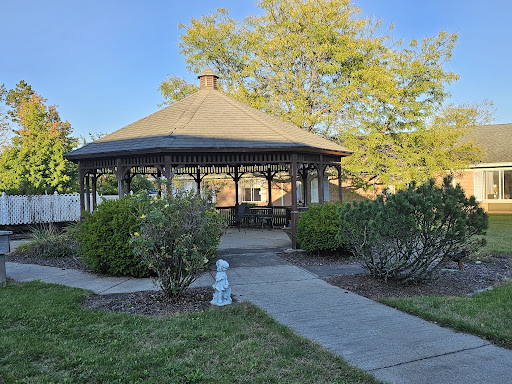
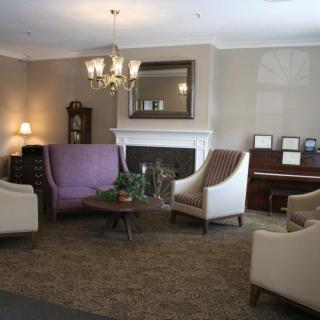
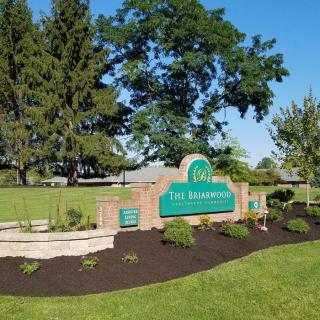
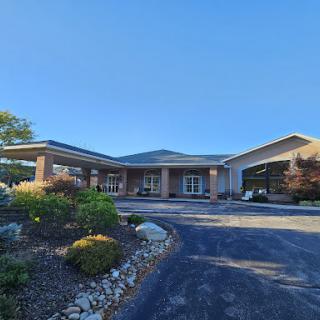
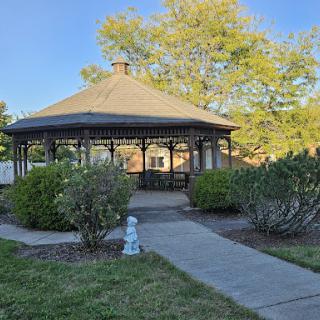
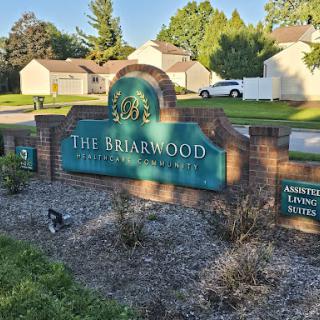
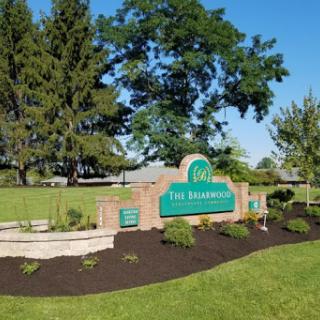
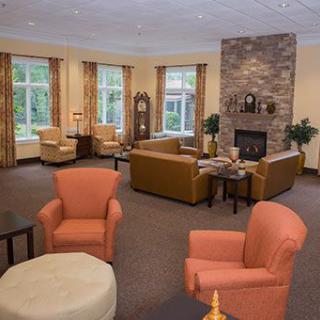
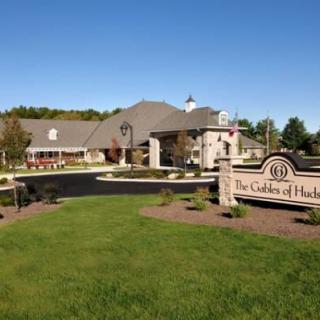
The Briarwood on seniors.fyi includes 7 photos including images showing landscaping, trees, outdoors, dining, architecture, outdoor, interior, chandelier, and more.
Nearby Communities
Vitalia Senior Residences of Stow
Stow, OH
4.7 from 100 reviews
$3,435 to $4,370 / month
Caring staff in a welcoming community with varied dining and well-maintained facilities.
Vitalia Stow
Stow, OH
4.7 from 90 reviews
Beautiful, modern, clean facility with friendly staff and engaging activities.
Altercare Of Cuyahoga Falls Ctr For Rehab & Nursin
Cuyahoga Falls, OH
3.5 from 82 reviews
Extensive amenities and comprehensive care services.
Arbors At Stow
Stow, OH
3.9 from 87 reviews
Extensive amenities and care services (dining, beauty salon, fitness, transportation, wellness, library).
Cherry Creek Acres
Stow, OH
Well-appointed board-and-care with furnished living spaces, meals, 24/7 supervision, and comprehensive daily support.
The Landing of Stow
Stow, OH
4.4 from 134 reviews
$3,400 to $4,600 / month
Strong staff engagement, exceptional dining, and a wide range of on-site activities and amenities.
Cardinal Retirement Village
Cuyahoga Falls, OH
4.5 from 96 reviews
$1,925 to $3,440 / month
Friendly staff and an active community with affordable pricing.
Hudson Grande Senior Living
Hudson, OH
4.5 from 138 reviews
$1,595 to $5,740 / month
Friendly, attentive staff with engaging activities in a clean, comfortable environment.
Portage Trail Village
Cuyahoga Falls, OH
3.2 from 29 reviews
Longstanding history with potential for resident friendships.
The guide outlines the complexities of Medicaid coverage for assisted living, highlighting significant state-to-state variations, limited coverage often restricted to personal care services, and the existence of specialized waivers for certain needs like memory care. It advises families to consult local Medicaid offices for options while emphasizing the importance of understanding state-specific regulations and facility policies.
Medicaid coverage for assisted living varies by state and is primarily available to low-income individuals, with eligibility dependent on strict income and asset limits. Some states offer HCBS waivers for specific services in assisted living, but families must generally cover room and board costs, and should verify facility acceptance of Medicaid while considering potential waiting lists.
Medicaid waivers for assisted living services provide vital support for seniors and individuals with disabilities in need of long-term care, with varying state-specific eligibility criteria and benefits. These waivers cover personal care and case management but often do not fully cover room and board, leading to waiting lists for many applicants.
Get PricingAsk A QuestionSchedule A TourContact Senior Advisor
By clicking submit, you agree to our Partner's Terms of Use. You
also consent to receive calls and texts, which may be autodialed, from our Partner. Your consent is not a condition to
using our Partner's service. Please visit our Partner's Privacy Policy for information about their privacy practices.

 160 resident community capacity
 Assisted Living
 Memory Care
 Skilled Nursing Facility
 Activities on-site
 Air-conditioning
 Beauty salon
 Cable or satellite TV
 Computer center
 Devotional services off-site
 Dining room
 Fitness room
 Fully furnished
 Gaming room
 Garden
 Housekeeping services
 Indoor common areas
 Kitchenette
 Move-in coordination
 Outdoor space
 Private bathrooms
 Restaurant-style dining
 Small library
 Telephone
 Wellness center
 Wi-Fi/high-speed internet available
 Akron-Canton Regional (17 miles away)
 Community operated transportation
 12-16 hour nursing
 24-hour call system
 Ambulatory care
 Assistance with bathing
 Assistance with dressing
 Assistance with transfers
 Diabetes diet
 Diabetic care
 Medication management
 Mental wellness program
 Special dietary restrictions
 Concierge services
 Planned day trips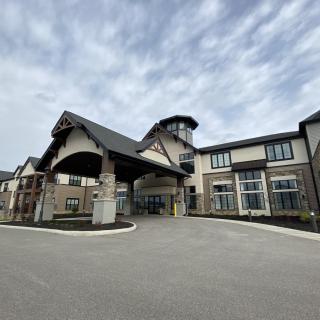
 Caring staff in a welcoming community with varied dining and well-maintained facilities.




 Understanding Medicaid Coverage for Assisted Living: A Comprehensive Guide
 How and When Medicaid May Cover Assisted Living Costs
 A Detailed Exploration of Assisted Living Medicaid Waivers Across the United States