
33164 Childrens Home Rd, Pomeroy, OH 45769
To contact a resident: (740) 992-5023
For more information about senior living options: (866) 208-4318
Overall Review of Brenda's Adult Group Home
Pros
 Darst is described as feeling more like family than a nursing home.
- The staff at Darst are very friendly and treat residents as if they were their own family members.
- The facility at Darst is spotless, well organized, and free of a terrible smell.
- Residents at Darst receive home-cooked meals and highly personalized care.
- The staff at Darst are loving, dedicated, and seem to have a calling to care for people.
- Families feel they can trust Darst completely and find it worth the money.
Cons
 There was a nursing home smell at the facility.
- The sister who worked there was not treated very well.
- There is a very high turnover rate, and employees are not treated well.
Review
Brenda's Adult Group Home in Pomeroy, OH is best suited for families seeking a small, home-like setting where a senior can receive attentive daily support and be cared for with genuine warmth. This community excels for residents who value personal connections, consistent routines, and meals prepared with care in a clean, organized environment. It is especially appropriate for those who want end-of-life or comfort-focused care delivered with a caregiver’s touch, rather than a clinical, hospital-like atmosphere. Families weighing options for someone who does not require intensive hospital-level medical intervention will likely find the fit strong; those needing robust 24/7 clinical oversight or memory-care specialization should consider alternatives with more formal medical programming.
The strongest, most durable positives center on the human element. Reviewers repeatedly describe a family-like culture where staff treat residents as if they were their own relatives, showing patience, respect, and genuine kindness across shifts. The environment is portrayed as meticulously clean and orderly, with a notable absence of harsh odors that often accompany larger facilities. Residents receive home-cooked meals and highly individualized attention, with an overarching sense that care is tailored and practiced with heartfelt commitment. For families prioritizing trust, warmth, and daily reassurance that a loved one is valued, these factors are compelling and repeatedly cited as the primary rationale for choosing this setting.
There are, however, meaningful caveats to weigh. One review raises concerns about staff turnover, suggesting that changes in personnel can affect consistency and familiarity. While the day-to-day care is described as exceptional, this point signals potential variability in the longer-term experience if turnover remains high. A separate account notes limited interaction with employees at times, which can leave families uncertain about who is overseeing care on a given day. Together, these notes imply that consistency and visibility of the caregiving team are legitimate questions to address in a tour and post-visit follow-up.
Despite these caveats, the positives substantially offset the drawbacks for many families. The core ethos, a facility that operates like a close-knit household, where residents are treated with dignity and affection, tends to mute concerns about occasional turnover. Cleanliness and a home-kitchen style of meals reinforce a day-to-day reality that many seniors and their families find personally reassuring. The possibility of forming enduring, trusting relationships with staff can outweigh the uncertainty suggested by staffing changes, particularly when the resident’s well-being grows from such intimate, consistent attention.
That said, alternatives deserve serious consideration for households with specific priorities. If a resident needs stronger memory-care programming, more structured social calendars, or a broader slate of on-site clinical services, larger assisted living communities or specialized memory-care facilities may be better suited. For families who value long-term staffing stability as a priority and want a more predictable care team across months and years, researching retention statistics and touring facilities with documented staff continuity becomes essential. The Brenda’s setting is compelling for warmth-first care, but the decision should hinge on whether clinical depth and staffing predictability are non-negotiable needs.
Practical steps for evaluating Brenda's include arranging a personal visit, observing how staff interact with multiple residents during mealtimes and activities, and asking direct questions about staff-to-resident ratios, shift coverage, and how care plans are developed and updated. Clarify what “home-like” means in practice, room arrangements, privacy options, visiting policies, daily schedules, and how social engagement is organized. Verify the cost structure and what is included versus add-ons, ensuring alignment with financial expectations and care requirements. When the fit is right, this community delivers a remarkable blend of compassion, cleanliness, and individualized attention that can rival larger facilities, with the prudent caveat of confirming staffing stability and long-term consistency before making a final commitment.
 Board and Care Home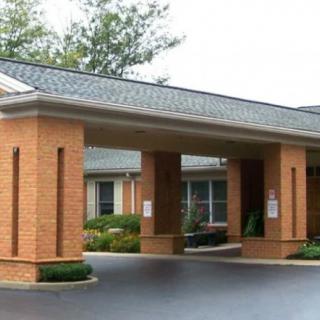



 Comprehensive Guide to Qualifying for Home Health Care Services
 Powerful Realities of Elder Abuse and the Most Effective Ways to Report It
 Ten Vital Duties of a Senior Caregiver: A Comprehensive Guide