
640 Sand Hill Road, Point Pleasant, WV 25550
For more information about senior living options: (866) 208-4318
Overall Review of Pleasant Valley Nursing And Rehabilitation Center
Pros
 They are very pleased with the therapy unit.
- The staff are always pleasant, hardworking, and very helpful with any questions.
- They are very caring.
- They highly recommend this facility.
- Free parking is available.
- It is a great place to go if you need rehab.
- It offers an excellent rehab experience.
- The staff are nice and respectable people.
Cons
 None found.
Review
Pleasant Valley Nursing And Rehabilitation Center in Point Pleasant is best suited for seniors and families who prioritize a strong, therapy-focused recovery track after surgery or an illness, with dependable, responsive staff supporting every step of the process. The therapy unit stands out in anecdotal reports as the backbone of care: therapists described as pleasant, hard-working, and readily available to address questions, which translates into a hands-on, progress-driven rehabilitation experience. For families seeking a practical, goal-oriented path back to independence, this community offers a credible, well-structured option where progress is visible and the care team actively facilitates that progress.
Those weighing alternatives should note the reviews reveal a clear rehab emphasis without substantial detail on long-term living, social programming beyond therapy, or comprehensive medical oversight for extended stays. The small sample size, eight reviews, means caution is warranted in assuming the breadth of experiences across all resident needs. For anyone whose priorities extend beyond rehabilitation, such as memory care, intensive chronic medical management, or a broader continuum of care on a single campus, other options may feel more complete. In short, this is a strong choice for post-acute recovery, but not a universal fit for every long-term scenario.
The core strengths here, most notably the rehab capability and the consistently positive staff demeanor, materially offset potential concerns for families focused on recovery outcomes. A standout therapy unit coupled with a reputation for pleasant, helpful staff creates a dependable environment for regaining function after a setback. The ability to ask questions and receive clear guidance from caregivers reduces uncertainty for families navigating the transition from hospital to home. Additionally, the practical perk of free parking removes a recurring logistical irritant, making visits easier and more predictable during the critical rehab window.
Equally important is the interpersonal climate suggested by the reports: “Nice Staff All Around nice respectable people” hints at a respectful, supportive culture that can ease anxiety for both residents and family members. When recovery hinges on consistent therapy sessions and confidence in the team’s competence, this kind of atmosphere becomes a meaningful determinant of day-to-day satisfaction. If the aim is to minimize friction and maximize the likelihood of steady improvement, Pleasant Valley appears to deliver in a way that aligns with pragmatic family expectations: accessible staff, clear communication, and a humane, encouraging milieu.
The absence of explicit drawbacks in the reviews should be interpreted with practical caution. A lack of negative feedback does not prove perfection, especially given the limited number of observations. The real test for prospective residents remains whether the facility sustains high-caliber rehab services over time and whether it accommodates longer stays if needed. Potential residents should verify the scope of medical oversight, the availability of occupational and physical therapy beyond the core program, and how discharge planning is handled. If any of these facets appear underdeveloped, the strong rehab focus may still be a compelling offset, but only if expectations are aligned.
In the final assessment, Pleasant Valley Nursing And Rehabilitation Center serves as a well-suited option for short-term or post-acute rehab in which the priority is effective therapy, responsive staff, and a straightforward, cost-conscious visit pattern. It is less clearly positioned for families seeking long-term memory care, intensive medical management, or a broad spectrum of on-site care options. Families considering alternatives should compare campuses that offer a wider continuum of care, verify current therapy schedules, and tour with questions about dining, activity programming, and family communication. For those anchored by rehab outcomes and a respectful, accessible culture, Pleasant Valley stands out as a disciplined, credible choice worth pursuing.
 100 resident community capacity
 Skilled Nursing Facility
 Air-conditioning
 Beauty salon
 Cable or satellite TV
 Computer center
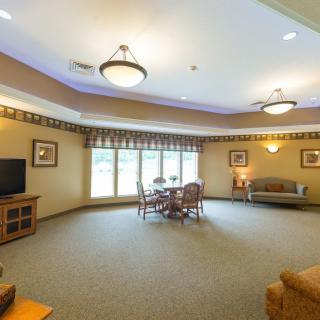
 Dining room
 Fitness room
 Fully furnished
 Gaming room
 Garden
 Housekeeping services
 Kitchenette
 Move-in coordination
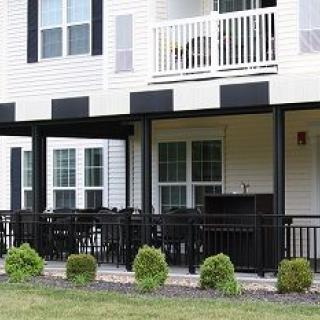
 Outdoor space
 Private bathrooms
 Restaurant-style dining
 Small library
 Telephone
 Wellness center
 Wi-Fi/high-speed internet available
 Community operated transportation
 12-16 hour nursing
 24-hour call system
 Activities of daily living assistance
 Assistance with bathing
 Assistance with dressing
 Assistance with transfers
 Diabetes diet
 Medication management
 Mental wellness program
 Special dietary restrictions
 Concierge services
 Planned day trips

 Managing Nursing Home Expenses After Medicare Coverage Ends
 Is a Geriatric Care Manager the Right Choice for Your Family?
 Compassionate Conversations: How to Comfort Someone Who Is Grieving