


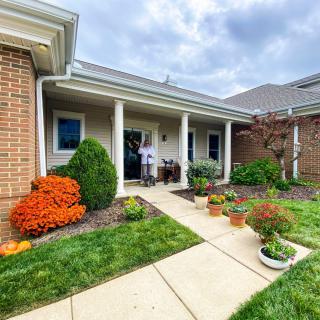
6727 Contreras Rd, Oxford, OH 45056
To contact a resident: (513) 524-7990
For more information about senior living options: (866) 208-4318
The Knolls of Oxford, a CCRC Costs & Pricing
The Knolls of Oxford, a Continuing Care Retirement Community (CCRC), offers a range of accommodations with monthly costs that reflect its comprehensive services and amenities. For those seeking a one-bedroom option, the price is set at $6,744, significantly higher than the average of $4,688 in Preble County and $3,712 across Ohio. The studio apartments are priced at $10,500 per month, which again surpasses the local and state averages of $5,338 and $3,727 respectively. While these figures may seem elevated compared to surrounding areas, they encompass not only comfortable living spaces but also a wealth of support services tailored for residents' diverse needs.
| Floor plans | The Knolls of Oxford, a CCRC | Preble County | Ohio |
|---|---|---|---|
| 1 Bedroom | $6,744 | $4,688 | $3,712 |
| Studio | $10,500 | $5,338 | $3,727 |
Memory care communities with a similar price nearby
-
from -$744 / mo
Close to Home
$6,000 / month21.9 miles away -
from -$624 / mo
Doverwood Village
$6,120 / month18.4 miles away -
from -$744 / mo
Personal Senior Care Homes - Senour
$6,000 to $7,000 / month21.3 miles away -
from -$744 / mo
Personal Senior Care Homes - Birkdale
$6,000 to $7,000 / month21.6 miles away -
from -$1104 / mo

Tri-County Extended Care Center
$5,640 to $6,360 / month17.8 miles away
Overall Review of The Knolls of Oxford, a CCRC
Pros
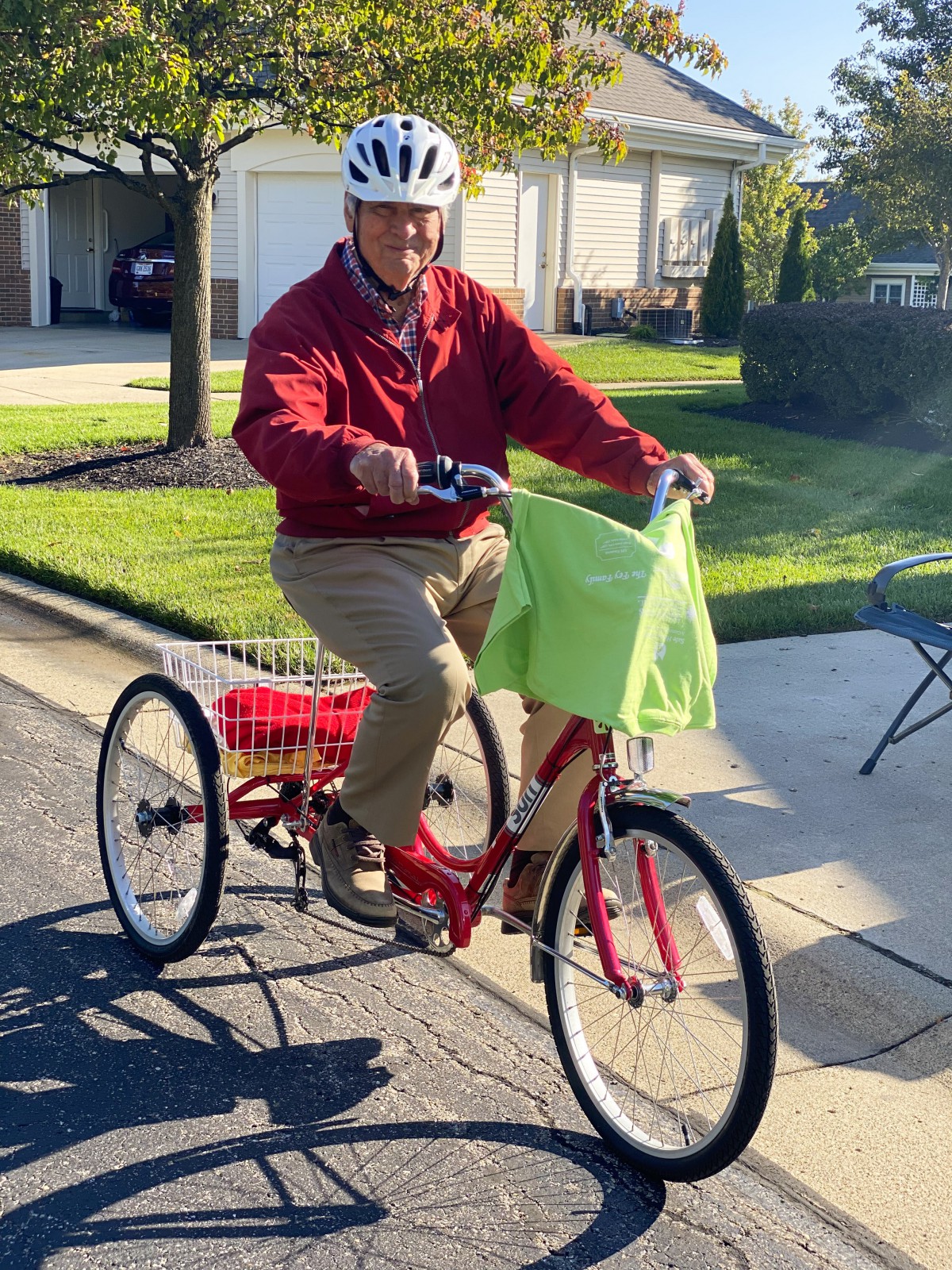
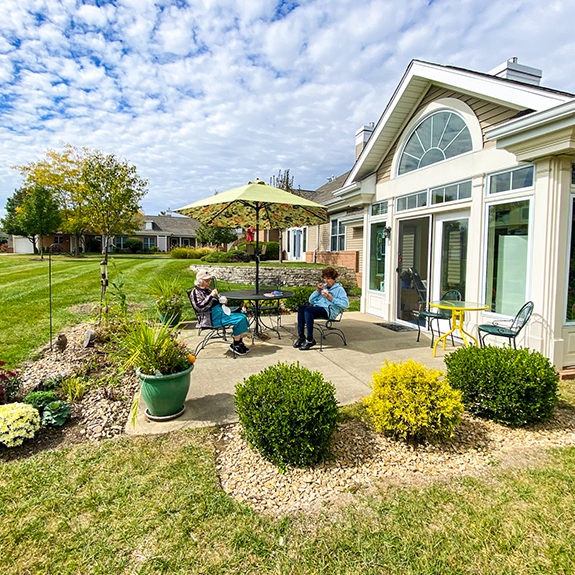
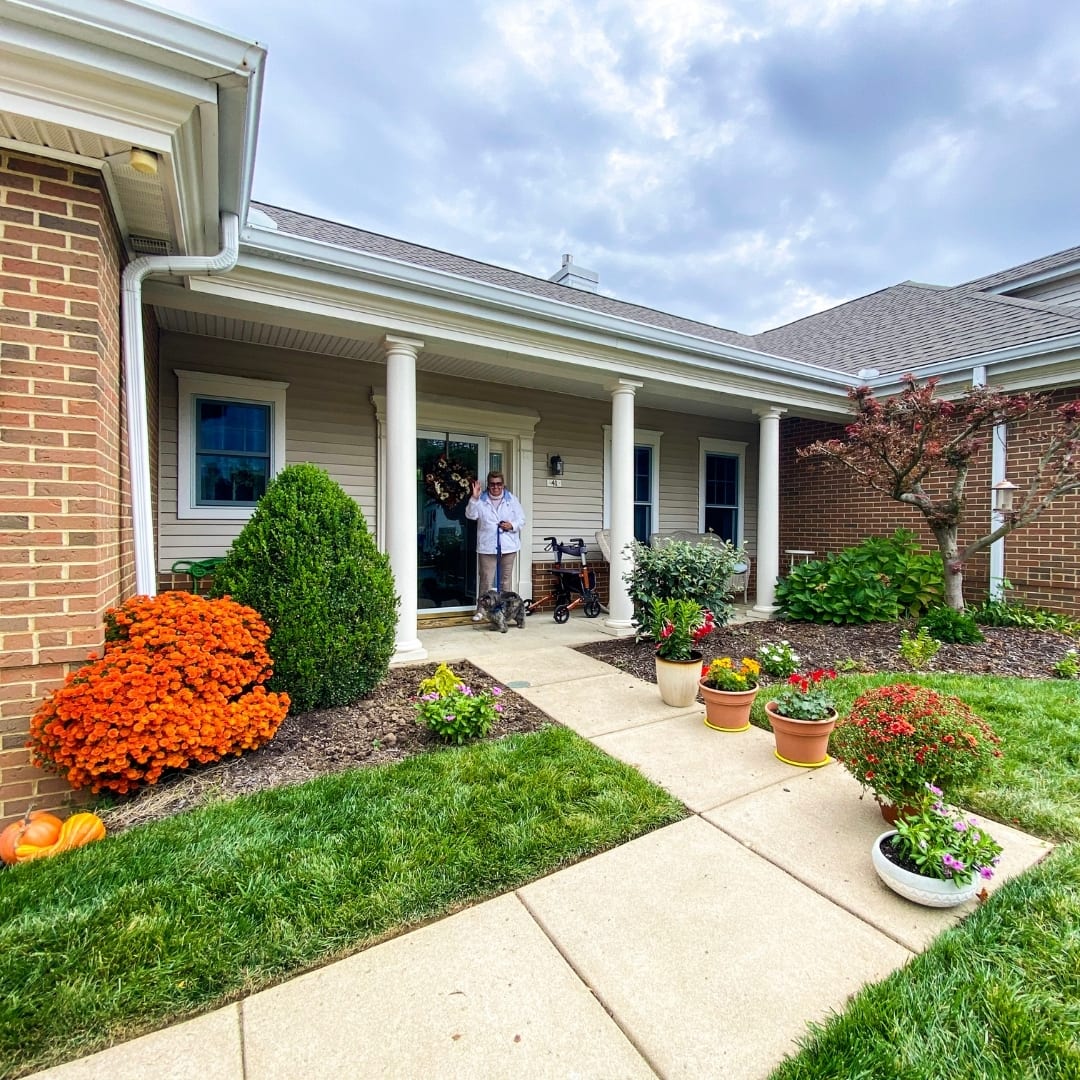
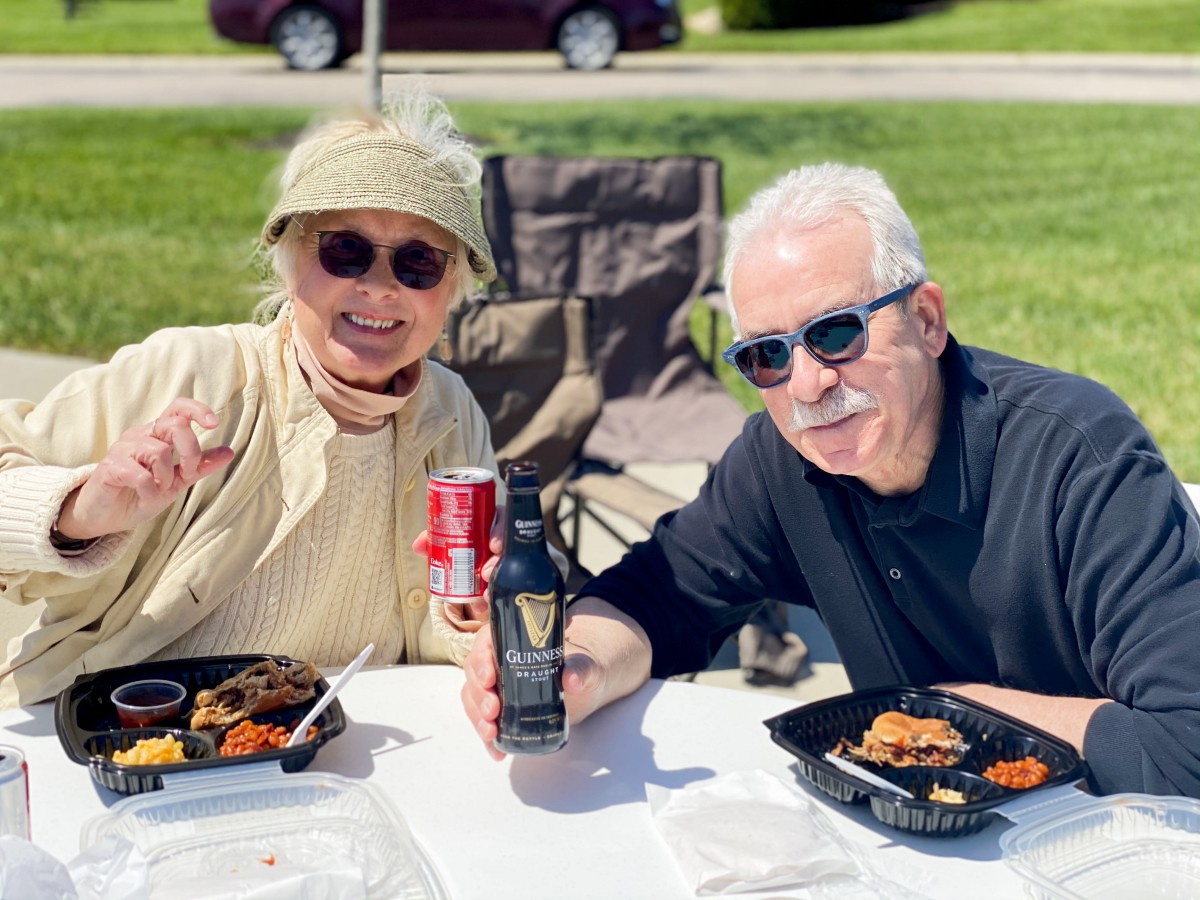
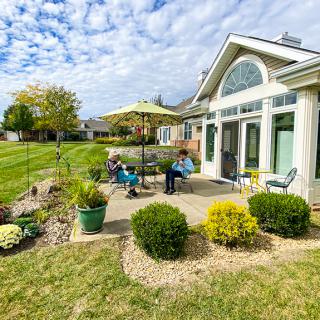
 It is a beautiful, peaceful place.
- There is wonderful care and great staff.
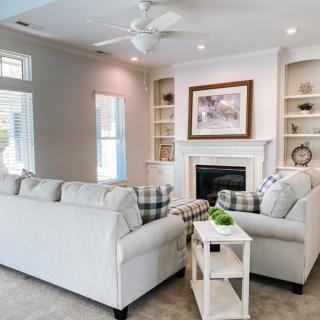
- The facilities are great.
Cons
 They had a horrible work experience.
- They would never go there again.
- Usha was horrible to them, a real snot.
Review
The Knolls of Oxford is best suited for active seniors who want a true aging‑in‑place pathway on a single campus. As a Continuing Care Retirement Community, it promises independent living with ready access to assisted living and other care levels should needs evolve. In Oxford, Ohio, the setting is calm, landscaped, and comfortable, with a campus designed to support daily routines, social engagement, and predictable security. Families seeking stability, on-site care, and the ability to stay put as health requirements change will find this community appealing. It delivers a practical continuum of care that reduces the stress and disruption of relocations.
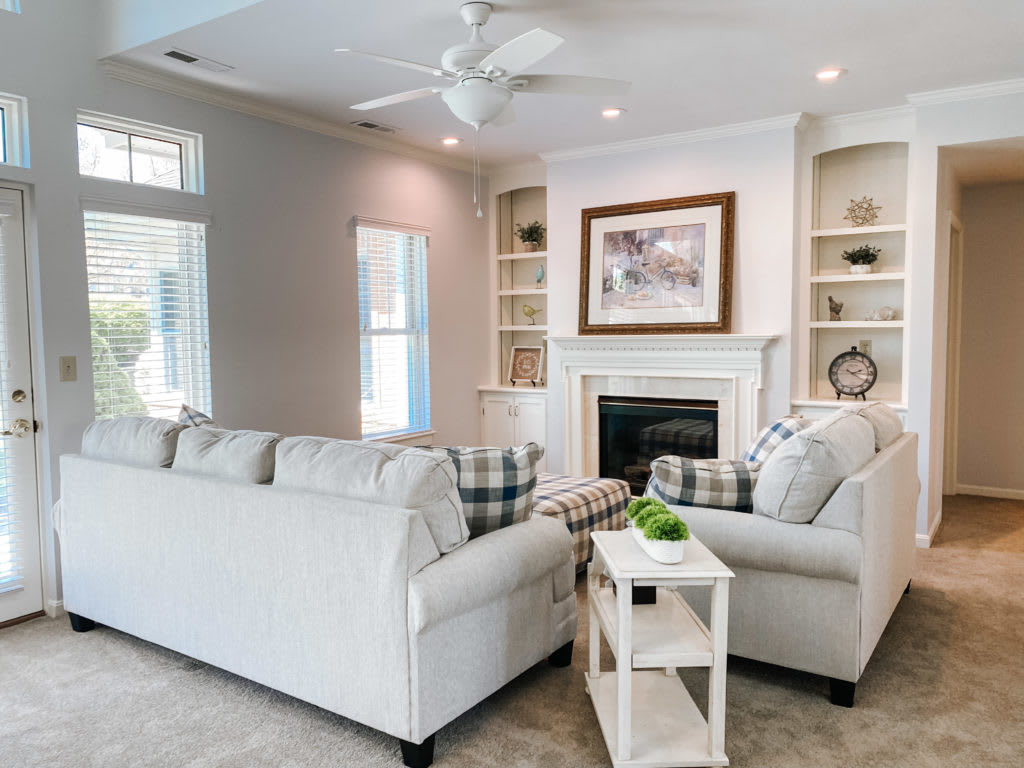
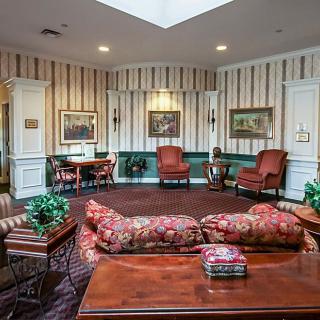
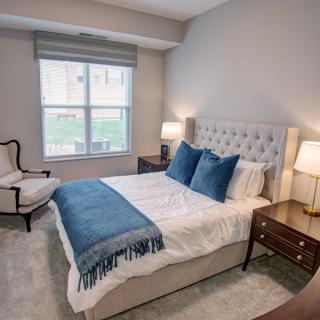
The strongest calling card is the environment. The grounds are beautiful and peaceful, and the facilities feel contemporary without tipping into clinical coldness. Public and private spaces are arranged to encourage comfort and easy navigation, which matters for daily life and social participation. On the care side, reviewers consistently point to wonderful care and great staff, a combination that signals reliable assistance, timely responses, and a sense of being looked after. For those who prioritize a balance of autonomy and safety, these elements create a compelling, low‑friction living experience.
Yet a single, more pointed critique does surface: a former employee described a horrible work experience and named a staff member as difficult. That perspective is not resident-focused, but it does raise questions about internal culture, supervision, and how staff dynamics are managed behind the scenes. For families evaluating the Knolls, it is prudent to ask about staff training, supervision structures, turnover, and formal channels for reporting concerns. The overall rating, 4.2 from six reviews with four five‑star and one low rating, suggests broad satisfaction, but the isolated negative note should prompt deeper probing rather than dismissal.
That said, the positives carry substantial weight. The peaceful setting, robust facilities, and especially the consistently praised care and staff help offset the concern about internal culture. For aging‑in‑place goals, the campus’ continuum of care is a major asset: residents can transition from independent living to assistance on site without relocating to a separate community. The layout and scale tend to support meaningful social interaction while still preserving privacy and personal control, aspects that frequently determine whether families feel confident about a long‑term plan. In practice, the resident experience tends to outweigh the caution raised by one internal‑culture perspective.
For those weighing alternatives, two caveats are worth considering. If staff culture, consistency, or cost transparency are paramount, exploring smaller, residential‑style assisted living options or other CCRCs with longer track records of stable staffing may be wise. If memory care or dementia support is a primary need, verify whether there is a dedicated unit and what staffing levels look like there. For families who prefer staying at home with visiting care or who want more predictable fee structures, market options outside CCRCs should be part of the comparison. The Knolls makes sense for many, but the right choice depends on how critical these factors are in the decision.
Bottom line: The Knolls of Oxford stands out as a practical, solid option for families seeking a dependable continuum on a peaceful campus with strong care and appealing facilities. It is especially suitable for those who value aging in place, reliable staffing, and a tranquil environment that supports social life and independence. Prospective buyers should schedule comprehensive tours, request current care plans, and obtain a clear, itemized cost breakdown to understand inclusions. Ask how staff training and conflict resolution operate in practice to gauge the culture behind the care. If these elements align, the Knolls represents a well‑advised path; if not, consider alternatives that better fit the desired staffing culture and budget.
 Assisted Living
 Independent Living
 Memory Care
 Cats allowed
 Dogs allowed
 Activities off-site
 Bath tubs
 Beautician on-site
 Devotional services off-site
 Indoor common areas
 Outdoor common areas
 Respite or short term stays offered
 Wheelchair accessible showers
 Diabetic care
 Incontinence care
 Meals provided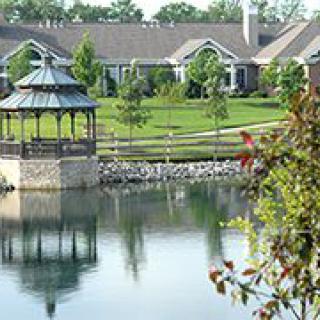



 A Holistic Dementia Care Guide: Effective Strategies for Memory Support
 Memory Care Pathways: A Holistic Guide to Dementia Support
 Comprehending Evening Confusion in Dementia: Causes, Manifestations, and Support