
2200 Milton Boulevard, Newton Falls, OH 44444
For more information about senior living options: (866) 208-4318
Overall Review of The Allan Dell
Pros
 The staff were kind and respectful to residents and visiting family and were always available to answer questions.
- The management staff were super helpful and went above and beyond to assist with a safe discharge home.
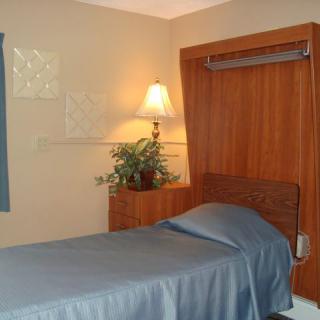
- The private rehab rooms were clean and spacious.
- Mealtimes smelled wonderful.
- The Director of Nursing greeted visitors with a happy, welcoming smile and gave a tour of the facility.
- The facility was very clean and odor-free, and it smelled of home-cooked food.
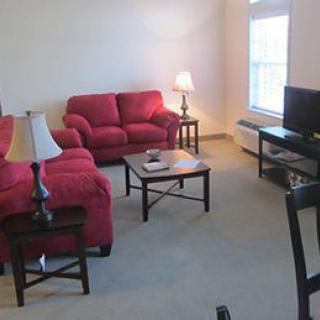
- The assisted living apartments were beautiful and very well kept.
- They would recommend Laurie Ann to family and friends.
- They were thrilled with the care their grandmother received.
Cons
 The patient sometimes had to wait a long time for the call light to be answered.
- He fell at the facility after Ativan was increased to keep him quiet, which worsened his confusion.
- Upon returning home, he developed a red, patchy, and scaly facial rash requiring antifungal and antibiotic treatment, and they were never notified.
- The facility did not send home his personal walker.
- Attempts to contact the nurse on his wing were futile, as she could not be found.
- The facility was nasty, smelly, and understaffed, with only 50 beds.
- Residents were left in wheelchairs all day with no assistance and little visual stimulation.
- They would not recommend this facility to anyone.
Review
The Allan Dell in Newton Falls, OH is best suited for seniors who are leaving a hospital and need a focused short-term rehabilitation stay with clean, private spaces and a team that is willing to engage with families on discharge planning. When the priority is a smooth transition home, and protection of a loved one through attentive, courteous contacts with staff and management, this community can deliver. The clearest strengths lie in the rehab environment: private rooms that feel clean and spacious, staff who are kind and available to answer questions, and management that actively helps coordinate a safe discharge. Those elements make a real difference for families navigating a tricky post-hospital plan, especially when the clock is ticking toward a return home.
However, potential residents and their families should explicitly consider alternatives if the longer-term realities of care are a primary concern. The Allan Dell is less compelling for someone who requires unwavering, 24/7 nursing attention, consistently rapid call-light responses, or a robust daily activity program. Some families report difficulty reaching nurses, delays in assistance, and gaps in communication that undermine confidence in ongoing safety and daily quality of life. For anyone prioritizing strong medication oversight, predictable behavioral management, and comprehensive, continuous staffing, other communities may offer a more reliable baseline. In short, this facility can work well for short rehab stays, but it is not the best fit for residents whose needs extend beyond discharge planning and occasional bedside assistance.
The most persuasive positives, clean, private rehab spaces, genuinely caring staff, and a management team that goes “above and beyond” to facilitate a safe transfer home, often align with a successful short-stay experience. Those factors can offset certain inconveniences when the goal is to rebuild strength, regain independence, and return to familiar routines. Yet the same reviews that praise the discharge process also reveal troubling inconsistencies: a patient who experienced a medication adjustment intended to keep him quiet became drowsy and confused, without clear communication about what changed or why. Another case involved a missed walker and limited real-time nursing availability. These contrasts underscore a critical point: the private rehab environment and courteous staffing do not automatically translate into dependable, day-in, day-out safety and nursing cohesion.
From a practical decision-making standpoint, families should probe specific operational questions before choosing. Ask for recent staffing ratios on the wings or units where the loved one will stay, and request a clearly defined point person, a consistent nurse or case manager who will coordinate therapy and medical updates. Inquire about call-light responsiveness, weekly therapy schedules, and whether weekends receive the same rehabilitation coverage as weekdays. Confirm the facility’s process for medication changes and how family members are notified of any adjustments. And, if the plan includes bringing personal mobility aids, verify policies on returning equipment and ensuring it remains accessible at all times. A candid pre-admission conversation can reveal whether real-time responsiveness and collaborative care match the advertised strengths.
The review landscape here is mixed enough to counsel caution. A 2.8 overall rating, drawn from a small pool of reviews with two five-star experiences and several strongly negative ones, signals that outcomes are highly variable. When experiences skew positive, they tend to hinge on proactive discharge planning and personable staff. When they skew negative, they illuminate gaps in nursing coordination, call-light uptime, and medication management, issues that can have serious consequences for short or long-term safety. This breadth of experience means the Allan Dell may deliver a solid rehab-and-discharge cycle for some residents while falling short for others who require consistent nursing oversight and a consistently engaging daily routine.
In the end, the Allan Dell offers a legitimate pathway for a short rehabilitation stay with an emphasis on getting residents safely home and providing families with responsive management leadership. For families prioritizing a seamless, highly staffed, and activity-rich long-term environment, it is prudent to look elsewhere. The community can be a fit for those who value the rehab focus, the perceived warmth of the staff, and a strong discharge plan, provided due diligence is performed about staffing reliability, med-management practices, and real-time caregiving responsiveness. The prudent course is to compare with alternatives that demonstrate steadier nursing coverage, clearer communication pipelines, and ongoing daily engagement, especially for loved ones who will require extended care beyond a brief recovery period.
 36 resident community capacity
 Assisted Living
 Skilled Nursing Facility
 Beauty salon
 Cable or satellite TV
 Dining room
 Fully furnished
 Garden
 Housekeeping services
 Kitchenette
 Move-in coordination
 Outdoor space
 Restaurant-style dining
 Small library
 Telephone
 Wi-Fi/high-speed internet available
 24-hour call system
 Activities of daily living assistance
 Assistance with bathing
 Assistance with dressing
 Assistance with transfers
 Diabetes diet
 Medication management
 Mental wellness program
 Special dietary restrictions





 A Detailed Exploration of Assisted Living Medicaid Waivers Across the United States
 Comprehensive Residential Support and Assisted Living Solutions for Individuals with Disabilities
 Comprehensive Supportive Living Arrangements for Adults with Disabilities