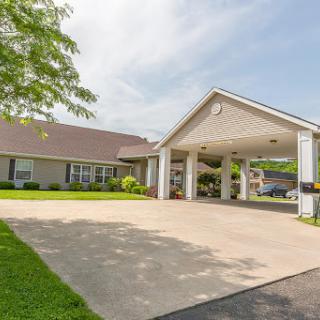
856 Riverside Drive South, McConnelsville, OH 43756
To contact a resident: (740) 962-5303
For more information about senior living options: (866) 208-4318
Overall Review of Riverside Landing
Pros
 The nurses and nurse aides are great people with always happy smiles.
- The staff are wonderful.
- The mother has settled in and loves it there; she is well taken care of and happy.
- Visitors are greeted with respect and kindness.
- They feel happy and at peace knowing their mom is safe and happy.
Cons
 They describe Riverside Landing as the absolute worst place to put a loved one.
- They say it is the worst nursing home in Ohio and that it fails at skilled nursing care.
- They state the doctor never sees patients and often just writes orders, leaving health concerns unaddressed.
- They note there is not enough staffing, causing stress for residents and inadequate attention.
- They accuse staff of misplacing medications or giving the wrong medications, including giving someone else's heart medication.
- They indicate communication with management is poor and that the director of nursing is difficult to reach.
- They recount items like prescription glasses and clothing being lost with no help to locate them.
- They describe severe outcomes such as bedsores, infections, and a death linked to the care provided.
Review
Riverside Landing in McConnelsville, OH is best suited for residents who prize daily warmth, social connection, and a staff presence that can feel genuinely caring on a good shift. The facility can deliver a friendly, people-centered vibe where aides and some nurses greet residents with smiles and try to make each day comfortable. That human warmth matters, and in the right moment it can make a real difference in mood and morale for residents who are otherwise independent in need of supervision and assistance. The community’s strongest draw, when the stars align, is the personal attention from frontline caregivers who want to do right by those they serve.
Those who may want to consider alternatives are residents with substantial medical complexity or fragile health histories. Several reviews raise red flags about medical oversight, physician access, and timely response to changes in condition. For a quadriplegic or someone prone to UTIs, sepsis, wounds, or sudden medication issues, Riverside Landing presents notable risk due to reports of infrequent physician rounds, reliance on external doctors, and hospitalizations tied to infection and treatment gaps. Families should be cautious if stability, predictable medical management, and tightly coordinated care plans are nonnegotiable priorities.
The strongest pros at Riverside Landing reside in the front-line care culture. Nurses and aides are repeatedly described as kind, patient, and personable, with residents forming meaningful rapport with staff who greet them warmly and offer individualized attention. That humane approach can improve day-to-day quality of life and ease fears about being away from home. Conversely, the main cons undermine those gains in a way that cannot be ignored: persistent staff shortages, insufficient hands-on coverage, and a pattern of medical oversight that leaves families feeling the clinical wheels turning too slowly or not at all. The result is a facility that can feel warm in tone but inconsistent in essential safety and medical outcomes.
These gaps, medical oversight, after-hours responsiveness, and care plan visibility, do not cancel out the positive daily atmosphere, but they do prevent Riverside Landing from serving as a reliable choice for residents who require steady, proactive clinical management. Instances cited by families include missed or delayed physician input, reliance on hospital-based care for acute issues, and serious adverse events tied to care lapses. The combination of understaffing and management communication challenges compounds the risk, particularly for those with complex needs or a history of complications such as pressure injuries or infections. In practical terms, the warmth of the staff can lift the day-to-day experience, but it cannot compensate for systemic gaps in medical governance.
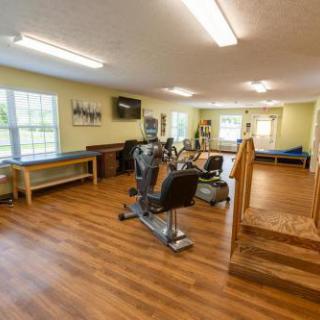
Decision-makers should approach Riverside Landing with a clear plan for verification and ongoing oversight. Conduct multiple, unannounced visits across different shifts to observe how care is delivered when the building is busiest. Insist on meeting the director of nursing and the treating physicians to review current care plans, medication administration routines, and the facility’s process for urgent medical issues. Request a transparent accounting of staffing ratios per shift, a schedule of on-site medical rounds, and a written commitment to timely family updates when health concerns arise. Probe past incident records for patterns in falls, infections, or medication errors, and verify that therapy services are consistent and outcome-driven, not episodic.
The bottom line is candid: Riverside Landing offers genuine warmth and a caring front-line staff that can significantly improve daily life for some residents, but the clinical realities documented in reviews raise serious concerns for anyone with complex medical needs or a high risk profile. For purely social and rehabilitative purposes, or as a temporary bridge while a more robust option is explored, it can be a reasonable choice. For those prioritizing consistent medical oversight, predictable outcomes, and rigorous safety standards, alternatives with stronger clinical governance are worth pursuing. Families should prioritize a facility that can deliver both compassionate companionship and unwavering medical reliability, and plan to evaluate Riverside Landing against those criteria with a careful, evidence-based lens.
 Assisted Living
 Activities on-site
 Devotional services off-site
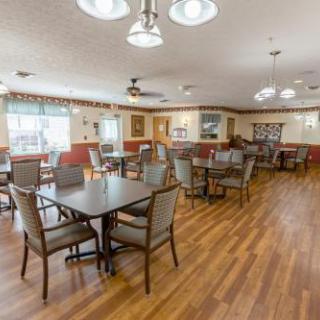
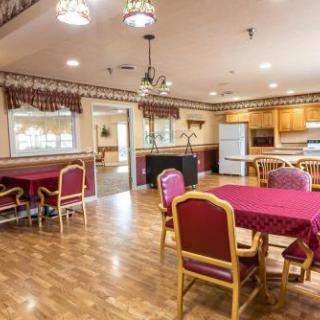
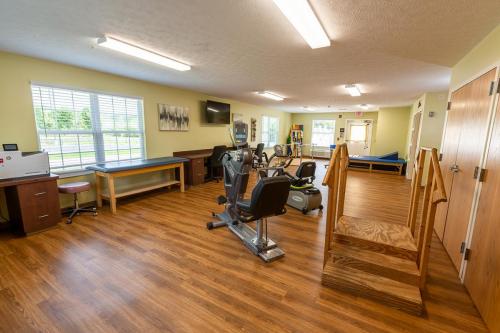
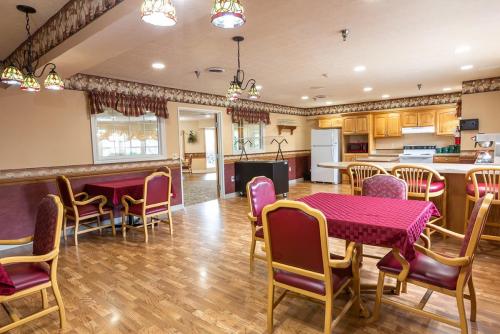
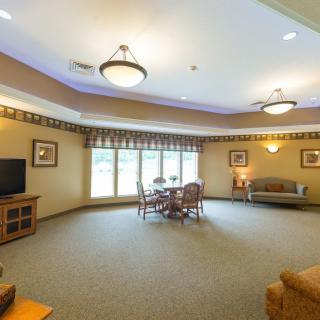
 Indoor common areas
 Ambulatory care
 Diabetic care
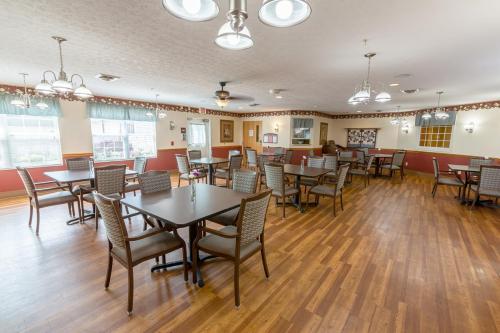
 Meals provided
 How and When Medicaid May Cover Assisted Living Costs
 A Detailed Exploration of Assisted Living Medicaid Waivers Across the United States
 Comprehensive Residential Support and Assisted Living Solutions for Individuals with Disabilities