
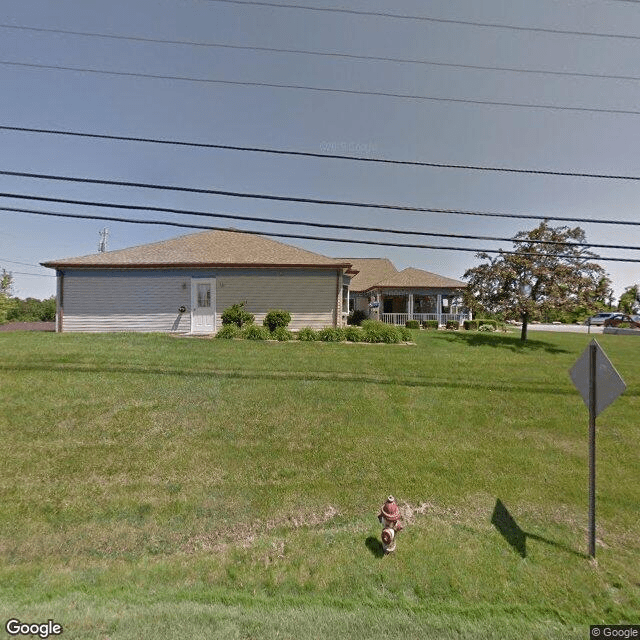
1417 Lancaster St, Marietta, OH 45750
To contact a resident: (740) 374-5126
For more information about senior living options: (866) 208-4318
Hannas Home Costs & Pricing
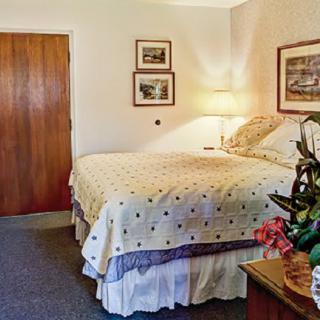
At Hannas Home, residents benefit from competitive pricing that significantly undercuts the costs associated with similar facilities in both Washington County and the broader state of Ohio. For a semi-private room, Hannas Home charges $1,800 per month, which offers a considerable saving compared to the local average of $3,986 and the state rate of $3,965. Additionally, for those seeking more privacy, the one-bedroom option at Hannas Home is priced at $2,040 per month, remaining well below the county's average of $2,650 and substantially lower than Ohio's average of $3,712. These pricing structures reflect Hannas Home's commitment to providing high-quality care while maintaining affordability for its residents.
| Floor plans | Hannas Home | Washington County | Ohio |
|---|---|---|---|
| Semi-Private | $1,800 | $3,986 | $3,965 |
| 1 Bedroom | $2,040 | $2,650 | $3,712 |
Overall Review of Hannas Home
Cons
 It is not a place to leave a loved one.
- There are no activities.
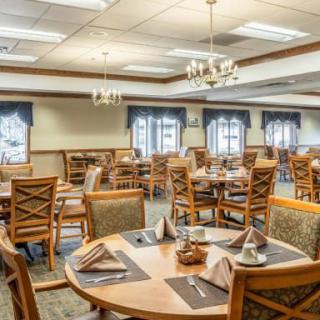
- Silence is the rule, even at meals.
- Medical attention does not exist.
Review
Hannas Home in Marietta, OH is best suited for independent seniors who require minimal to no direct care and who value a quiet, low-activity environment. The two available reviews paint a picture of a residence where programming is virtually non-existent, meals unfold in near-silence, and medical oversight is conspicuously absent. In practical terms, it functions as a niche choice only for residents who can manage on their own, have external caregiving support, and prefer a markedly stripped-down, low-stimulation setting. For families seeking engagement, regular interaction, and responsive health oversight, Hannas Home does not satisfy those fundamental expectations.
Those evaluating options should strongly consider alternatives if the resident needs daily assistance, supervision, medication management, mobility support, or therapeutic activities. The blunt takeaway from the reviews is that there are no activities to speak of, a pervasive quiet that veers toward austere, and no visible on-site medical attention. When care needs include monitoring, prompt medical responses, or opportunities for social connection to prevent isolation, other communities with staffed care teams, more robust activity calendars, and on-site healthcare deserve serious consideration.
In terms of pro versus con balance, there is no evident upside in the reviews to counterbalance the major drawbacks. The absence of highlighted advantages means the cons, the lack of engagement, the silence during meals, and the missing medical oversight, remain unmitigated. With no demonstrated programming or healthcare availability, potential peace and predictability cannot compensate for the safety and quality-of-life concerns raised by prospective residents and their families. The result is a clear imbalance: almost no features to justify acceptance of the significant care gaps.
The core cons are explicit and persistent. The repeated warning that “this is not a place to leave your loved one” carries practical implications: staff presence appears insufficient for everyday needs, social interaction is almost non-existent, and there is no on-site medical attention to address routine or urgent health issues. The policy of silence during meals underscores a withdrawn atmosphere that can exacerbate isolation and cognitive stagnation. In real terms, the combination of no activities, no social engagement, and no medical oversight creates a high-stakes environment for anyone who may experience health changes or emotional distress without timely intervention.
For families actively evaluating communities, practical steps matter. Verify whether a prospective community provides daily programming, regular opportunities for socialization, and a licensed on-site medical presence or readily available nursing staff. Examine staffing levels, response times, and the availability of medication administration oversight. In addition, assess care plans that align with changing needs, and tour facilities to observe the atmosphere, noise levels, and the degree of resident interaction. The goal is to identify venues where activity directors, caregivers, and healthcare professionals work in concert to sustain safety, engagement, and dignity.
Ultimately, Hannas Home is a highly specific choice. It appears best reserved for residents who insist on absolute quiet and complete independence, backed by external caregivers, and who have no expectation of on-site activity or medical monitoring. For virtually every other senior, those who require daily assistance, timely medical attention, and opportunities for social engagement, alternatives are strongly advised. The decision should prioritize communities that demonstrate active programming, visible health oversight, and a living environment that supports both safety and meaningful daily life.
 Assisted Living
 Memory Care
 Activities on-site
 Devotional services off-site
 Indoor common areas
 Ambulatory care
 Diabetic care
 Meals provided
 Strong care support with 24-hour supervision, ADL assistance, medication management, and a mental wellness program, plus on-site dining and convenient amenities.


 Exploring the Contrasts Between Assisted Living and Skilled Nursing
 Vibrant Senior Living: A Comprehensive Guide for Active Older Adults
 Assisted Living and Memory Care: Understanding Their Core Differences