

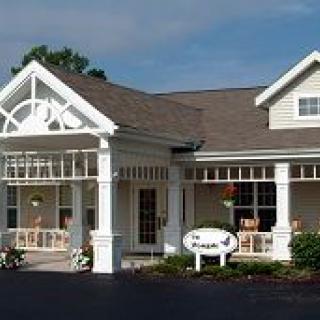
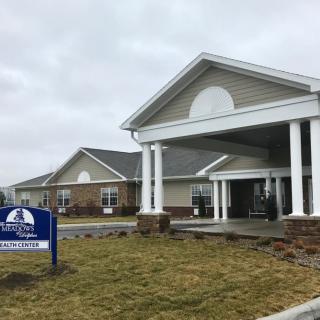
1100 Shawnee Road, Lima, OH 45805
To contact a resident: (419) 999-2010
For more information about senior living options: (866) 208-4318
Overall Review of HCF Management
Pros
 The caregivers are nice and friendly.
- The corporate support staff is wonderful and top-notch, and they are willing to help in whatever way they can.
- The staff are among the friendliest the reviewer has ever met.
- Calling residents by name creates a warm sense of family unity.
- The company is praised for its good morals.
- The caregivers are highly appreciated for all they do.
Cons
 The reviewer found the interview process disheartening and unprofessional due to the lack of follow-up.
 - The reviewer described the billing as an utter mess and noted a refund of over $700 had not been issued for more than six months.
- The reviewer claimed the facility is understaffed for the number of residents, resulting in long waits and insufficient care.
- The reviewer observed staff were overworked and stretched thin, with some nurses tending to over 30 patients.
- The reviewer stated the vaccine mandate could lead to legal penalties and referenced ongoing stays on mandates.
- The reviewer described the company as very rude and racist.
- The reviewer labeled the experience "the worst."
Review
This Lima, OH community tends to suit families that prize hands-on, compassionate caregiving delivered at the bedside and are prepared to supervise administrative details closely. The care team often earns praise for friendliness, warmth, and genuine concern from nursing aides, with resident’s families sensing a familial atmosphere during daily interactions. When care is appropriate and staff are available, residents can receive attentive, personable support that makes the day-to-day feel homelike. The facility’s price point, typically over $8,000 per month, demands a clear return in consistent staffing and reliable billing. For families who can tolerate imperfect administration while prioritizing frontline care, this community can still be a viable option.
Those who should consider alternatives are families who cannot tolerate persistent administrative gaps or unclear financial processes. Several reviews highlight communication breakdowns, including unacknowledged interview follow-ups and billing problems that linger for months. The impression is that administrative systems sometimes lag behind the level of direct care, leaving families frustrated when issues arise. Prospective residents with a strong need for precise, timely financial handling or a seamless, predictable operations flow may prefer facilities with proven, transparent billing and more predictable management practices. Also, vigilance around staffing stability is essential for families who worry about continuity of care.
Pros that do stand out often center on the people delivering care. The aides and nursing staff are described as caring, patient, and engaged, with residents and families feeling personally recognized, calling staff by name creates a sense of belonging and trust. A number of reviewers commend the corporate-support side for responsiveness and willingness to assist, which translates into a feeling that the organization has resources backing the on-site team. This front-line warmth is real and can be a decisive factor for families who want their loved ones to be treated with kindness and respect on a daily basis. However, the impact of these strengths depends on whether staffing levels and workflow allow caregivers to translate that goodwill into timely, reliable service across all shifts.
The principal downsides loom large enough to temper the appeal. Chronic understaffing translates into tangible, day-to-day risks: residents needing two aides for transfers, delays to bathroom needs, and extended wait times that can escalate anxiety and discomfort. Several accounts describe situations where a single nurse must juggle dozens of patients, with multiple falls noted over time, clear indicators that the staffing ratio is not alignment with resident safety. Additionally, the financial side appears inconsistent, with billing mistakes, delayed refunds, and conversations around payer status that leave families guessing about true monthly costs. In a few reviews, leadership or organizational tone is questioned, including a dormant communication culture that contradicts the emphasized importance of contact and follow-through.
These contrasting elements mean the pros and cons are not in balance for every family. The genuine warmth of direct caregivers can be enough to offset some administrative friction if operations are stable and transparent, but the continuing gaps in staffing management and billing reliability can erode confidence over time. For families evaluating options, the real question becomes whether the care environment can sustain high-quality, timely service even when staffing pressures spike, and whether billing and communications can be tightened to prevent the financial and logistical headaches that some residents have experienced. Until those gaps are addressed, the experience will feel uneven.
Actionable due diligence will determine fit. Prospective residents should request a current staffing plan, including nurse-to-patient ratios by shift, and ask for concrete examples of how staffing shortages are mitigated during peak hours. Probe the billing process with finance leadership: what is the timeline for statements, how are credits handled, and who handles disputes? Observe a shift change and request to speak with frontline staff about typical day-to-day challenges. Seek references from families willing to speak candidly about consistency of care and communication. If these checks reveal reliable staffing and financial processes, this community can be a strong, compassionate option; if not, alternatives in Lima with stronger operational discipline merit serious consideration. In the end, this is a pragmatic choice: solid caregiving is present, but only with tighter administration will it become consistently dependable.






 Exploring the World of Home Health Nurses: Qualifications, Roles, and Hiring Tips
 Navigating Medicare Coverage for In-Home Care Services
 In-Home Care Costs in 2025: A Detailed State-by-State Exploration