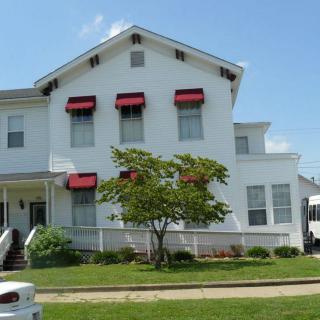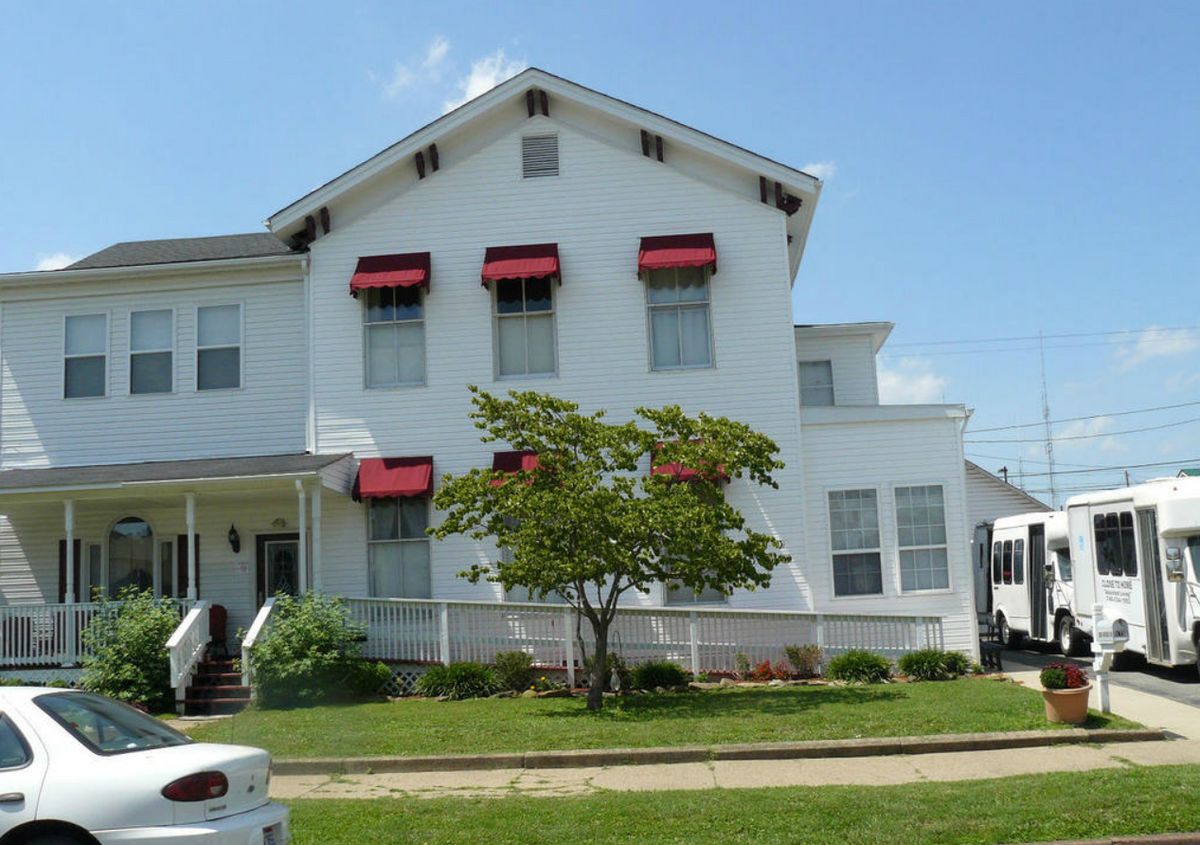
503 Vernon Street, Ironton, OH 45638
For more information about senior living options: (866) 208-4318
Overall Review of Close To Home I
Cons
 The company never answers the phone when people call to talk to a resident.
- The company orders groceries and then takes away the tip, making its delivery service unreliable.
- The company is a joke that misleads people and lies about a supposed call from a woman named Rachel who never follows through.
- The company fails to contact customers despite multiple assurances, leaving them without assistance.
- The company should not be recommended to anyone.
Review
Close To Home I in Ironton, Ohio is best suited for seniors who prize proximity to family and a straightforward, low-maintenance living arrangement, with the understanding that assistance may require hands-on coordination from family or a paid advocate. This community can work for residents who are relatively independent and comfortable navigating communications on their own, or for households that can shoulder the responsibility of overseeing care and daily logistics. It is not the ideal fit for those who rely on consistently responsive staff, frequent check-ins, or strong, proactive management to address medical or personal needs in real time.
Families should explicitly consider alternatives if reliable, timely communication is non-negotiable. The experience reflected in the reviews points to a pattern where phone lines and outreach can be unreliable, with reports that calls to talk to a resident often go unanswered and promises of follow-up are not fulfilled. For elders who depend on routine updates, real-time problem-solving, or quick escalation of concerns, this inconsistency can translate into real risk or ongoing frustration. In such circumstances, a facility with a transparent, accountable communication culture is worth prioritizing.
On the surface, the setting may appear modest and approachable, which some residents and families may value for its simplicity and potential cost control. A portion of reviewers gave high marks, suggesting that there are aspects of the community that work well for certain residents, perhaps a quieter environment, familiar faces, or a basic level of daily routine that feels stable. Yet those positives are hard to justify if core expectations around staff responsiveness, accuracy of information, and reliable service are repeatedly unmet. The incongruence between some favorable ratings and the documented communication gaps creates a troubling tension for decision-makers weighing risk versus comfort.
The most damaging disconnect centers on trust in day-to-day operations. Allegations that staff or management mislead families, and that promised follow-ups, such as someone named Rachel supposedly contacting prospects, never materialize, strike at the heart of what families must rely on when choosing care. Added concerns about grocery deliveries, specifically, orders placed that end up with tips withheld or denied delivery, highlight a streak of operational inconsistency and unclear policies. When administrative promises become unreliable or opaque, the perceived value of any practical benefits rapidly diminishes.
Prospective residents and families should press for concrete assurances before committing. A practical approach includes requesting a dedicated liaison with guaranteed response times, a clear point of contact for resident updates, and written policies on ancillary services like grocery deliveries and the handling of tips or fees. Tours should include candid conversations with current residents about how often staff answer calls, how emergencies are managed, and whether assistance is available during evenings and weekends. It is essential to obtain a transparent billing snapshot, what services are included, what can be charged separately, and how miscommunications are corrected.
Bottom line: Close To Home I may hold appeal for those prioritizing location and a straightforward, low-friction living option, but the combination of sporadic communication, unfulfilled promises, and opaque handling of routine services creates substantial risk for families managing complex or medically sensitive needs. For households where timely, proactive engagement from the staff is non-negotiable, exploring alternatives with demonstrably reliable communication and clear, ethical service policies is advised. If choosing this community, enter with a plan: secure a direct care liaison, demand written policies on every delivery and service, and insist on a trial period during which expectations are measured and documented.
 25 resident community capacity
 Assisted Living
 Beauty salon
 Cable or satellite TV
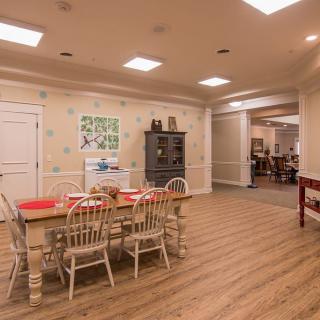
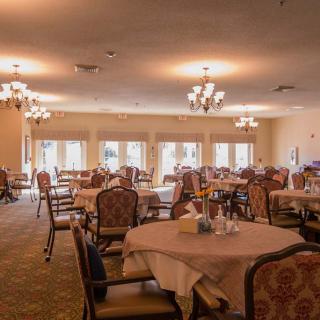
 Dining room
 Fully furnished
 Garden
 Housekeeping services
 Kitchenette
 Move-in coordination
 Outdoor space
 Restaurant-style dining
 Small library
 Telephone
 Wi-Fi/high-speed internet available
 Tri-State Walker-Long (13 miles away)
 24-hour call system
 Activities of daily living assistance
 Assistance with bathing
 Assistance with dressing
 Assistance with transfers
 Diabetes diet
 Medication management
 Mental wellness program
 Special dietary restrictions
 Comprehensive care and amenities (24/7 supervision, diabetes diet, restaurant-style dining, mental wellness).



 Comprehensive Insights into Activities of Daily Living (ADLs) and Their Assessment
 Guiding Elderly Parents Who Refuse Assisted Living: 6 Practical Steps
 Your Comprehensive Guide to Luxury Assisted Living: Elevated Facilities, Amenities, and Costs