
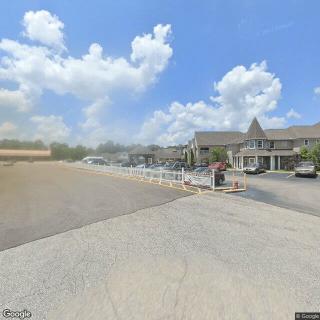
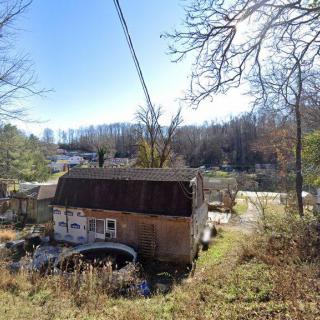
407 Ferry Road, Russell, KY 41169
For more information about senior living options: (866) 208-4318
Overall Review of Russell Convalescent Home
Pros
 The home is described as caring and providing great care to residents.
Cons
 The facility let him miss his medications for days.
- Another resident died, and there has been no information provided about him.
- When the uncle was found, he had stuff in his eyes and had been dead for several days before a report was made.
Review
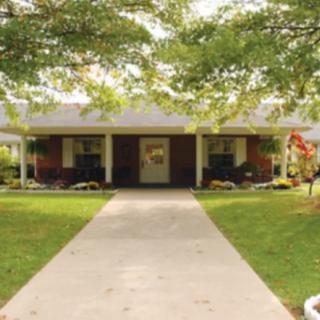
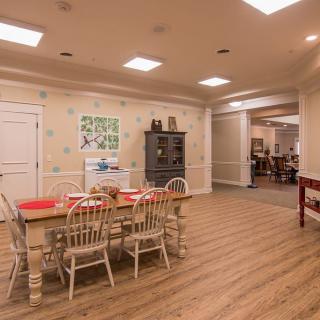
Russell Convalescent Home appears best suited for families seeking a small, home-like setting where residents receive steady, personal attention and daily routines that feel familiar. The care philosophy, as reflected in comments from families, centers on warmth and hands-on caregiving, with staff who appear attentive to individual preferences. In practice, this can translate into meaningful companionship, reliable daily support, and a sense of routine that many seniors value. For seniors who thrive on reassurance through regular interaction and a calm, low-key environment, this community can be a comforting fit. It is less about high-intensity clinical intervention and more about the human side of care.
However, clear cautions accompany that warmth. Those evaluating options must explicitly consider medical complexity and transparency. If a loved one requires precise medication administration, rapid response to health changes, or consistent, easily traceable incident reporting, stronger clinical oversight becomes essential. Larger facilities with established nursing teams, formal med-pass protocols, and robust documentation tend to reduce the risk of medication errors and gaps in communication. For families who demand clear accountability and timely, defensible reporting around any adverse events, this community may fall short and deserve careful comparison with alternatives that emphasize clinical infrastructure.
The strongest positive, staff dedication paired with a home-like atmosphere, can meaningfully enhance daily life for residents who prioritize reassurance and personal connection. This environment supports comfort, purposeful routines, and emotional well-being, particularly when regular face-to-face interactions are valued over clinical spectacle. Yet the most significant downside centers on medication management and the handling of after-incident communication. When doses are missed or reports lag, trust and safety can erode quickly. Personal warmth cannot fully compensate for gaps in medication oversight or delayed notification about serious events, so the overall value hinges on whether those risks are tolerable.
For families planning a site visit, the practical path is to verify how medication management actually operates. Request current medication administration records, MARs, and credentials of staff responsible for administering drugs. Inquire about the exact procedure for reporting incidents, investigations, and follow-up communications with families. Clarify staffing levels, including whether an on-site nurse is available around the clock and how swiftly concerns are escalated. These specifics reveal whether the operational framework can sustain safe, reliable care without sacrificing the intimate, attentive atmosphere that characterizes daily life at the home.
The decision comes down to health trajectory and risk tolerance. If a resident’s needs are largely about daily assistance and companionship, Russell Convalescent Home offers a favorable environment with potential for steady engagement and peaceful routines. Yet for individuals with complex medication schedules, dementia-related risk, or histories of medical instability, the risk profile rises. In those cases, the safest path may be facilities with more pronounced clinical oversight and transparent, structured incident handling. The choice should align with the resident’s health status and the family’s appetite for proactive oversight.
Bottom line: Russell Convalescent Home can deliver a nurturing, resident-centered living experience for those who prize warmth, consistency, and everyday support. That strength, however, must be weighed against the real concerns about medication lapses and reporting gaps observed in the limited sample. For families unwilling to tolerate uncertainty around meds and after-hours communications, exploring options with stronger clinical infrastructure is prudent. A thorough, in-person evaluation focused on med management protocols, staffing coverage, and incident-handling will reveal whether this community fits as a long-term home or whether a safer, more transparent option should be pursued.
 28 resident community capacity
 Assisted Living
 Beauty salon
 Cable or satellite TV
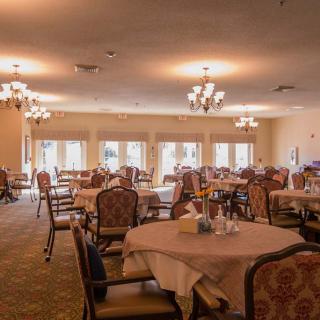
 Dining room
 Fully furnished
 Garden
 Housekeeping services
 Kitchenette
 Move-in coordination
 Outdoor space
 Telephone
 Wi-Fi/high-speed internet available
 Tri-State Walker-Long (14 miles away)
 24-hour call system
 Activities of daily living assistance
 Assistance with bathing
 Assistance with dressing
 Assistance with transfers
 Diabetes diet
 Meal preparation and service
 Medication management
 Mental wellness program
 Special dietary restrictions
 Transportation arrangement (medical)
 Transportation to doctors appointments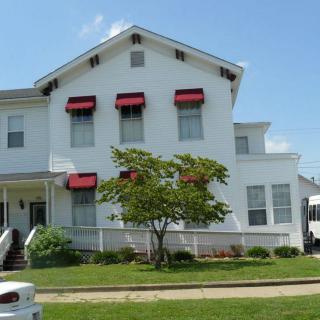

 Assisted Living Support for Veterans: A Complete and Detailed Overview
 Exploring the Contrasts Between Assisted Living and Skilled Nursing
 8 Key Indicators That Suggest It May Be Time to Transition from Assisted Living to Skilled Nursing Care